
Air plants, also known as Tillandsia, are unique, low-maintenance plants that add a touch of nature to any home. These fascinating plants don’t require soil to grow, making them perfect for homeowners looking for a stylish and hassle-free way to bring greenery into their space. However, while air plants are resilient, they do require specific care to truly thrive. In this guide, we’ll explore 27 essential air plant care tips that will help your plants stay vibrant, healthy, and visually stunning in your indoor garden. Whether you’re a seasoned plant lover or new to air plants, these tips will ensure you’re providing the best care possible.
Essential Care Tips for Air Plants:
Learn how to properly water, dry, and display your air plants to ensure they thrive in your home.
1. Soak Air Plants Regularly
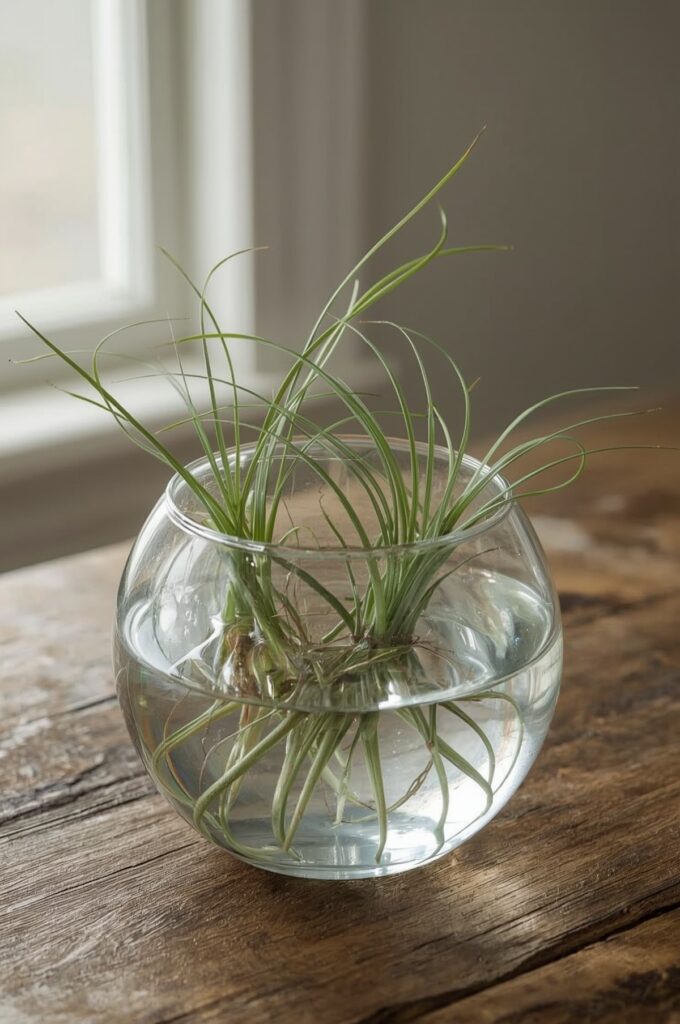
Soak your air plants for 10–30 minutes once a week to ensure they receive enough hydration. If you live in a dry environment, you might need to soak them more frequently. This deep soaking promotes healthy growth and prevents dehydration.
2. Use Room Temperature Water for Soaking
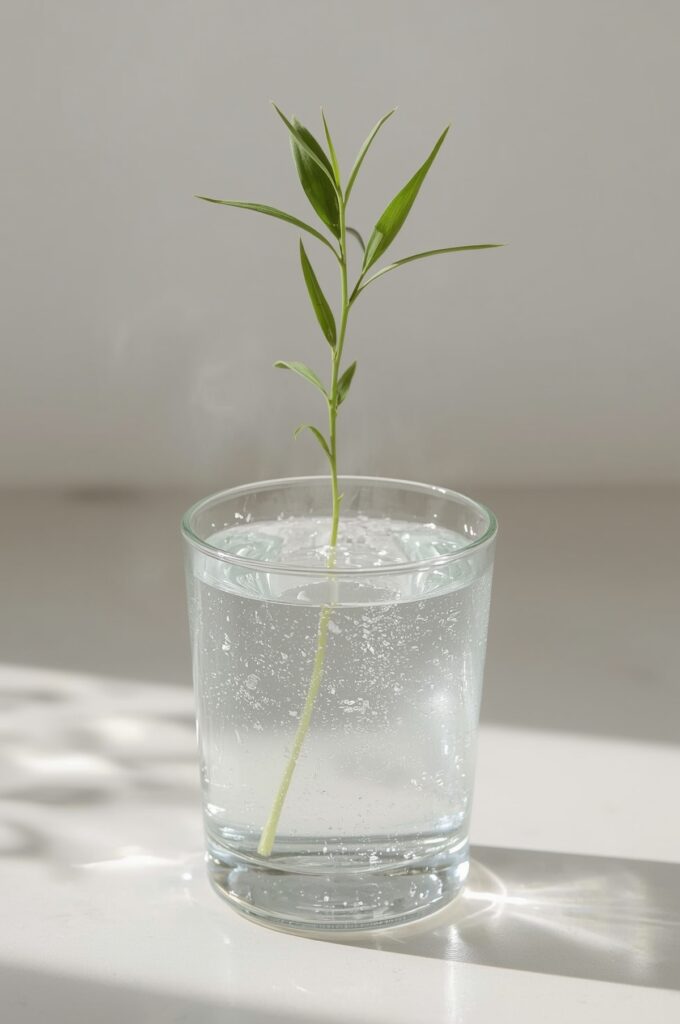
Always use room temperature water when soaking your air plants. Water that’s too hot or cold can shock the plants and harm their delicate tissues. Room temperature water is ideal for helping your plants absorb moisture effectively.
3. Dry Air Plants Thoroughly After Soaking
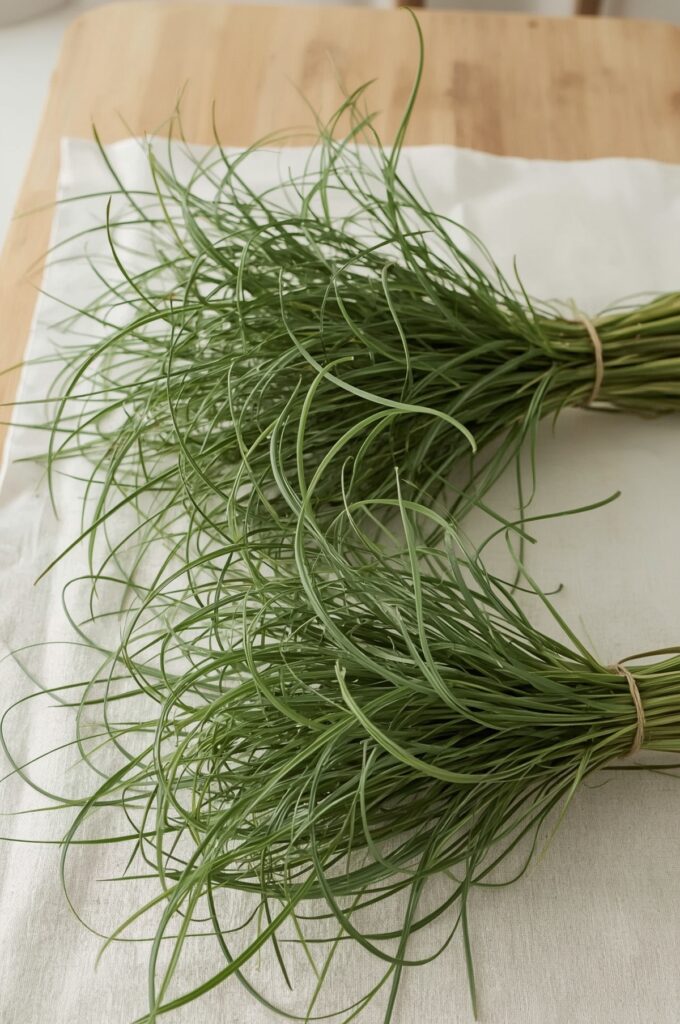
After soaking, shake off the excess water and place your air plants upside down on a towel to dry completely. This helps avoid water pooling at the base, which can cause rot. Make sure they dry within 4 hours to prevent mold or damage.
4. Mist Air Plants Between Soaks
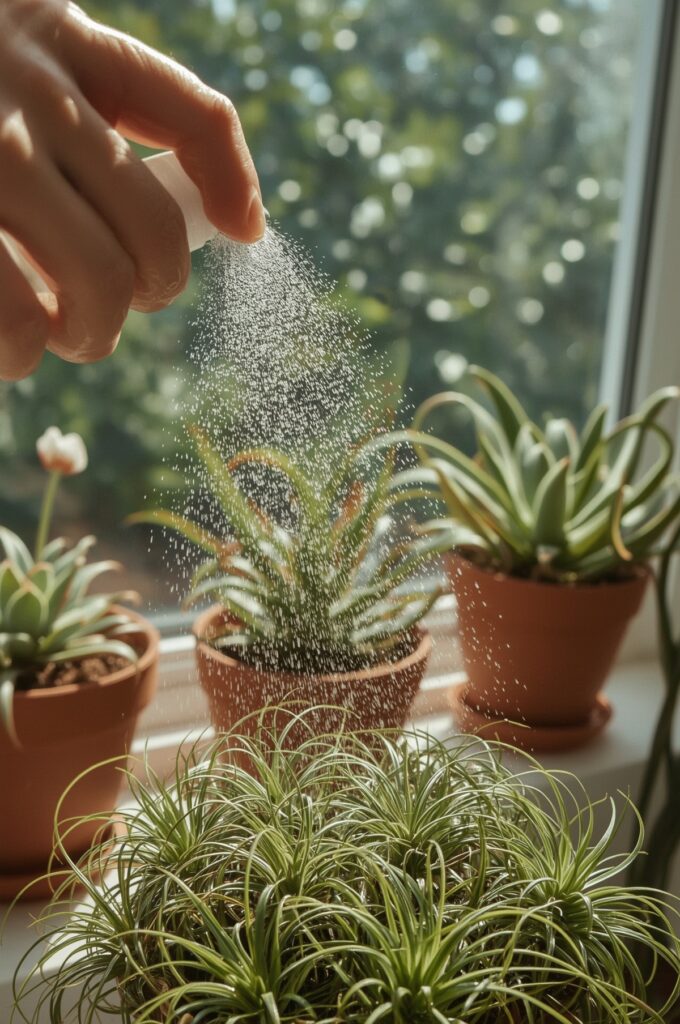
In between soakings, mist your air plants lightly with water. This ensures they stay hydrated, especially in drier climates. Misting is a gentle way to keep your plants refreshed without overwatering them.
5. Choose the Right Location with Bright, Indirect Light
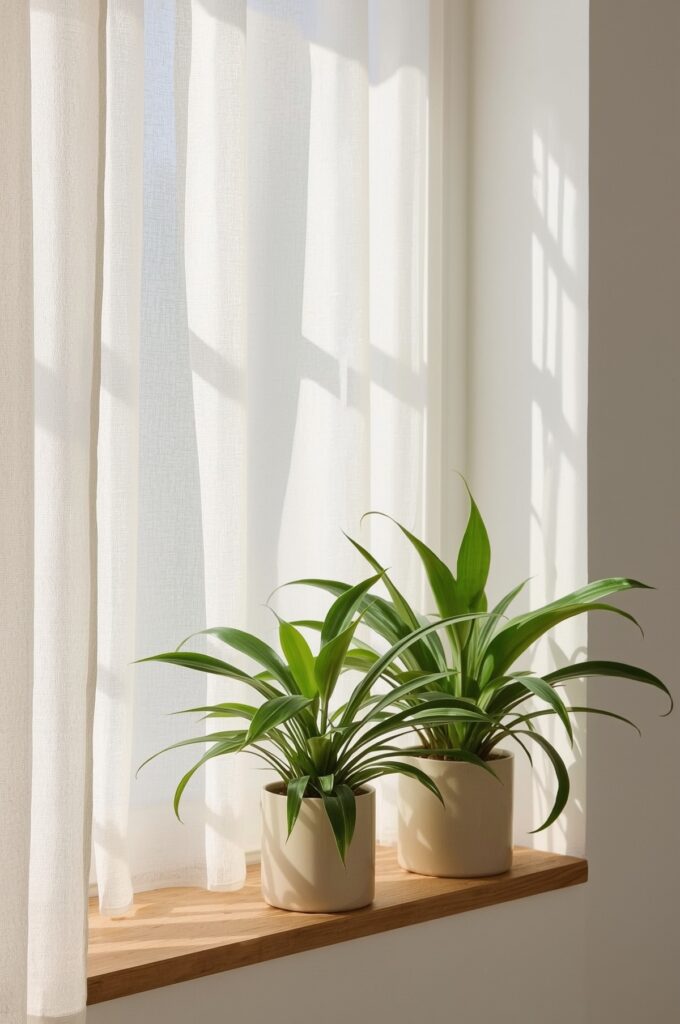
Air plants thrive in bright, indirect light. Place them near windows with sheer curtains or in areas that receive plenty of natural light but aren’t exposed to direct sunlight. Proper lighting encourages healthy growth and vibrant colors.
6. Avoid Direct Sunlight to Prevent Burn
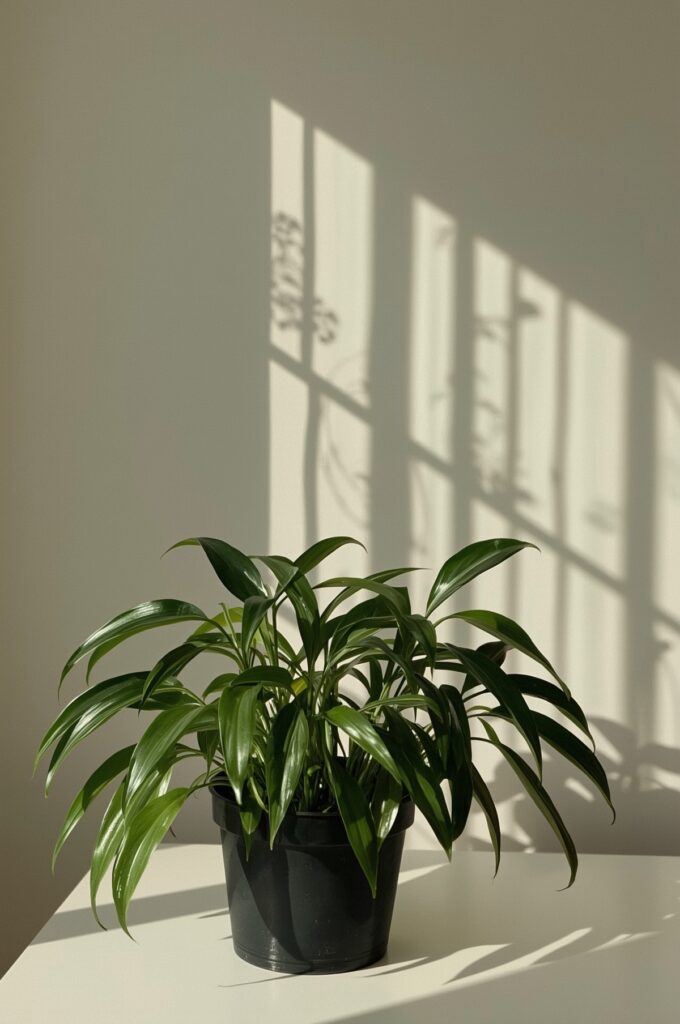
Direct sunlight can easily burn the delicate leaves of air plants, causing them to dry out or discolor. To protect them, place your plants in areas with filtered light or partial shade, especially during the peak sunlight hours.
7. Ensure Proper Air Circulation Around the Plants
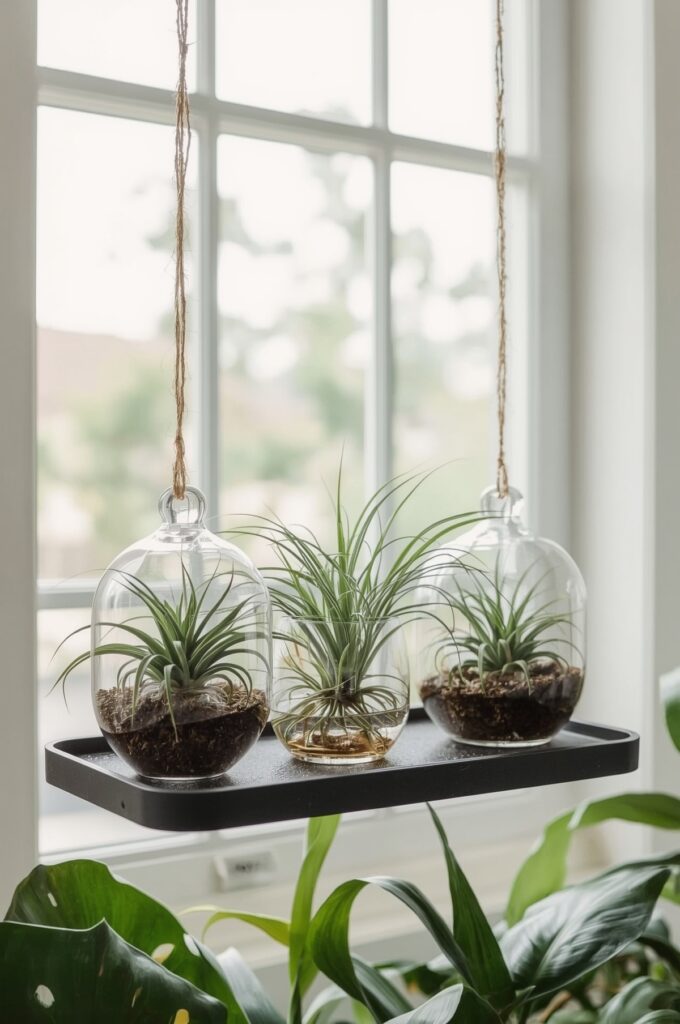
Good air circulation is vital for the health of air plants. Avoid placing them in stagnant environments, as this can lead to mold or rot. Ensure they have space to breathe, especially when they are in glass containers or terrariums.
8. Water Air Plants More Frequently in Hot, Dry Climates
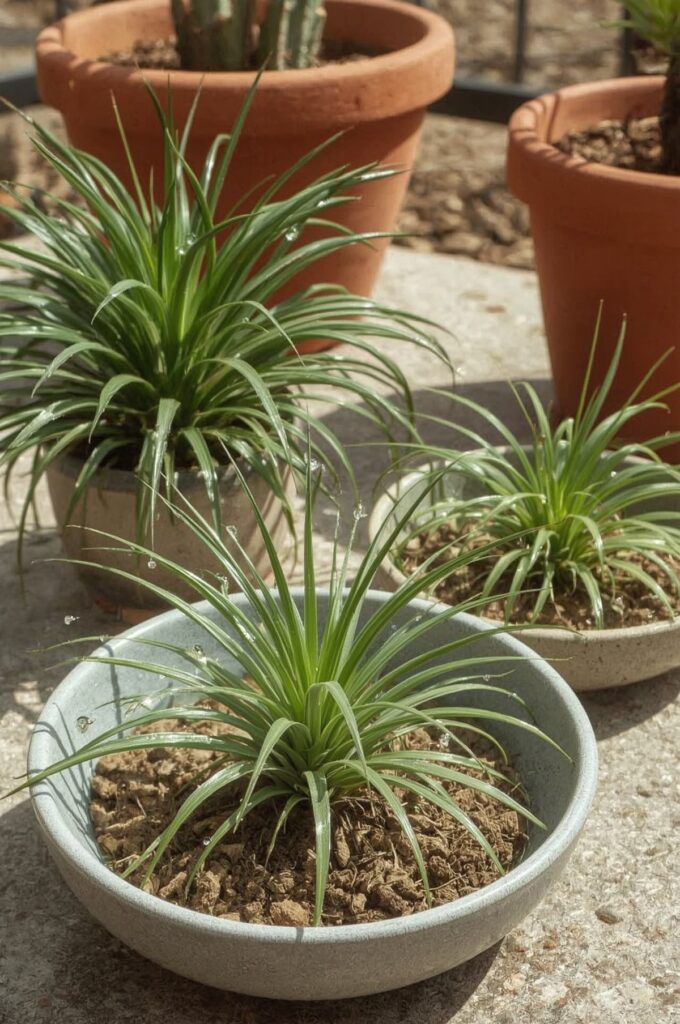
In areas with high heat or low humidity, air plants may require more frequent soaking. Adjust your watering schedule based on your local climate to keep them hydrated and healthy. This ensures your plants stay nourished and vibrant.
9. Use Fertilizer Sparingly, 1–2 Times a Month
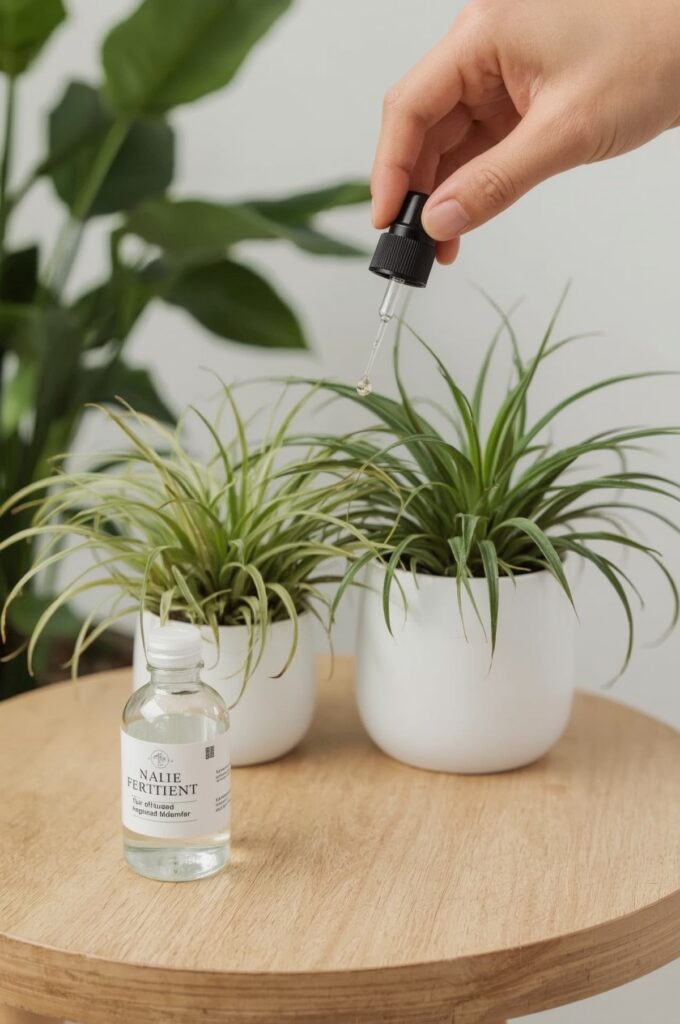
Air plants don’t need frequent fertilization, but using a balanced fertilizer once or twice a month during the growing season can help them thrive. Over-fertilizing can cause leaf burn, so always dilute the fertilizer to ¼ strength.
10. Apply a Balanced, Diluted Fertilizer
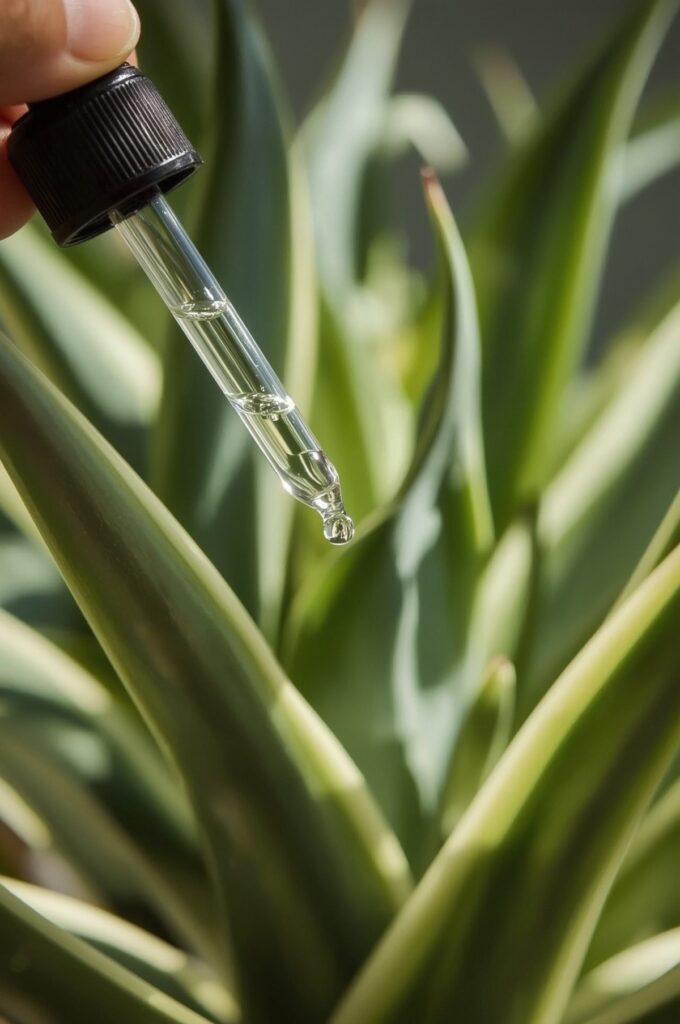
When using fertilizer, opt for a balanced mix and dilute it to a quarter of the recommended strength. This will prevent any harm to your plants while providing them with the necessary nutrients. Apply the fertilizer during their active growing season.
11. Choose Well-Draining Containers for Display
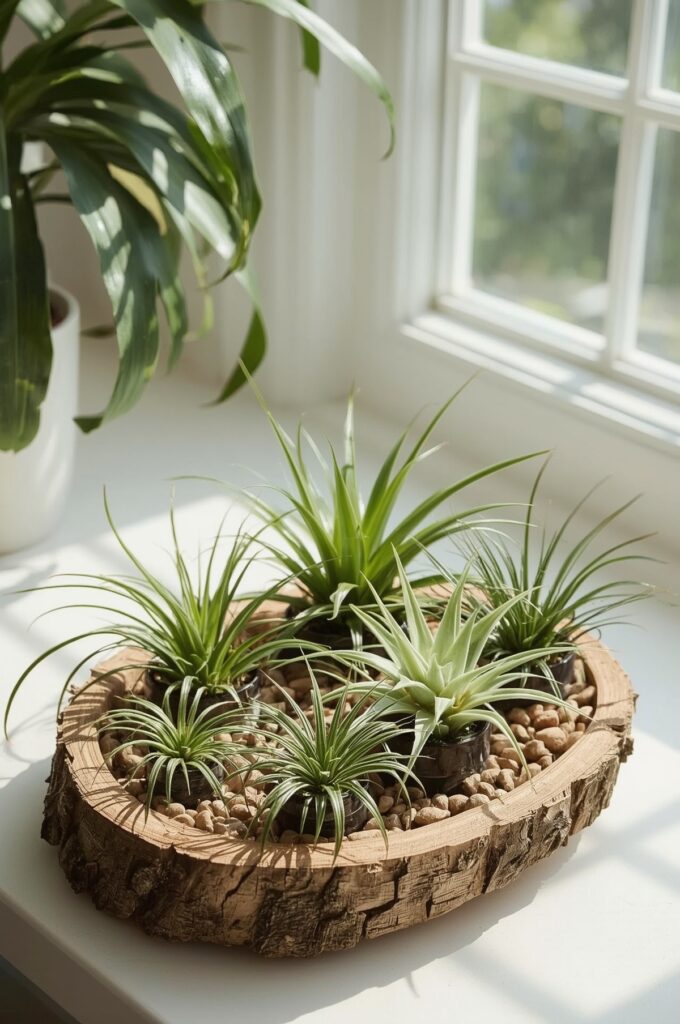
Use containers that allow for proper drainage when displaying air plants. Glass terrariums or driftwood can be great options. Avoid sealed containers that trap moisture, as they can suffocate the plants and promote mold growth.
12. Display Air Plants in Glass Terrariums
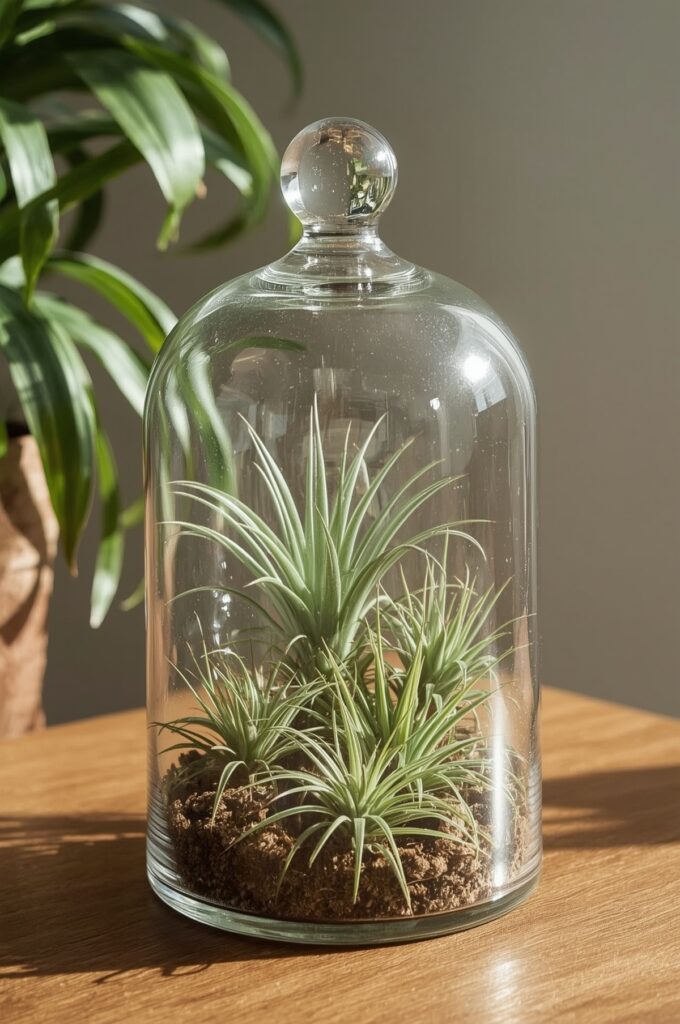
Glass terrariums make an ideal display for air plants because they offer visibility while also providing ventilation. Ensure the terrarium has a wide opening for air circulation. These decorative pieces help showcase your air plants’ unique shapes and colors.
13. Hang Air Plants for an Aesthetic Look
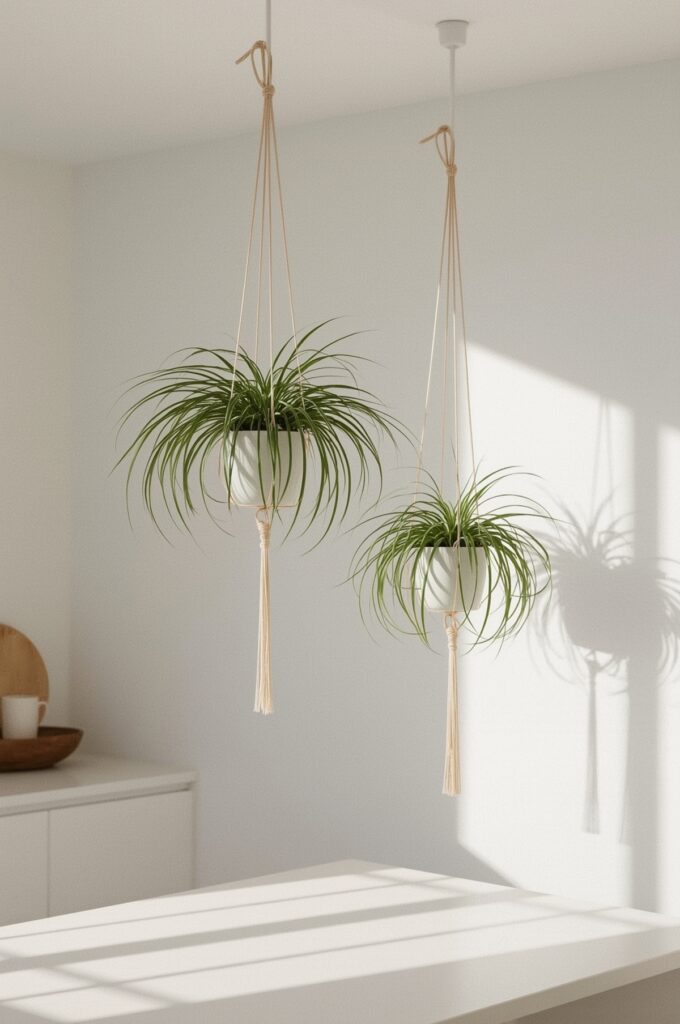
Hanging air plants create a visually appealing and space-saving display. You can hang them from ceiling hooks or on stylish ropes. This setup also improves air circulation around the plants, helping them stay healthy and vibrant.
14. Avoid Overwatering to Prevent Root Rot
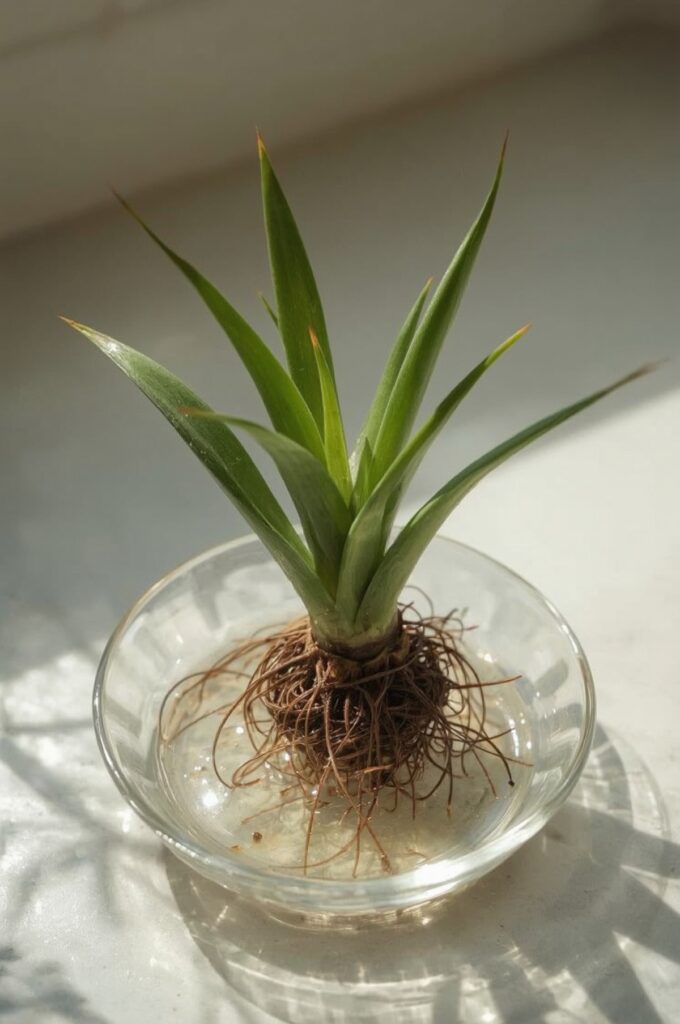
Overwatering is a common mistake when caring for air plants. They prefer to dry out between soakings, so avoid keeping them too wet for long periods. Proper water drainage and a balanced watering schedule prevent root rot and ensure their survival.
15. Clean Air Plants Regularly to Remove Dust
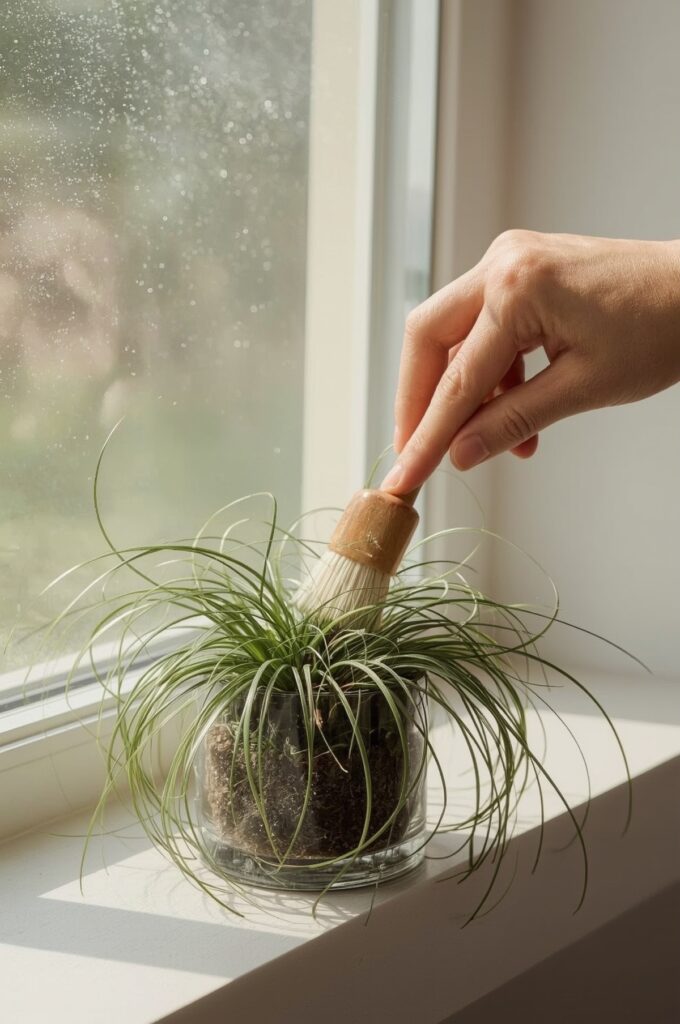
Dust can accumulate on air plants, blocking their pores and inhibiting proper absorption of water and nutrients. Gently rinse or wipe your plants with a soft cloth every few weeks to remove dust and keep them looking fresh.
16. Rotate Plants for Even Light Exposure
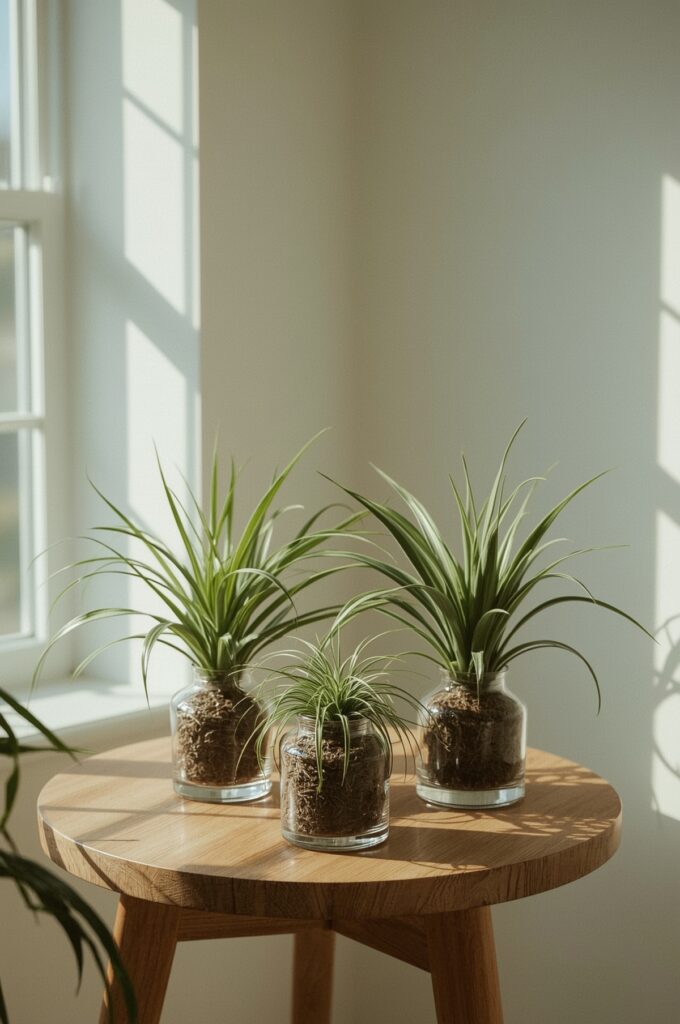
Rotating your air plants every few days ensures they receive even light exposure. This prevents them from leaning toward one side and promotes balanced growth. Regular rotation helps keep them symmetrical and healthy.
17. Place Air Plants Near a Humidifier in Dry Environments
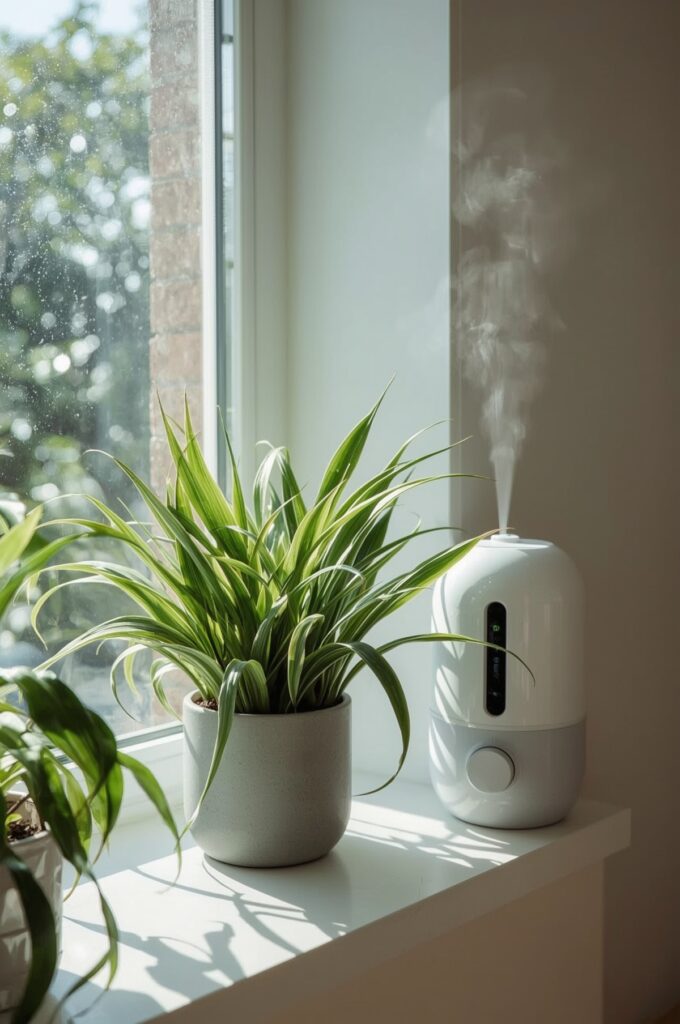
If you live in a dry area, placing your air plants near a humidifier can provide the necessary moisture they need. The added humidity helps replicate their natural tropical environment, promoting better growth and vibrant colors.
18. Remove Dead or Dying Leaves Promptly
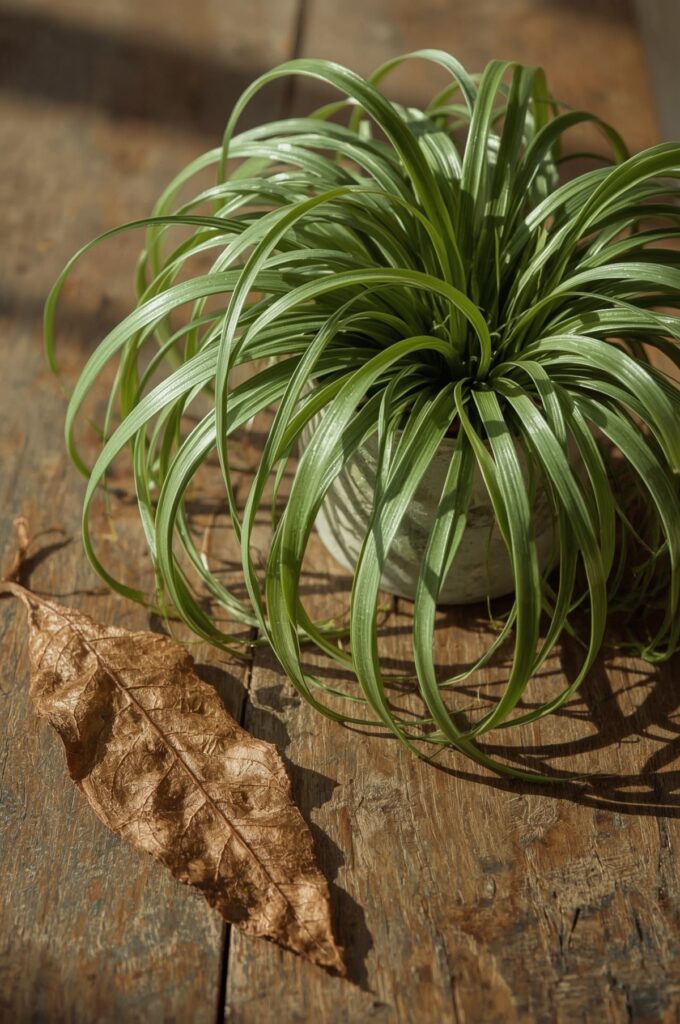
Regularly inspect your air plants and remove any dead or damaged leaves. This prevents the spread of disease and allows the plant to focus its energy on new, healthy growth. Pruning helps maintain the plant’s appearance and vitality.
19. Ensure Proper Temperature Range (50°F to 90°F)
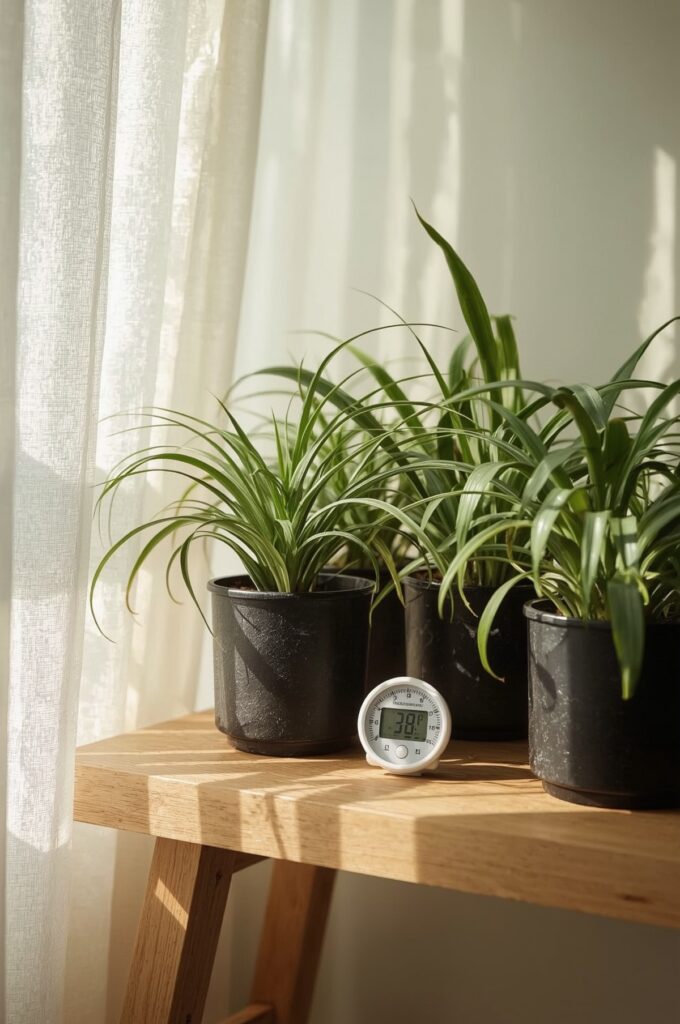
Air plants thrive in temperatures ranging from 50°F to 90°F. Avoid placing them in areas with extreme temperatures, such as next to air conditioners or heaters. Keeping them in this temperature range supports healthy growth and prevents stress.
20. Handle with Care to Avoid Damaging Leaves
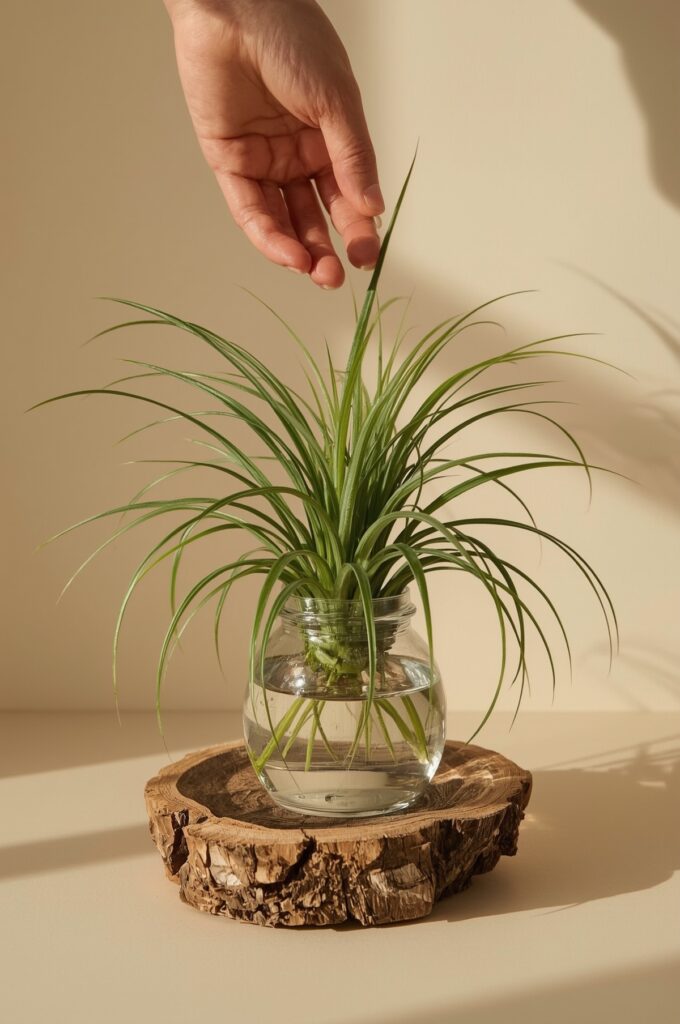
Air plants have delicate leaves that can be damaged with rough handling. Be gentle when moving or repositioning them to avoid bruising or breaking the leaves. Handling with care ensures your plants remain strong and vibrant.
21. Prune Air Plants to Maintain Shape
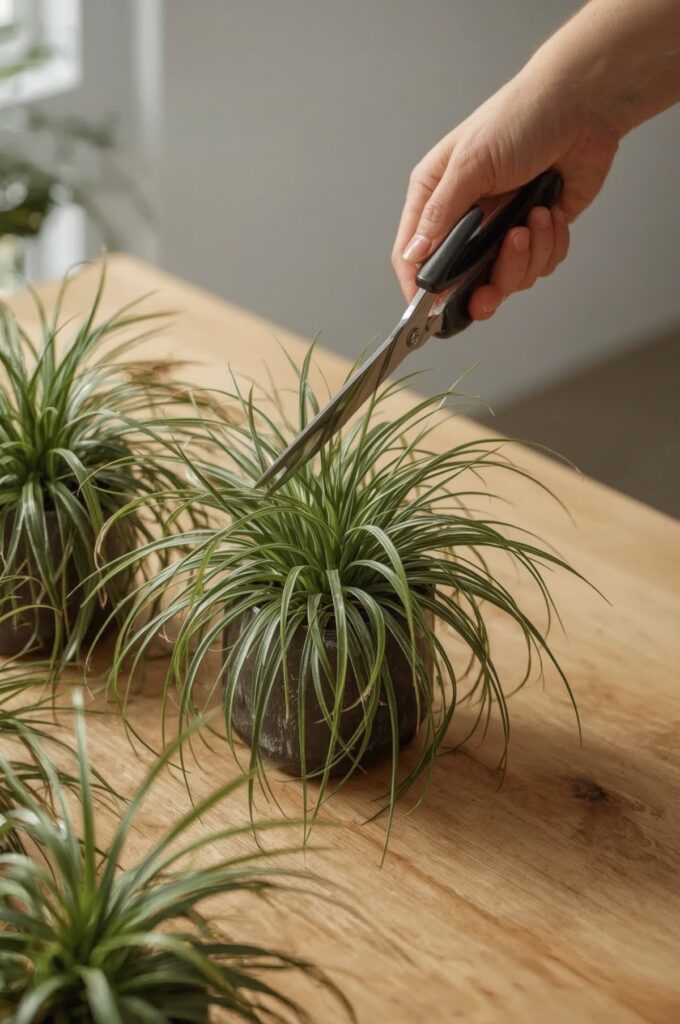
Trimming air plants periodically helps maintain their shape and removes any dead or overgrown sections. Pruning also encourages new growth and prevents the plant from becoming too crowded or unhealthy.
22. Avoid Soaking Air Plants in Too Cold Water
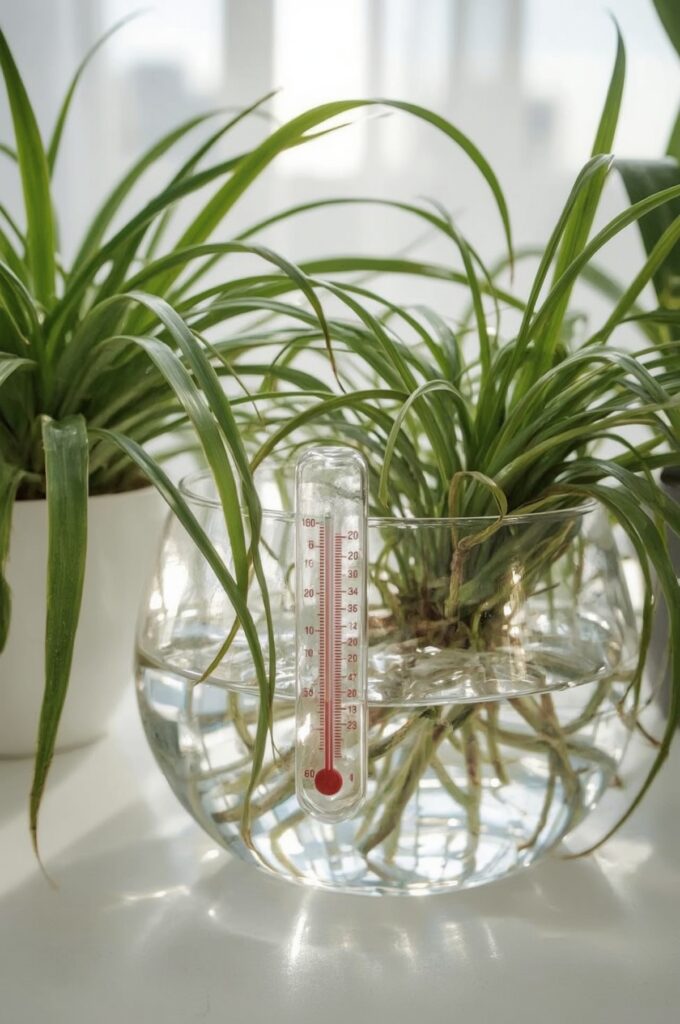
Soaking air plants in water that’s too cold can shock them, slowing down their absorption process. Always use lukewarm or room temperature water to ensure proper hydration without causing damage to the plant.
23. Use a Light-Reflecting Tray for Display
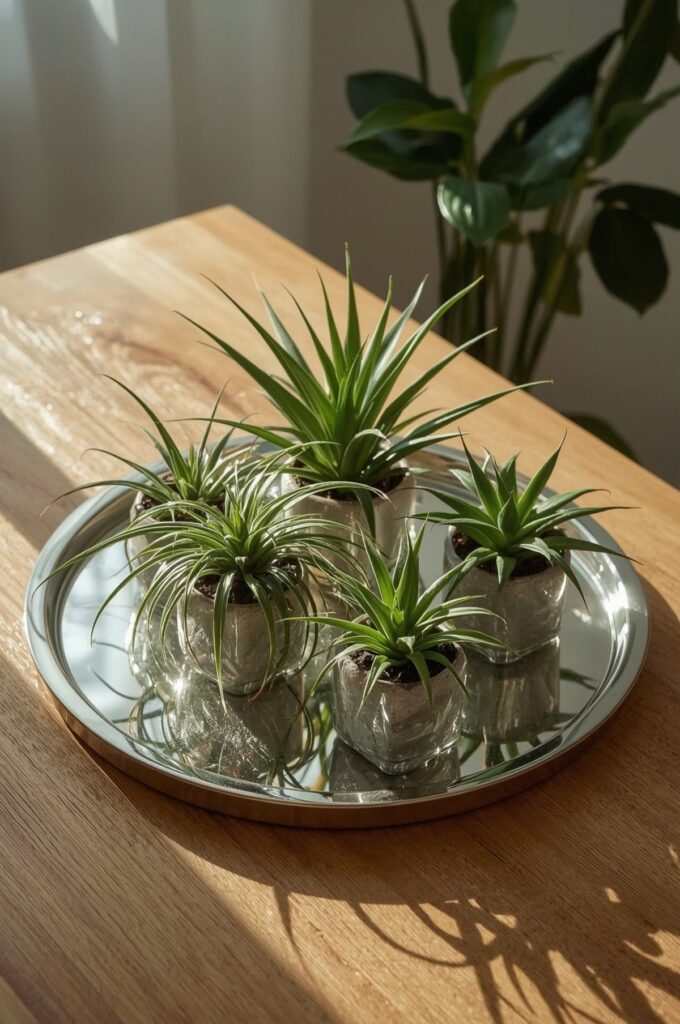
A light-reflecting tray can enhance the appearance of your air plants and provide additional light. This setup works well for creating an aesthetic display while ensuring the plants get enough light. It’s a simple and practical solution for displaying them indoors.
24. Keep Air Plants Away from Air Conditioners or Heaters
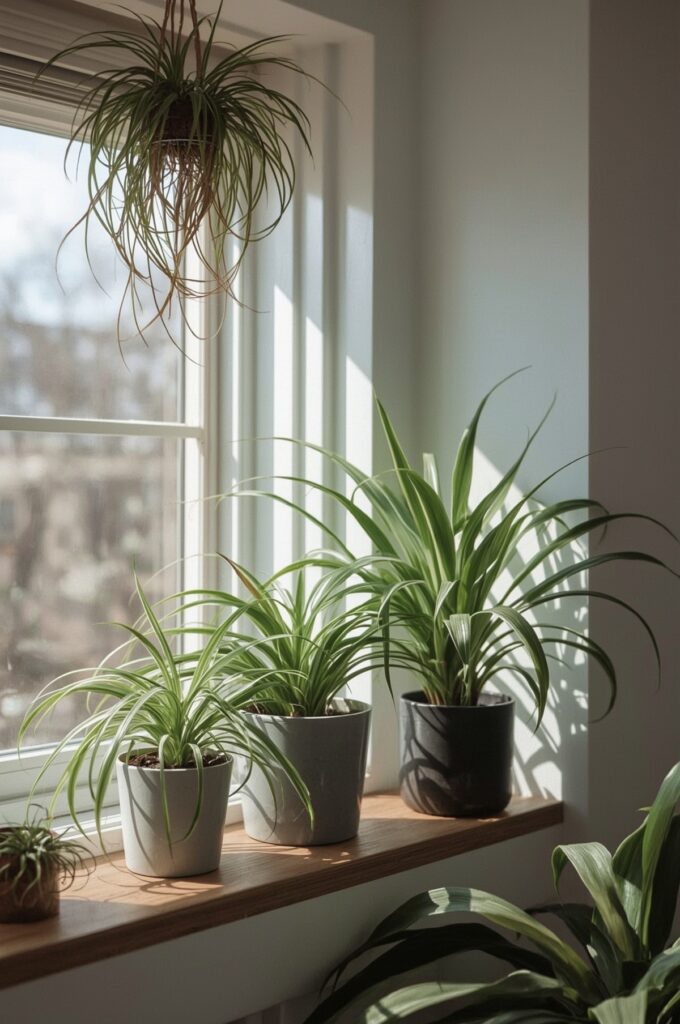
Air plants should be kept away from air conditioners and heaters, as these can dry them out quickly. Excessive heat or cold can stress the plants, so place them in an area with more stable, mild temperatures for optimal care.
25. Rotate Display Locations to Avoid Stagnant Growth
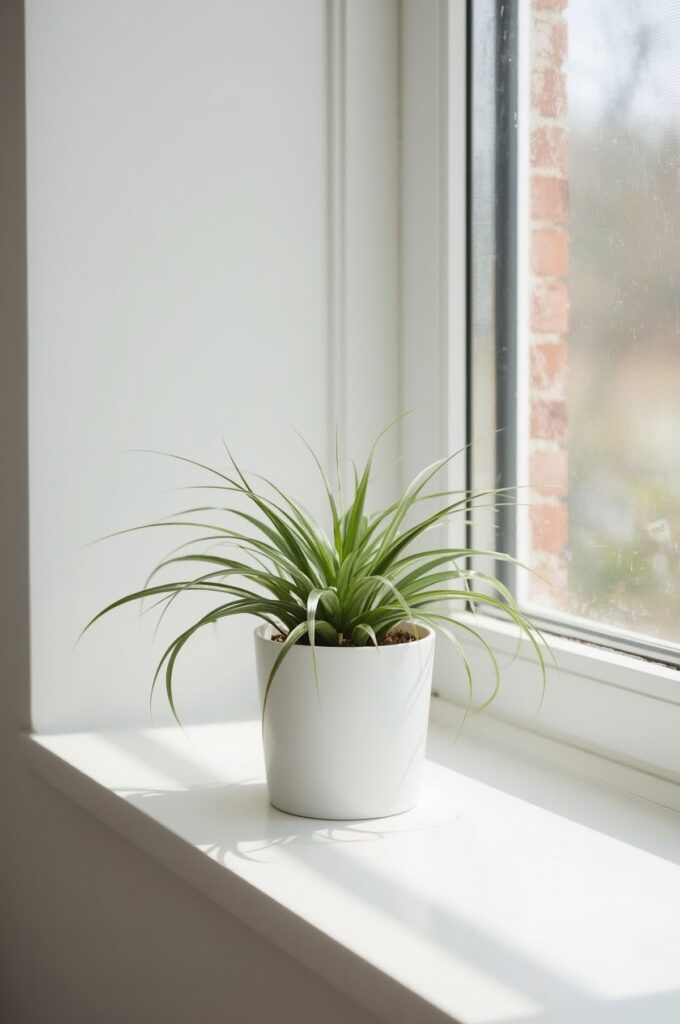
Change the location of your air plants occasionally to avoid stagnant growth. A new spot can provide different light conditions and stimulate the plant to grow more vigorously. Rotating your plants also keeps your display fresh and dynamic.
26. Add Decorative Elements like Driftwood for Visual Appeal
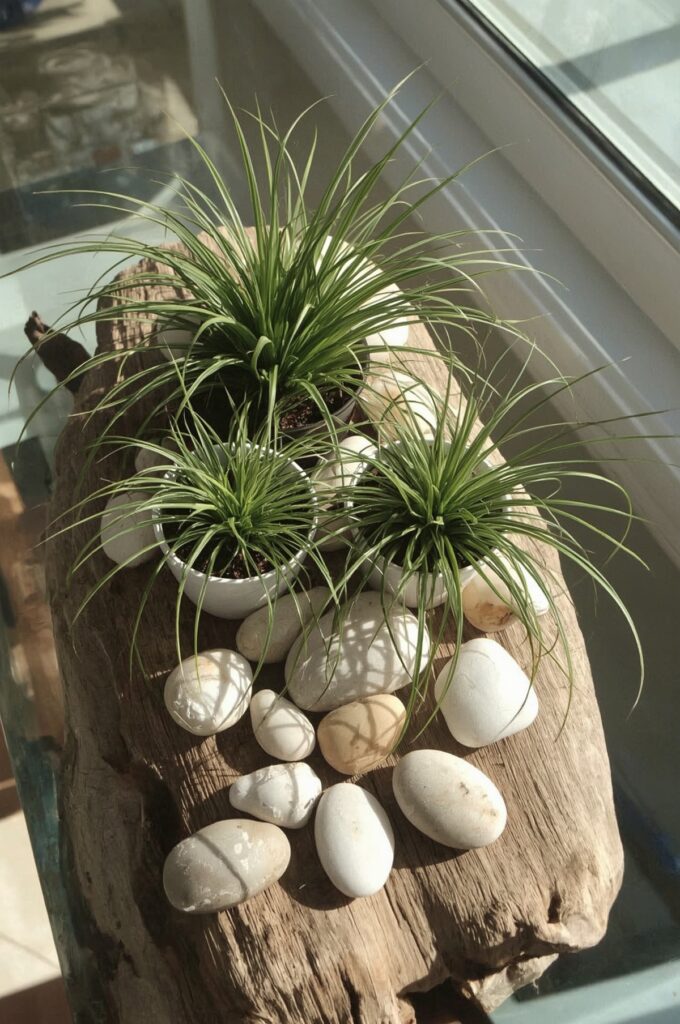
Incorporate decorative elements like driftwood, stones, or seashells around your air plants. These items complement the natural look of air plants and create an attractive display. They also provide additional surfaces for air circulation.
27. Protect Air Plants from Pests by Regularly Inspecting for Insects
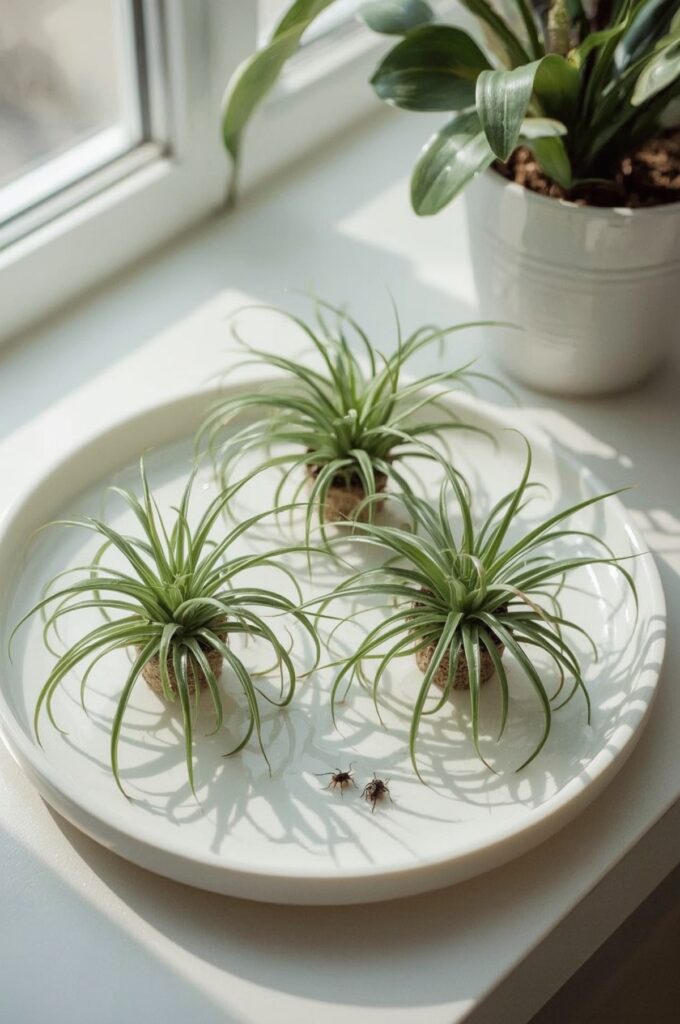
Pests such as aphids or mealybugs can sometimes infest air plants. Regularly check your plants for signs of insects and remove them manually or use a gentle insecticidal soap. Keeping pests at bay ensures your air plants stay healthy and thriving.
Conclusion:
Caring for air plants is not only easy but incredibly rewarding. By following these 27 tips, you can create a thriving environment for your plants, allowing them to flourish and enhance the beauty of your home. From proper watering and light placement to creative display ideas, each step you take will help you nurture your air plants to their full potential. Remember, with the right care, air plants can be a long-lasting and vibrant addition to your indoor garden, bringing a fresh, natural aesthetic into your living space.