
Bonsai trees are more than just plants; they are living pieces of art that bring tranquility, elegance, and a touch of nature into your home. Whether you’re a seasoned gardener or a complete beginner, caring for a bonsai can be both a rewarding and therapeutic experience. However, to keep these miniature trees thriving, it takes more than just watering and sunlight, bonsai care requires dedication, patience, and a deep understanding of their unique needs. In this article, we’ll explore 31 essential tips that will help you provide the best care for your bonsai tree, ensuring it remains healthy, beautiful, and a captivating focal point in your home.
Complete Guide to Bonsai Tree Care for Homeowners
This guide provides 31 essential and practical tips for caring for your bonsai tree, ensuring it thrives in your home environment, whether you’re a beginner or experienced gardener.
1. Watering on Time
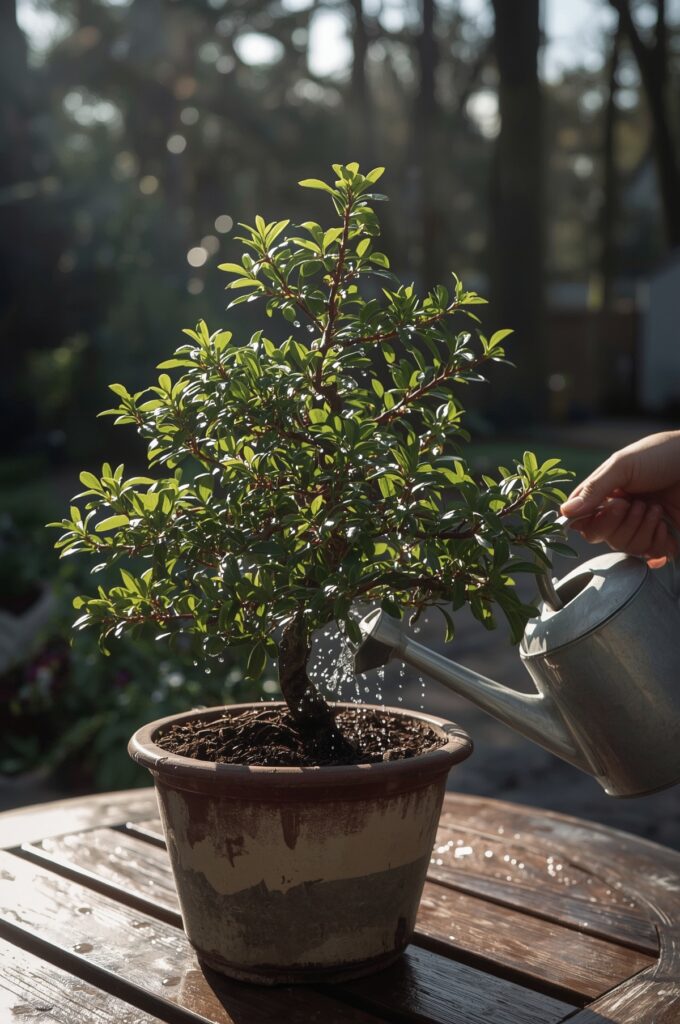
Water your bonsai when the top inch of soil feels dry. Ensure you’re not over-watering, as it leads to root rot. Consistent watering at the right time promotes healthy growth.
2. Use Room Temperature Water
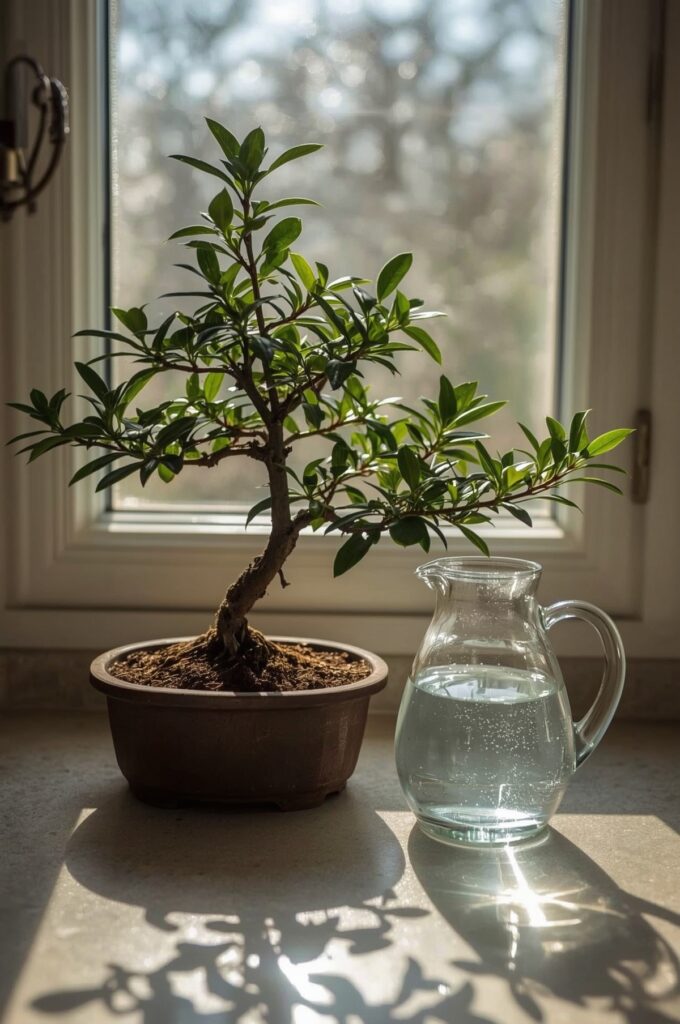
Always use room temperature water to avoid shocking the bonsai’s roots. Cold water can stress the plant, while warm water can promote faster root rot. Maintaining ideal water temperature ensures optimal health.
3. Soak, Don’t Just Spray
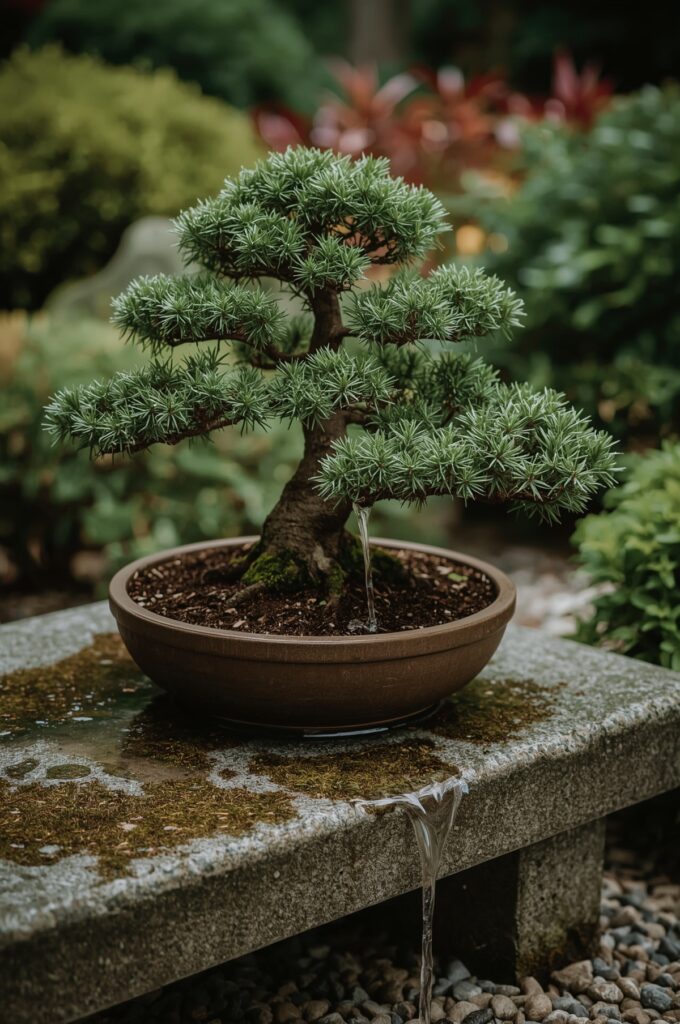
When watering, soak the entire root system thoroughly. Simply spraying the surface won’t fully hydrate the roots, which are crucial for overall health. Deep watering ensures that your tree gets the nutrients it needs.
4. Provide Bright, Indirect Light
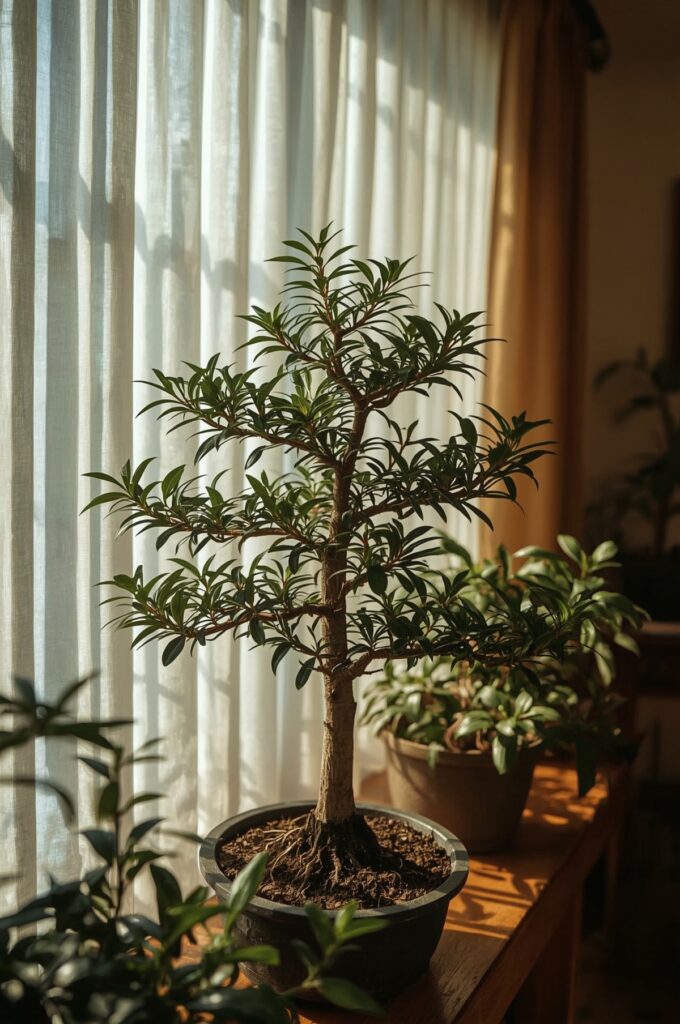
Place your bonsai in a location with bright but indirect sunlight to avoid leaf burn. Too much direct sunlight can damage the delicate leaves. Finding a spot that balances light exposure will ensure healthy photosynthesis.
5. Rotate Your Bonsai Tree
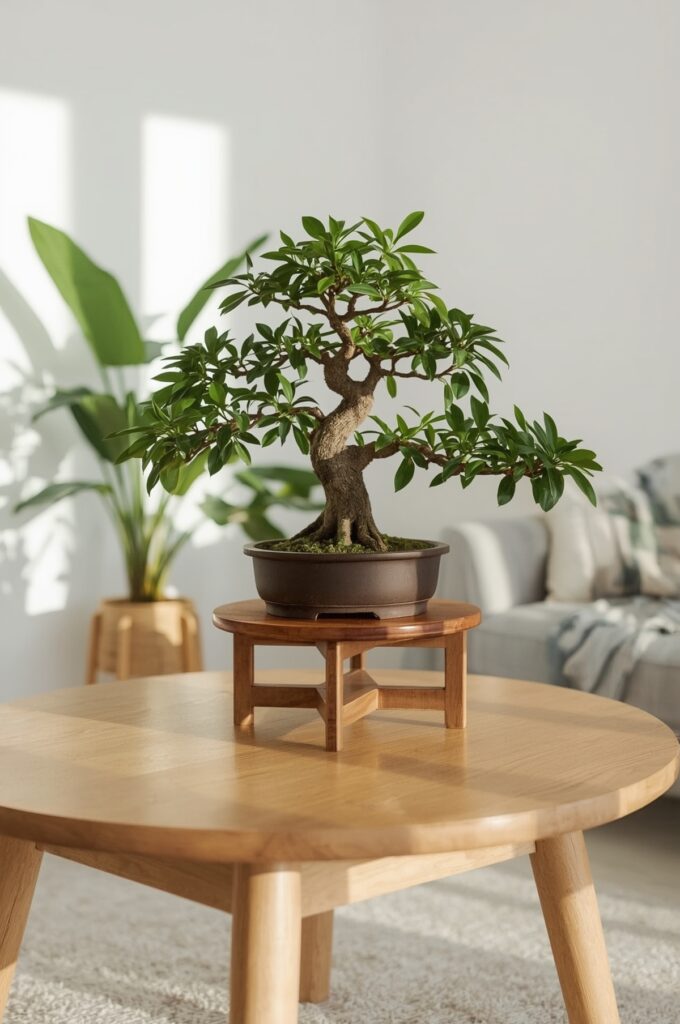
Rotate your bonsai every few days to promote even growth on all sides. This helps prevent the plant from leaning toward one direction and encourages balanced symmetry. Regular rotation keeps the tree aesthetically pleasing.
6. Avoid Direct Sunlight
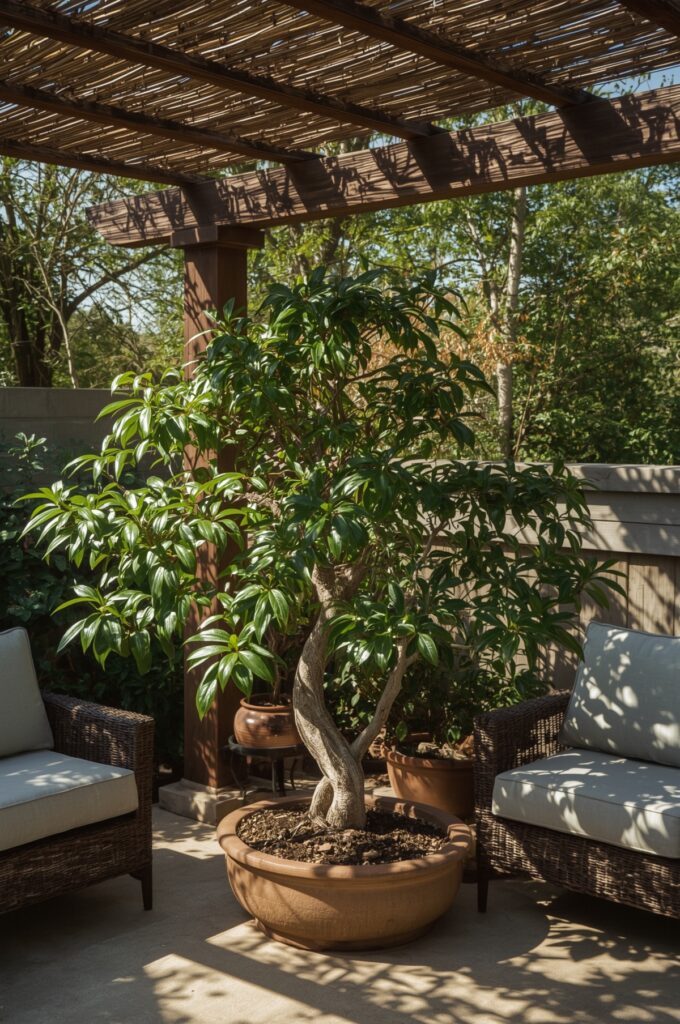
Direct sunlight can cause your bonsai to dry out quickly, stressing the plant. Instead, place it where it receives filtered light or partial shade. This will help maintain moisture levels and promote steady growth.
7. Choose the Right Soil Mix
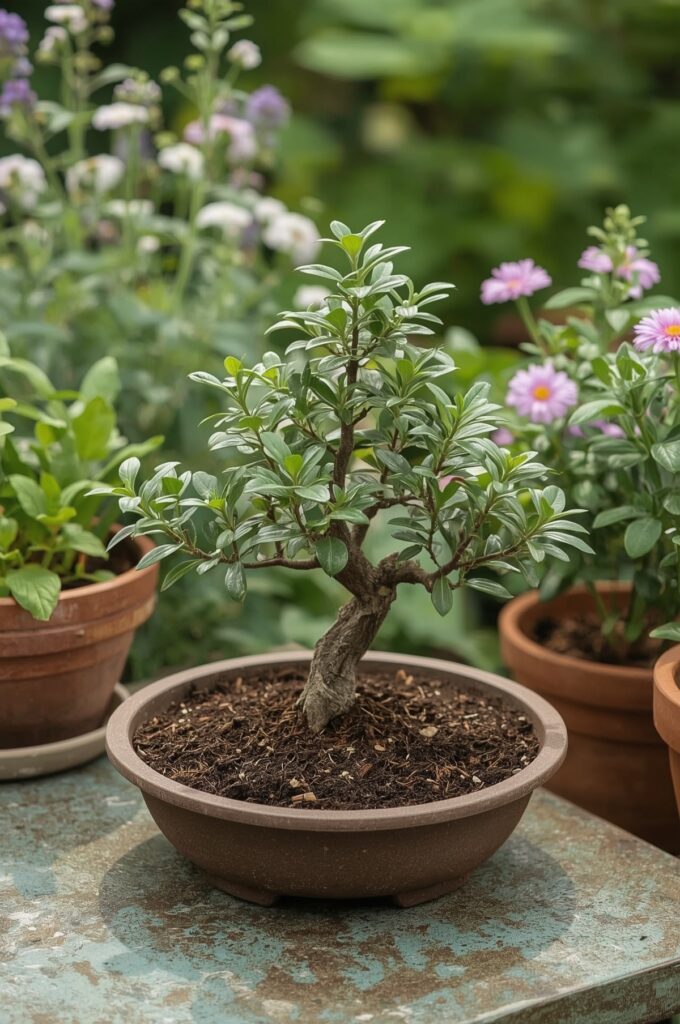
Use a well-draining soil mix, specifically designed for bonsai trees. The right soil ensures that excess water flows away while retaining enough moisture. Proper soil helps prevent root rot and encourages healthy root growth.
8. Fertilize During Growing Season
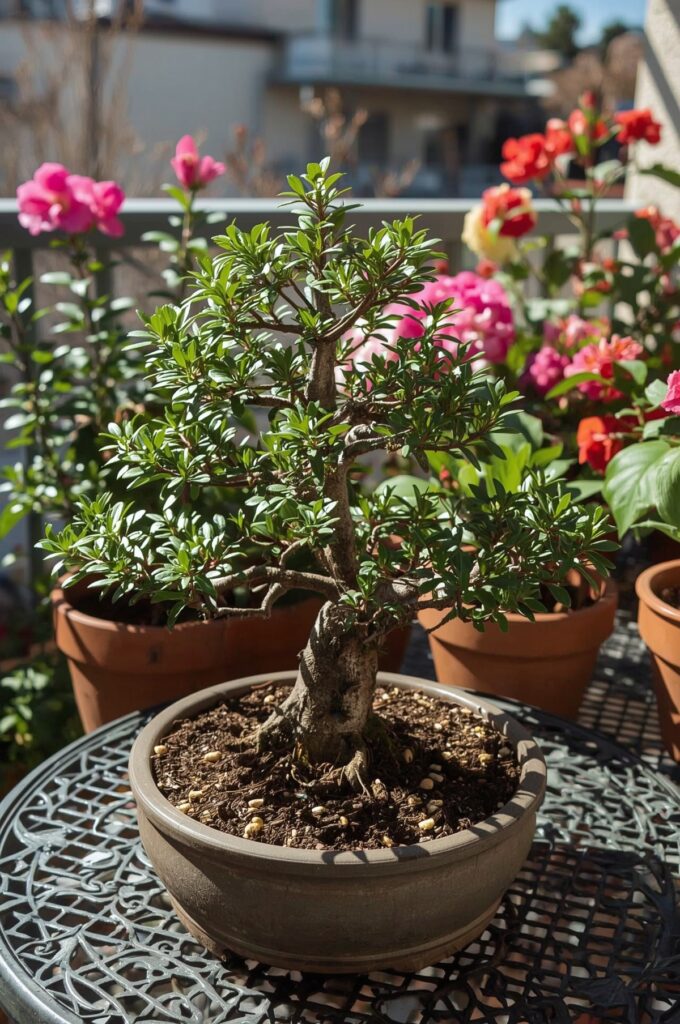
During the growing season (spring and summer), feed your bonsai with balanced fertilizer. Apply every two weeks to ensure your tree has the nutrients it needs. Over-fertilizing can harm the roots, so stick to the recommended schedule.
9. Slow-Release Fertilizer for Convenience

Consider using slow-release fertilizers for more consistent care. These fertilizers gradually release nutrients over time, reducing the need for frequent applications. It’s a hassle-free way to ensure your bonsai remains nourished.
10. Keep Temperature Stable
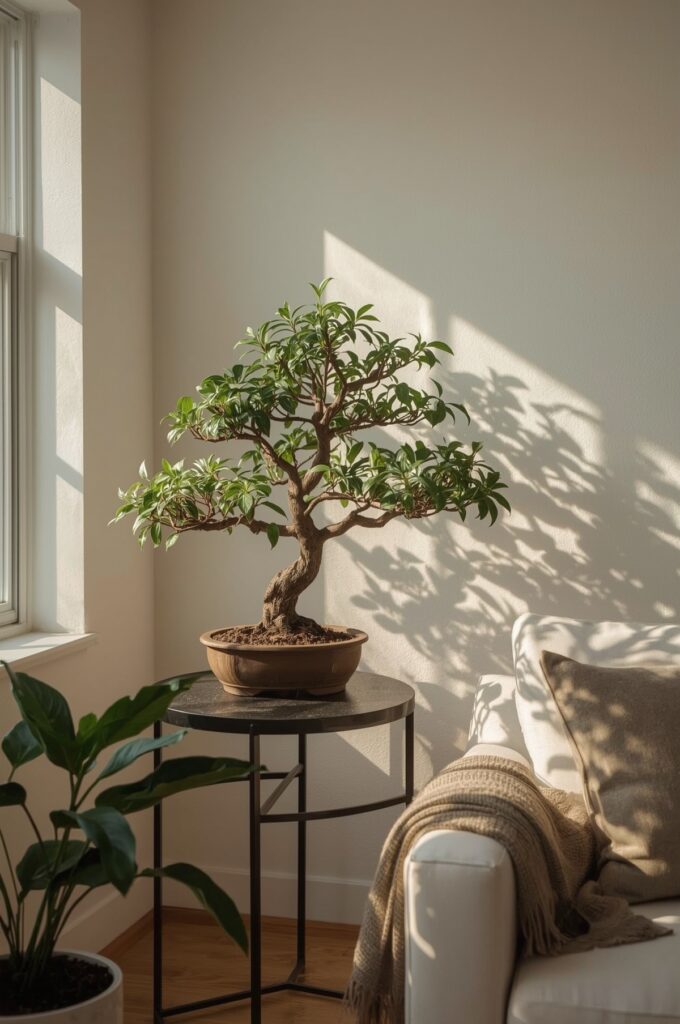
Bonsai trees thrive in temperatures between 50°F and 75°F (10°C to 24°C). Avoid placing them near windows with drafts or areas with extreme temperature fluctuations. Keeping the temperature stable helps your bonsai stay healthy year-round.
11. Use a Humidity Tray
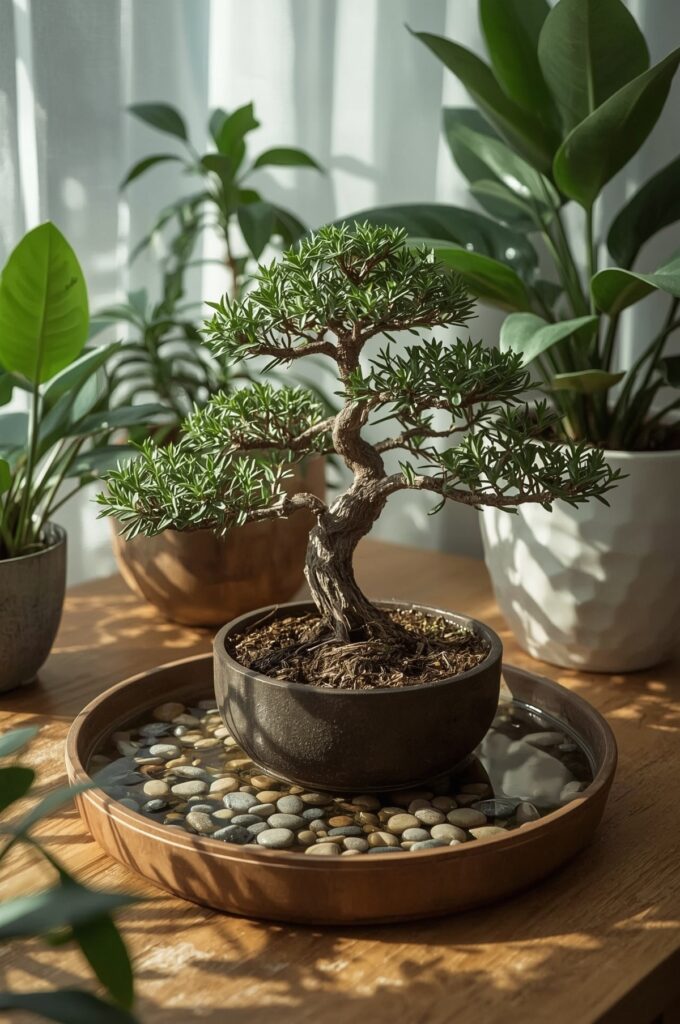
To increase humidity, place your bonsai on a humidity tray filled with pebbles and water. This helps maintain a stable moisture level around the plant, especially in dry climates. A humidity tray is an easy fix to boost your tree’s health.
12. Avoid Air Conditioning
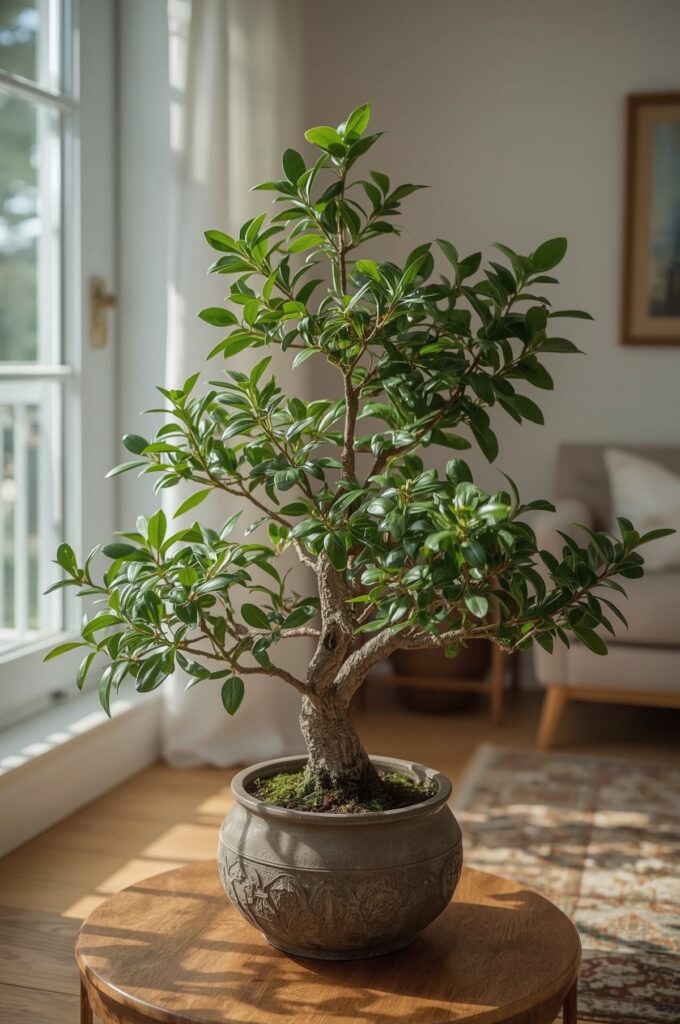
Keep your bonsai away from air conditioning units, as cold, dry air can dehydrate it. Excessive dry air can cause leaf drop and stress. Make sure your bonsai has a stable, humid environment for the best results.
13. Prune Regularly
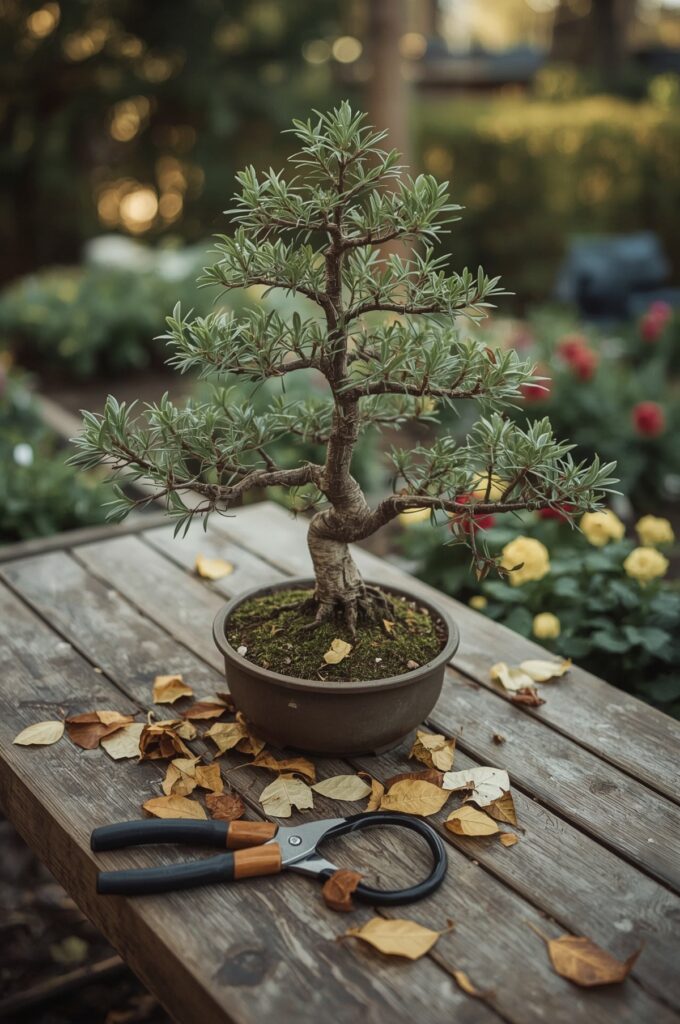
Pruning your bonsai encourages new growth and keeps it well-shaped. Remove dead, yellowing leaves and unwanted branches regularly. This practice not only keeps the plant healthy but also helps maintain its aesthetic form.
14. Use Bonsai Wire for Styling
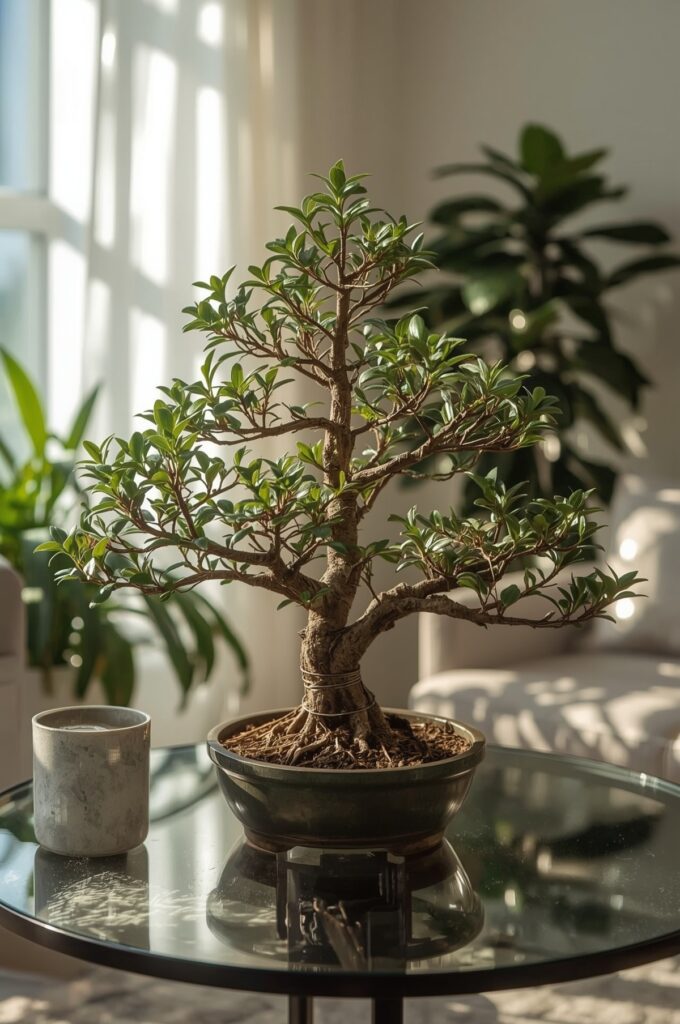
Bonsai wire can help you shape the tree by gently wrapping it around branches. This technique encourages the tree to grow in the desired direction without harming it. It’s a useful tool for styling and adding unique features to your bonsai.
15. Remove Yellowing Leaves
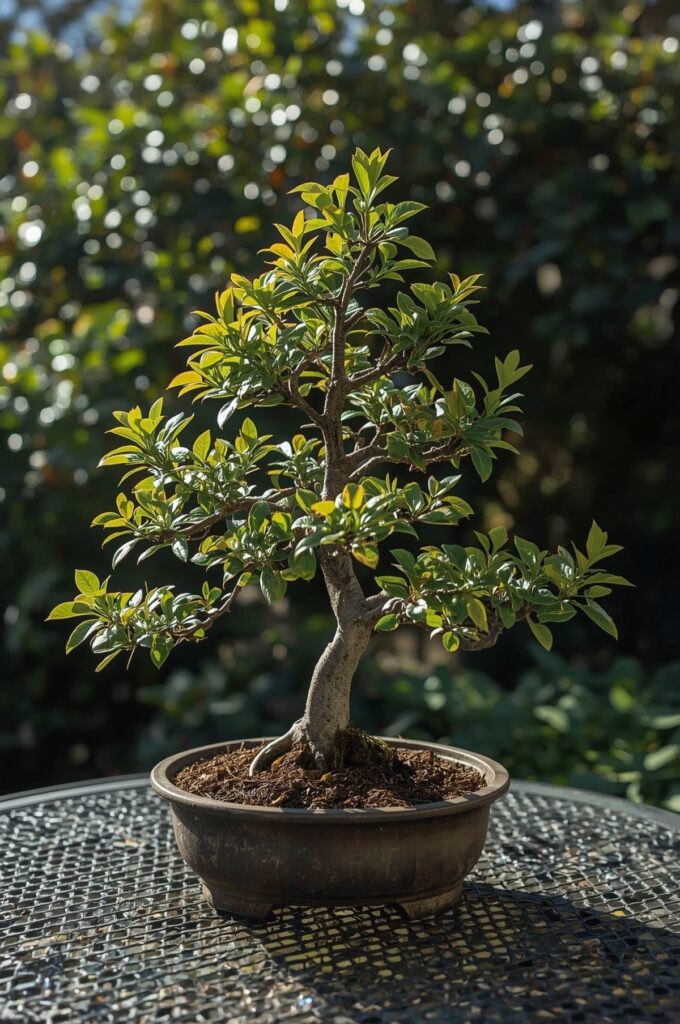
If leaves turn yellow, it’s a sign of stress. Remove them promptly to prevent disease and allow new growth to flourish. This will also help the tree focus its energy on healthy leaves and branches.
16. Monitor for Pests
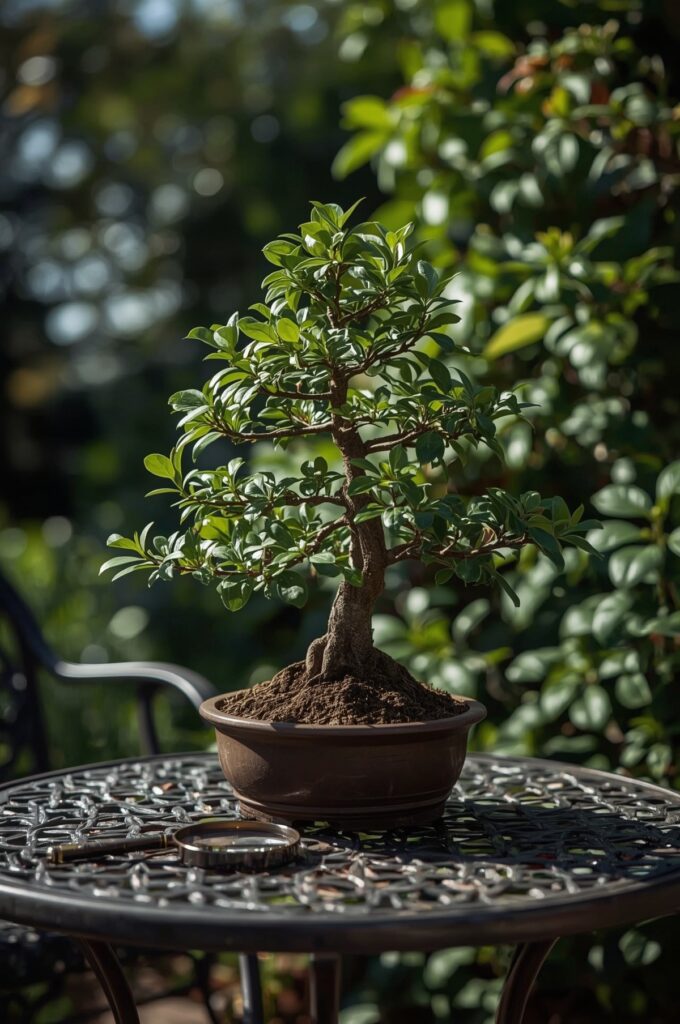
Check your bonsai regularly for pests like aphids, spider mites, or scale insects. If you notice any, treat the tree with neem oil or other natural remedies. Early detection ensures your bonsai stays free from harmful pests.
17. Check for Root Rot

Root rot often occurs when the bonsai is overwatered. Check the roots periodically for any signs of rot, like a foul smell or mushy texture. If rot is detected, prune the affected roots and adjust your watering schedule.
18. Repot When Necessary
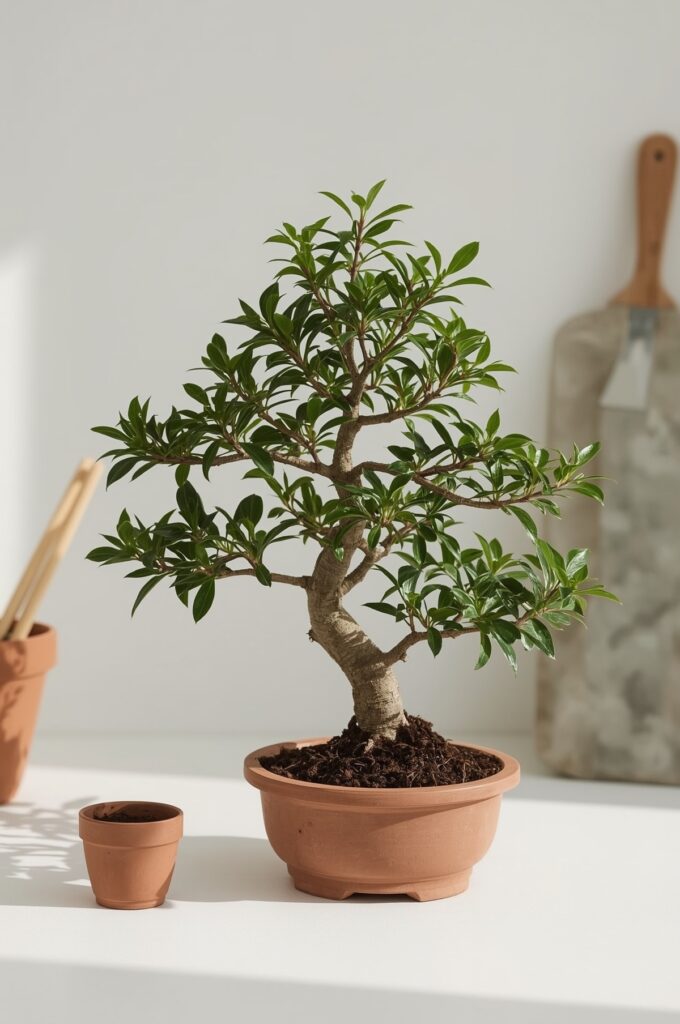
Repot your bonsai every two to three years to refresh the soil and provide space for growing roots. This also allows you to inspect the roots for any health issues. Repotting ensures your bonsai has plenty of room to thrive.
19. Winter Care for Indoor Bonsai
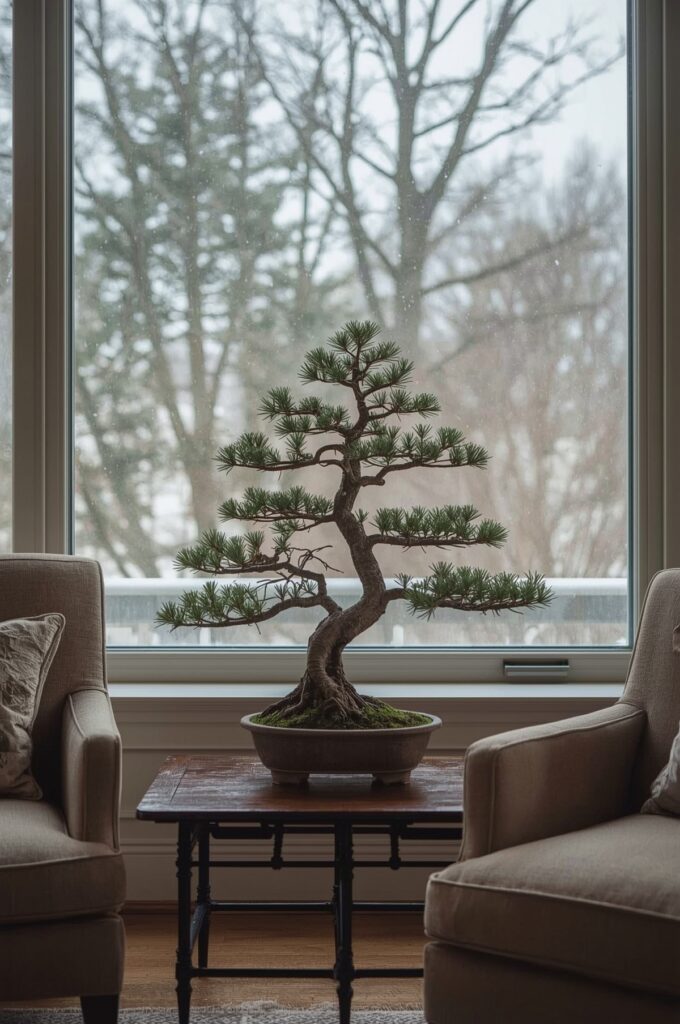
During winter, reduce watering and move your indoor bonsai to a cooler area. Indoor bonsai trees need rest during the dormant season. A stable, cooler environment helps them conserve energy and prepare for the next growing season.
20. Protect from Frost
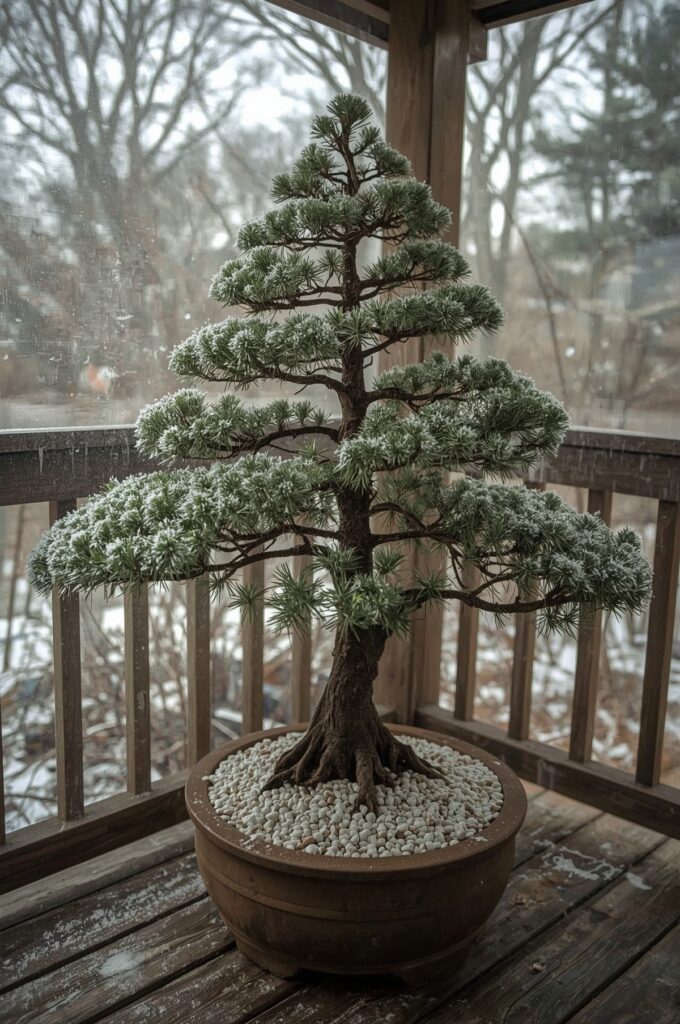
If your bonsai is kept outdoors, make sure to protect it from frost. Bring it indoors or place it in a sheltered area where it won’t be exposed to freezing temperatures. Cold temperatures can severely damage the tree’s health.
21. Summer Care for Bonsai
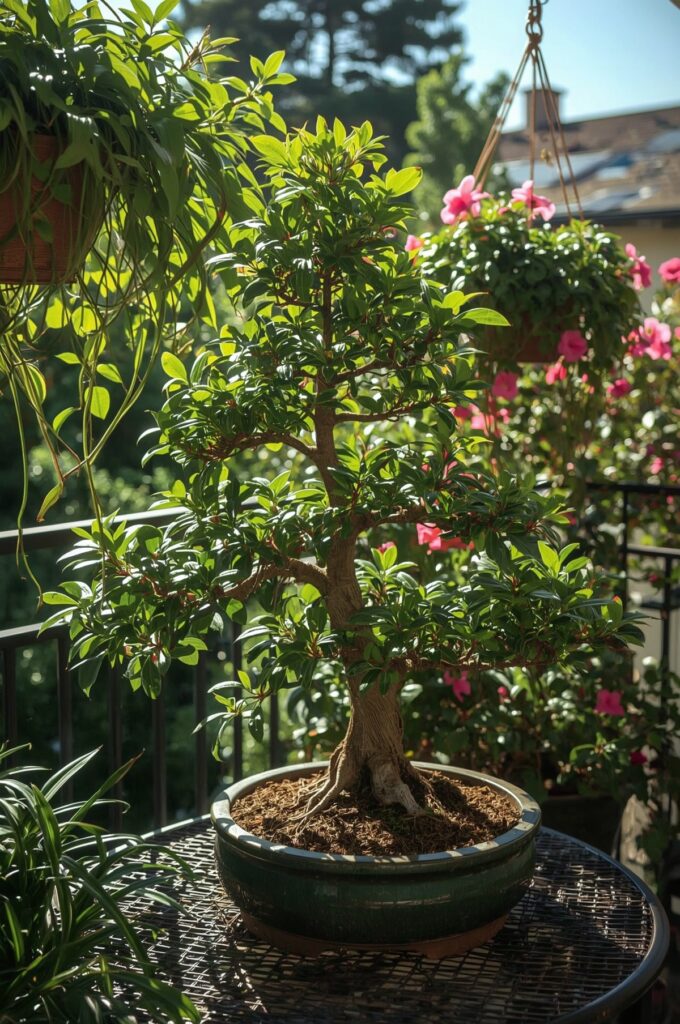
In summer, your bonsai will need more frequent watering due to warmer temperatures. Be sure to keep it in a location with proper air circulation to avoid heat stress. A little extra attention will ensure your tree thrives during the hot months.
22. Ficus Bonsai Tree Care
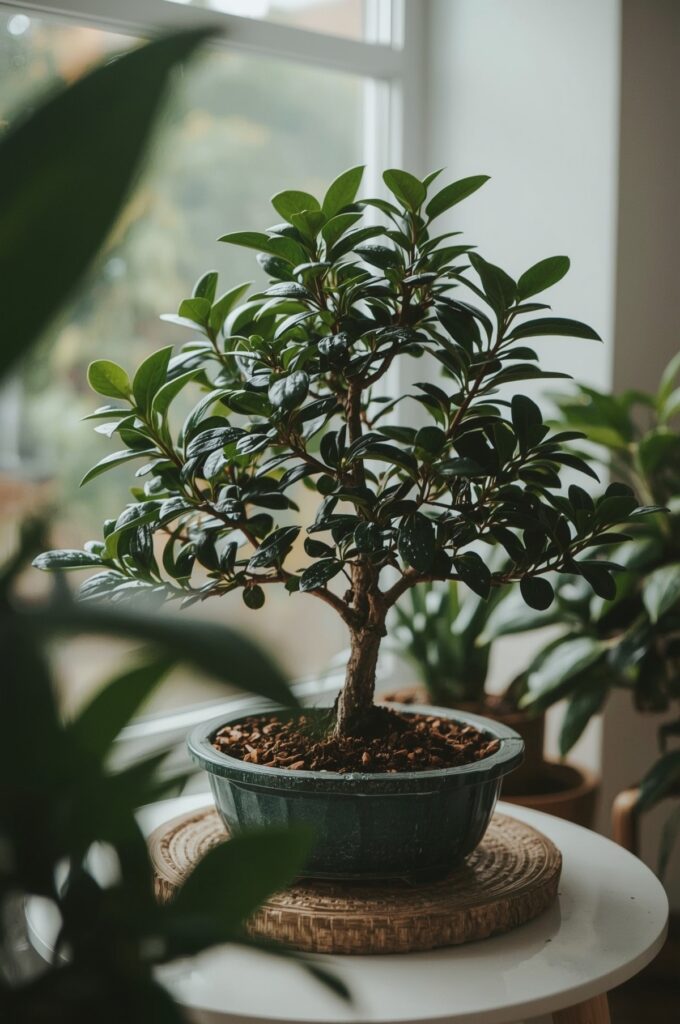
Ficus bonsai trees prefer bright light and higher humidity. Mist them regularly to provide the humidity they need. This species is perfect for beginners as it adapts well to indoor conditions and is resilient.
23. Pine Bonsai Care
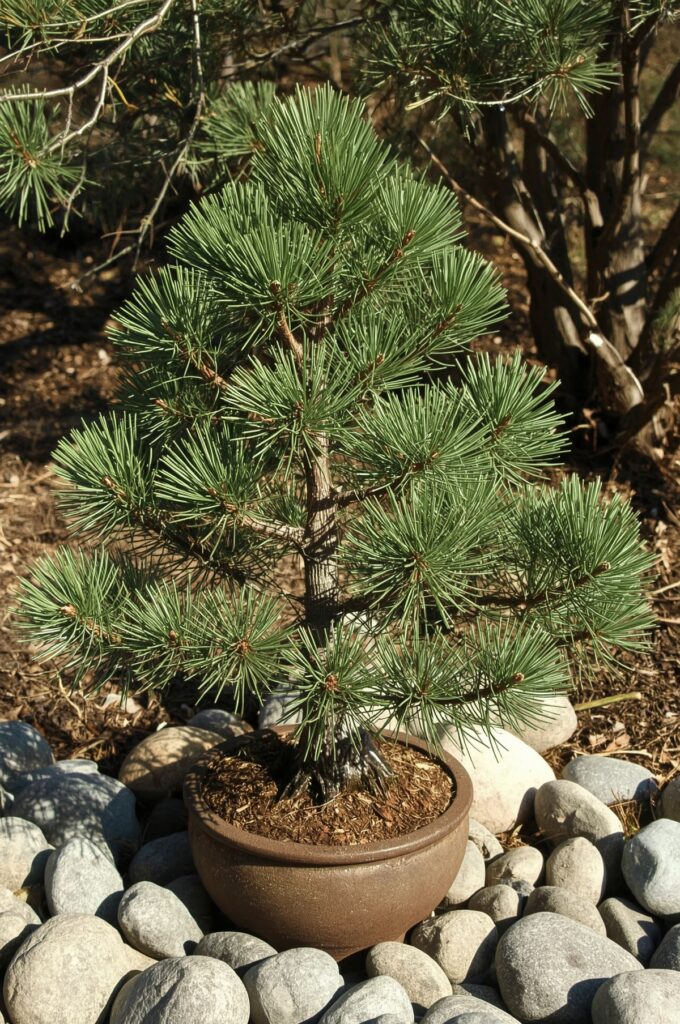
Pine bonsai trees thrive in full sunlight and need well-draining soil. Water deeply but sparingly to prevent root rot. Regular pruning ensures that your pine bonsai remains in its desired shape.
24. Juniper Bonsai Care
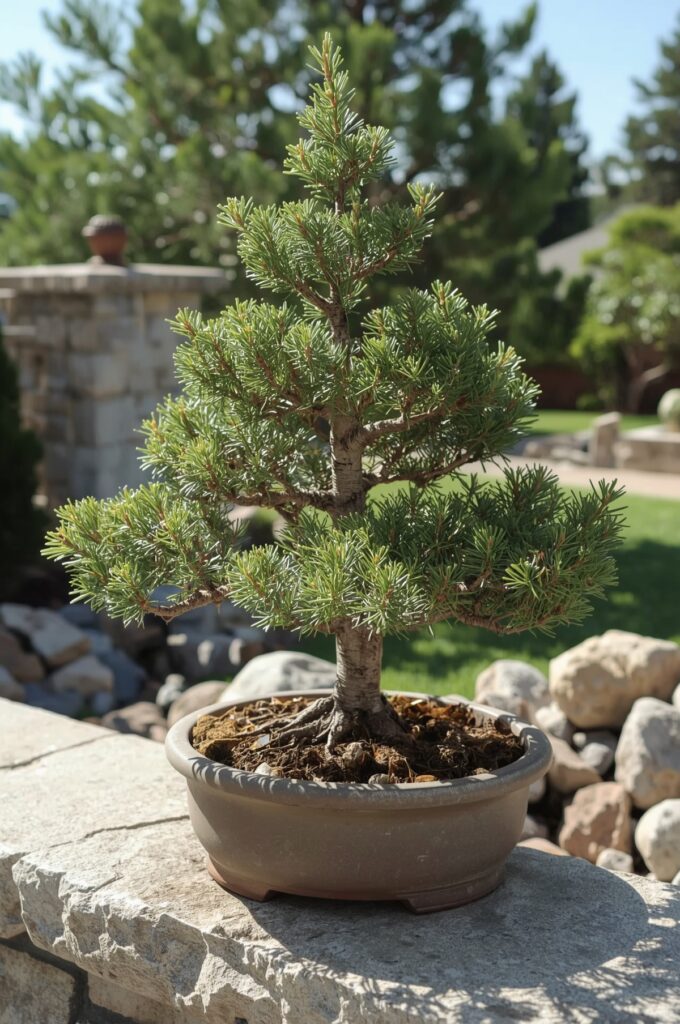
Juniper bonsai trees need a cool environment with direct sunlight. Water them deeply but infrequently, allowing the soil to dry out between waterings. This hardy species requires minimal attention but benefits from regular shaping.
25. Root Over Rock Style
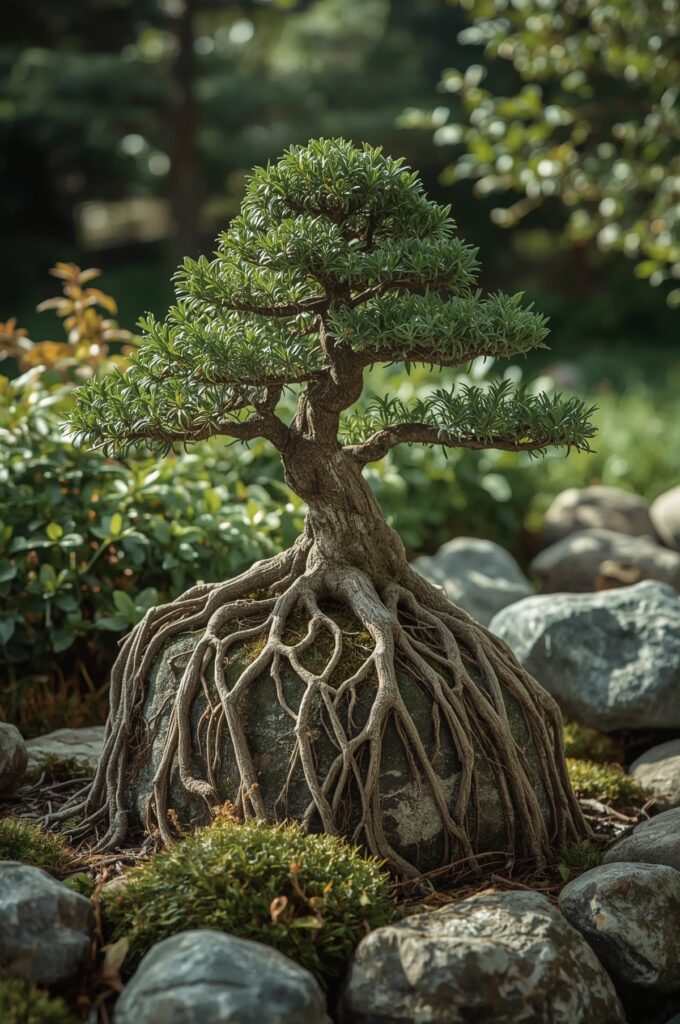
This bonsai style places the tree’s roots over a rock, creating a stunning natural look. The roots will grow and spread across the rock, adding visual interest. It’s a beautiful and dramatic way to display your bonsai’s growth.
26. Formal Upright Style
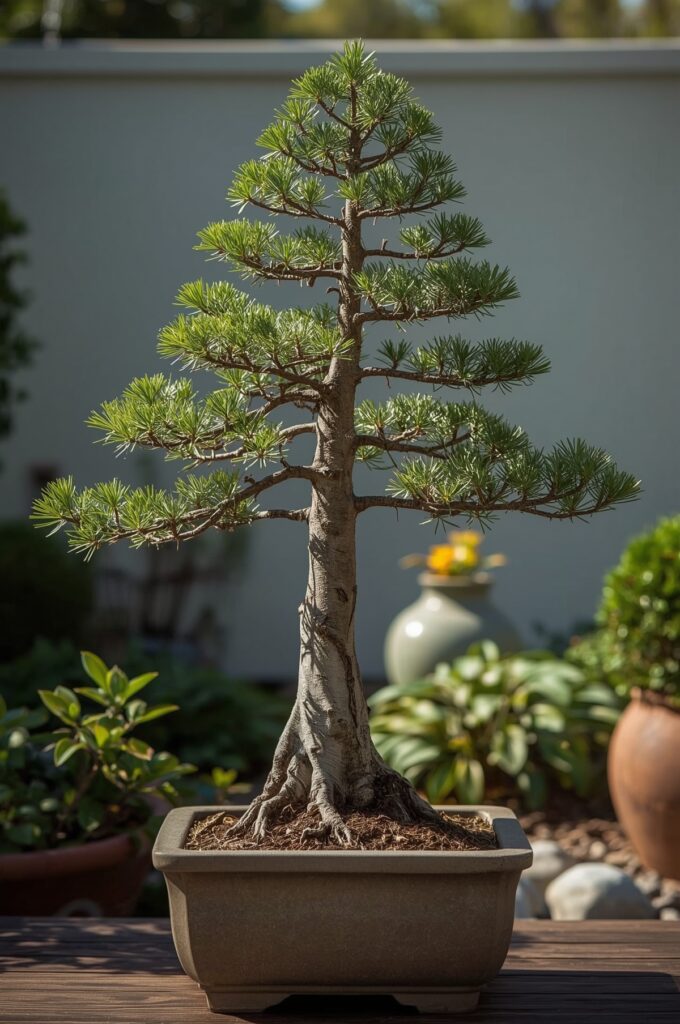
In the formal upright style, the trunk grows straight up with well-pruned branches. This classic bonsai style represents strength and simplicity. Regular pruning and shaping help maintain the upright form.
27. Cascade Style
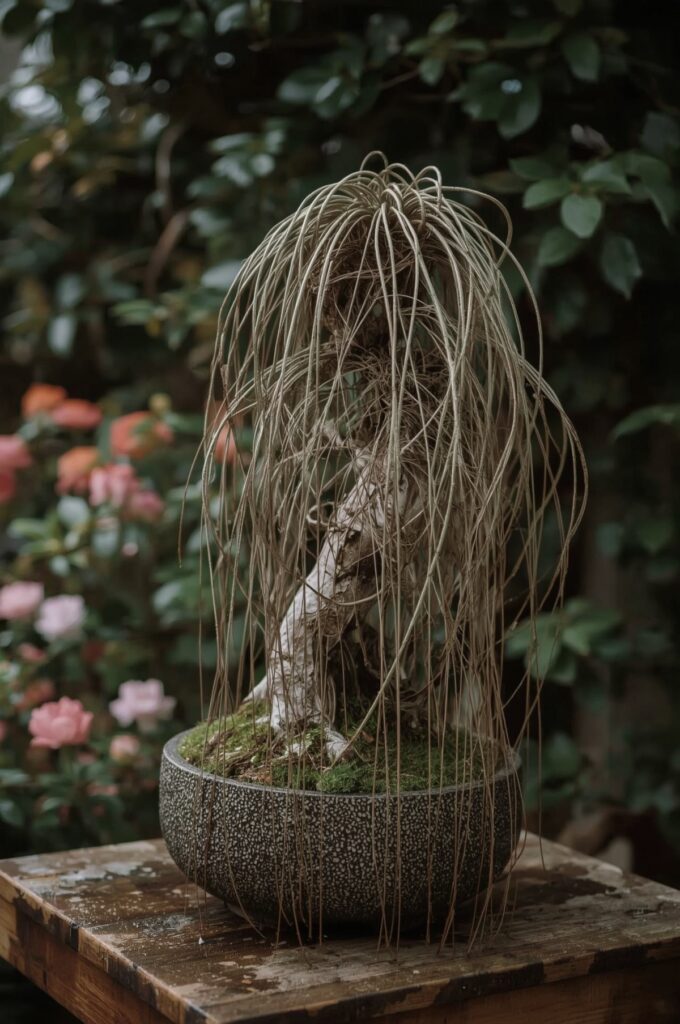
The cascade style features branches that grow downward, creating a waterfall effect. This dramatic style works best with trees like pines or junipers. Proper wiring and pruning ensure that the tree grows in the desired cascading direction.
28. Make a Bonsai Forest
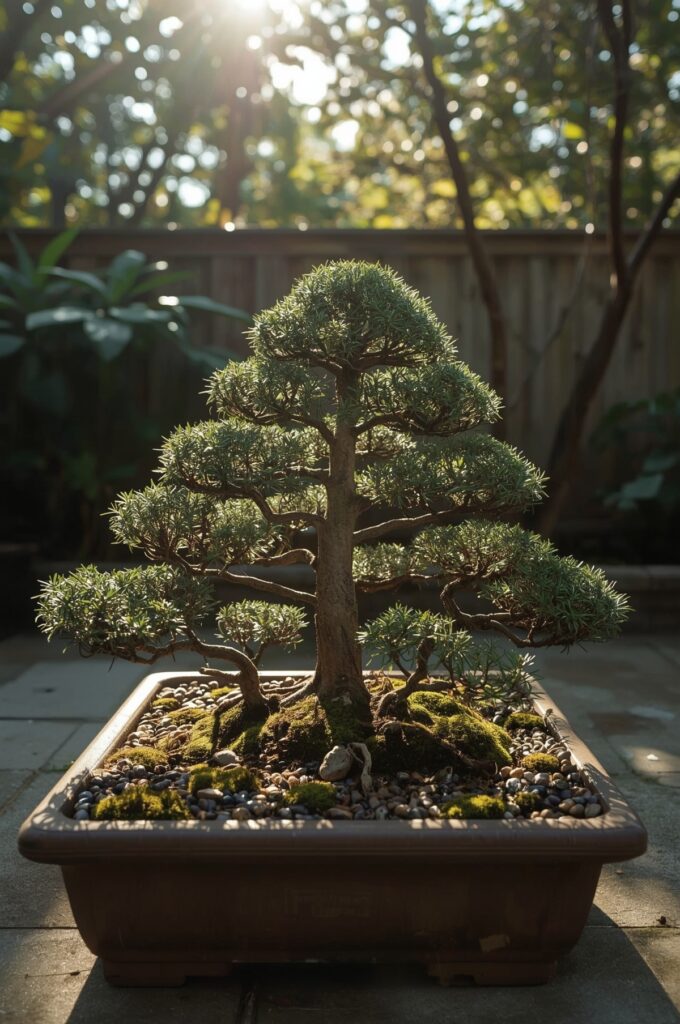
A bonsai forest is created by planting multiple bonsai trees in a single pot, mimicking a natural woodland scene. Choose trees of similar species for uniform growth. It’s a beautiful and unique way to display your bonsai collection.
29. Create Bonsai from Seed
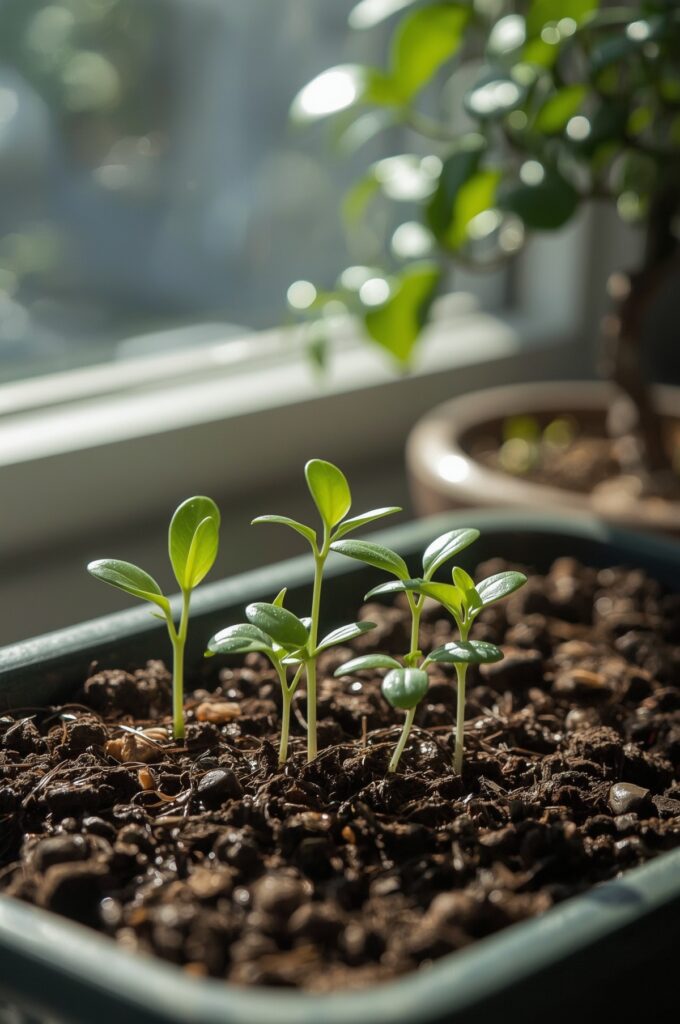
Growing a bonsai from seed is a rewarding but long-term project. Start by planting seeds in a well-draining soil mix and be patient. Over time, with proper care, you can grow your own miniature tree from scratch and place it in patio or as per your requirements.
30. Repurpose Containers as Bonsai Pots
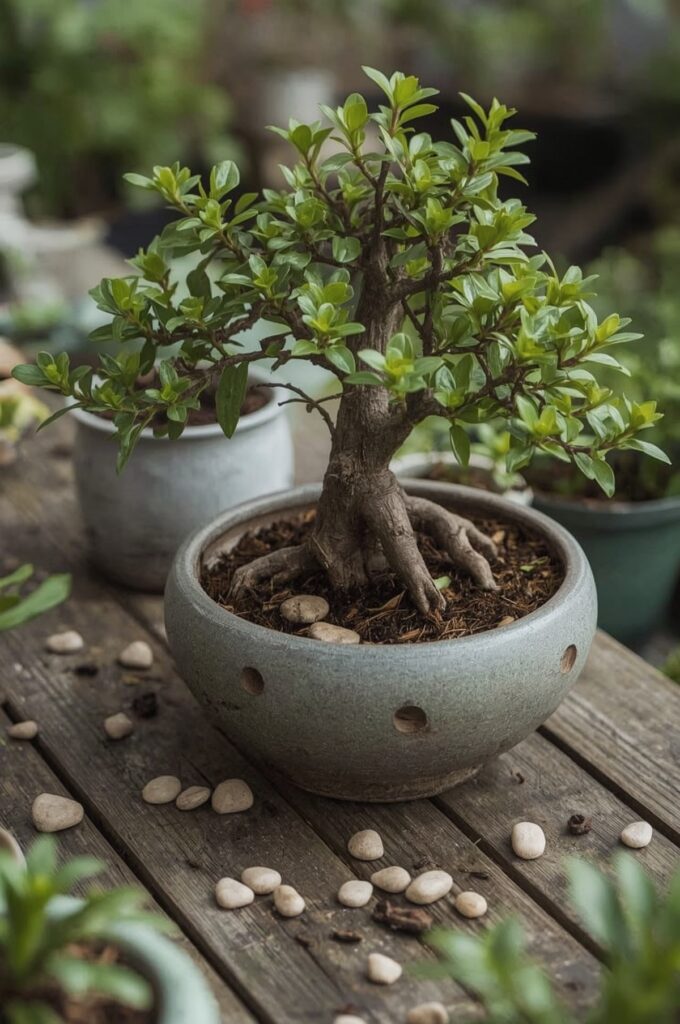
Get creative by repurposing small containers like ceramic bowls or wooden boxes as bonsai pots. Make sure they have proper drainage holes. This DIY approach adds personality to your bonsai while making use of items you already have.
31. When Your Bonsai Leaves Turn Brown
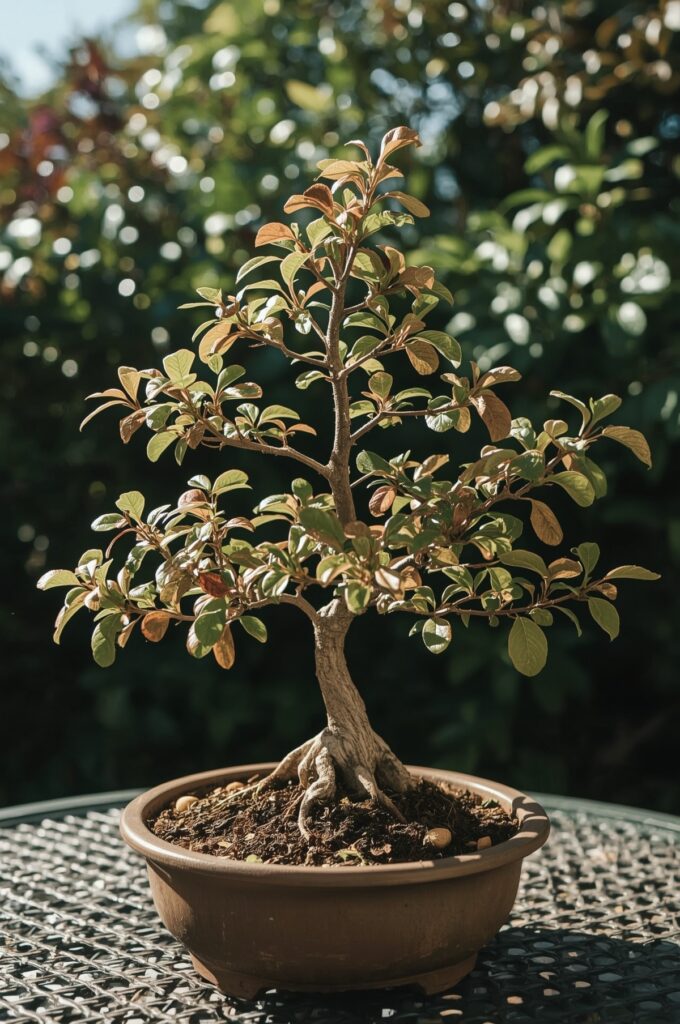
Brown leaves often signal overexposure to sunlight or irregular watering. Assess the plant’s environment and adjust accordingly. Regularly inspect your bonsai to spot any issues early and ensure healthy growth.
Conclusion:
Caring for a bonsai tree can be a deeply satisfying journey, transforming your space and offering you the opportunity to nurture something unique and beautiful. By following these 31 tips, you can ensure your bonsai tree not only survives but flourishes in your home environment. From watering and pruning to styling and troubleshooting, each step you take will bring you closer to mastering the art of bonsai care. Remember, patience is key, and with the right care, your bonsai will continue to grow, evolve, and inspire for years to come.