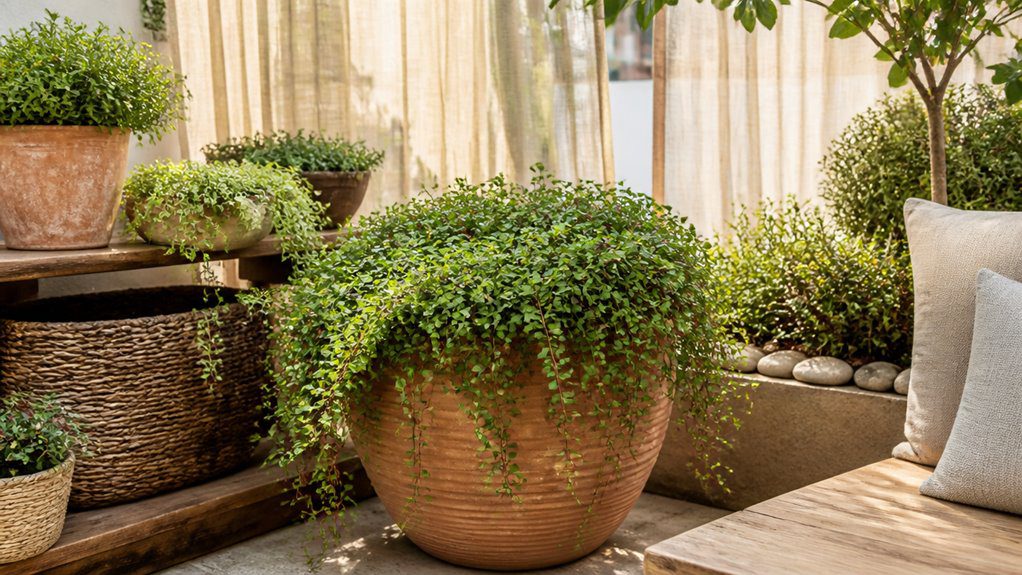
Did you know that a well-chosen ground cover can reduce weed growth by up to 90%? Despite their small size, these plants pack a punch by hiding bare patches, preventing soil erosion, and creating a lush visual effect. Whether you have shady corners or sunny slopes, there’s a perfect match for your space. Curious about which ground covers fit your garden’s needs and how they can make gardening easier? Keep going , you might just find your new favorite plant.
What Are Ground Cover Plants and Why Use Them?
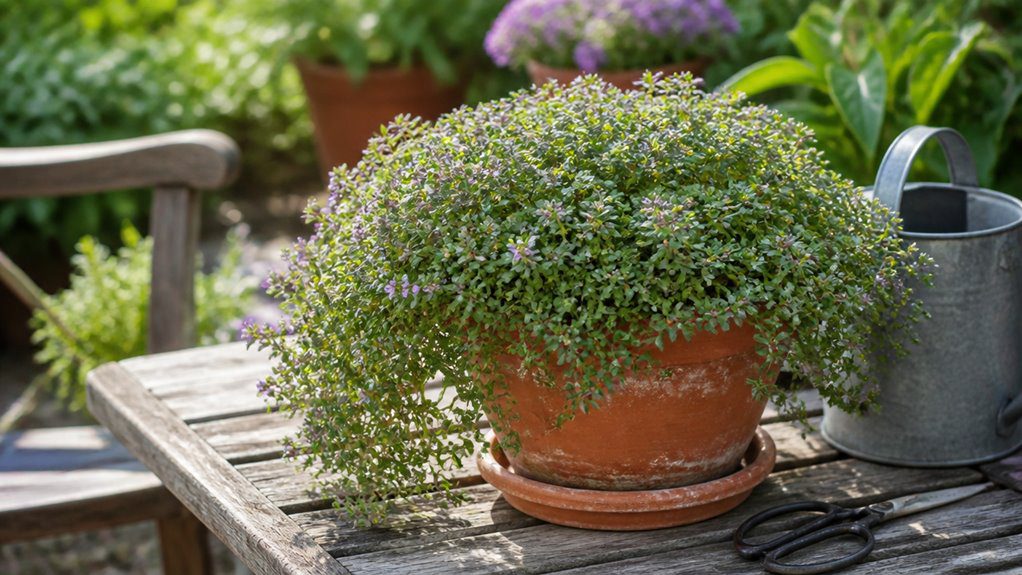
Ground cover plants are low-growing plants that spread across the soil, and they do a great job of filling in empty spots in your garden. They’re safe and smart choices for filling gaps, controlling weeds, and protecting against erosion. Use ground cover to add texture and color, along paths, slopes, or bare spots. It’s a simple way to boost your garden’s beauty. Additionally, selecting plants with air-purifying properties can improve your garden’s overall environment and health. Incorporating plants that are easy to care for can also make maintenance more manageable for plant parents.
How to Choose the Right Ground Cover for Your Garden Conditions
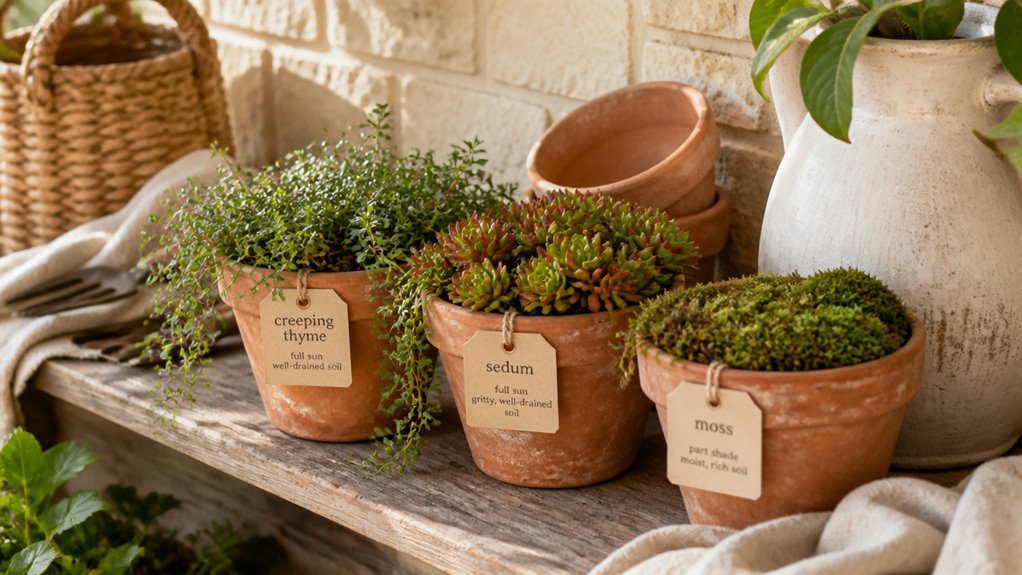
Before choosing a ground cover, think about your garden’s conditions. Pick ground covers that match your hardiness zone, sunlight, soil, and water. For busy spots, choose durable options like creeping thyme. In hot, dry areas, go for drought-tolerant ground covers like sedum or blue chalksticks. Always match the plant’s size and needs to your garden’s style. Incorporating plant care tips can help ensure your ground covers thrive in their designated spots. Additionally, understanding humidity management can aid in selecting plants that will flourish under specific environmental conditions.
Top Low-Maintenance Groundcovers That Grow With Less Care
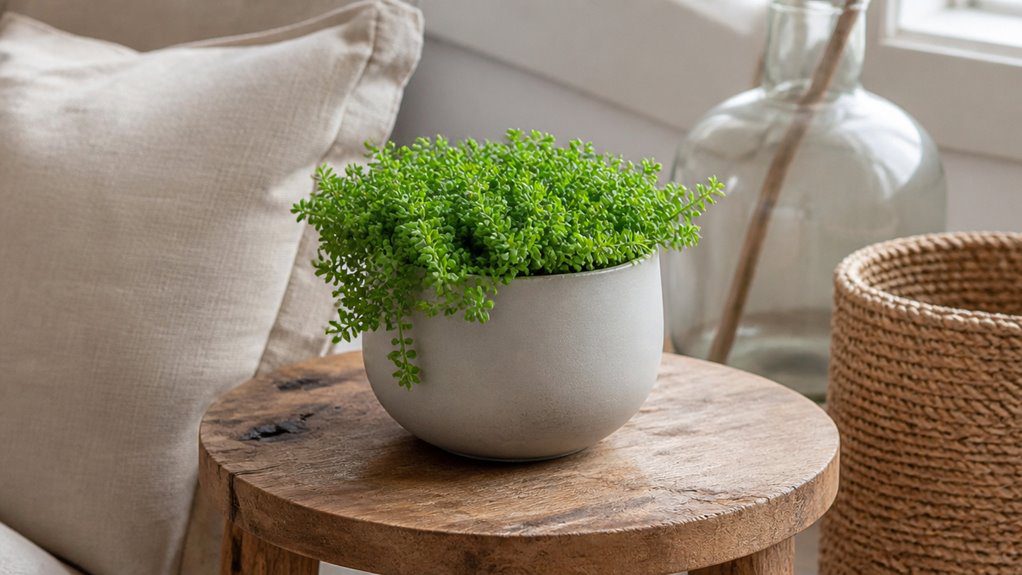
If you want your garden to look good with less work, try low-maintenance groundcovers. Plants like clover, creeping thyme, sedum, and ice plant need little water or care. They spread quickly, shade out weeds, and stay green all year. Pick hardy options suited for your climate to enjoy a beautiful, fuss-free yard with minimal effort.
Best Ground Covers That Naturally Suppress Weeds
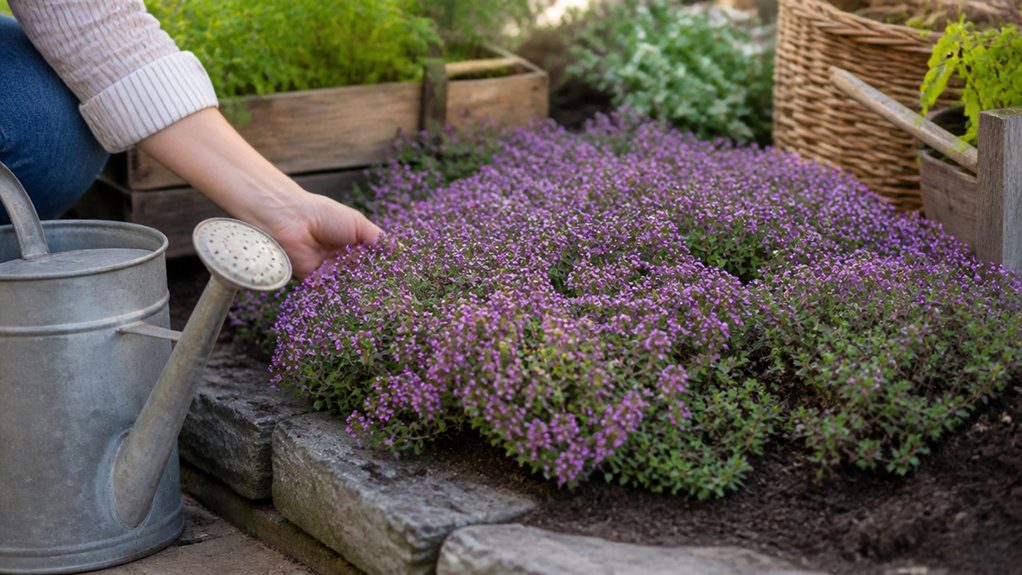
Choosing the right ground covers can do wonders for your garden by naturally stopping weeds in their tracks. Groundcovers like clover, sedge, thyme, and frog fruit create thick mats that block sunlight and space for weeds. They’re hardy, drought-tolerant, and keep soil covered, making it harder for weeds to take hold, so your garden stays neat and safe.
Erosion Control Groundcovers for Slopes and Vulnerable Areas
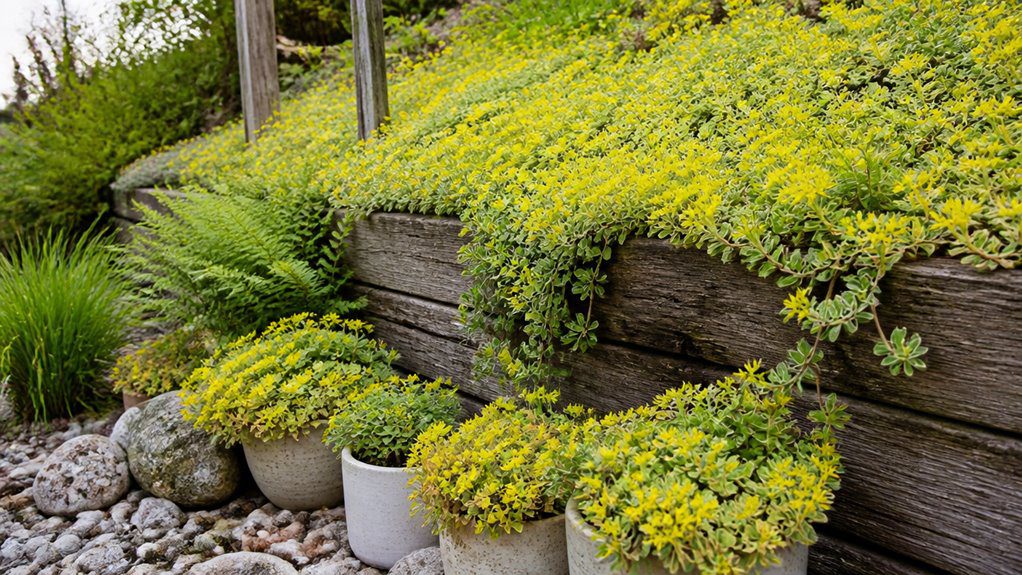
Erosion control groundcovers are your garden’s best friends when it pertains to keeping slopes stable. They have strong, deep roots that hold soil tight and prevent runoff. Native plants like Carex sedges and ferns work well, especially on steep or shoreline areas. Plant in staggered rows and skip loosening soil for extra erosion control magic!
Shade-Tolerant Groundcovers to Brighten Dark Corners
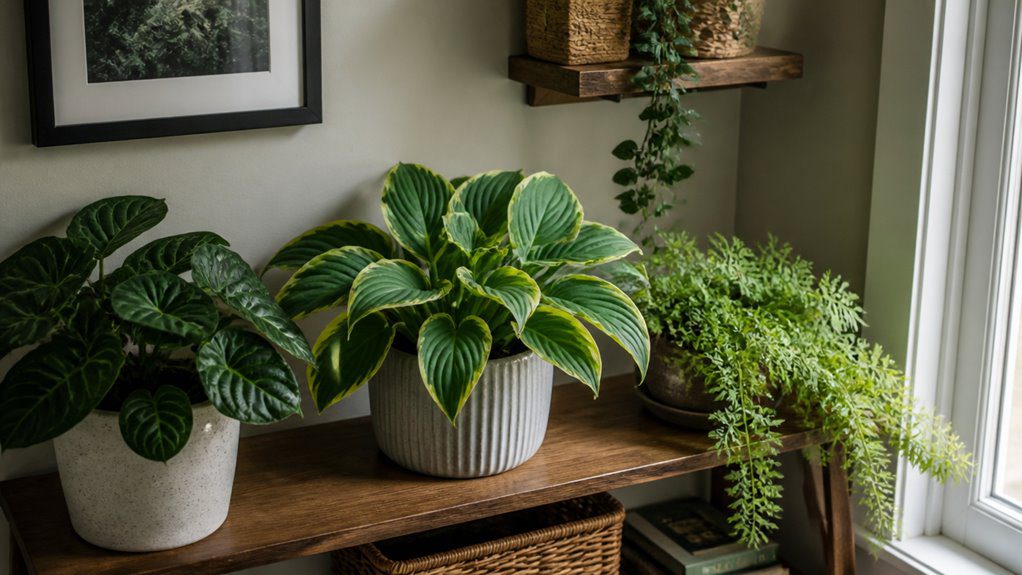
Dark corners in your garden can feel gloomy, but shade-tolerant groundcovers can brighten them up easily. Plants like Jack Frost Brunnera and Ice Dance Japanese Sedge thrive in shady spots, offering attractive foliage and subtle flowers. They need little care, stay green year-round, and add fun textures and colors to make your shaded area inviting and safe.
Sunny and Drought-Tolerant Groundcovers for Hot Climates
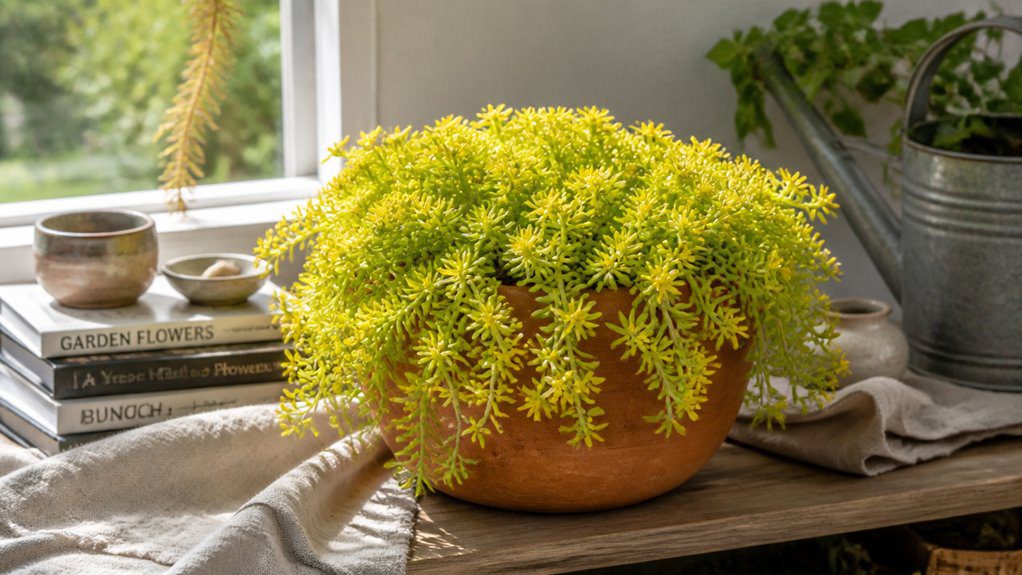
If your garden gets lots of sun and stays dry, don’t worry, there are drought-tolerant groundcovers for hot climates. Try sedum or blue chalksticks, which need little water and love full sun. Creeping phlox and ice plant flourish in rocky soils, spreading quickly to cover ground and keep weeds out. These plants keep your yard vibrant and low-maintenance.
Evergreen Groundcovers That Keep Your Garden Green Year-Round
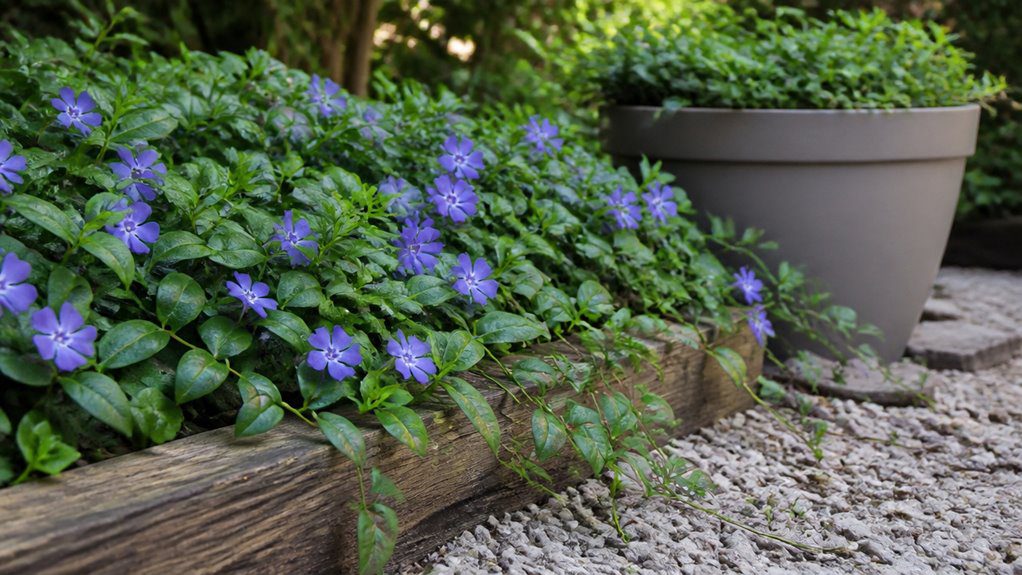
Looking to keep your garden lush and green all year? Evergreen groundcovers are perfect for that! Plants like Creeping Oregon Grape and Icee Blue® Juniper stay green through winter, offering vibrant foliage and charm. They need little care, resist drought and heat, and help prevent erosion, weeds, and chaos. Keep your garden stable and pretty, all year!
Popular Purple Groundcovers for a Bold Garden Statement
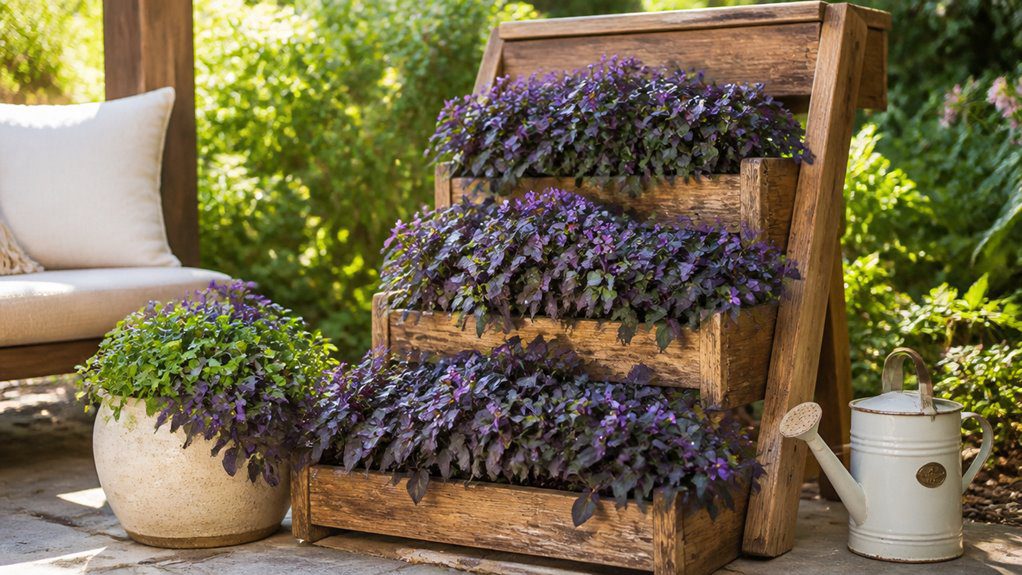
Purple groundcovers are a fantastic way to add bold color to your garden. Purple groundcovers like Rozanne Cranesbill and Purple Heart give you vibrant, long-lasting color. They work well in borders, containers, or even cascading over walls. Always plant in well-draining soil, with sun or partial shade. Propagate easily through cuttings or division. Happy planting!
Fast-Spreading Groundcovers for Quickly Transforming Your Landscape
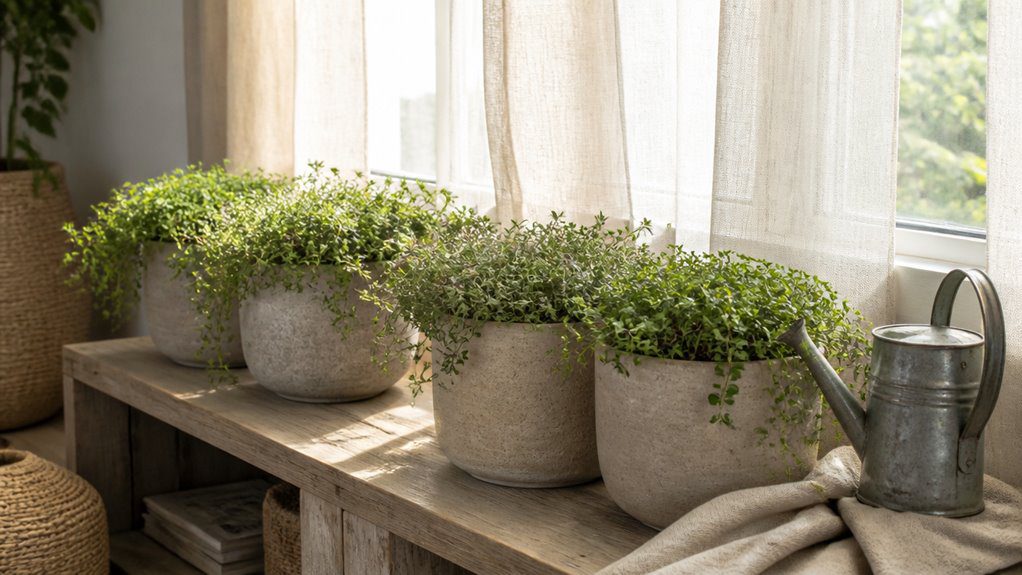
Fast-spreading groundcovers can quickly turn a tired yard into a lush oasis. They fill in gaps fast, covering several square feet in just one season. Use drought-tolerant options like sweet potato vine or clover, especially in hot areas. These resilient plants limit weeds, reduce soil erosion, and need minimal care, making your landscape safe and beautiful in no time.
Compact and Low-Growing Groundcovers for Tight Spaces
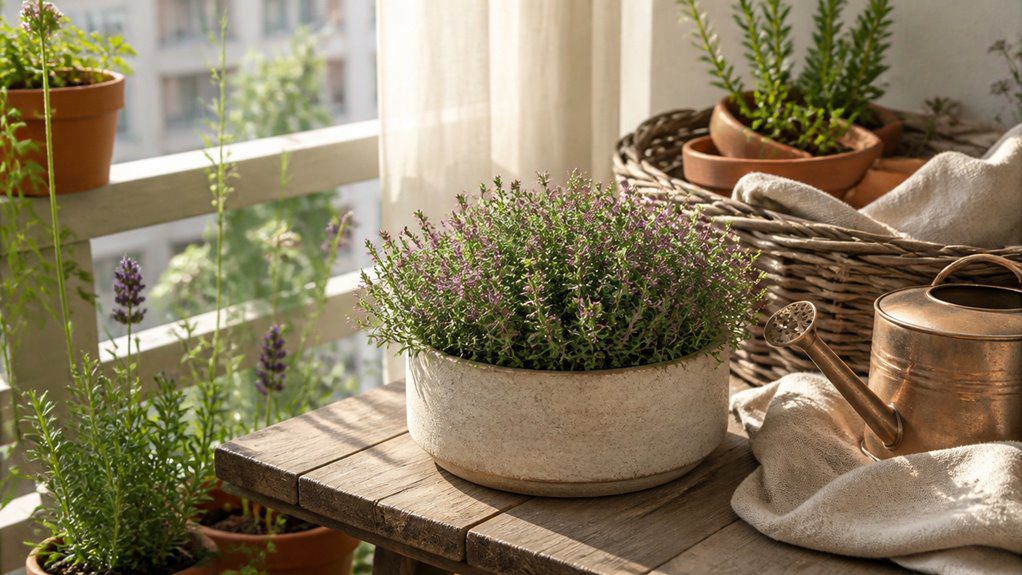
If you need groundcovers for tight spots, low-growing plants are your best friends. These groundcovers grow just 2 to 6 inches tall and spread out in mats. Try Blue Star Creeper, Dymondia, or Romanoff Blue Creeper. They’re easy to care for, tolerate foot traffic, and work well in small areas like between pavers or in rock gardens.
Native Groundcovers That Support Local Ecosystems
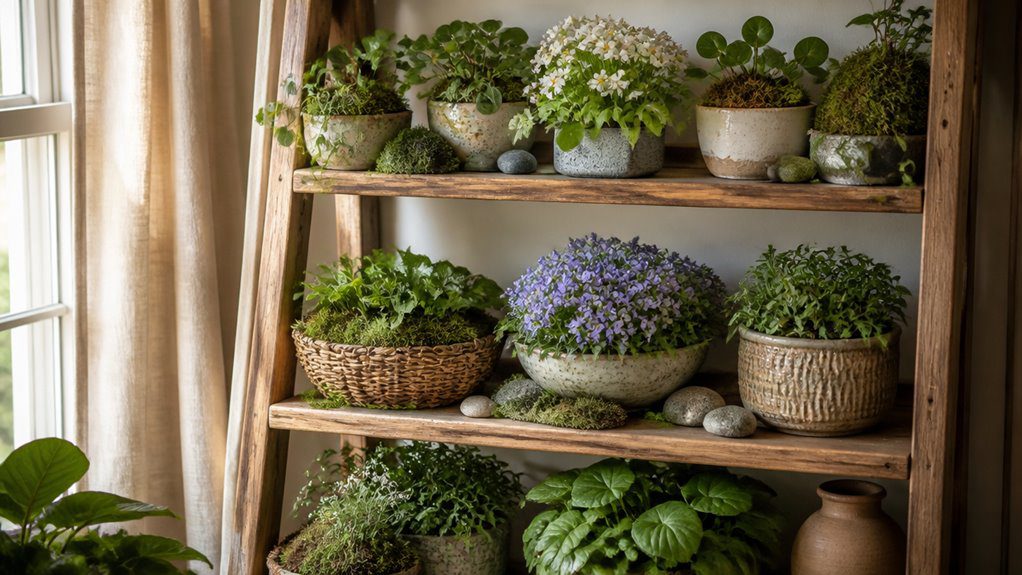
Using native groundcovers is a smart way to boost your garden’s health while helping the environment. Native groundcovers like Canada Anemone, Wild Ginger, and Bearberry adapt to local soil and climate with ease. They stabilize soil, attract pollinators, and fight invasive plants, saving water and reducing maintenance. Support your eco-friendly garden with these natural, beneficial ground covers!
Best Groundcovers for Zone 9a–10b: Heat and Drought Tolerance
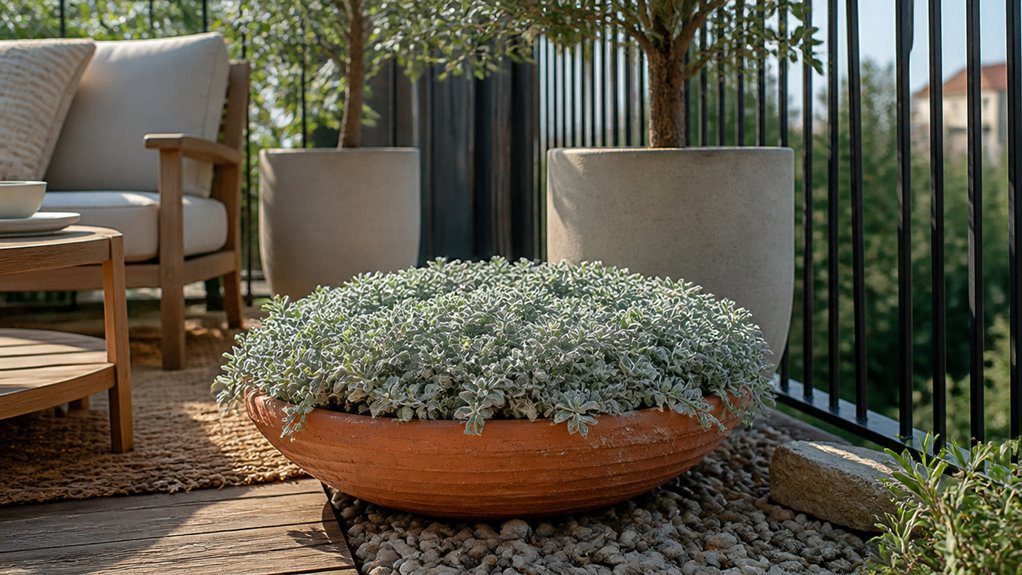
When you want a garden that stays green and healthy even in hot, dry weather, choosing the right groundcover is key. Drought-tolerant groundcovers like clover, sweet potato vine, or maypop passion vine can handle the heat. They resist drought, prevent soil erosion, and stay vibrant with minimal watering, perfect for sunny zones 9a to 10b!
How to Prepare Your Garden Bed for Groundcover Planting
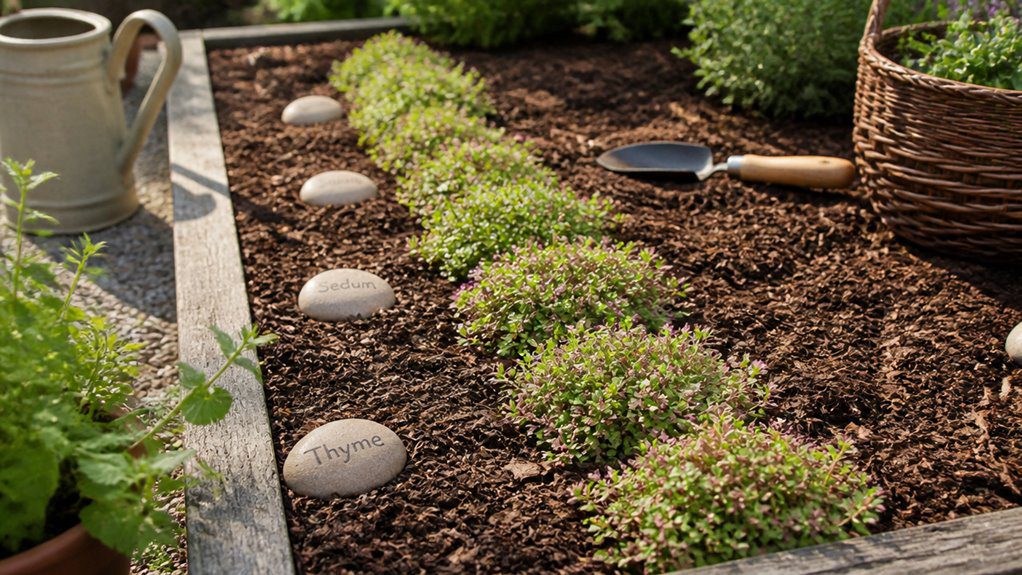
Before planting groundcover, start by clearing out weeds and leftover debris from your garden bed. This is key to good garden bed preparation. Loosen the soil to 4-8 inches deep to help roots grow. Mix in compost for nutrients and moisture. Check slope and add amendments if needed. Stagger planting on slopes to prevent erosion and keep your garden healthy!
Tips for Spreading and Establishing Groundcover Quickly and Successfully
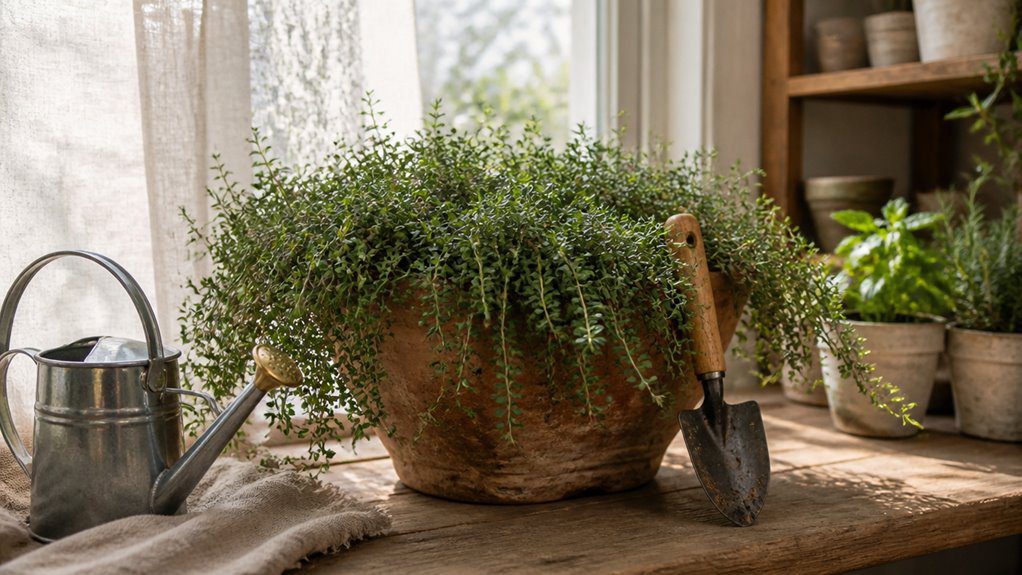
To help your groundcover plants spread quickly and stay strong, plant them in staggered rows or small clusters. Prepare the soil by removing weeds and loosening it. Keep it moist for the first few weeks, and use mulch or edging to block weeds and keep moisture in. This method encourages fast, safe growth for your groundcover plants.
Designing Pathways and Borders With Groundcover Plants
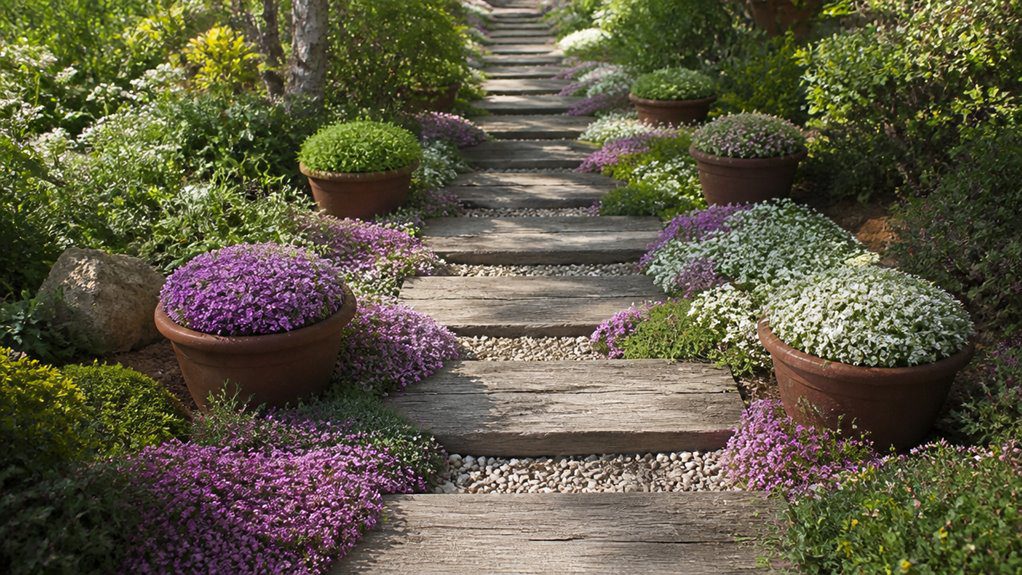
Designing pathways and borders with groundcover plants helps your garden look beautiful and feels inviting. Use sturdy groundcovers like creeping thyme or sedum to handle foot traffic safely. Plant them with proper gaps and staggered spacing to prevent erosion. Add groundcovers around pavers or stepping stones for flair, and trim regularly for a tidy, safe walkable path that stays neat and charming.
Matching Groundcover Height and Texture for Visual Impact
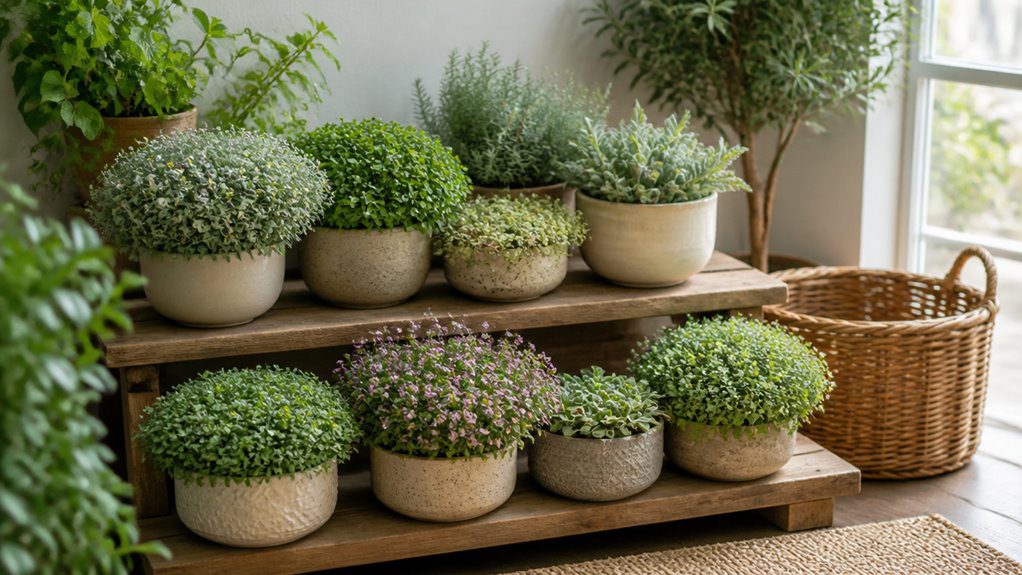
Matching the height and texture of your groundcover plants really makes your garden pop. Use low-growing groundcover plants like sedum or creeping thyme for softness along edges and pathways. For height and drama, add taller groundcovers like lady fern or passion vine. Mixing different heights creates contrast and visual interest, making your garden safe, balanced, and beautifully layered.
Maintenance Tips to Keep Your Groundcover Blooming and Healthy
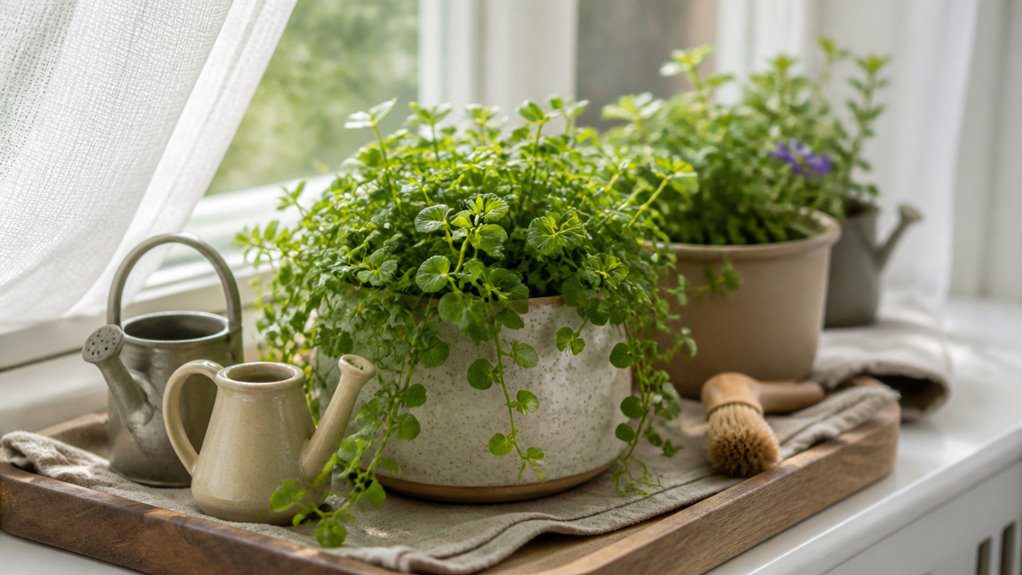
Keeping your groundcover plants healthy and blooming takes a little regular care. Focus on watering, especially during dry spells, to keep the soil moist but not soaked. Mulch around plants to conserve moisture and stop weeds. Trim them gently to prevent overgrowth. Use slow-release fertilizer sparingly, and check for pests regularly. Simple steps for a lively, happy groundcover!
Creative Ideas for Incorporating Groundcover Into Garden Designs
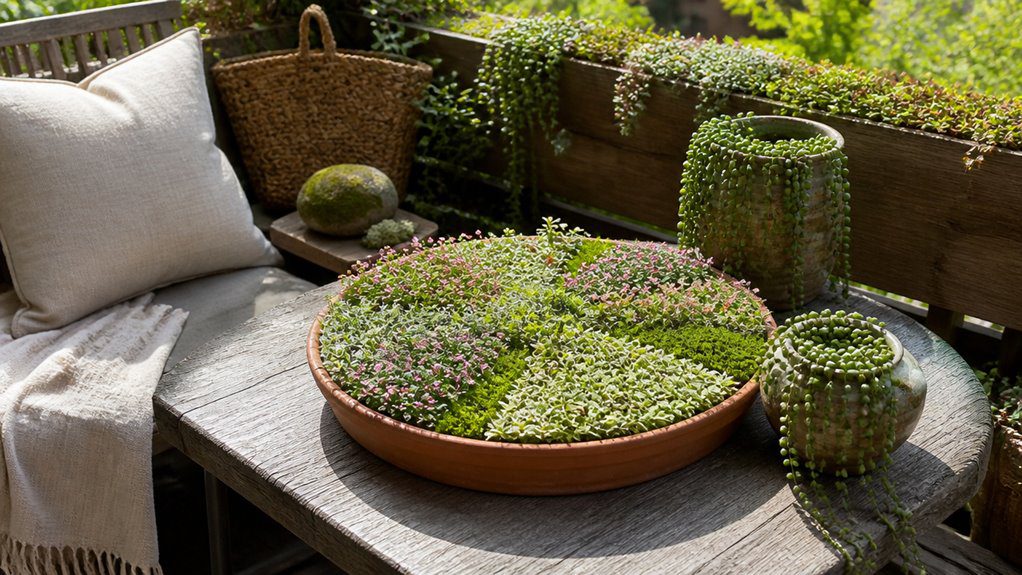
Adding groundcover plants to your garden can really transform the space. Use groundcovers along pathways and borders for a smooth transition. Plant vibrant groundcovers like Rozanne Cranesbill or Purple Heart in big patches for color. Mix low mats and taller varieties, and put resilient groundcovers like clover or sweet potato vine under trees. It’s a fun way to add charm and cover ground safely!
When and How to Prune Groundcovers for Best Growth
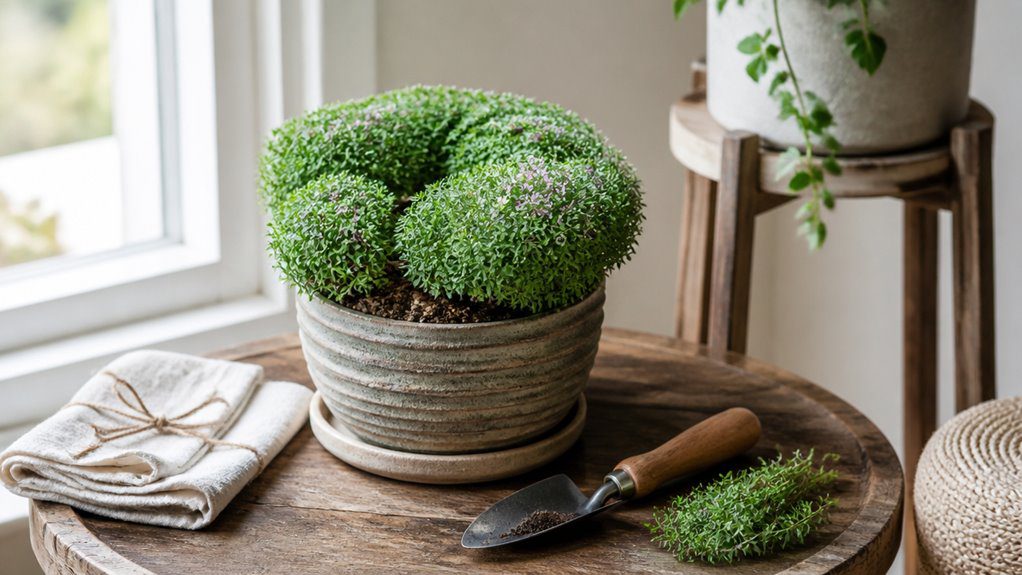
Pruning groundcovers at the right time helps them stay healthy and look nice. You should prune in early spring or late fall. Remove dead, weak, or damaged stems regularly to keep them vigorous. For fast-growers, prune lightly to control overgrowth. Always use sharp tools to make clean cuts, especially during cooler weather, for a healthy, happy groundcover!
Troubleshooting Common Groundcover Problems
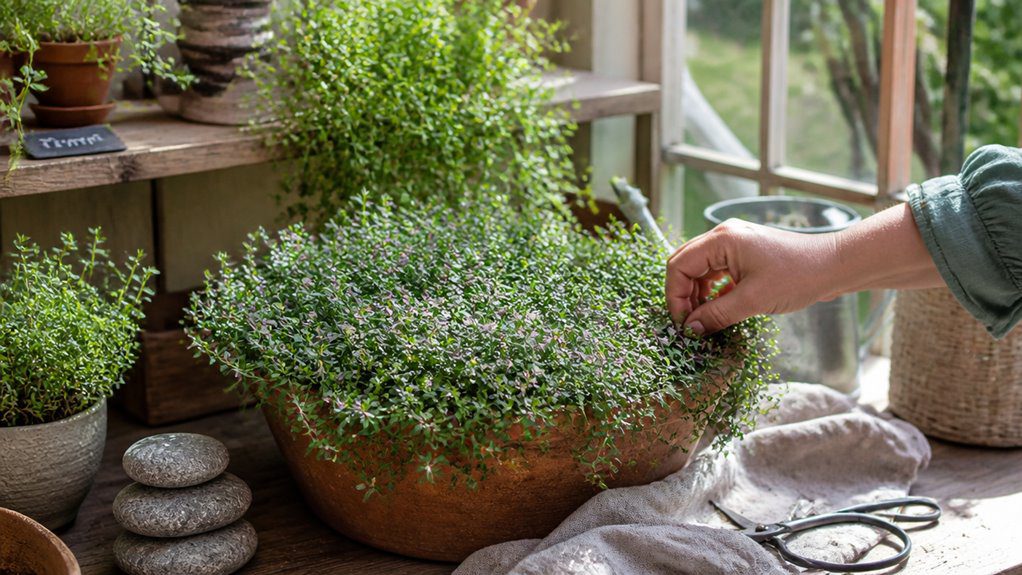
If your groundcover isn’t looking its best, don’t worry, problems are normal and fixable. Troubleshooting involves checking soil prep and spacing to stop overcrowding. Keep an eye out for pests and diseases, and address bare spots quickly. Adjust watering and fertilizers as needed, and create pathways to protect high-traffic areas. Simple steps can make a big difference!
Resources for Sustainable and Native Groundcover Plants
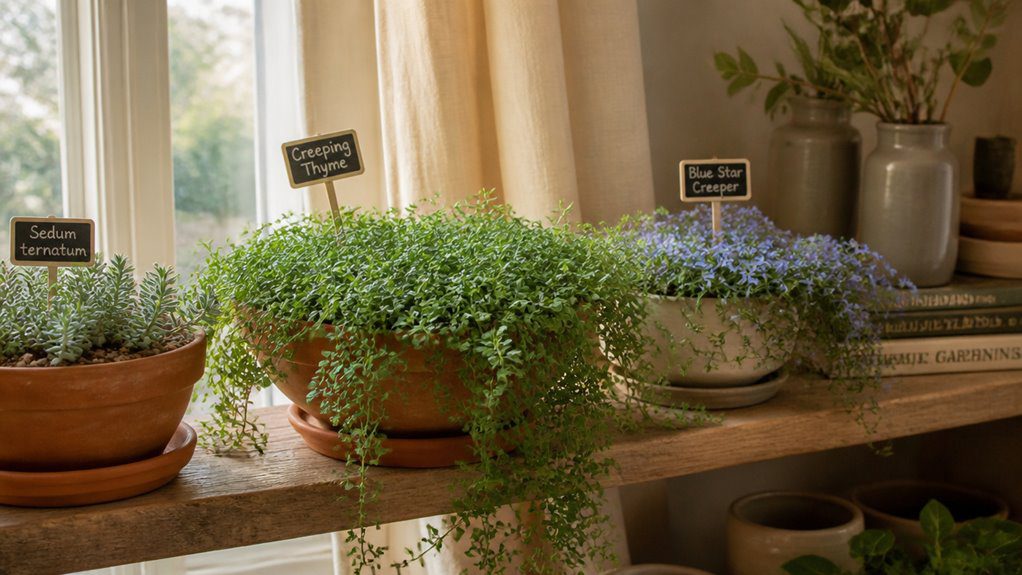
Curious about finding eco-friendly groundcover plants? Check out resources like the Waterwise Plants Learning Center for tips on native groundcover plants. These plants, like Canada Anemone and Wild Ginger, thrive in their native areas and need less water and fertilizer. Use these guides to choose safe, sustainable options that reduce weeds and control erosion while beautifying your garden.
Final Tips for Creating a Low-Maintenance, Beautiful Groundcover Garden
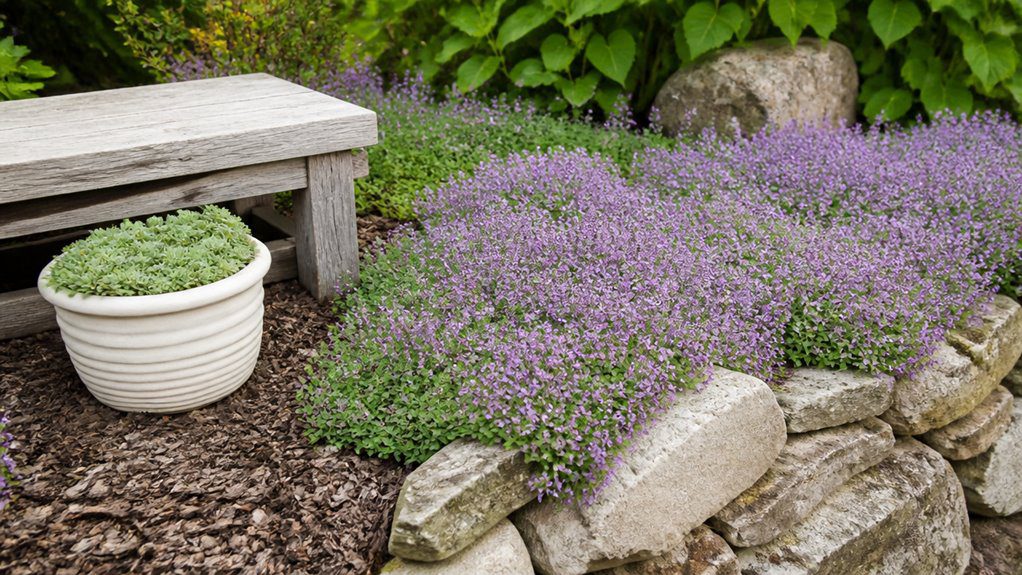
Creating a low-maintenance, beautiful groundcover garden is easier than you think. Pick resilient plants like clover, sedum, or ponyfoot that handle heat and need little water. Prepare the soil well, remove weeds, and give plants space to grow. Use stepping stones or gravel paths in busy spots. Regularly check for weeds early to keep your garden safe, neat, and thriving.
Final Takeaways
A healthy ground cover is like a garden‘s warm hug, inviting life and beauty. With the right plants, you build a lush carpet that resists weeds, stops erosion, and supports pollinators. Think of your garden as a canvas, each ground cover adds color and strength. Keep it simple: choose, plant, prune, and enjoy! With a little care, your outdoor space becomes a little paradise, beautiful, steady, and full of life. Happy gardening!