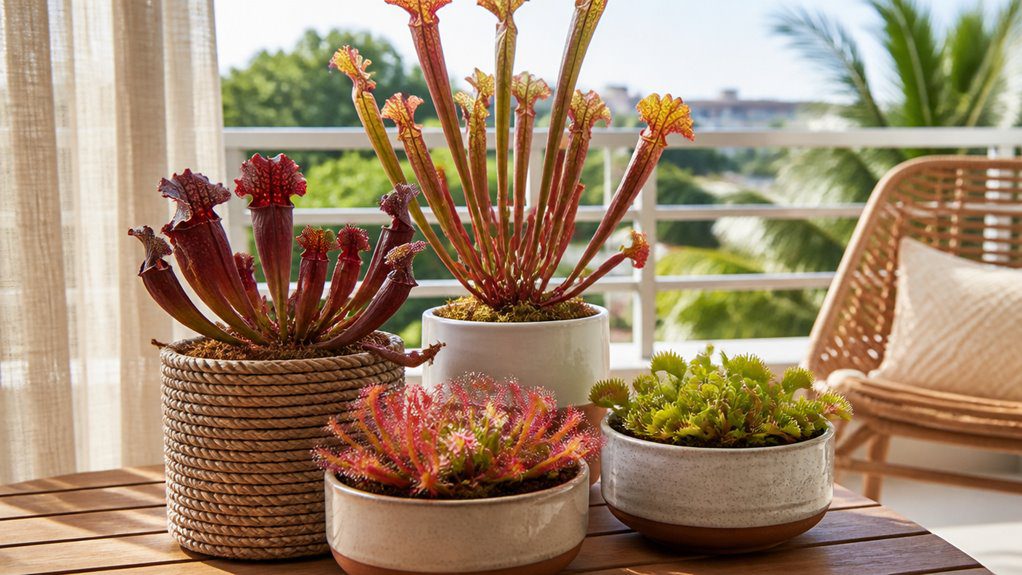
You might be surprised, but adding carnivorous plants to your garden can turn ordinary spots into eye-catching features. These fascinating plants, like Venus flytraps or pitcher plants, trap insects and thrive in poor soil. They’re easy to care for and can fit into many spaces, indoors or out. Want to learn which ones match your environment and how to keep them happy? Keep going, there’s more to this green adventure than you might expect.
What Are Carnivorous Plants and Why Are They Unique?
Did you know that some plants can eat insects? Carnivorous plants are special because they trap and digest bugs to get nutrients. They use sticky tentacles, pitchers, or snap traps to catch their prey. These clever plants help themselves survive in poor soil by grabbing dinner right from nature. Many of these plants also add a unique and aesthetic appeal to your indoor or outdoor garden, making them both functional and decorative. Their intriguing structures and natural pest control abilities make them a fascinating addition to any plant collection.
Top 5 Easy Carnivorous Plants for Beginners
If you want to try growing a carnivorous plant but aren’t sure where to start, you’re in luck. The Cape sundew and venus flytrap are perfect for beginners. Both are safe, easy, and forgiving. Keep them in good light, moist soil, and watch them catch tiny bugs. Good plant care is essential for their survival and growth. No fuss, just fun, and natural pest control!
How to Choose the Right Carnivorous Plant for Your Space
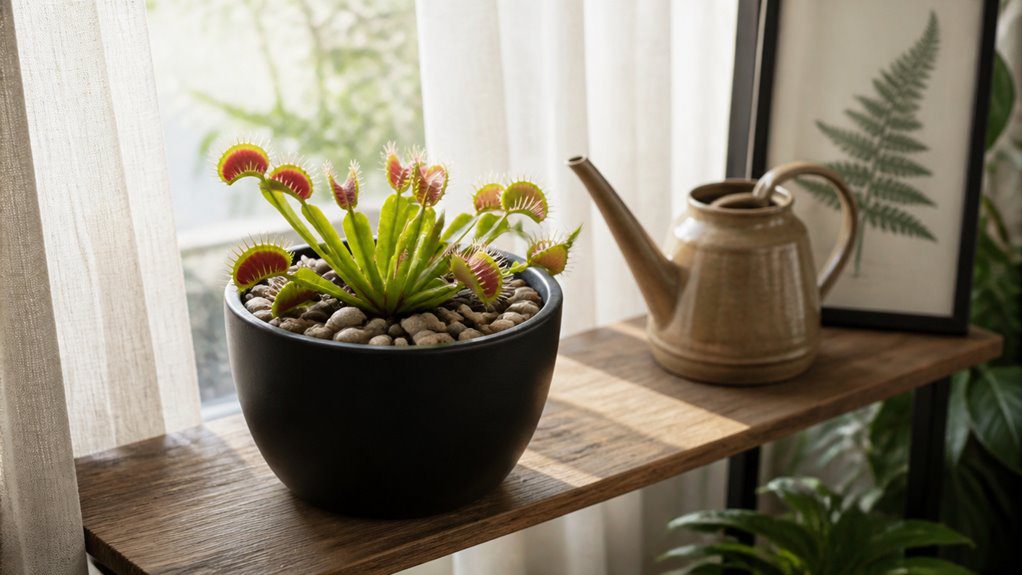
Choosing the right carnivorous plant depends on your space and light. For full sun outdoors, try pitcher plants or sundews, they love the sun! For indoor Plant Care, opt for Venus flytraps or butterworts with filtered light. Check their size and dormancy needs first. Start with beginner-friendly types like Cape sundew for safe, fun growing.
Understanding the Natural Habitat of Carnivorous Plants
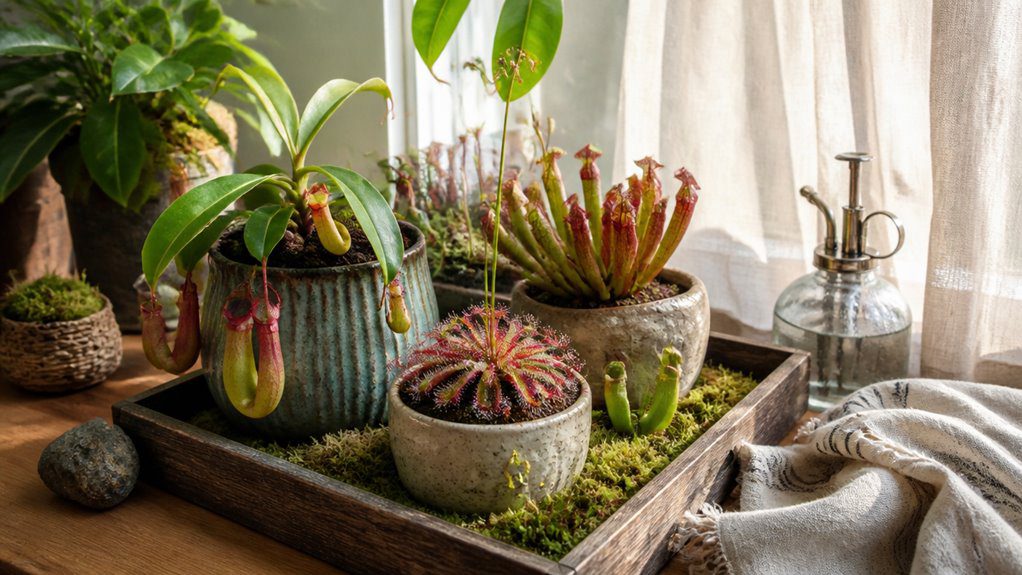
To truly understand carnivorous plants, get to know where they grow in the wild. They often live in bog habitats, which are waterlogged wetlands with low nutrient soil. These plants are adapted to survive in these acidic, nutrient-poor places like North American bogs or South Africa’s Cape regions. Their unique traps help them get nutrients from prey.
Best Growing Conditions for Carnivorous Plants
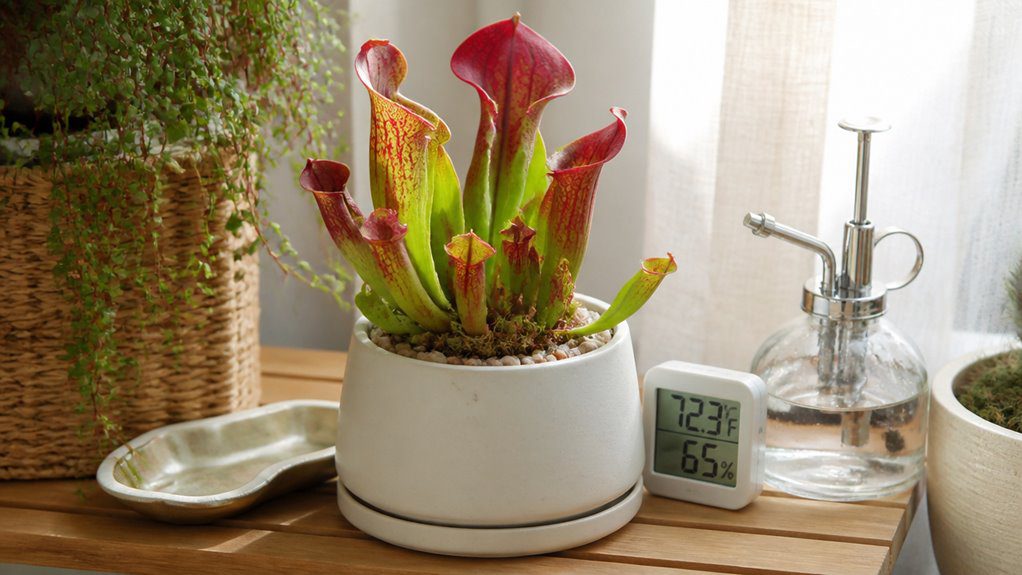
Plants that eat meat need special growing conditions to thrive. For the best growing conditions, keep your plant (Sarracenia purpurea) in acidic, waterlogged soil with sphagnum moss and horticultural sand. Provide full sun or bright, filtered light, and water with rainwater or distilled water. Consistent moisture and a cool dormancy in winter help your plant stay happy and healthy.
How to Prepare Soil and Water for Healthy Carnivorous Plants
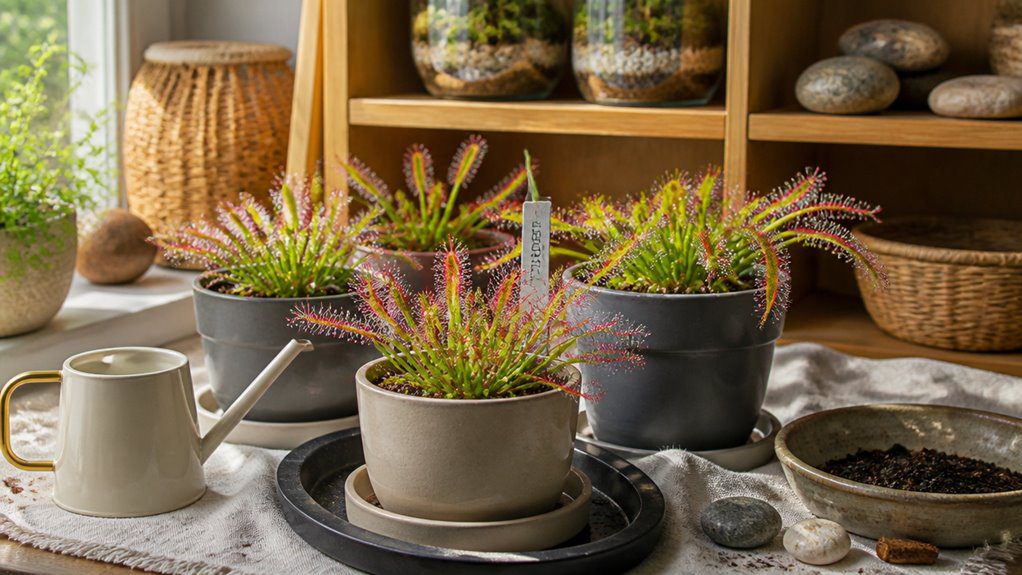
Getting the soil and water right is key to keeping your carnivorous plants happy and healthy. Use sphagnum moss mixed with horticultural sand to make acidic, nutrient-poor soil. Always water with distilled, rain, or reverse osmosis water, never tap water. Keep the soil damp with about a quarter inch of standing water, replenishing regularly.
How Much Sun Do Carnivorous Plants Need?
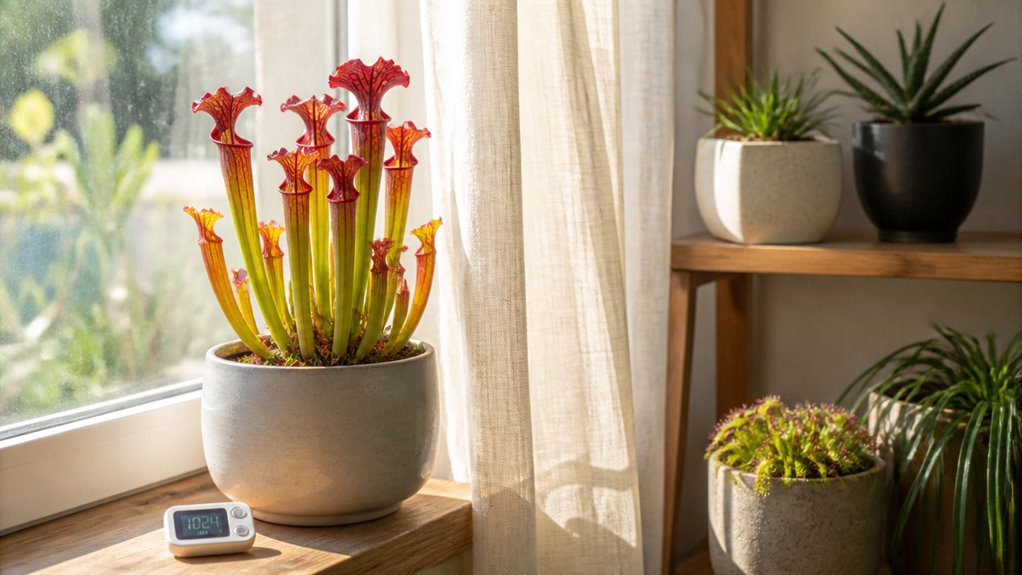
Most carnivorous plants love good sunlight to stay healthy and look their best. They need at least 4-6 hours of direct sun or bright light daily. Place them in south- or west-facing windows if indoors. Tropical varieties prefer bright, indirect sunlight. Too much sun can scorch leaves, so always monitor your plants and adjust their sun exposure for safety.
Indoor vs. Outdoor Carnivorous Plant Growing: What’s Best?
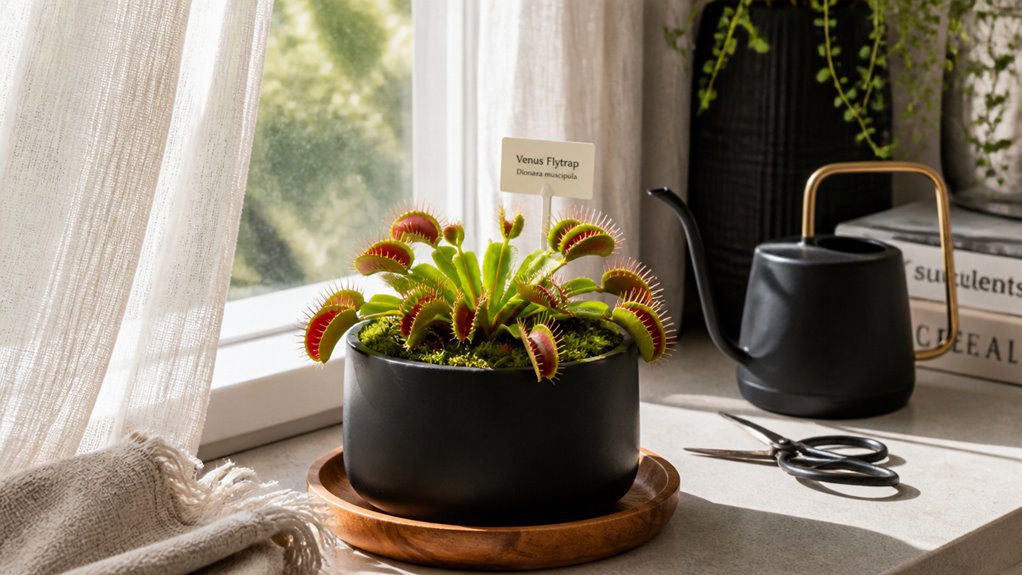
Deciding whether to grow your carnivorous plants indoors or outdoors depends on the specific plant and your local weather. Indoor growing lets you control light, temperature, and humidity, perfect for tropical species. Outdoor growing suits hardy plants like pitcher plants, but protect them from cold and frost. Choose wisely to keep your plants safe, happy, and hungry!
How Trap Types Work: Sticky, Pitfall, and Snap Mechanisms Explained
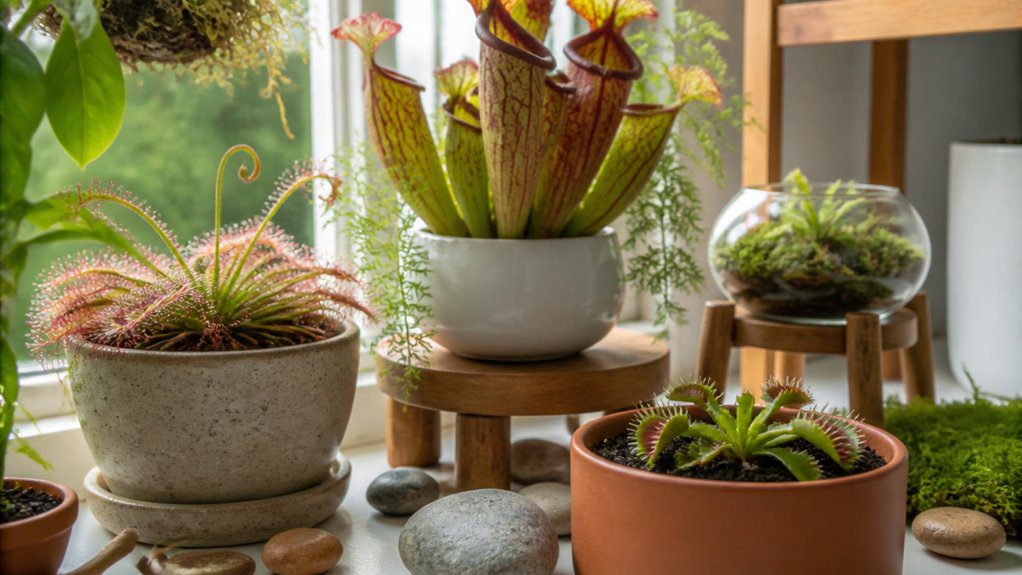
Different carnivorous plants catch their prey in unique ways. Sticky traps, like sundews, use sticky mucilage to trap insects safely. Pitfall traps, such as pitcher plants, have deep cavities filled with digestive fluids to drown prey gently. Both trap types work silently but effectively, making your green space fascinating, not frightening.
How to Grow and Care for Sundews (Drosera)
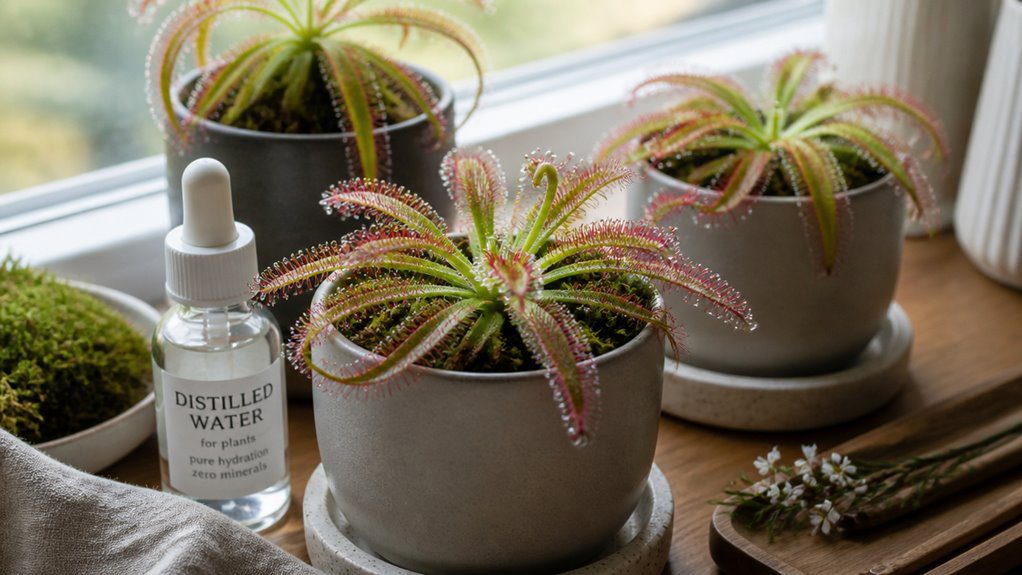
If you want to grow a sundew, start by choosing a spot with plenty of bright, indirect sunlight. Keep their soil moist using distilled or rainwater, like their natural boggy home. For care, divide clumps to propagate, and watch for summer blooms. Remember, sundews love damp, low-nutrient spots and go dormant in winter, so be gentle!
Cultivating Pitcher Plants (Sarracenia and Nepenthes): Tips and Tricks
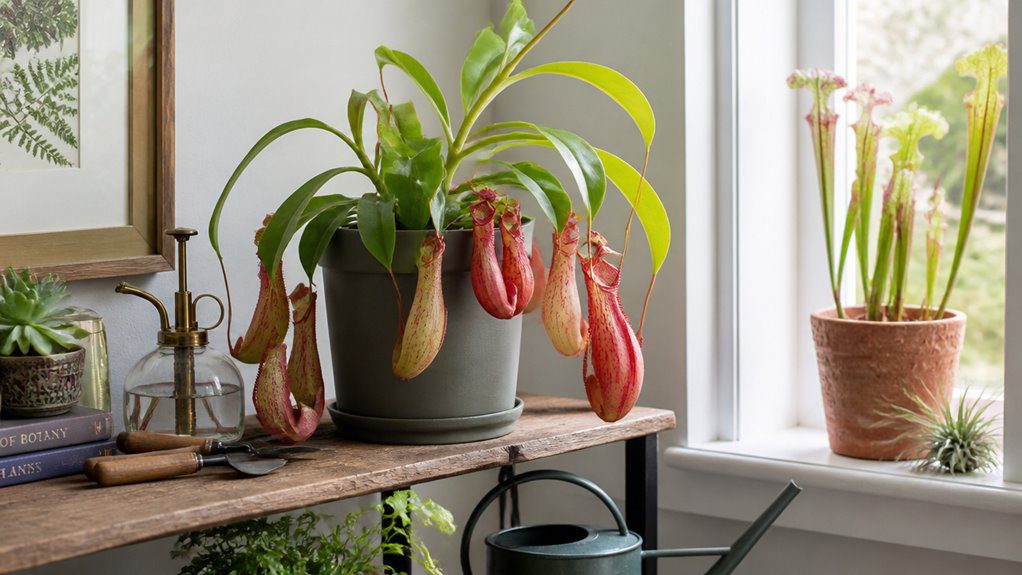
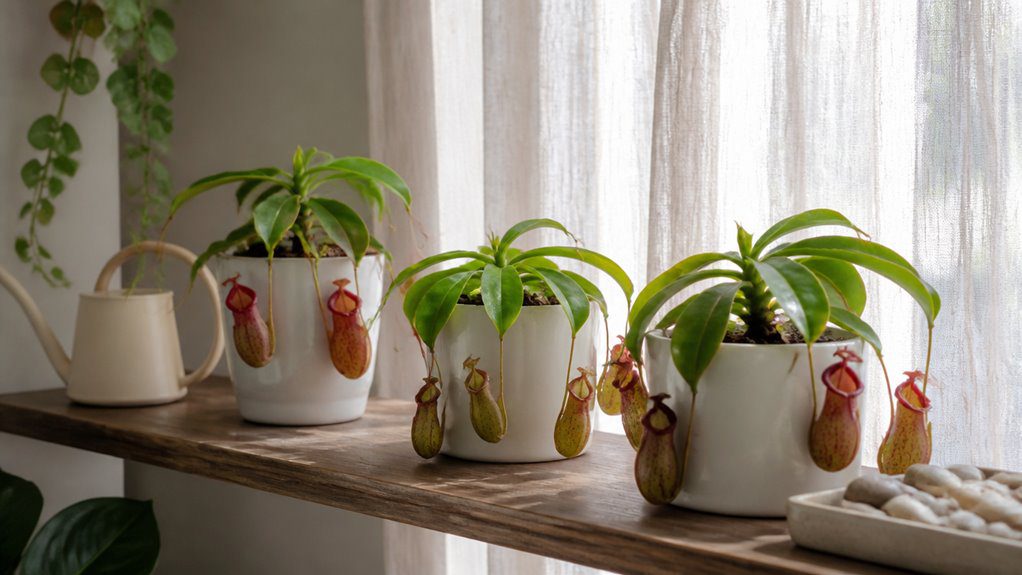
To grow healthy pitcher plants like Sarracenia and Nepenthes, focus on the right sunlight, water, and soil. Place them in full sun and keep soil moist and well-draining. Use acidic or distilled water. Regularly check their environment to prevent drought. These plants naturally catch prey, so avoid overfeeding. Follow these tips to grow well!
How to Care for a Venus Flytrap: Essential Tips
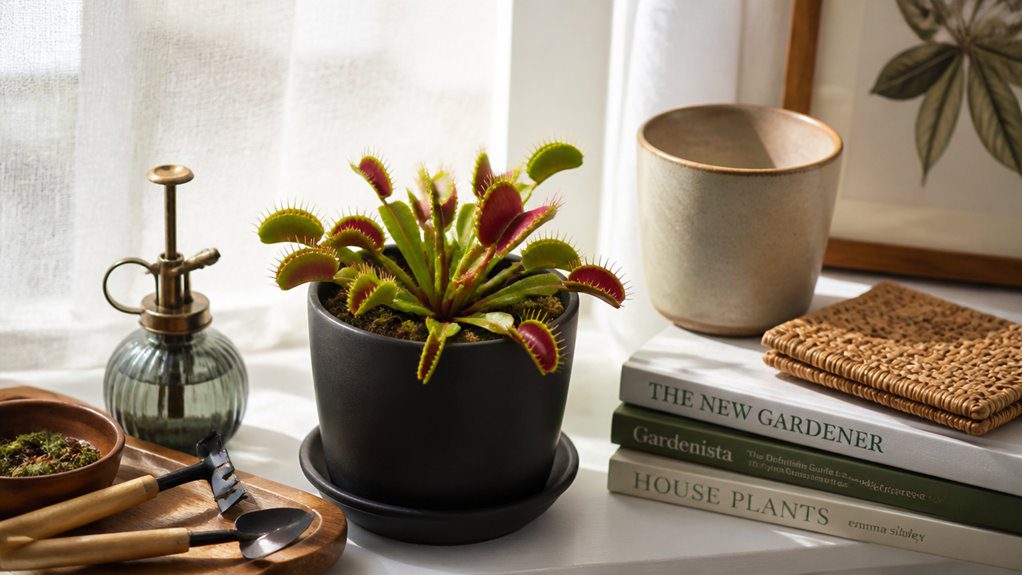
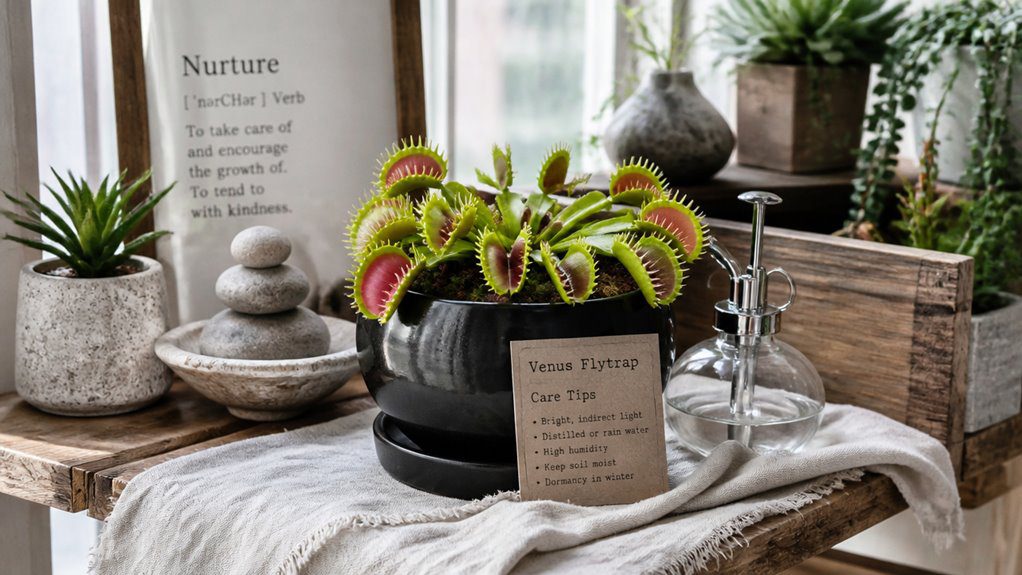
Caring for a Venus Flytrap is easier than you might think, as long as you know some simple tips. Make sure it gets 4-6 hours of direct sunlight daily. Keep the soil moist with distilled, rain, or reverse osmosis water. Feed only live insects gently. During winter, reduce water and stop feeding to help your Venus Flytrap stay healthy and happy.
How to Propagate Carnivorous Plants From Seeds and Cuttings
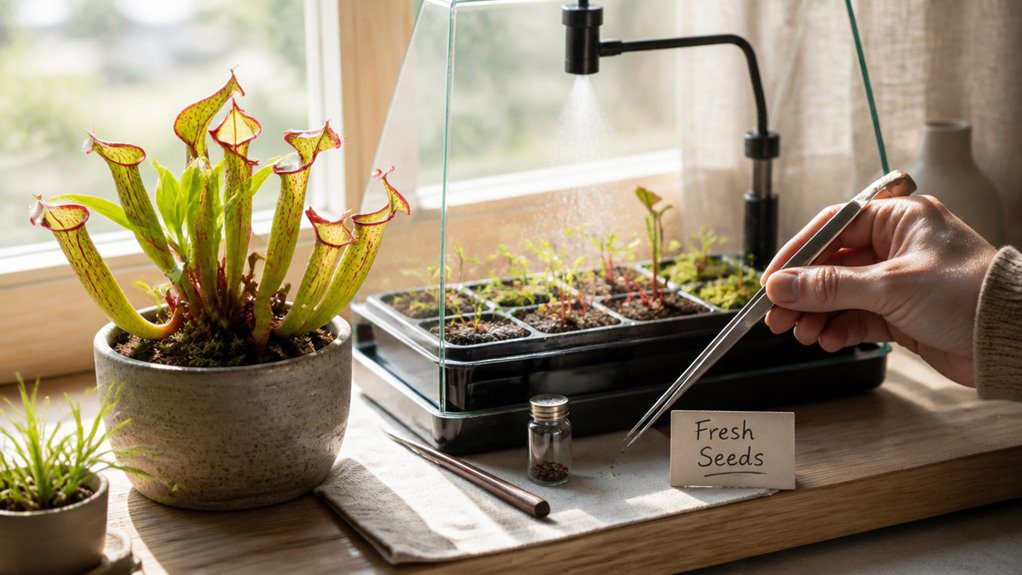
Propagating carnivorous plants from seeds and cuttings is a rewarding way to grow new plants. Be gentle and patient, and always wash your hands first. Plant seeds in moist, peat-free soil and give cuttings a moist, nutrient-poor medium. Keep the environment warm, humid, and well-lit. With care, you’ll soon see your green space evolve, meaty tiny marvels!
Common Pests and Diseases in Carnivorous Plants: And How to Treat Them
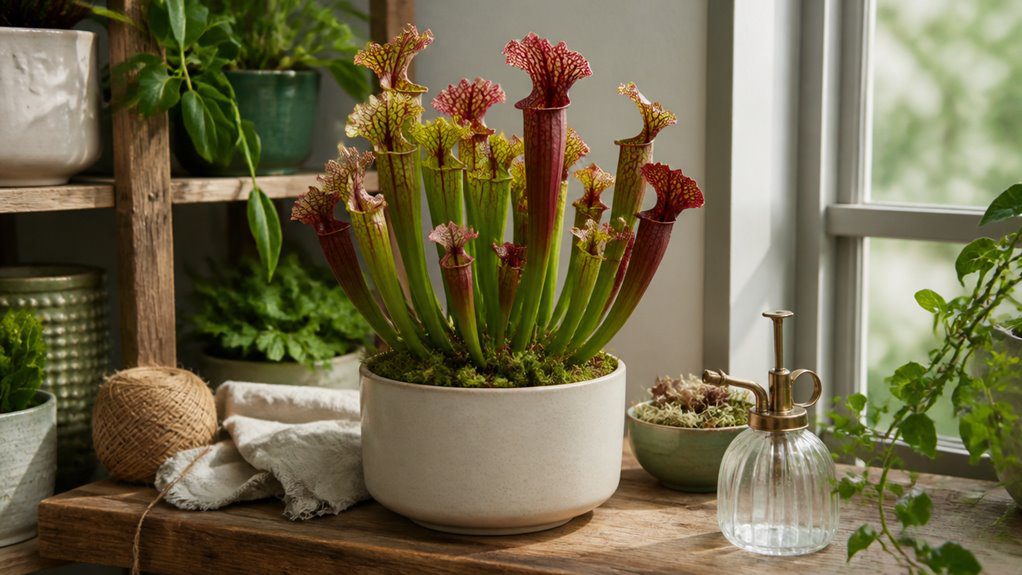
Carnivorous plants, like any living things, can run into trouble with pests and diseases. Pests such as aphids, mealybugs, and spider mites often hide on new growth. Fungal diseases like grey mould can develop if traps stay damp or humidity is high. Regularly check your plants, use insecticidal soap or neem oil, and ensure good airflow for healthy, bug-free plants!
Winter Care Tips for Temperate Carnivorous Plants
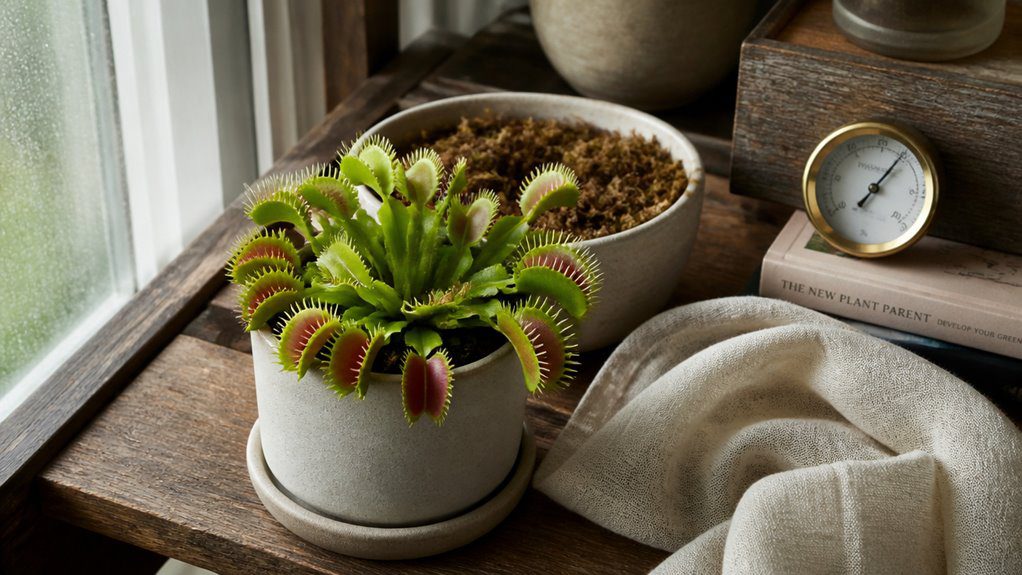
When winter arrives, your temperate carnivorous plants need special care to survive the cold. Prepare for winter dormancy by keeping outdoor carnivorous plants in temperatures around 0°C to 5°C. Cover them with mulch or fleece for insulation, reduce watering, and consider bringing sensitive species indoors or into a cool space if temperatures drop too low.
How to Create a Carnivorous Plant Container Garden
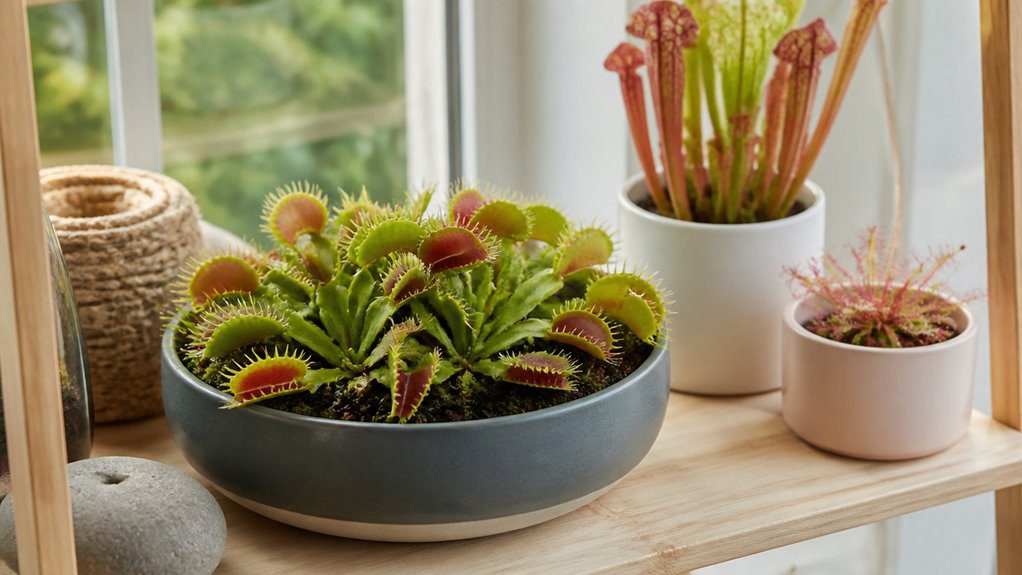
Creating a carnivorous plant container garden is a fun way to enjoy these unique plants at home. Use a shallow container with drainage holes and fill it with sphagnum moss and sand to mimic their natural habitat. Keep it in full sun or under grow lights, water with distilled or rainwater, and add insects or food for the plants’ natural feeding.
Building a Terrarium or Bog Garden for Carnivorous Plants
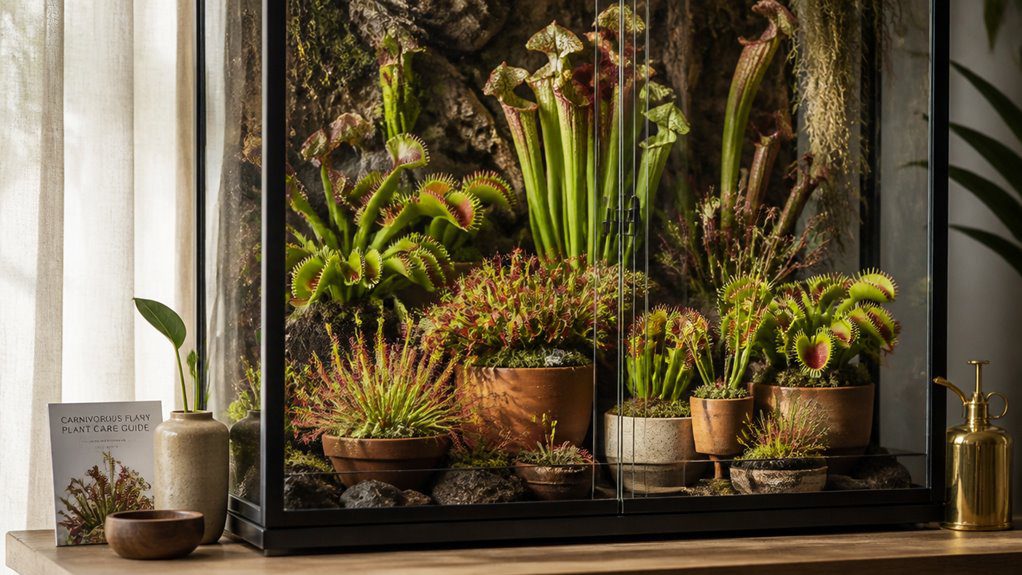
If you want to make a cozy home for your carnivorous plants, building a terrarium or bog garden is a smart move. Use a perforated liner and low-nutrient, peat-free compost. Add collected rainwater and keep moisture steady. Place plants in full sun or under grow lights. Decorate with rocks, moss, or sphagnum to create a safe, authentic wetland habitat.
How to Attract and Capture Prey Naturally
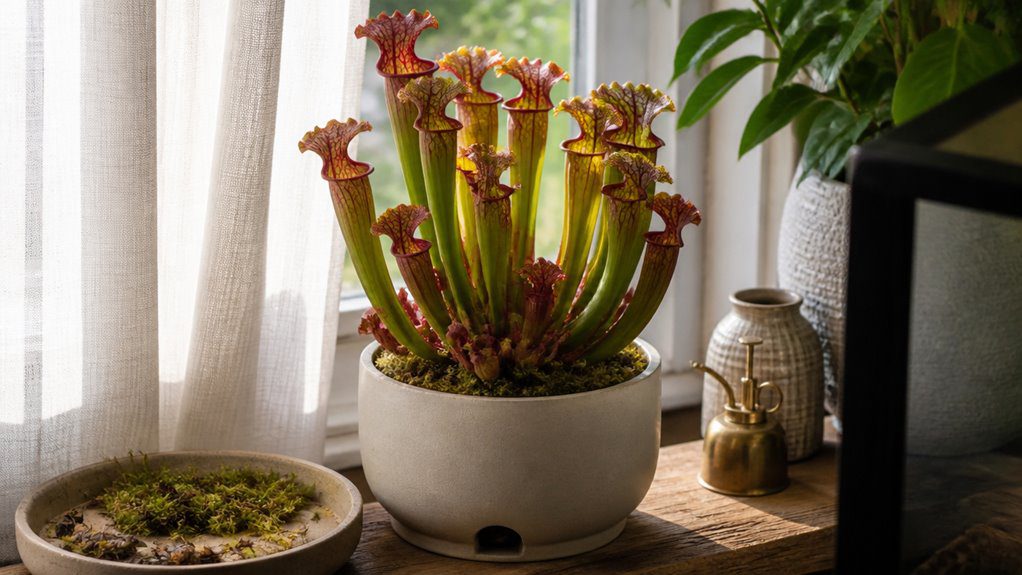
Since carnivorous plants rely on insects for nutrients, you should know how they attract prey naturally. Use bright colors, scent, or nectar to lure bugs in. Sticky “flypaper” traps like sundews catch prey with glandular hairs secreting mucilage. Once insects land, digestive enzymes break down their prey, helping your plants get the nutrients they need safely and naturally.
Do Carnivorous Plants Need Extra Feeding? What You Should Know
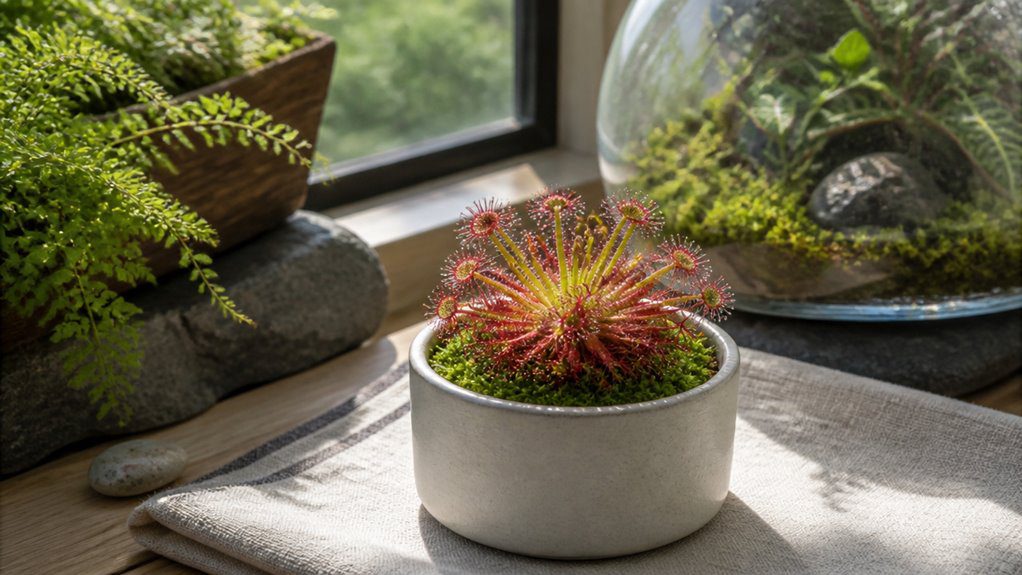
Most carnivorous plants catch enough insects on their own, so you don’t need to give them extra feeding. Overfeeding can harm the traps and the plant. Instead, let your plants catch prey naturally. If they’re indoors and don’t get enough insects, you can gently place a small insect in the trap. Keep it safe and simple!
Designing Your Garden With Carnivorous Plants
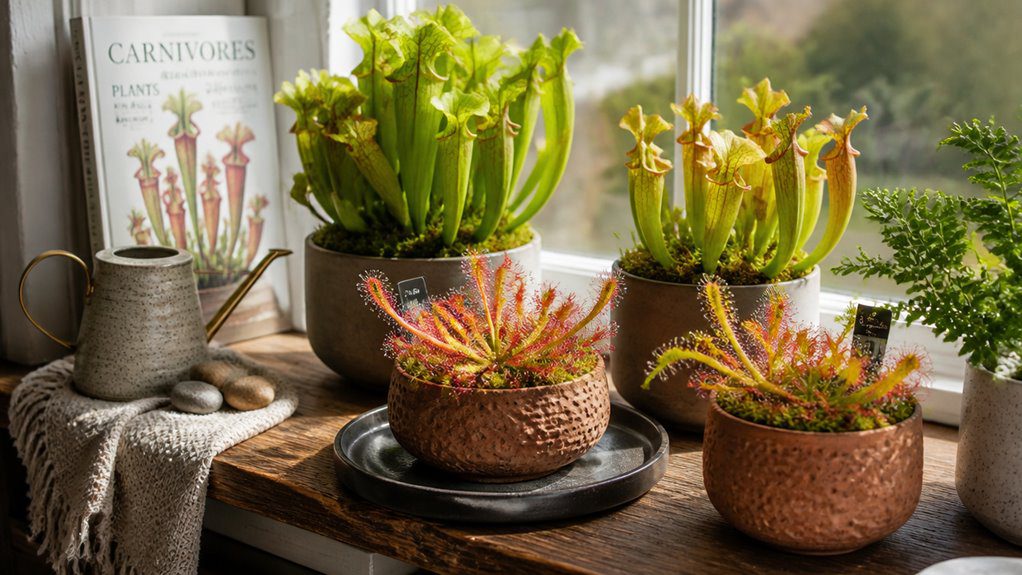
Designing your garden with carnivorous plants is a fun way to add both beauty and intrigue. Place species like Sarracenia and Drosera in shallow bog beds or dish gardens with peat-free compost. Ensure they get 4-6 hours of sunlight daily, or use grow lights. Create zones for these plants to make maintenance easy and keep safety in mind.
Where to Find Resources and Support for Growing Carnivorous Plants
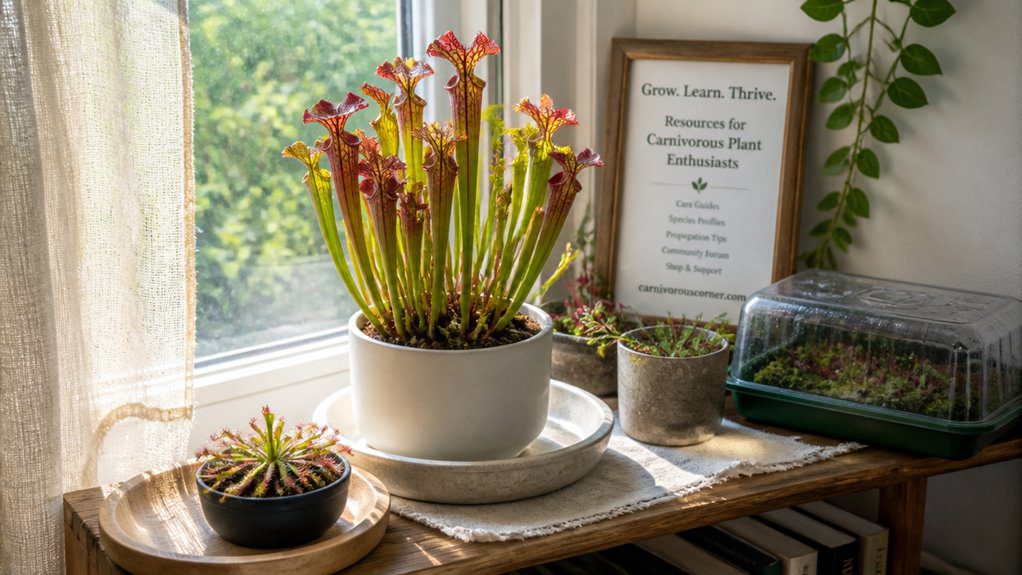
If you want to grow healthy carnivorous plants, there are lots of helpful resources out there. Join online communities like Reddit’s r/carnivorousplants for advice and tips. Visit specialized nurseries for care guides or seed catalogs. Attend local plant society meetings or follow trusted growers and institutions like the International Carnivorous Plant Society for updates and support.
Why Growing Carnivorous Plants Educates and Beautifies Your Garden
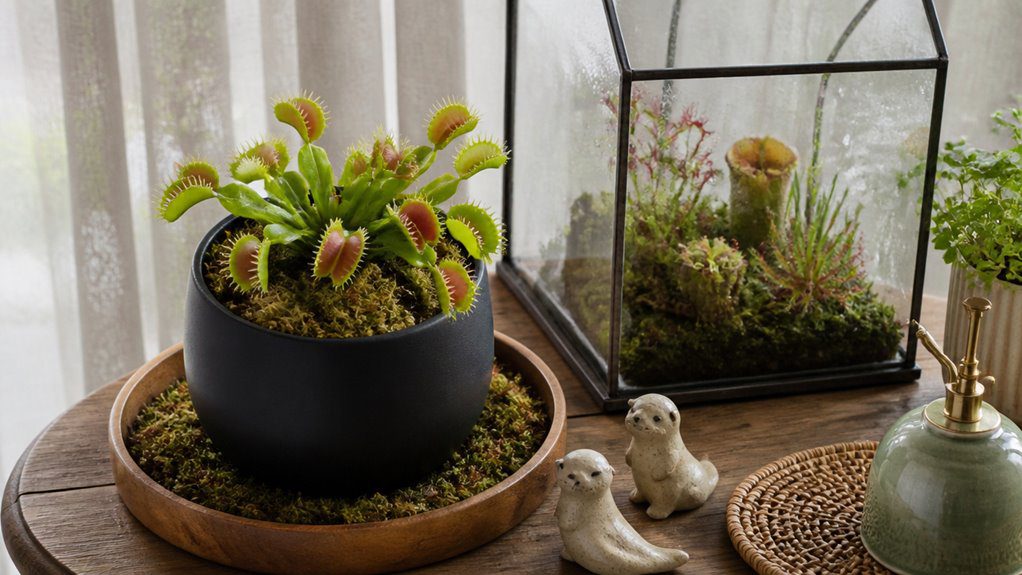
Growing carnivorous plants isn’t just fun, it also helps you learn about nature’s clever tricks. These plants have striking shapes, colors, and textures that make your garden stand out. Plus, they raise awareness of wetland conservation and the importance of protecting natural bog habitats. Teaching about plant survival keeps your garden interesting while supporting eco-friendly efforts.
Final Takeaways
Think of your garden as a lively jungle, where each carnivorous plant plays a fun, wild role. These plants are like tiny predators, catching bugs and adding a splash of mystery. With a little care, they’ll thrive and make your space more intriguing. Keep learning, stay patient, and enjoy watching nature’s little hunters at work. Soon, your garden will be a captivating adventure, full of surprises and leafy stories waiting to unfold!