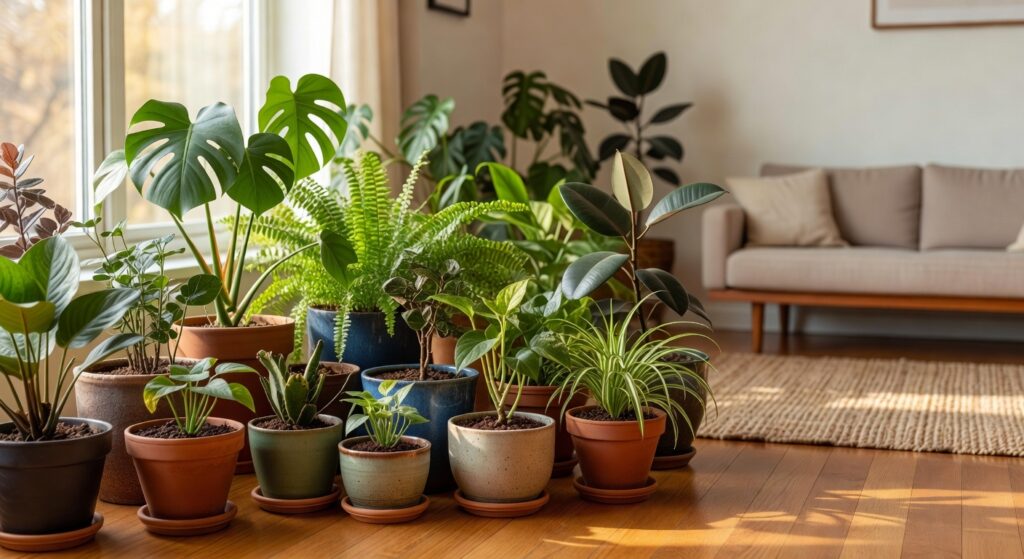
A sleek sofa meets a thriving spider plant, and suddenly your living room feels both stylish and safe. You’ll discover why 23 kid‑ and, pet‑friendly greens are stealing the spotlight in 2026, from low‑light snake plants to bold monstera leaves. Learn quick tips for picking the right pot, boosting light on tiny shelves, and keeping foliage happy while you’re away. Ready to turn your space into a vibrant, health‑boosting oasis?
How to Keep Your Living‑Room Plants Healthy and Happy
Ever wondered why your living‑room plants sometimes look droopy? Check light, water, and temperature daily. Use a moisture meter, water when soil feels dry, and keep drafts away. Boost indoor air quality with a fan, and clean leaves gently. For plant allergy management, choose low‑pollen species and wash hands after handling. Rotate pots for even growth, and enjoy healthier, happier greens. Tropical plants thrive best with proper styling and strategic placement to complement your interior design while meeting their environmental needs. Consider using grow lights for dark corners to ensure your plants receive adequate illumination throughout the day.
Why Snake Plant (Sansevieria) Thrives in Low‑Light Living‑Rooms
If you’ve got a dim corner, the snake plant will still thrive. You’ll love how it tolerates low light, needing only occasional watering. It helps humidity control, so air stays balanced for kids and pets. Choose a sturdy pot, avoid over‑watering, and keep it away from drafts. Container plants like snake plants are excellent for styling your space while maintaining air quality. Even synthetic plants mimic its calm vibe, but real leaves purify air safely. The snake plant’s visual beauty and charm make it an ideal choice for transforming your home with minimal maintenance required.
Styling a Monstera Deliciosa for Living‑Room Décor
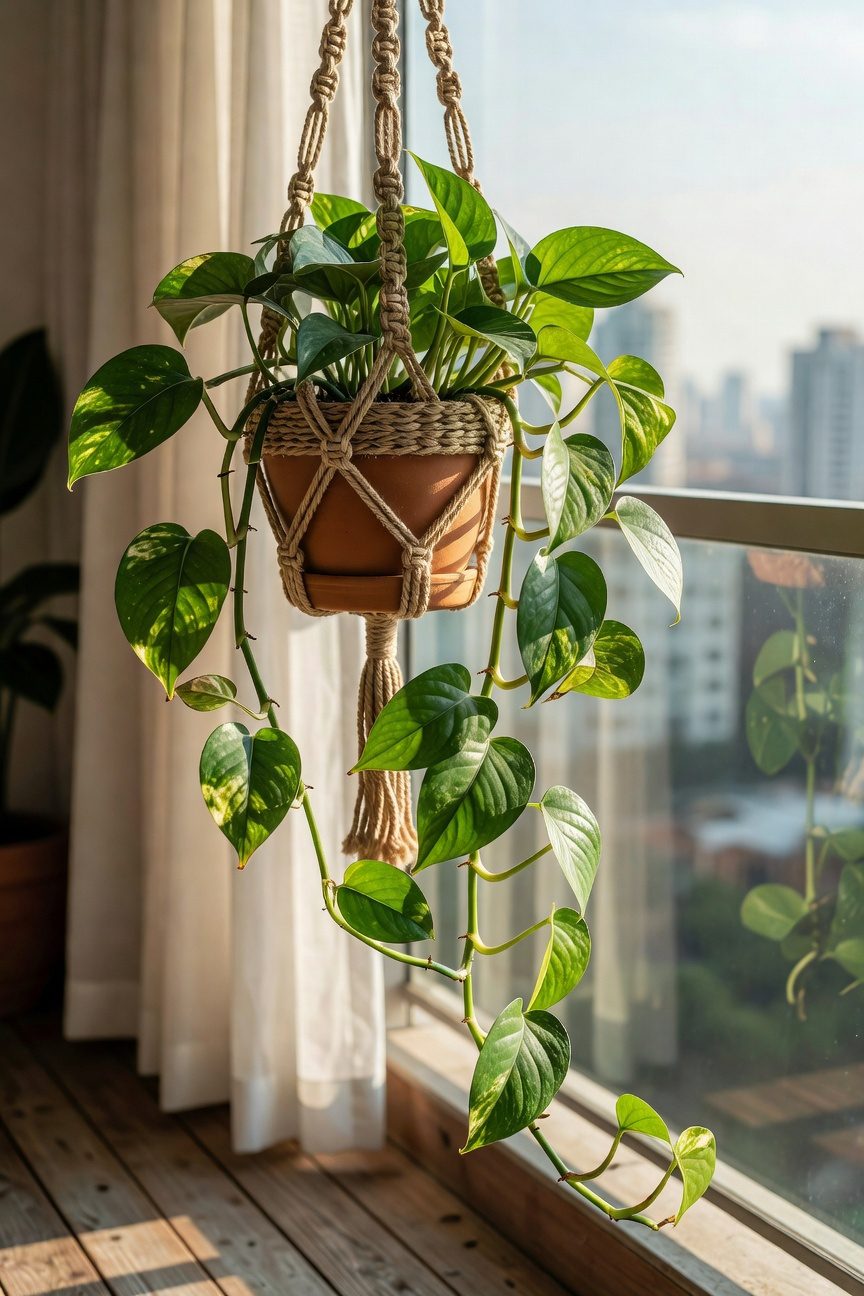
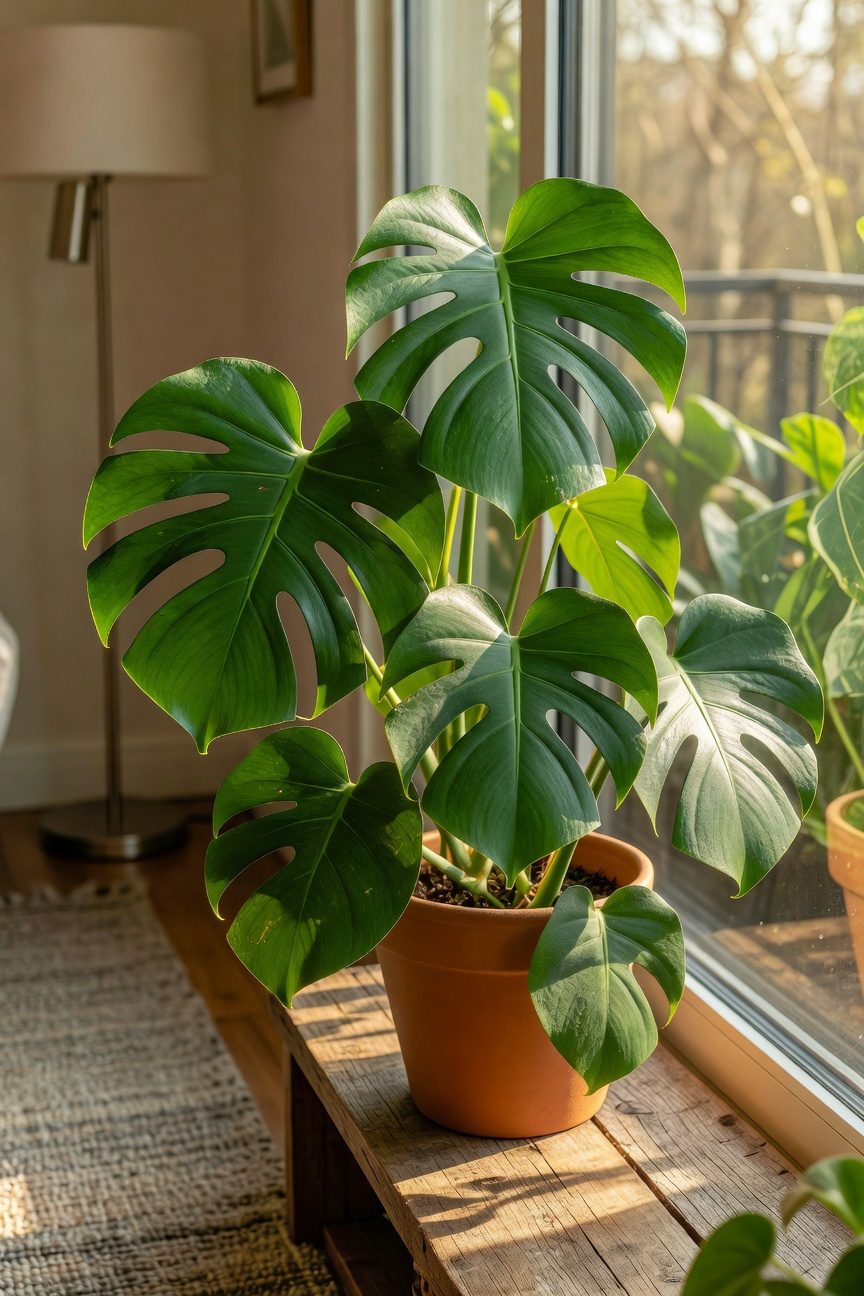
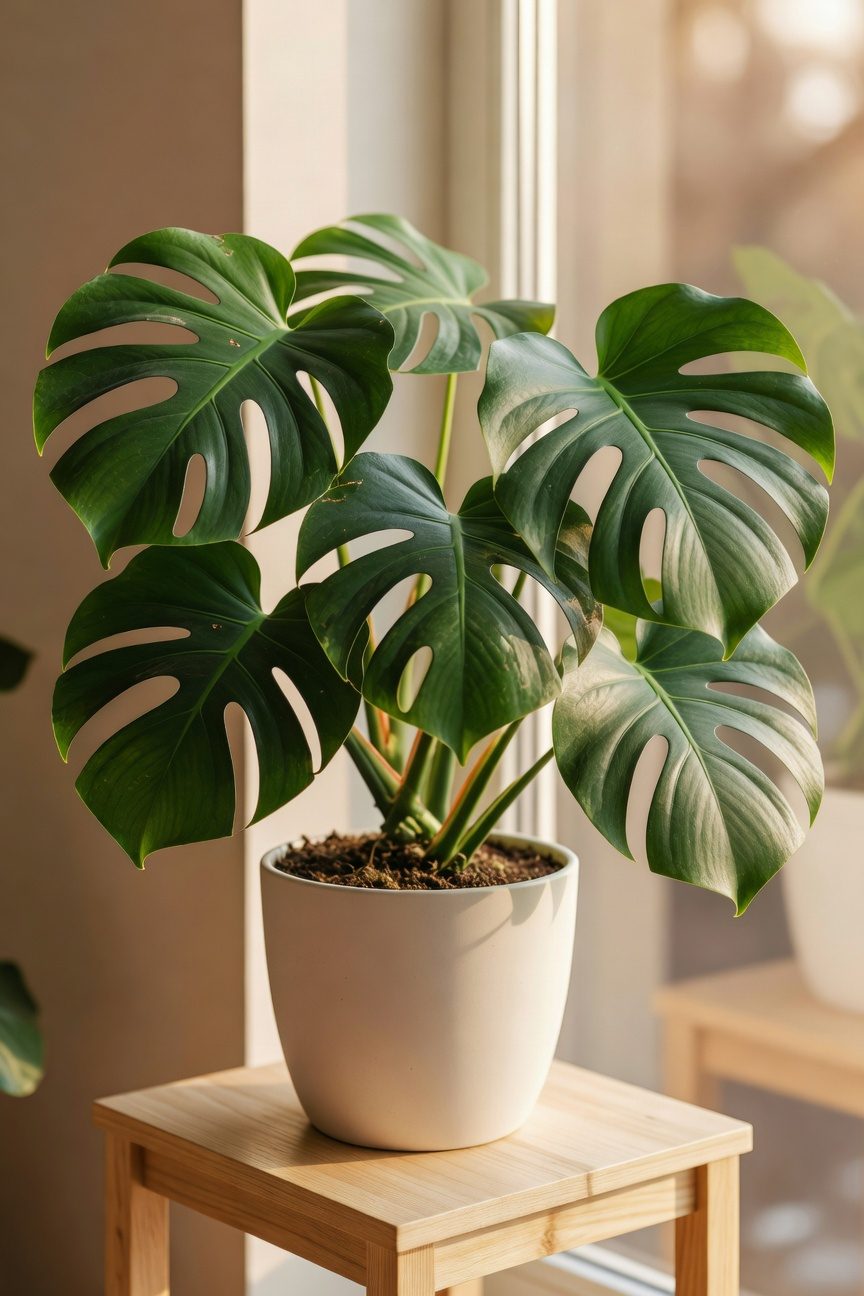
When you place a Monstera deliciosa in your living room, its big, perforated leaves instantly add a tropical vibe. Choose a sturdy plant container that holds soil well and prevents tipping. Position it near natural lighting, but avoid direct harsh sun; a bright, filtered window works best. Rotate the pot weekly for even growth. Keep leaves dust‑free with a soft cloth, and enjoy the safe, stylish statement.
ZZ Plant (Zamioculcas) – Low‑Maintenance Choice for Busy Parents
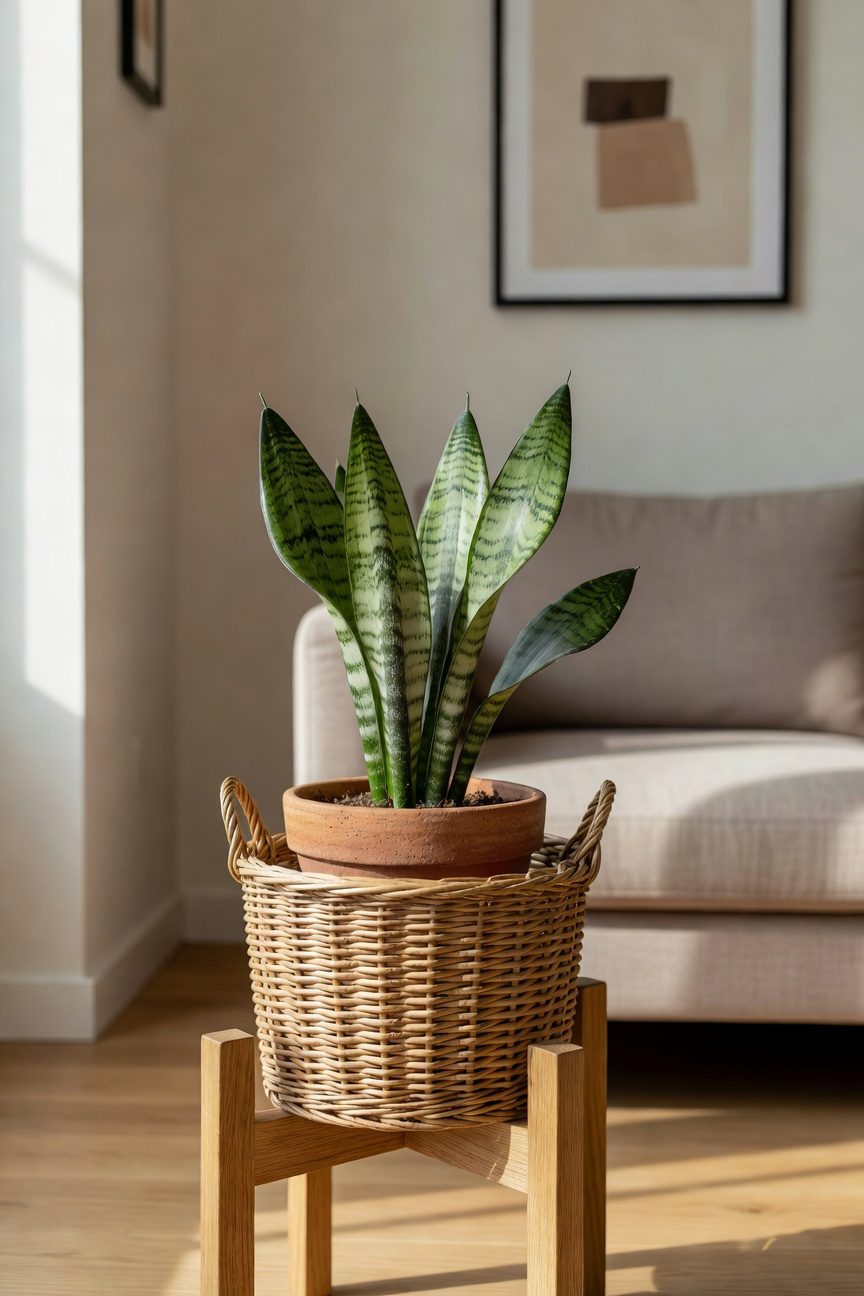
Even on the busiest mornings, the ZZ plant thrives with almost no fuss. You’ll love its sturdy leaves and safe, non‑toxic nature. Keep plant health high by watering sparingly, letting soil dry between drinks. Use needle pruning to remove dead tips, which encourages fresh growth. Place it near indirect light, avoid drafts, and enjoy a low‑maintenance green companion.
Choosing the Right Pot for a Fiddle‑Leaf Fig (Ficus Lyrata)
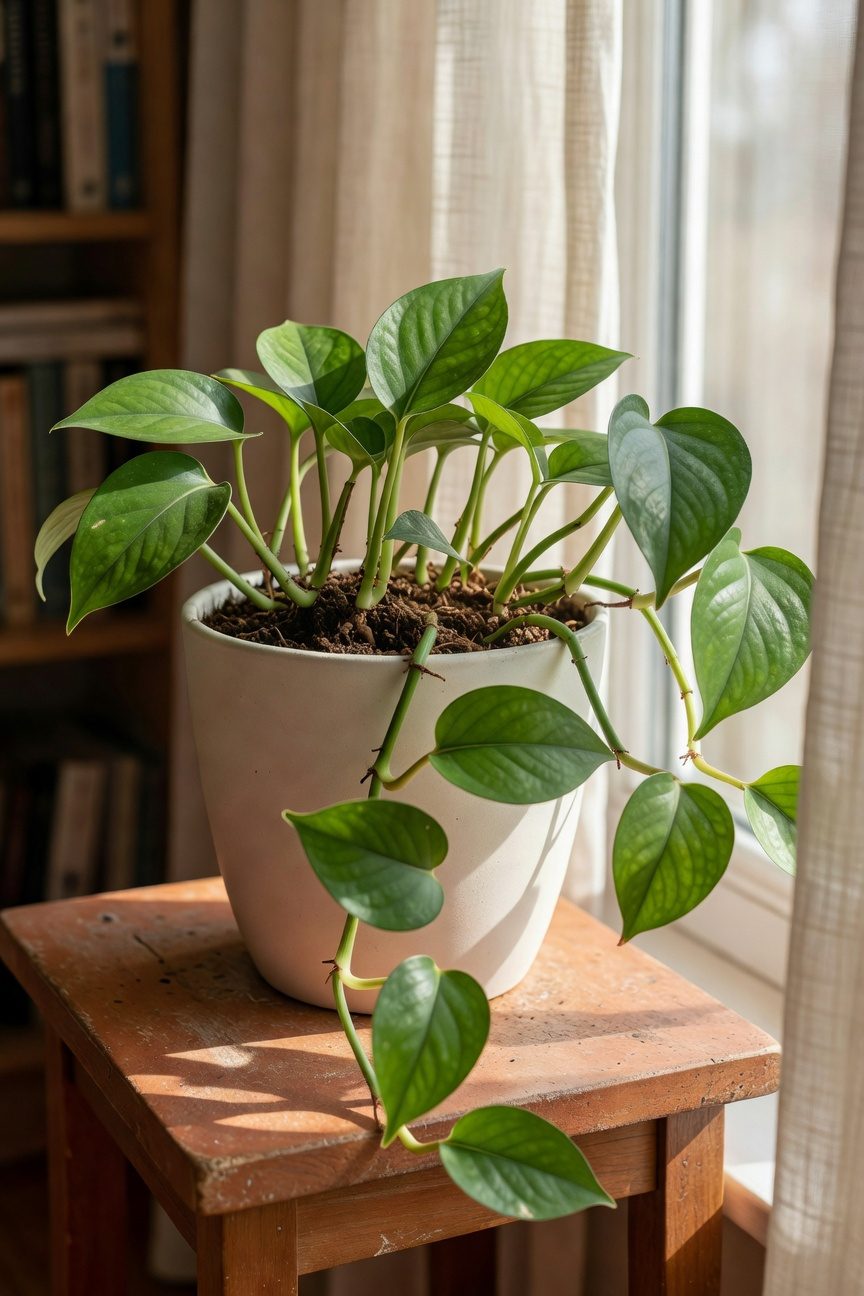
Which pot will let your fiddle‑leaf fig thrive while fitting your home style? Choose a sturdy Fiddle leaf pot with drainage holes, breathable material, and a wide base for stability. Avoid heavy ceramic that can tip; opt for terracotta or lightweight resin for safety. Match the pot’s color and texture to your Style plant vibe. Keep soil moist, not soggy, and enjoy healthy growth.
Light Requirements for Pothos (Epipremnum Aureum) in Sun‑Lit Spaces
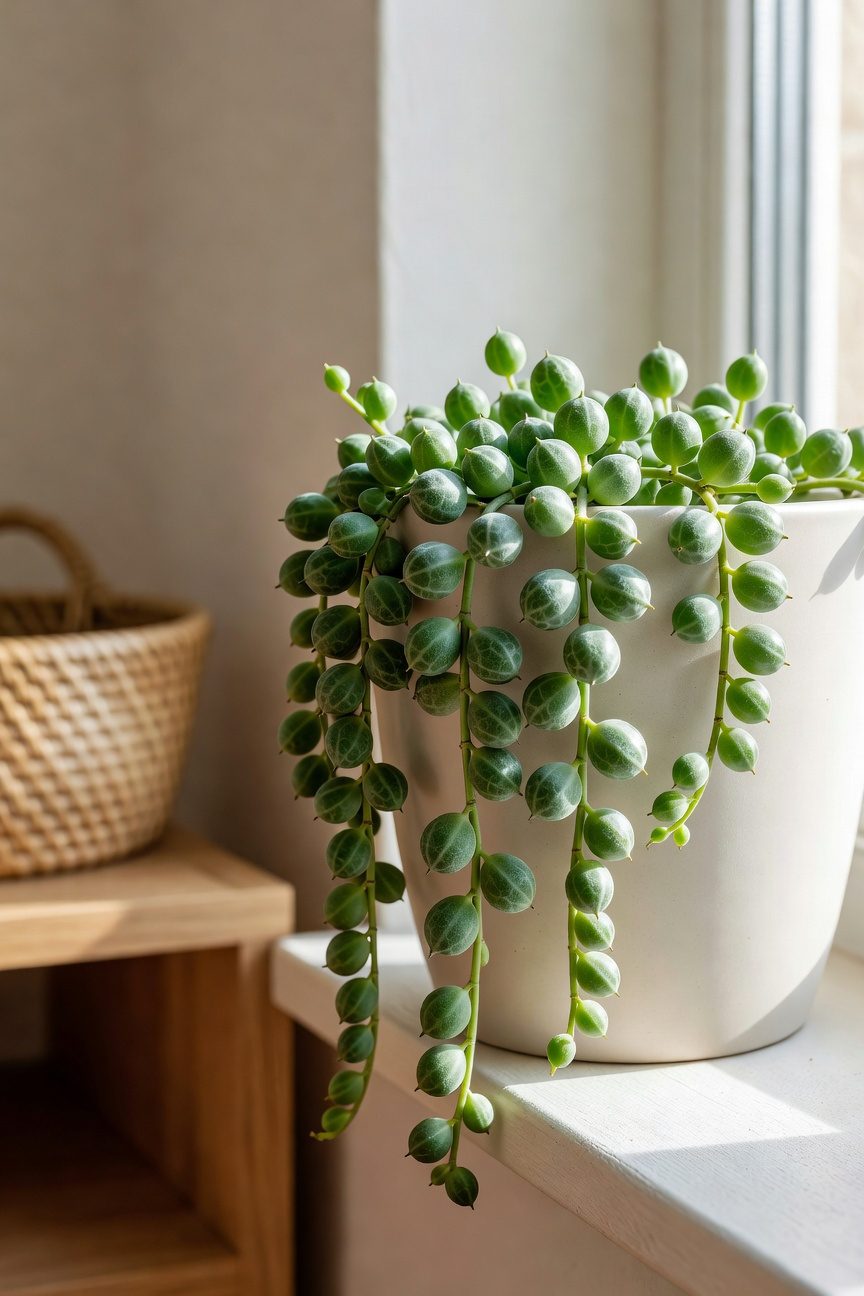
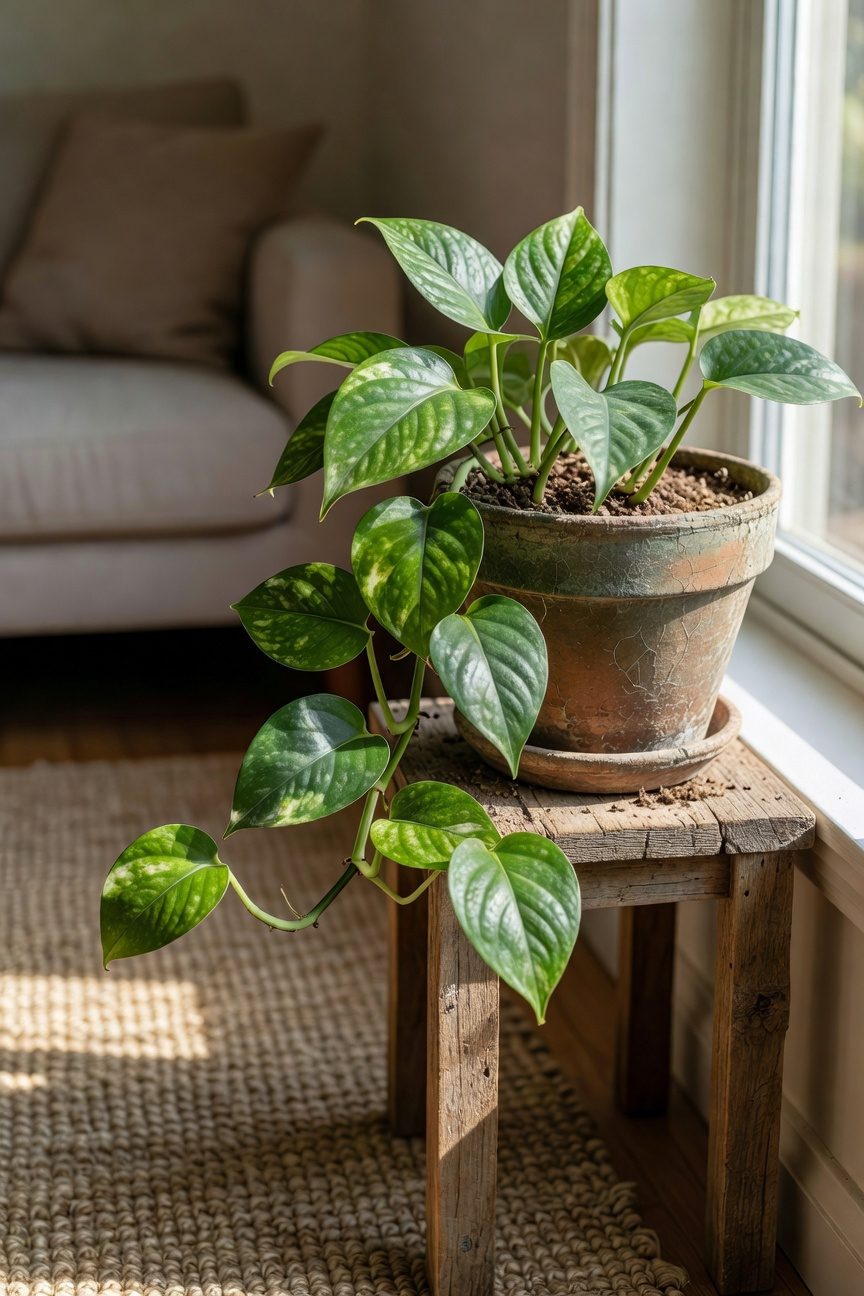
If you place a pothos in a sunny spot, it’ll love the bright, indirect light but won’t tolerate harsh, direct sun. Choose a north‑ or east‑facing window, where light intensity stays moderate. Keep the foliage vibrant; plant color thrives under gentle glow. Rotate the pot weekly to avoid uneven growth. Avoid scorching by using sheer curtains. Enjoy a safe, lively display.
Watering Tips for Peace Lily (Spathiphyllum) to Prevent Root Rot
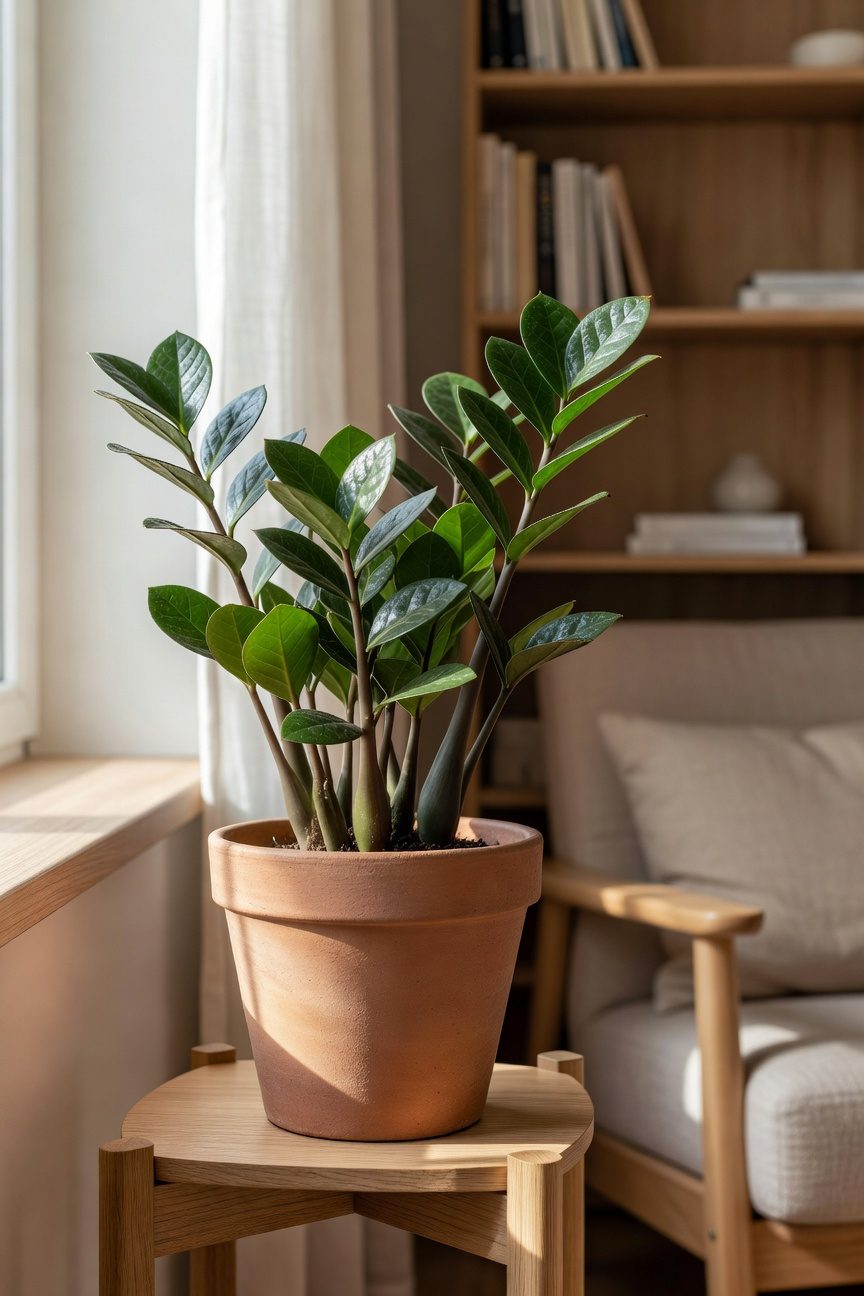
When you water a peace lily, aim for moist but not soggy soil, because excess water invites root rot. Check the top inch; if it feels dry, water lightly. Keep watering frequency low, once a week in cooler rooms, less in winter. Ensure soil aeration by using a pot with drainage holes and a light, airy mix. Avoid standing water; let excess drain fully. This routine protects roots and keeps the plant thriving.
Best Soil Mix for Indoor Rubber Plants (Ficus Elastica)
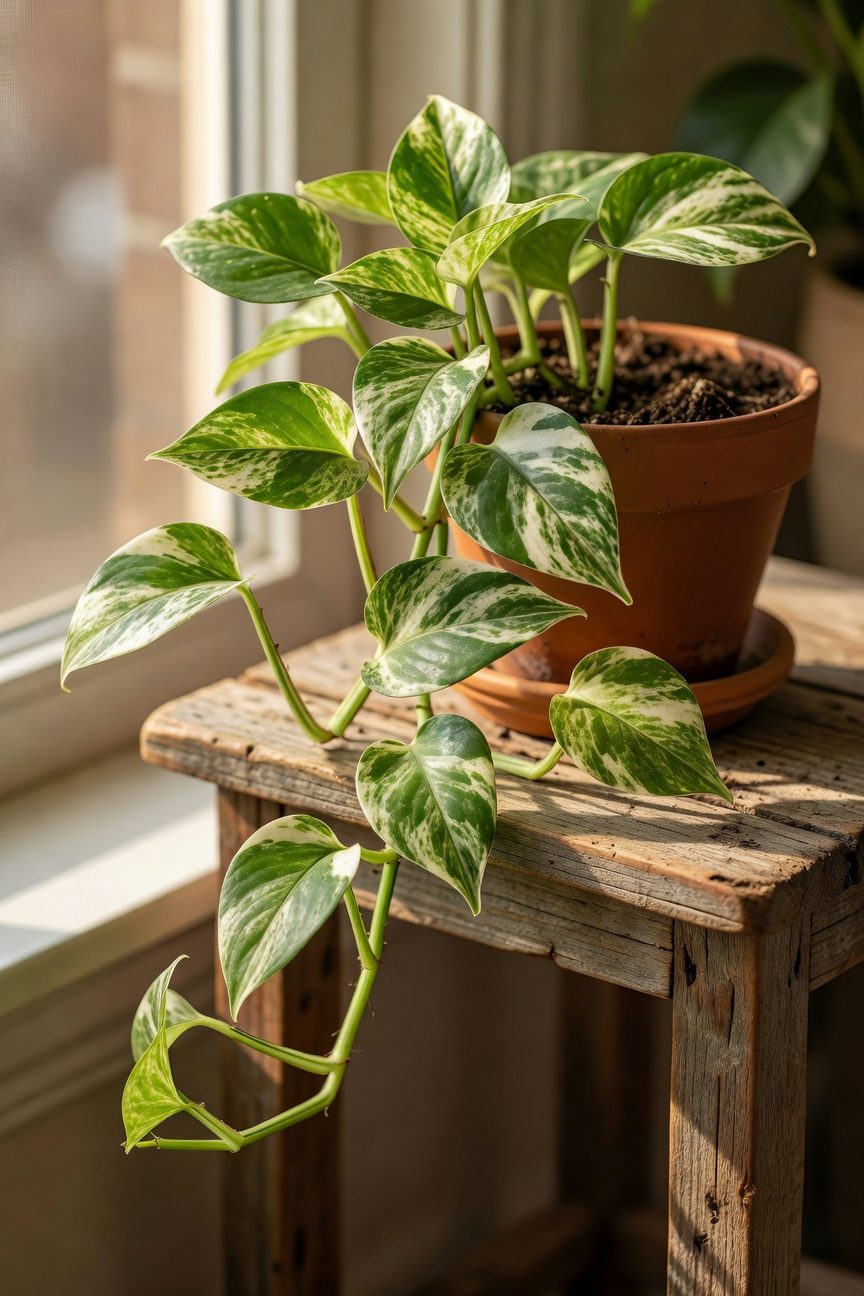
The soil you choose for a rubber plant must drain well but still hold enough moisture for its thick roots. Use a light potting mix, add perlite or coarse sand for drainage, and mix in a few handfuls of peat moss. Add compost as a soil amendment for nutrients. Keep the mix airy, avoid soggy pockets, and monitor moisture for safe plant care.
Propagating Spider Plant (Chlorophytum Comosum) From Plantlets
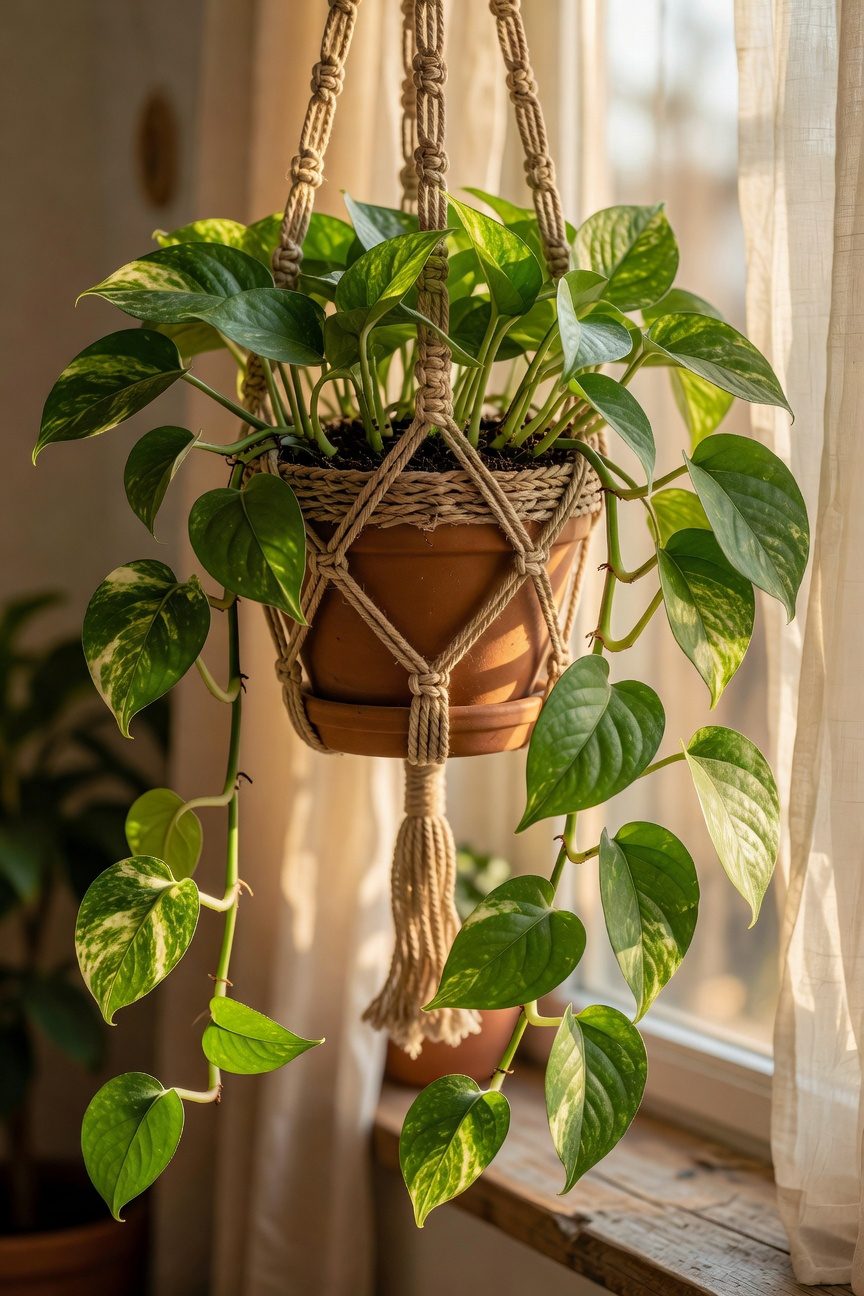
Even though spider plants send out tiny plantlets on long stems, you can turn those babies into full‑grown greens in just a few steps. Cut a healthy plantlet, place it in a clean plant container with moist potting mix, keep it out of direct sun, and follow a gentle watering schedule, mist lightly every few days. Watch roots form, then transplant when sturdy.
Common Propagation Mistakes and How to Avoid Them
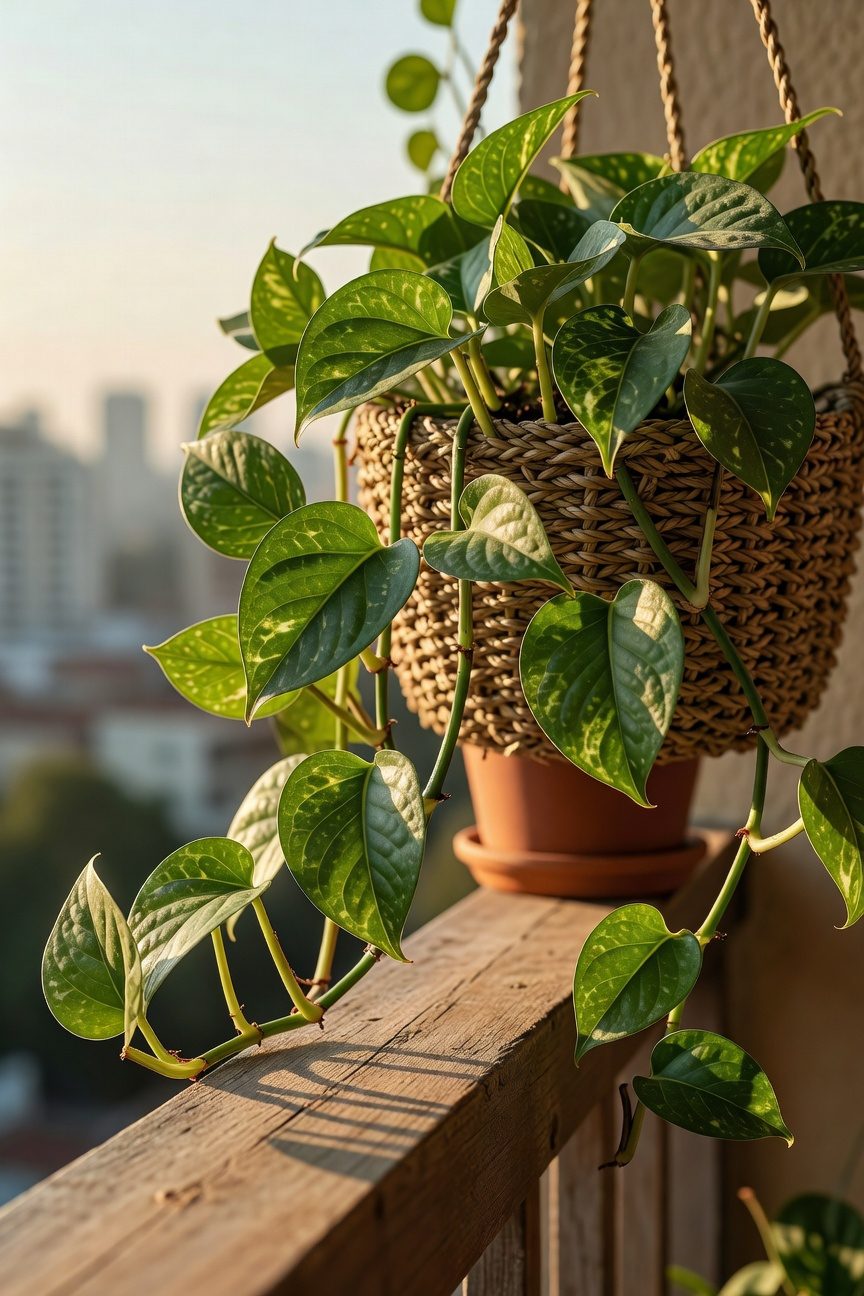
A common slip in plant propagation is over‑watering, which drowns cuttings and invites rot. You should let cuttings dry briefly before planting, and use a well‑draining mix. Avoid pruning mistakes; cut at a clean angle and remove dead leaves. Keep soil contamination low by sterilizing containers and using fresh potting media. Follow these steps, and your new plants will thrive safely.
Styling Philodendron Heartleaf on a Hanging Shelf
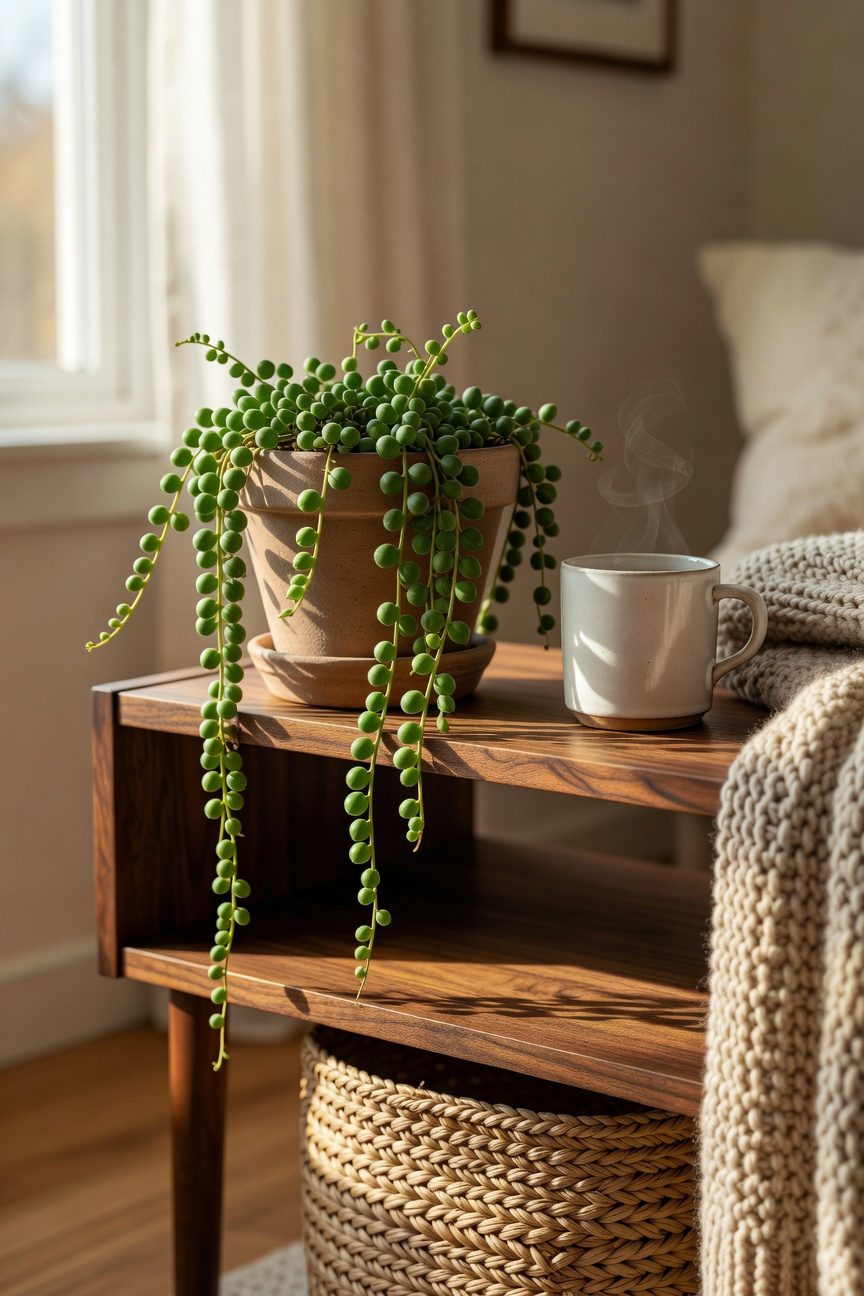
Ever wonder how to make a philodendron heartleaf look stunning on a hanging shelf? Secure the pot with sturdy brackets, then arrange hanging shelf arrangements evenly for balance. Follow philodendron care essentials: bright indirect light, weekly watering, and occasional misting. Trim yellow leaves, rotate the pot monthly, and keep pets away. Your leafy display will thrive safely and stylishly.
Ideal Humidity Levels for Boston Fern (Nephrolepis Exaltata) in Living‑Rooms
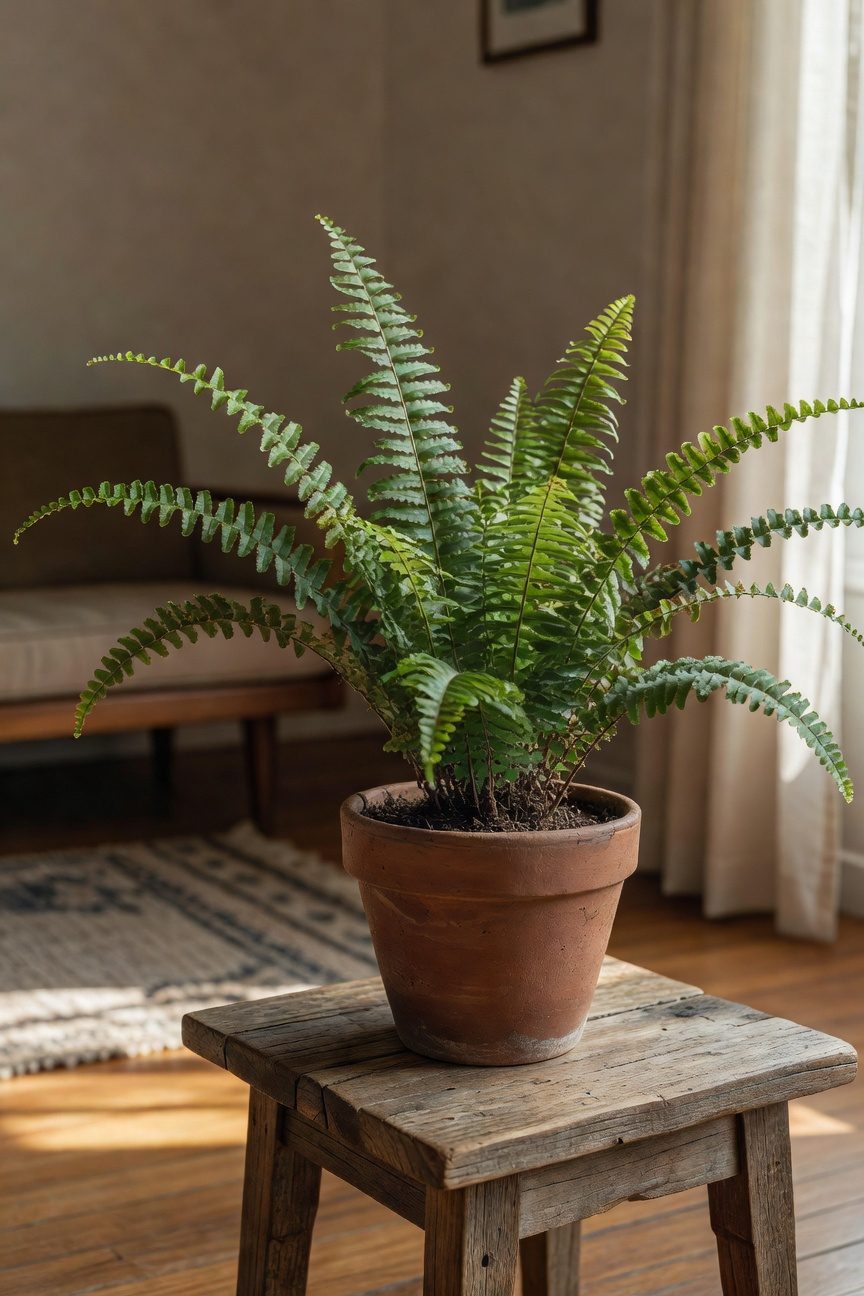
When you keep a Boston fern in a living‑room, aim for humidity around 50‑70 % to keep it happy. Use a humidifier, mist daily, or place a water‑filled pebble tray for simple humidity control. Position the fern near a window but avoid direct drafts. This plant decor thrives in steady moisture, so monitor levels regularly and adjust with a hygrometer for safe, consistent care.
Using Saucers With Dracaena (Dracaena Marginata) for Mess‑Free Watering
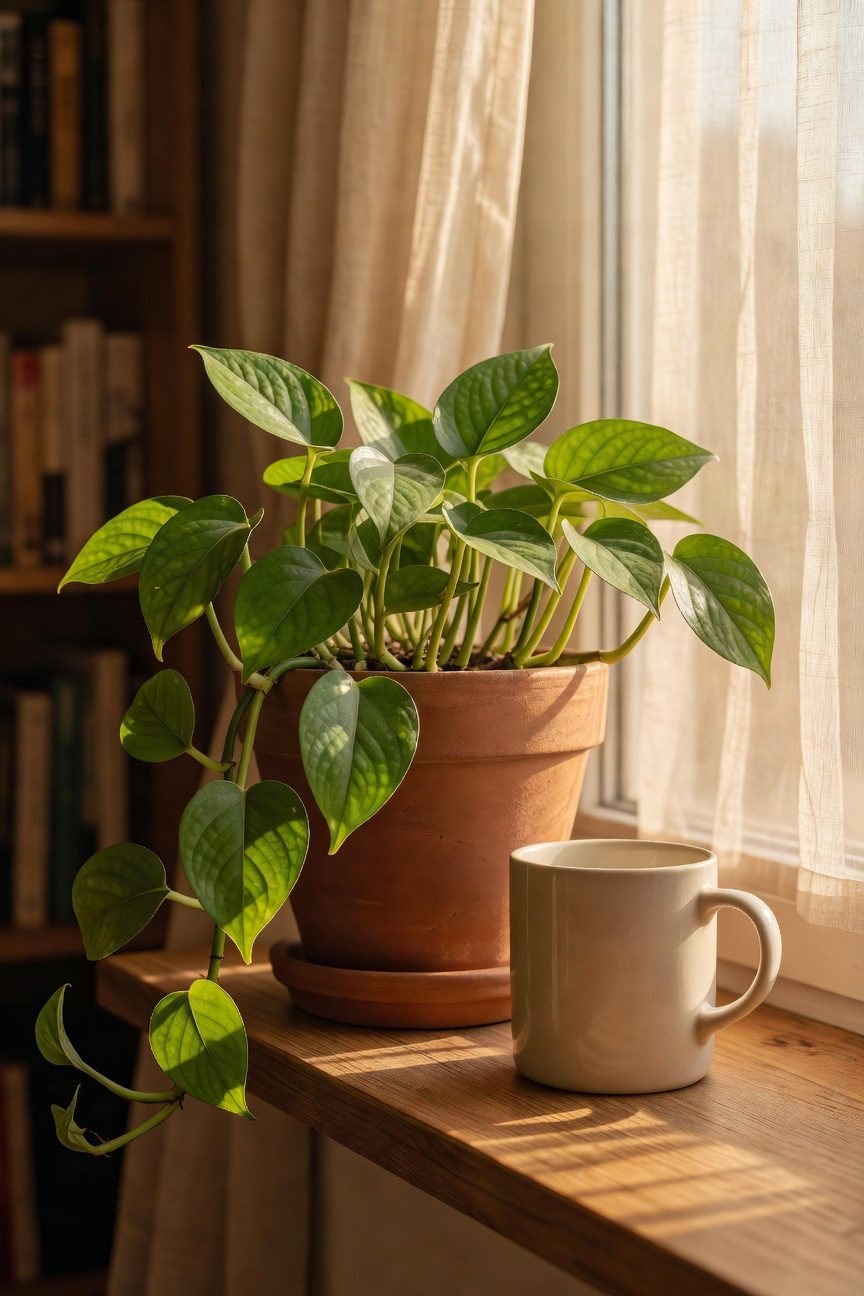
Keeping a Boston fern happy with steady humidity sets the stage for clean watering tricks with other houseplants. Place a saucer under your Dracaena marginata. Choose a saucer that fits snugly, then fill it with water. Let the plant sip as needed. This method prevents spills, eases saucers maintenance, and boosts watering convenience. Check the saucer often, empty excess, and enjoy tidy, safe watering.
How to Trim a Snake Plant for a Fuller, Bushier Look
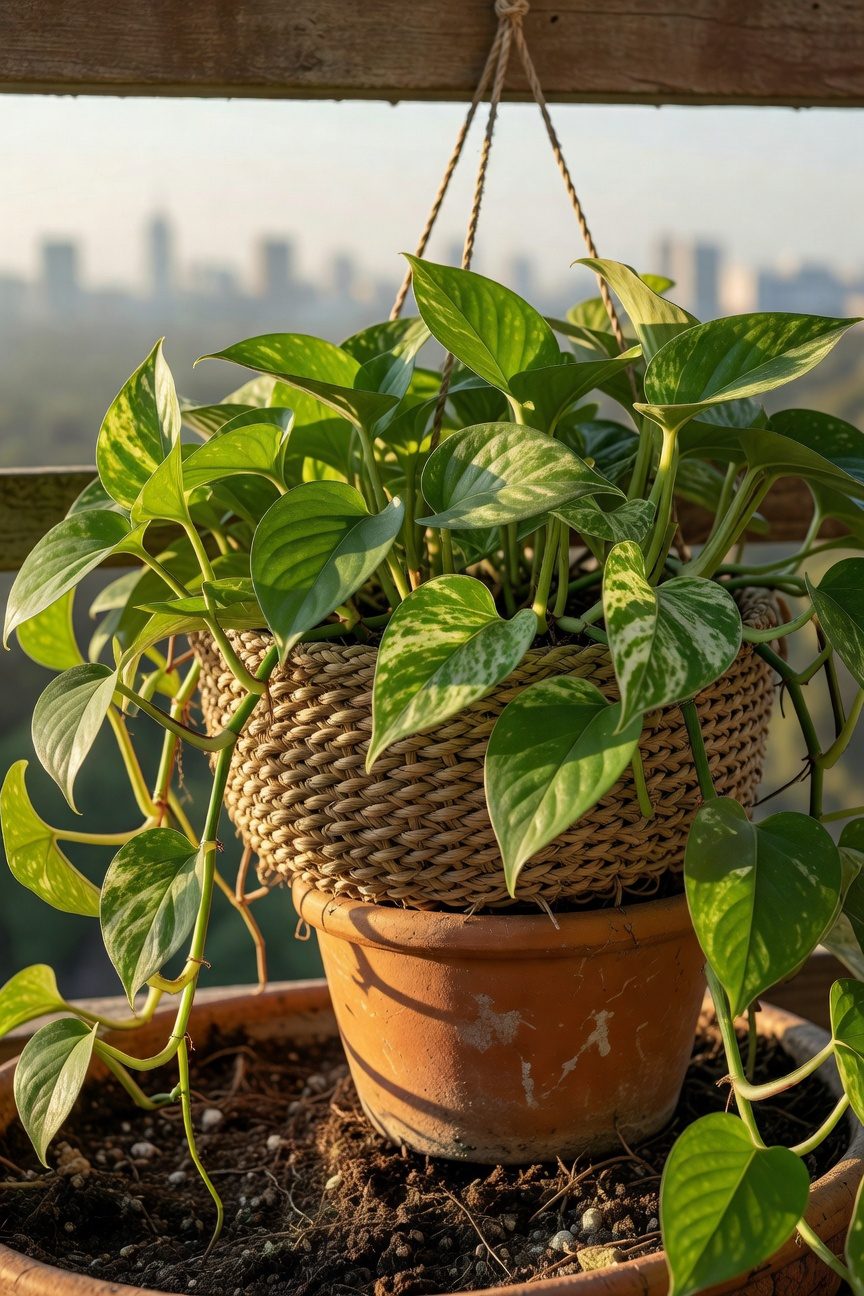
If you want your snake plant to look fuller and bushier, start by trimming the long, top‑growing leaves. Use clean, sharp scissors, wear gloves, and cut just above a leaf node for pruning safety. Dispose of cut pieces, then place them in water or soil for propagating techniques. Keep cuts even, avoid over‑cutting, and enjoy a lush, vibrant plant.
Pairing Calathea With Ambient Lighting for Striking Foliage
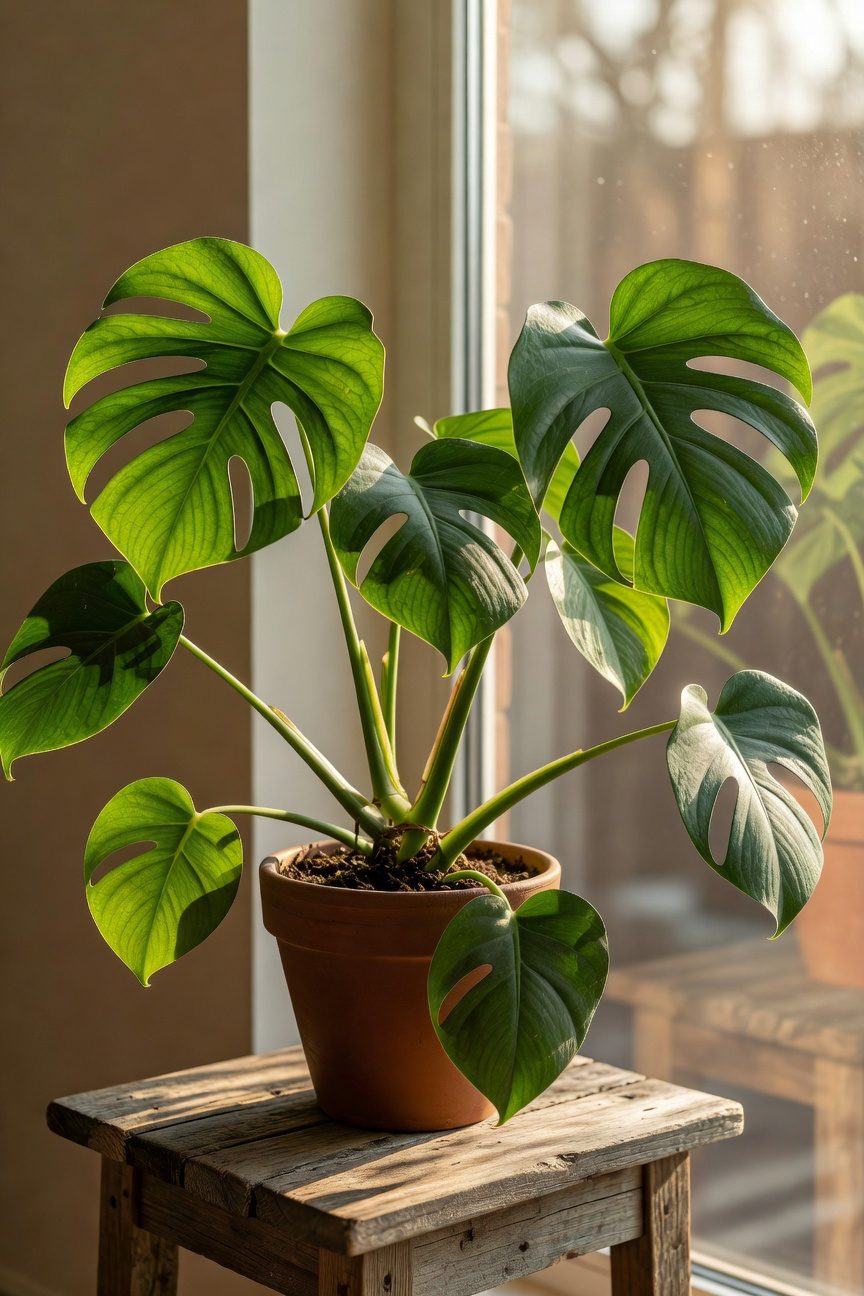
Calathea thrives best under gentle, diffused light, so place it near a north‑facing window or behind a sheer curtain. Choose a spot where ambient lighting creates subtle color contrast, letting deep greens pop against soft shadows. Adjust lamp brightness to avoid glare, and use a dimmer for evening effects. Keep the area stable, avoid drafts, and enjoy the striking foliage safely.
Best Placement for a Succulent Stack (Echeveria, Haworthia) Near a Window
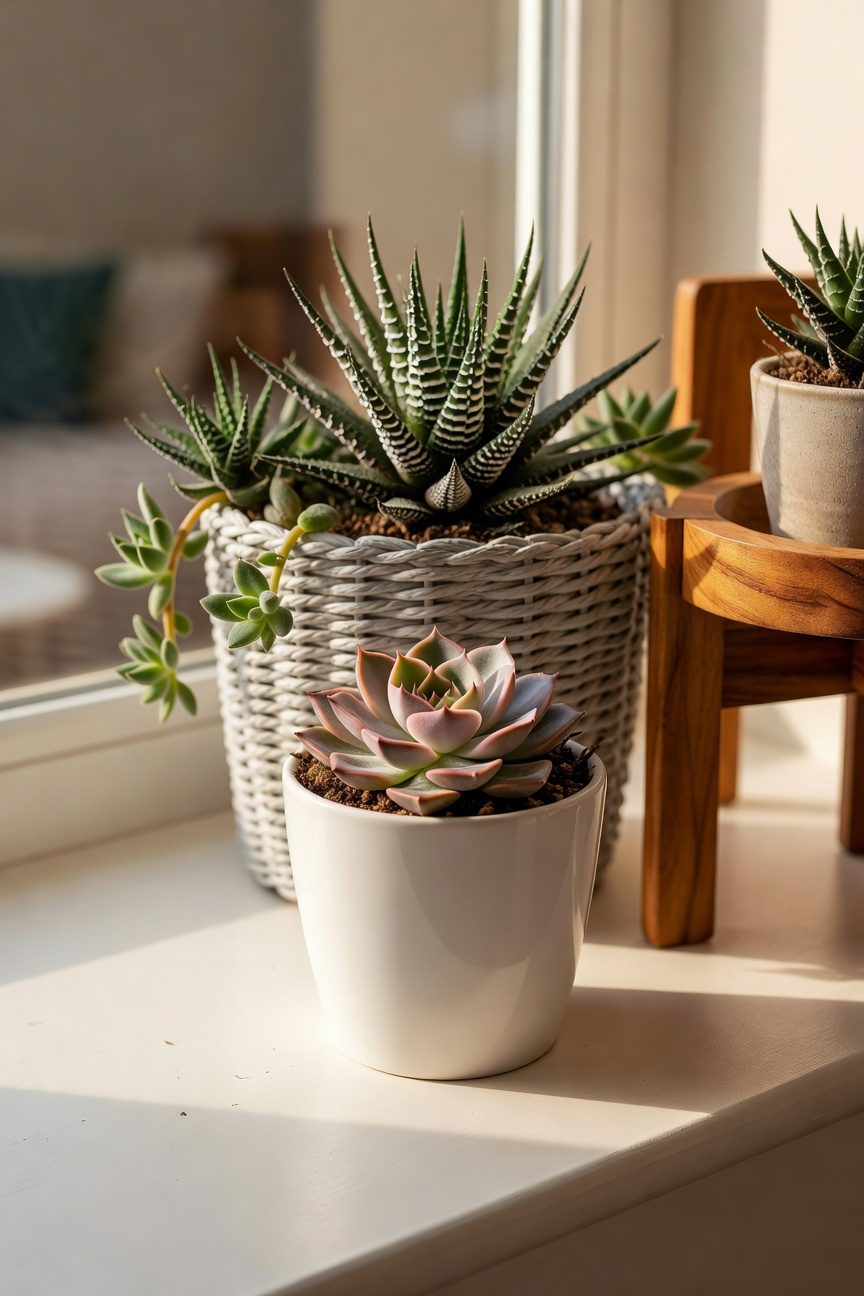
When you set a succulent stack by a window, aim for bright, indirect light that mimics a sunny porch. Place the echeveria arrangement where morning sun kisses the leaves, but avoid harsh afternoon glare. Keep the pot on a stable shelf, away from drafts. Water sparingly, succulent watering only when soil feels dry. Rotate the stack monthly for even growth.
How to Control Pests on Chinese Evergreen (Aglaonema) Naturally
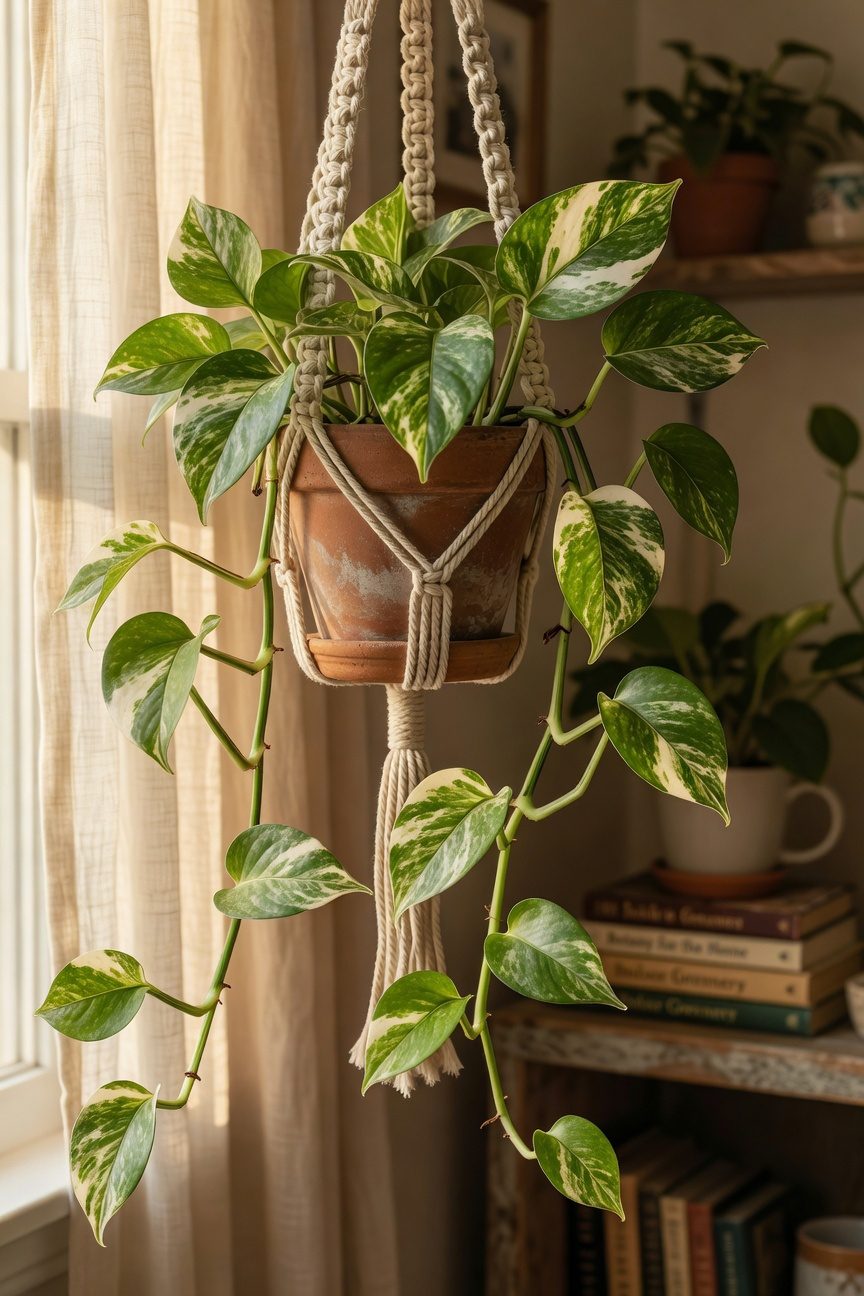
After arranging your sunny succulent stack, turn your attention to the Chinese Evergreen, which often attracts tiny pests like spider mites and mealybugs. Spray a gentle neem oil spray early morning, repeat weekly. Wipe leaves with a damp cloth to remove insects. Use natural pest control by introducing ladybugs. Feed with organic fertilizers monthly to boost plant health and deter future infestations.
Creating a “Green Corner” With Tall and Trailing Living‑Room Plants
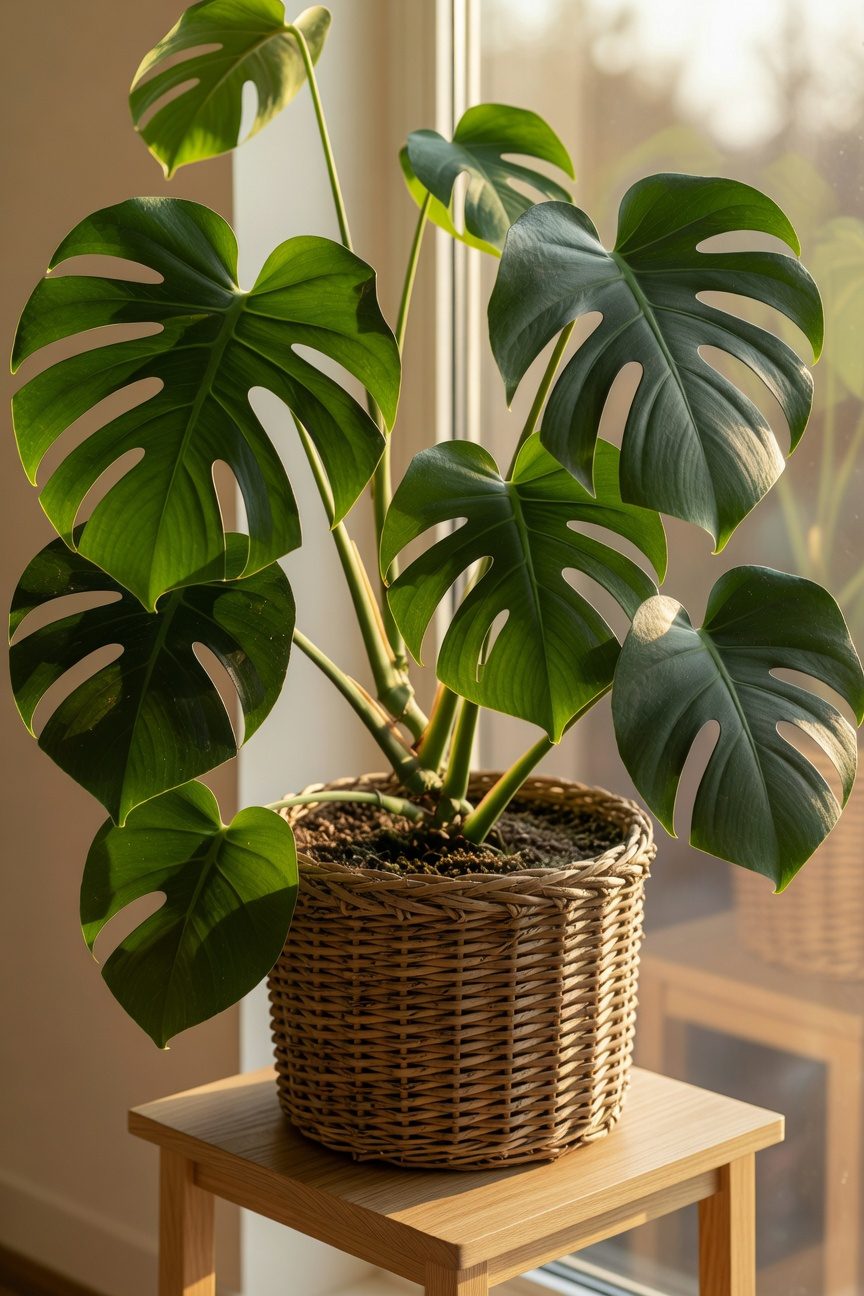
If you want a striking, living focal point, start by picking one tall plant and a couple of trailing vines. Choose a sturdy fiddle‑leaf fig for height, and pothos or string of pearls for draping. Position them near a window for bright indirect light, and they’ll boost indoor air and plant aesthetics. Keep pots stable, use saucers, and enjoy your fresh, safe corner.
Pet‑Safe Plant Picks for Kids: Why the Spider Plant Is Ideal
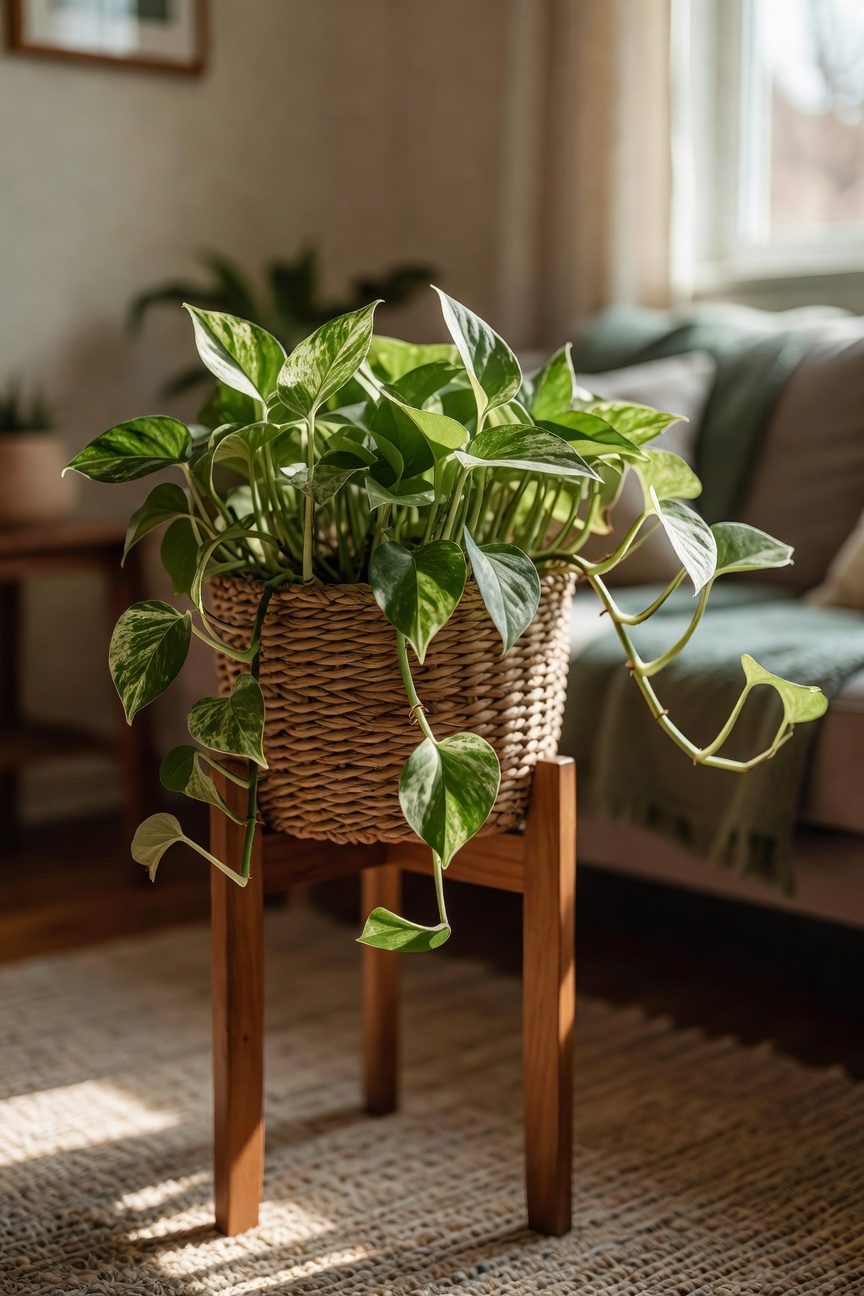
Because kids love to explore and pets love to nibble, a plant that’s safe for both is a must. Choose a spider plant, it’s a non toxic plant that thrives indoors. It resists indoor plant toxins, so you won’t worry about accidental ingestion. Keep it in a bright spot, water weekly, and trim brown tips. It’s easy, safe, and kid‑friendly.
Boost Light in Small Living Rooms With Shelf‑Mounted Plants
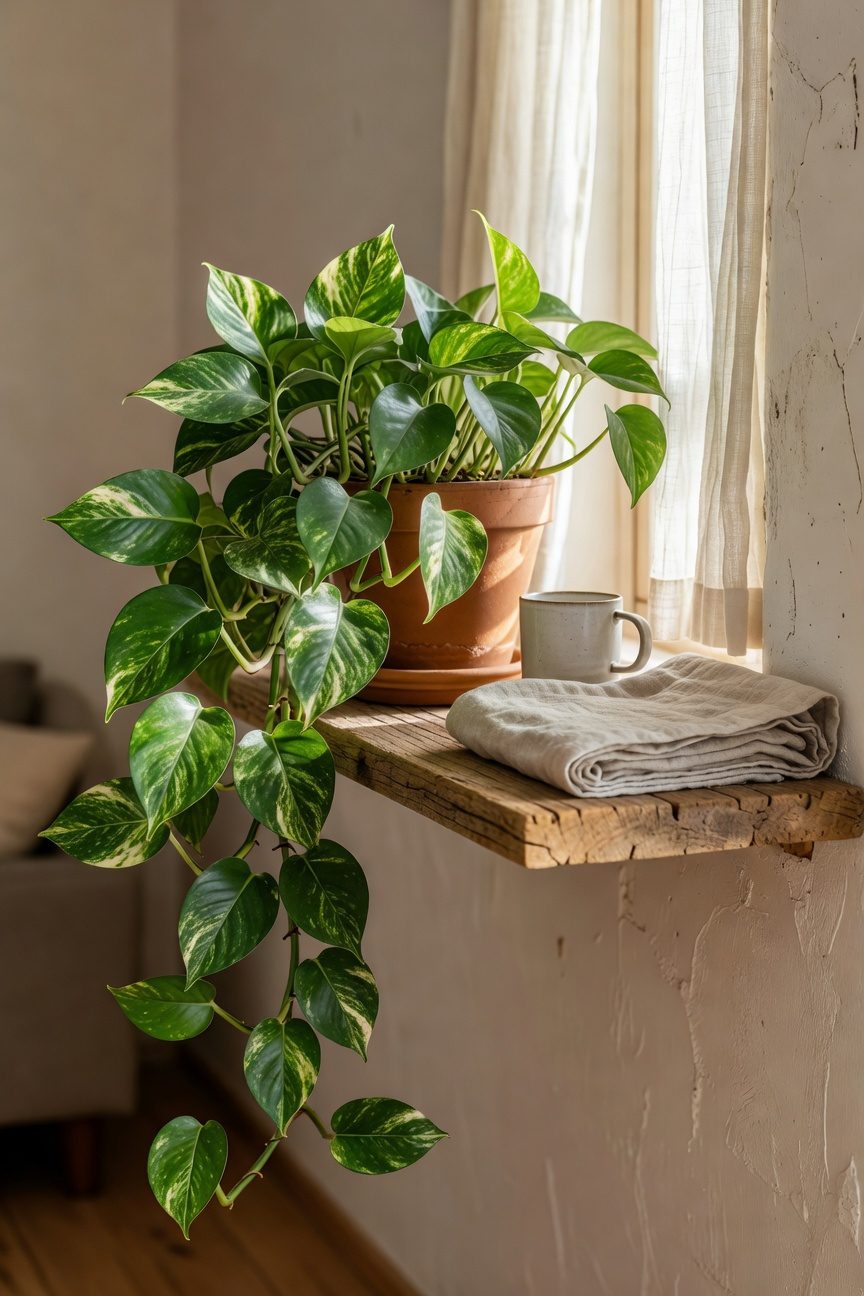
Spider plants are great for safety, and they also love light, so put them on a shelf to brighten a tiny living room. Choose bright plant color combinations, like green and white, to reflect light. Mix tall and trailing varieties for botanical art integration. Keep pots stable, avoid drafts, and rotate plants weekly for even growth. Enjoy a safer, brighter space.
Seasonal Care Tips for Your Fiddle‑Leaf Fig (Spring‑Winter)
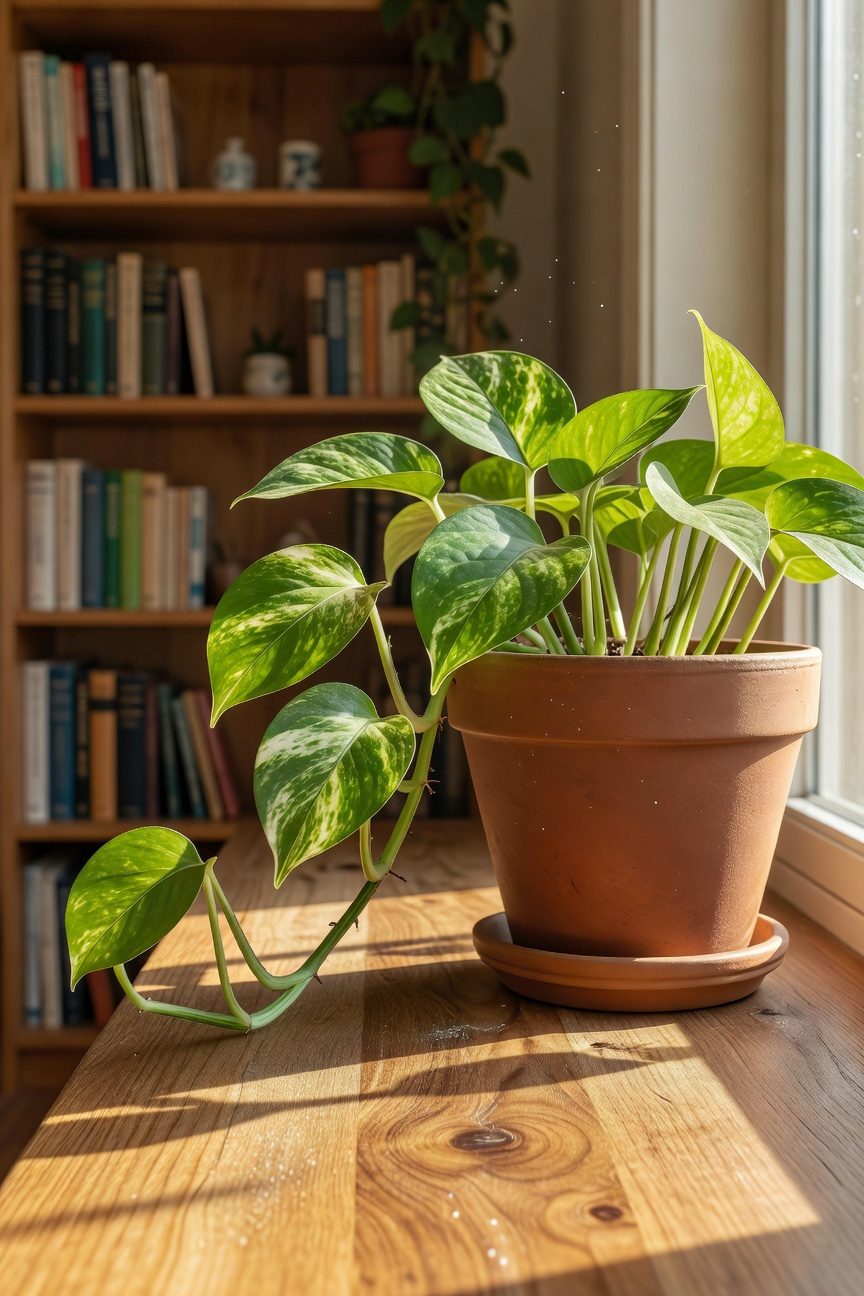
When spring arrives, give your fiddle‑leaf fig a gentle wake‑up call by moving it to a brighter spot and cutting back on winter watering. Check soil moisture, water only when top inch feels dry, and avoid over‑watering during plant dormancy. Apply a light balanced fertilizer in early spring, then switch to seasonal fertilization every six weeks. Prune yellow leaves, keep drafts away, and enjoy steady growth.
Choosing Decorative Ceramic Pots for Living‑Room Plants
Choosing the right ceramic pot can turn a plain living‑room plant into a stylish centerpiece. Pick a solid ceramic design with a smooth glaze, so it won’t chip or crack. Check pot durability by feeling weight and testing stability on a flat surface. Use a saucer to catch water, preventing floor spills. Match colors to décor, and enjoy a safe, chic display.
How to Keep Living‑Room Plants Healthy While Traveling (Plant‑Sitter Guide)
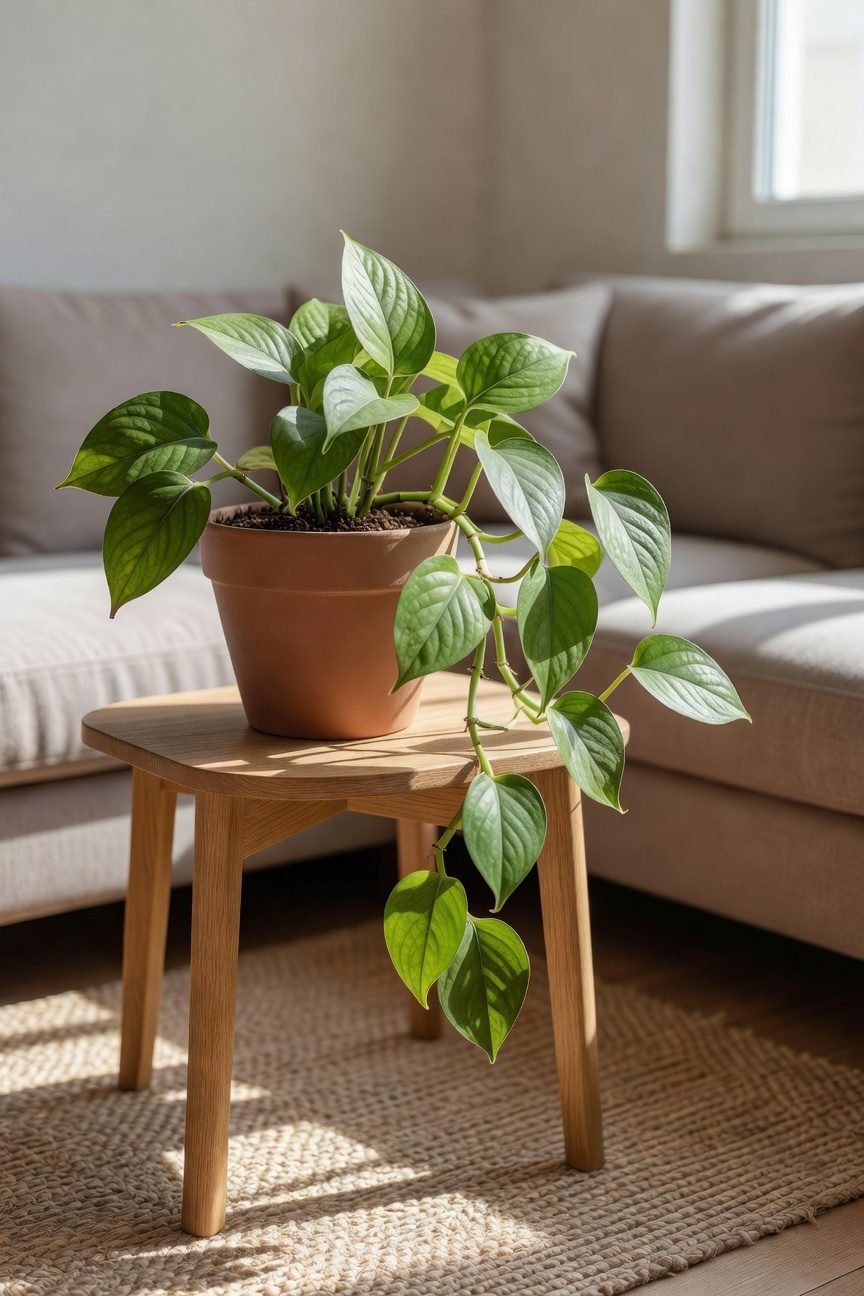
If you’re heading out of town, a quick plant‑sitter plan can keep your living‑room greens thriving. Choose a trusted friend, give clear watering times, and set a drip tray for excess moisture. Pack a balanced fertilizer for plant nutrition, and place pots near windows to boost indoor air quality. Remind the sitter to check soil moisture, avoid drafts, and enjoy peace of mind.
Final Takeaways
Enjoy your green haven, pick low‑light heroes, pot them right, and give them a splash of love. Water, light, and a tidy spot keep each leaf thriving. Remember, a happy plant means fresh air, bright décor, and safe play for kids and pets. Rotate pots for even growth, dust leaves for max photosynthesis, and set a simple watering schedule. With these easy steps, your living‑room will blossom into a calm, stylish sanctuary for the whole family.