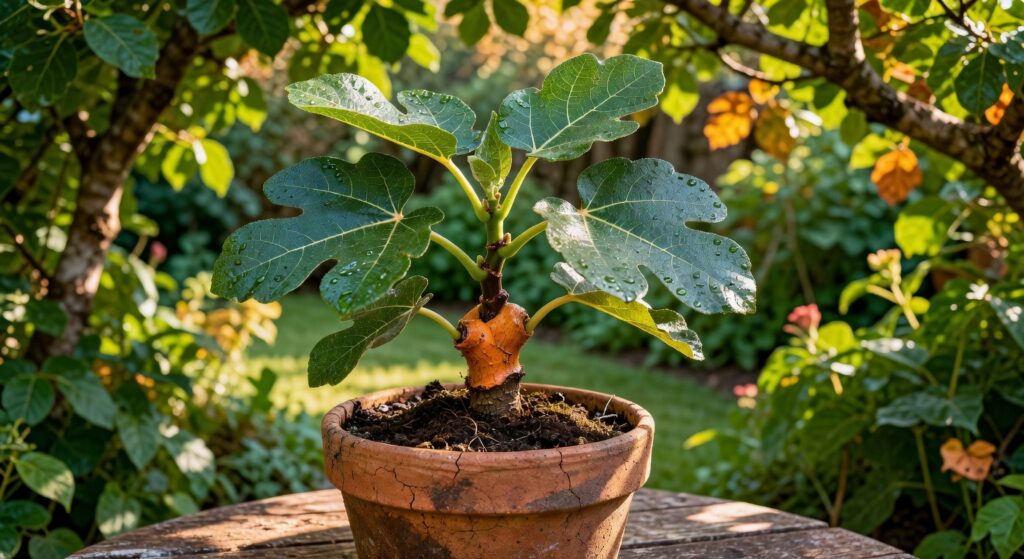
You’ll love grafting a mix of classics and exotics this season, apple, cherry, peach, and pear give reliable fruit, while fig, avocado, and pomegranate add a twist. Try ornamental roses and hydrangeas for color, and experiment with disease‑resistant rootstocks to boost vigor. Each plant offers simple steps, quick results, and a chance to expand your garden’s palette. Ready to see which graft will surprise you next?
What Is an SEO Checklist for E‑Commerce?
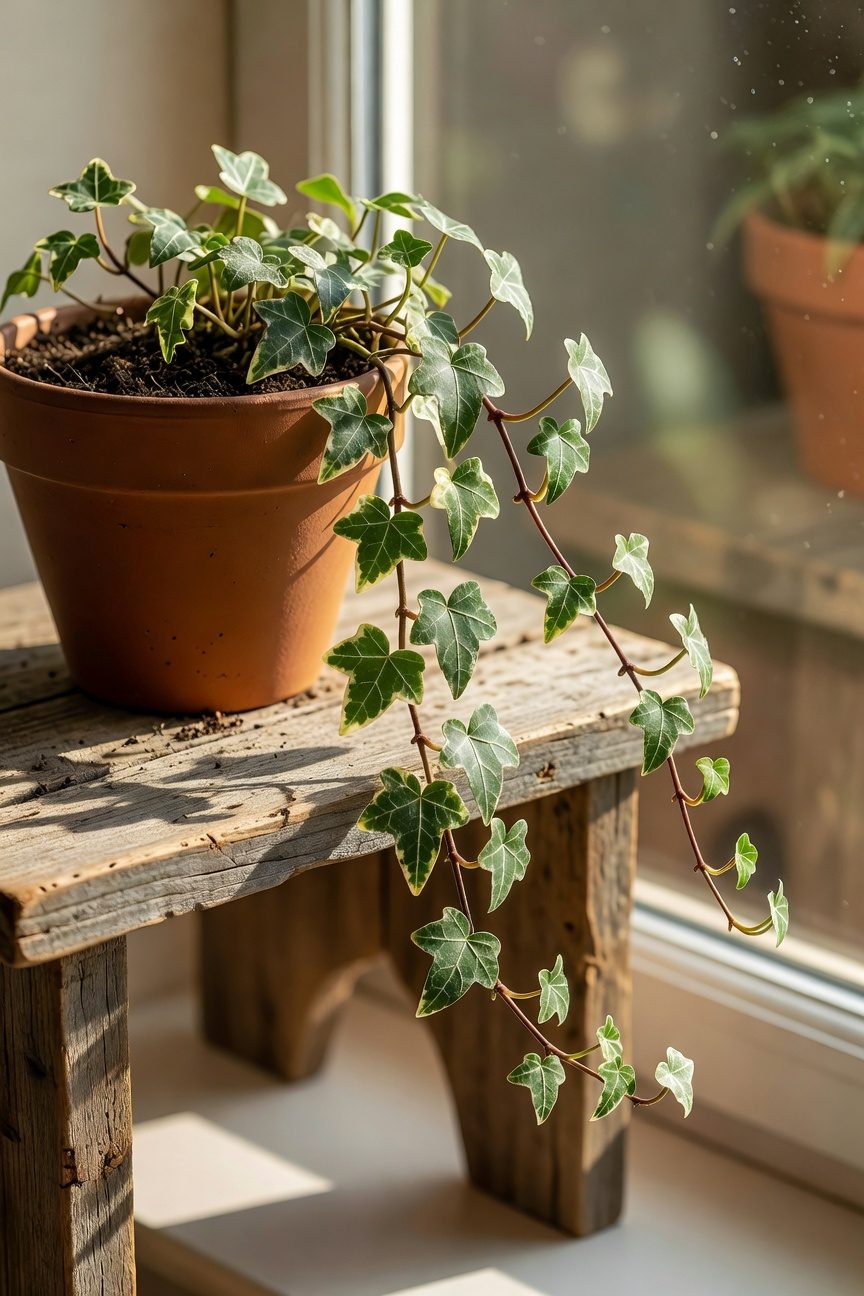
If you want your online store to rank higher, start with a solid SEO checklist. Check titles, meta tags, and alt text for safety‑focused keywords. Add plant propagation guides and grafting techniques articles to attract niche traffic. Use clean URLs, fast loading pages, and secure HTTPS. Write clear product descriptions, include reviews, and monitor rankings regularly. Keep it simple, safe, and effective. Incorporate content about vertical space optimization with hanging plants to appeal to home improvement audiences seeking aesthetic and practical solutions. Consider featuring tropical plant care resources to establish authority and build trust with gardening enthusiasts exploring exotic species for their homes.
Why SEO Matters for Online Stores
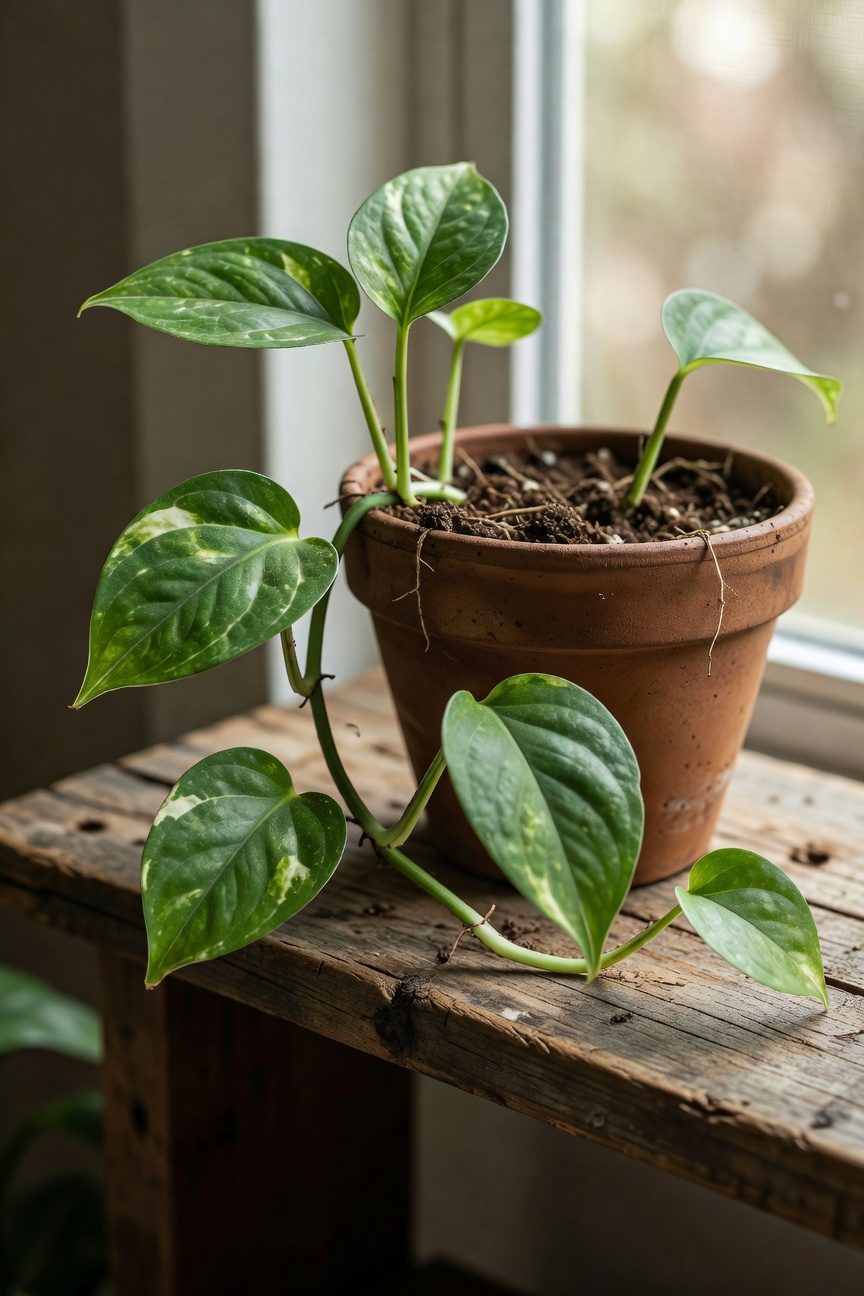
Because search engines decide who shows up first, good SEO is the lifeline of any online store. You protect your brand by ranking high, attracting safe traffic, and avoiding risky shortcuts. Use plant propagation analogies to explain growth: nurture keywords like seedlings. Apply grafting techniques metaphorically, blend content and links for stronger roots. Just as stunning indoor plants transform a space with visual appeal, strategic keyword placement transforms your content’s searchability and impact. Monitor results, adjust gently, and stay consistent. Similar to how plant care consistency determines thriving growth, regular optimization and maintenance of your SEO strategy ensures sustained visibility and ranking improvements.
How to Perform Keyword Research for Product Pages?
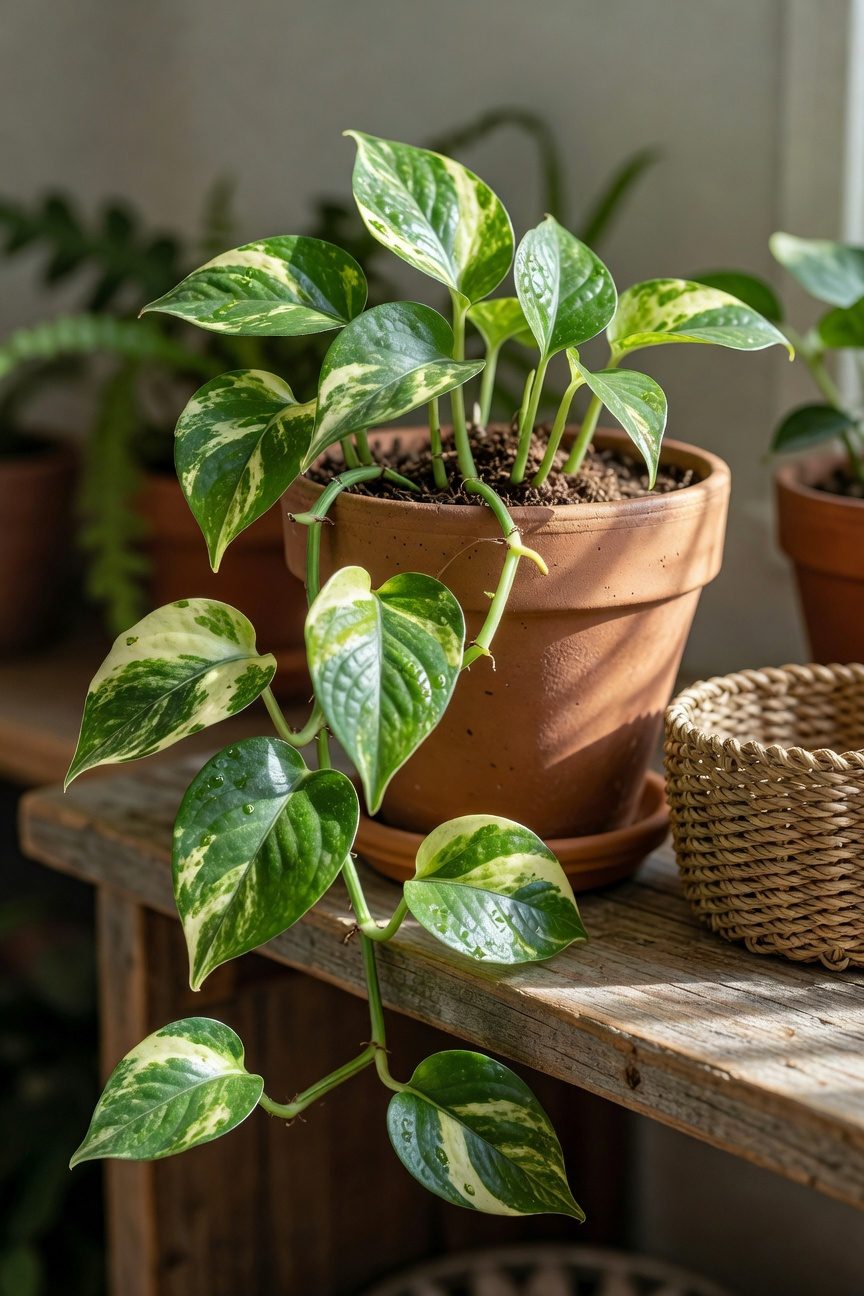
SEO gave your store a solid root system, now it’s time to prune the branches with the right keywords. Start by mapping a keyword strategy that matches each product’s purpose. Identify search intent: informational, navigational, or transactional. Use safe tools, list terms, check volume, then filter for relevance. Prioritize clear, specific phrases, avoid jargon, and test each phrase before planting it.
Optimize Product Titles for Search Engines
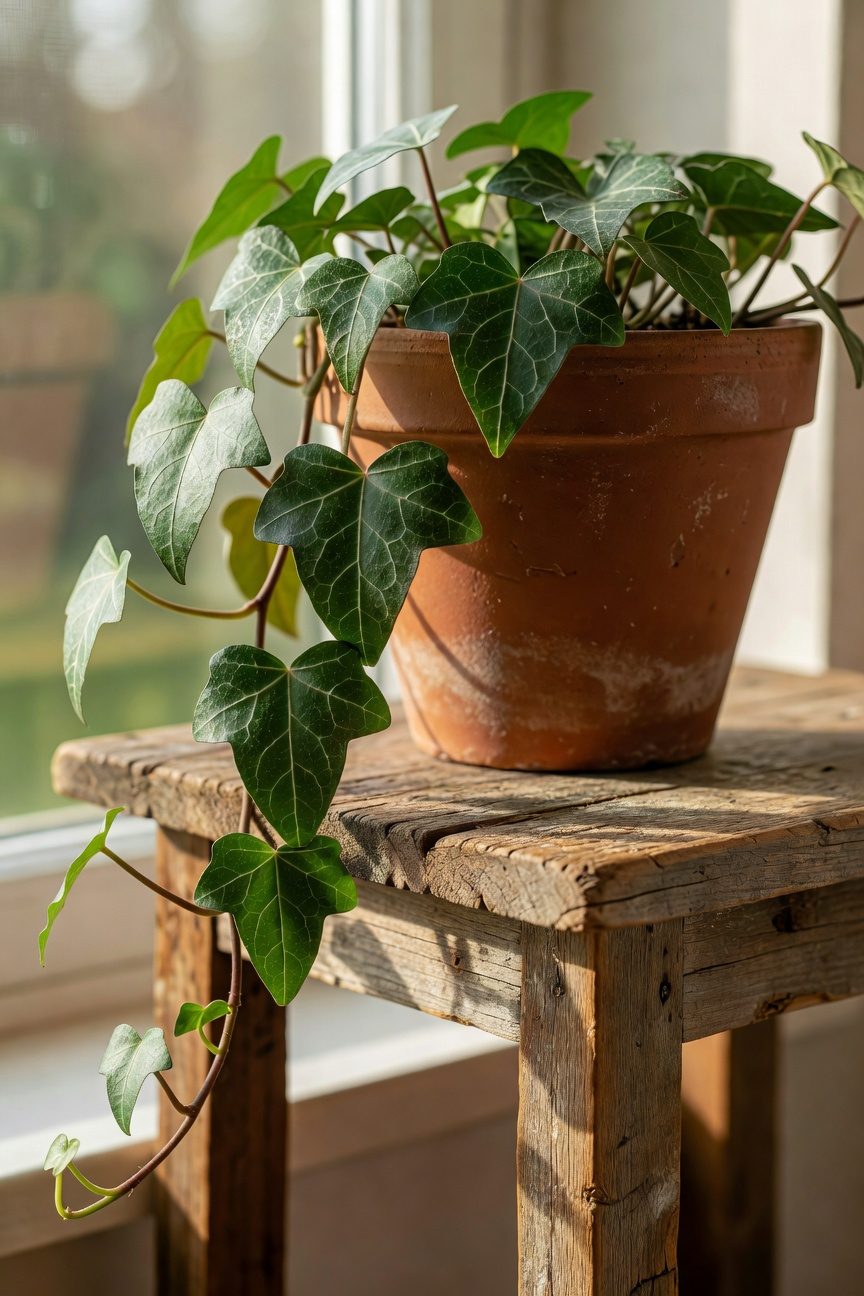
Three simple steps can turn your product titles into search‑engine magnets. First, include “Plant propagation” and “Garden design” early, keeping words clear and safe. Second, add concise details like size, color, or type, using short, friendly phrases. Third, avoid jargon, use lowercase, and test readability. Follow these tips, and your titles will attract clicks while staying safe and simple.
Write Compelling Meta Descriptions That Convert

When you craft meta descriptions, think of them as mini‑ads that invite clicks. Keep them clear, safe, and friendly. Mention plant propagation and seasonal pruning to match user intent. Use vivid verbs, limit to 150 characters, and add a gentle call‑to‑action. Test readability, avoid jargon, and stay concise. Aim for trust, safety, and a click‑worthy promise.
Structure URLs for Maximum SEO Benefit
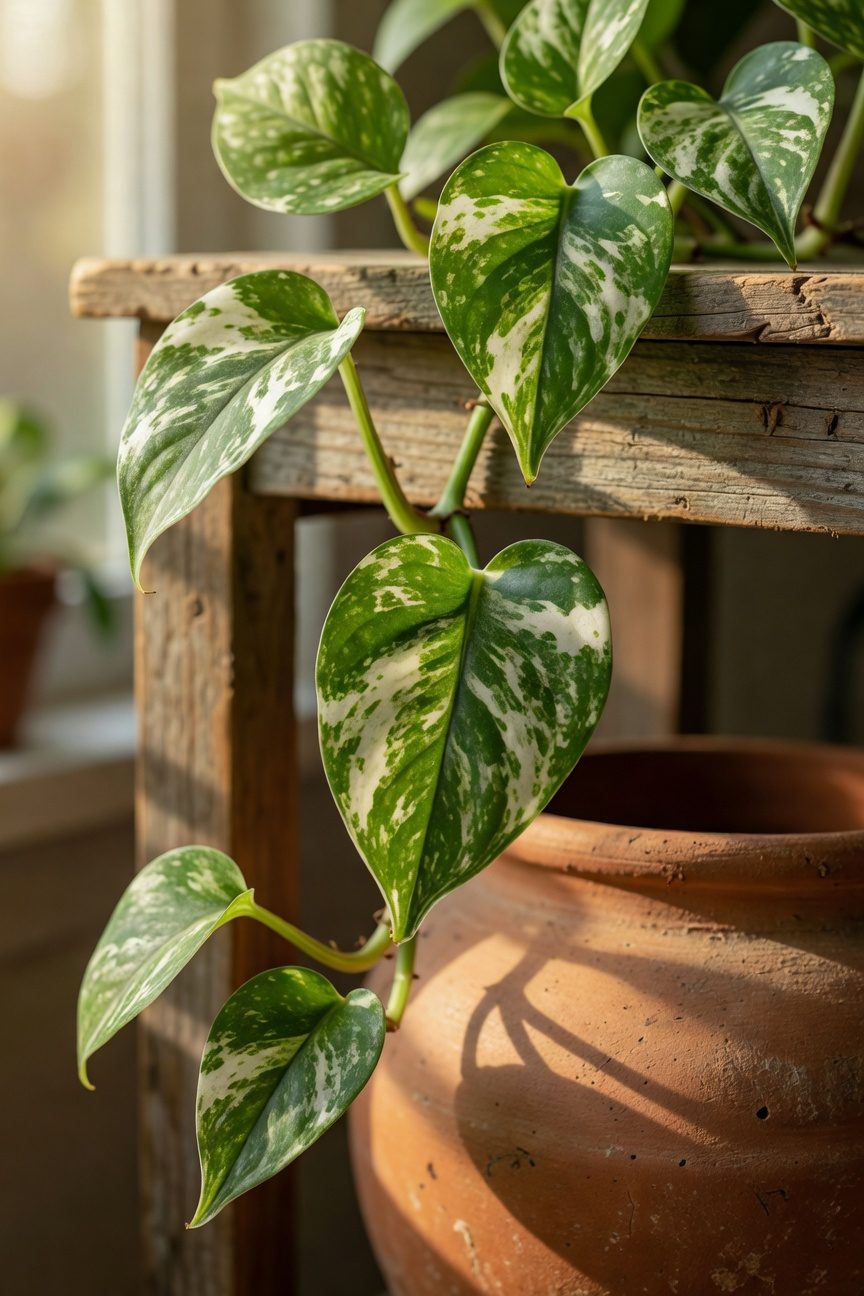
Good meta descriptions pull readers in, and a clean URL does the same for search engines. Keep URLs short, hyphen‑separated, and keyword‑rich; include plant propagation and grafting techniques when relevant. Avoid numbers and symbols that confuse crawlers. Use lowercase letters only, and add a safe, descriptive path. Test links before publishing, and watch rankings grow.
Use Schema Markup to Boost Rich Snippets
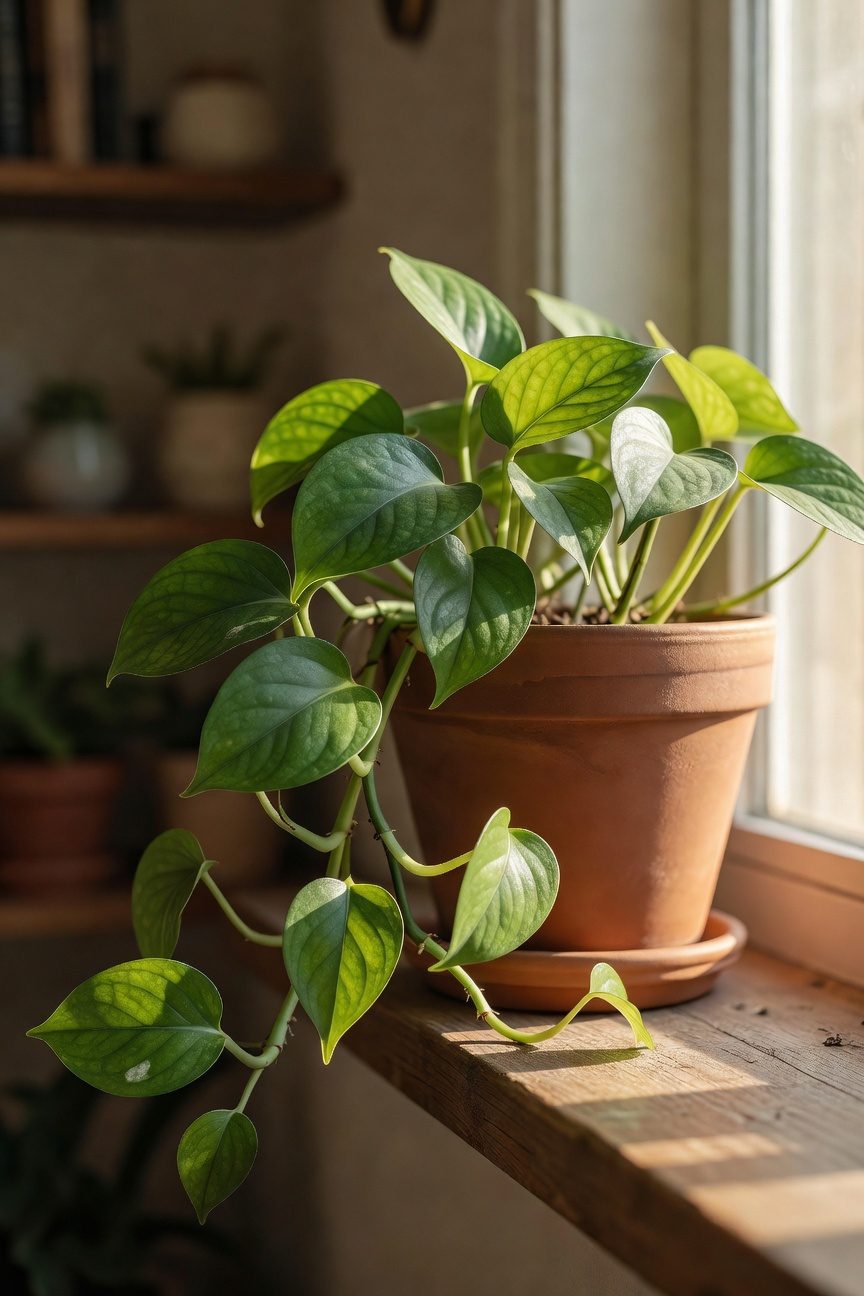
A few simple steps can turn your plant‑grafting pages into eye‑catching rich snippets. Use schema markup to tell search engines what each guide covers, like graft type, season, and safety tips. Add clear fields for title, description, and rating. Test with structured‑data tools, then watch rich snippets appear, boosting clicks safely. Enjoy the extra visibility!
Improve Site Speed With Image Compression
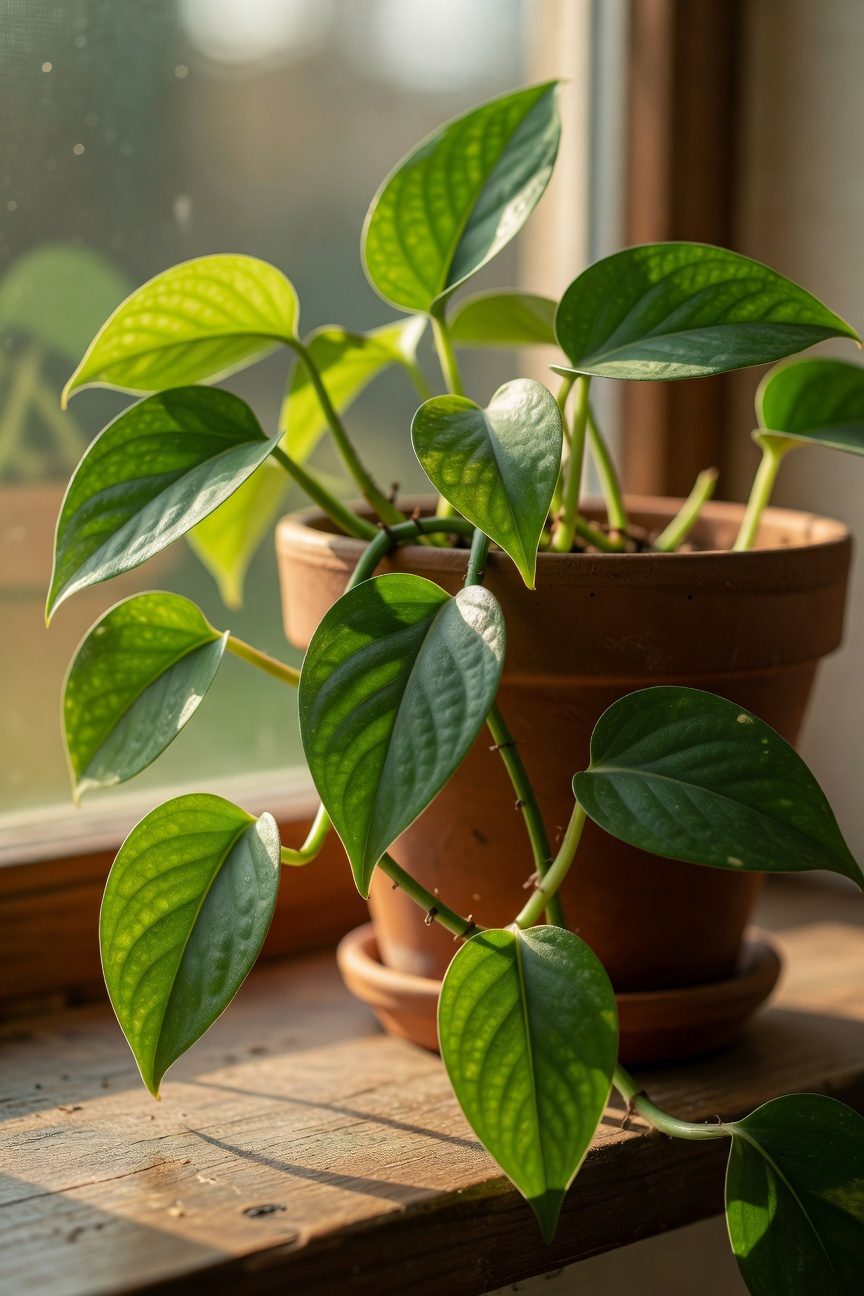
If you want your plant‑grafting site to load faster, start by shrinking your images. Use image optimization tools to compress JPEGs and PNGs, aiming for under 100 KB each. Choose the right format, set quality to 70‑80 %, and enable lazy loading. These steps boost site speed, keep visitors safe from slow‑load frustration, and make your pages feel spry.
Implement Mobile‑First Design Best Practices

Shrinking your images already helped the site feel quicker, now make sure it feels great on phones too. Prioritize mobile usability by designing layouts that adapt to small screens, using larger tap targets for touch gestures. Test on real devices, keep fonts readable, and avoid accidental clicks. Secure navigation, clear icons, and simple menus protect users and boost confidence. Stay safe, stay swift.
Create an Internal Linking Strategy for Products
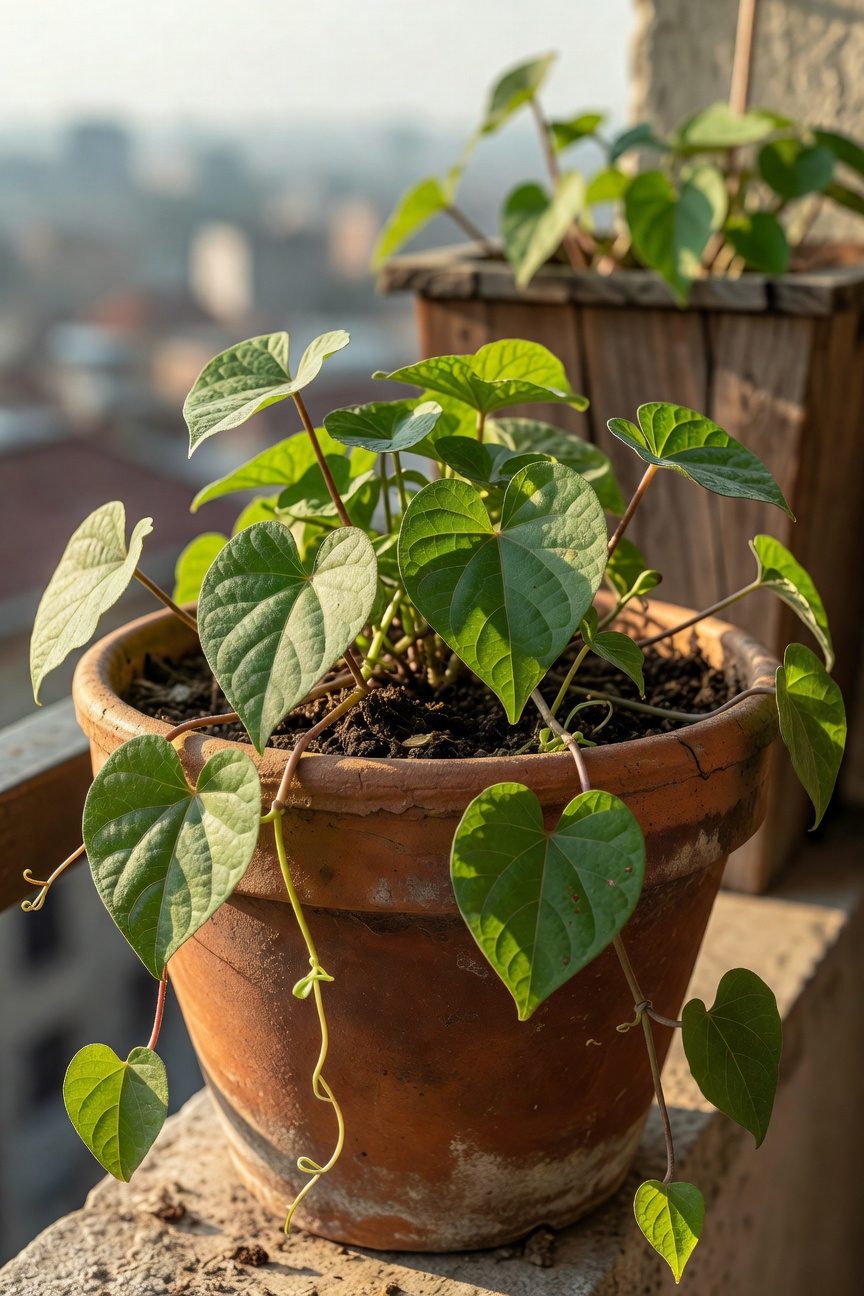
When you map out product pages, think of them as a friendly neighborhood, each link should guide shoppers smoothly from one shop to the next. Use clear headings, safe navigation, and group related items like plant propagation guides and grafting techniques tutorials. Link from basics to advanced tips, add breadcrumb trails, and test each path for broken links. Keep the flow intuitive, secure, and helpful.
Set Up an XML Sitemap for E‑Commerce Sites
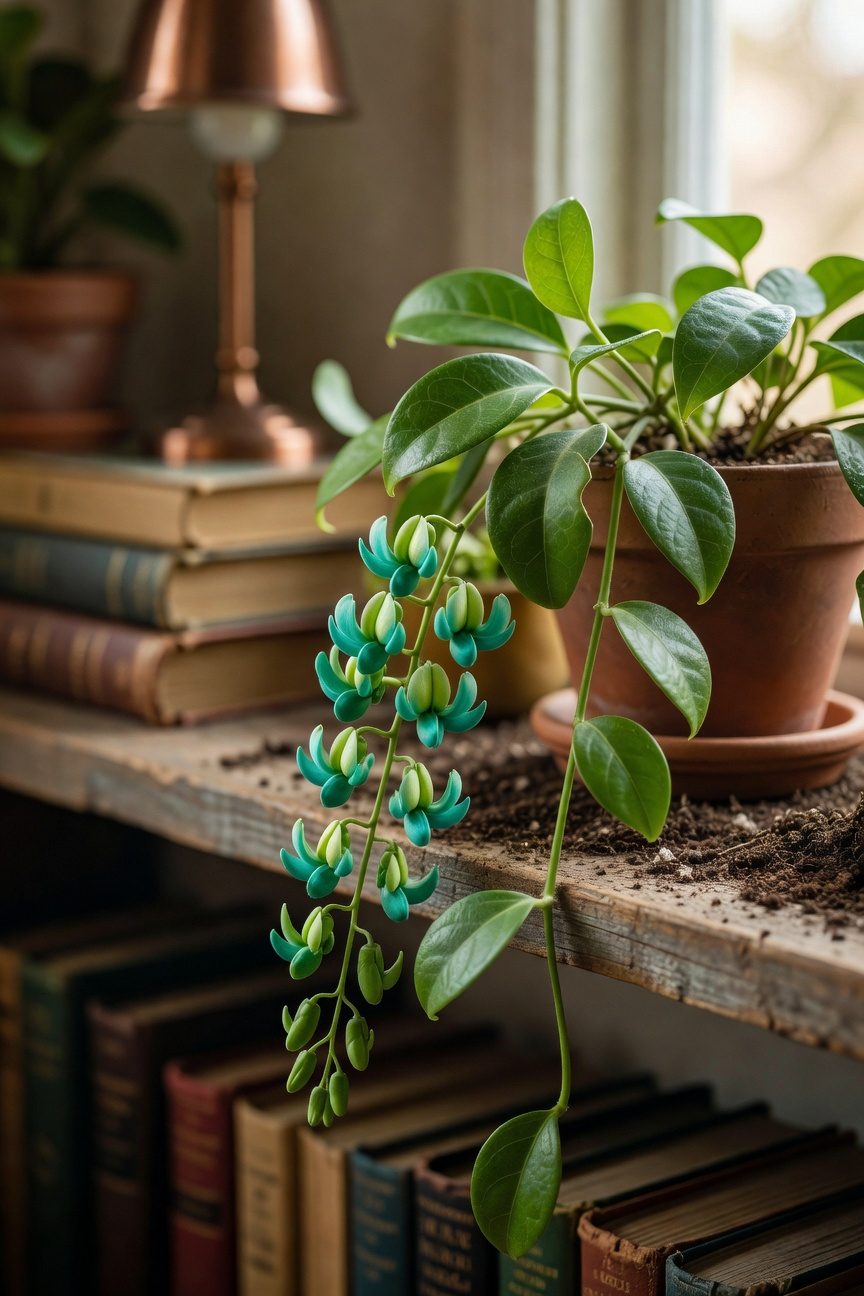
Your internal linking map already guides shoppers, so the next step is to tell search engines where every product lives. Create an XML sitemap, list each product URL, and set priority tags. Use safe, clean code; validate with Google tools. Include Plant propagation pages and grafting techniques guides as separate entries. Submit the file via Search Console, then monitor for errors. Stay secure, stay visible.
Manage Duplicate Content Across Variants
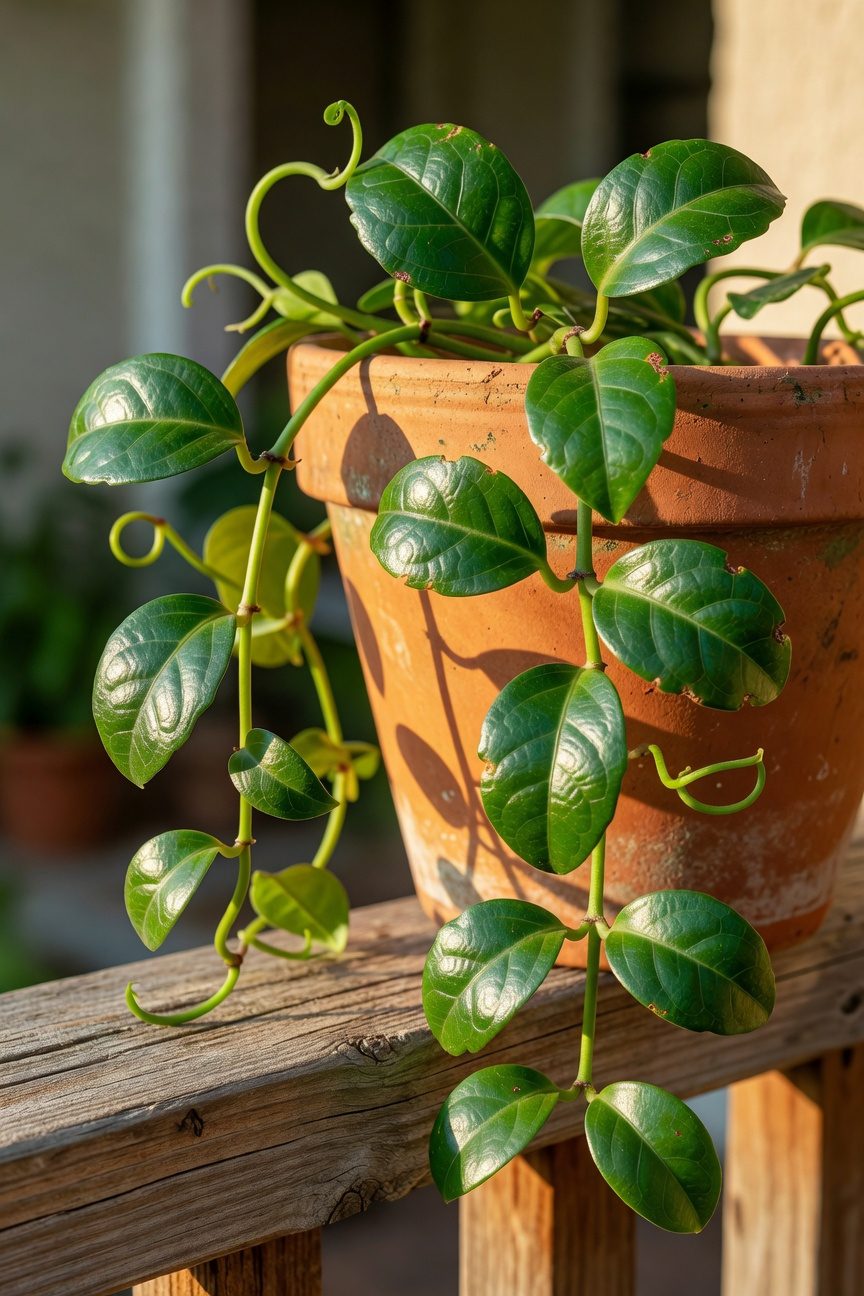
If you notice the same product description showing up on multiple variant pages, you’re likely creating duplicate content that confuses search engines. Use unique, variation‑rich copy for each SKU. Add specific size, color, or material details. Rewrite intro sentences, swap adjectives, and insert safety tips. Verify with a crawler, then monitor rankings. Keep it simple, safe, and fresh.
Optimize Category Pages for Better Rankings
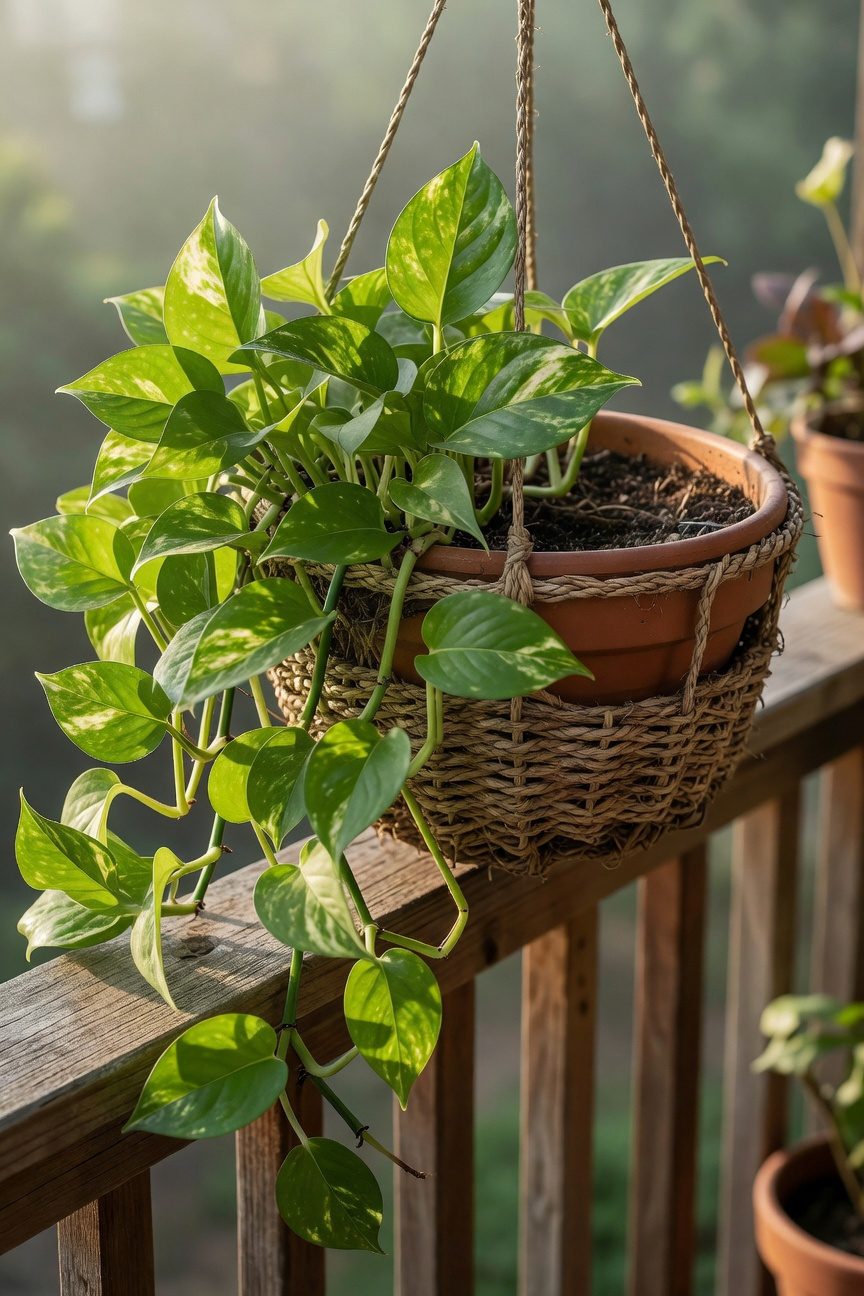
Because search engines love clear signals, you should treat each category page like a mini‑homepage for its products. Optimize titles, meta descriptions, and headings with safety‑first language. Include clear Plant compatibility guides and seasonal grafting tips. Use clean URLs, breadcrumb navigation, and internal links. Add concise, safe call‑to‑actions. Test page speed, monitor rankings, and adjust regularly.
Leverage User‑Generated Reviews for SEO
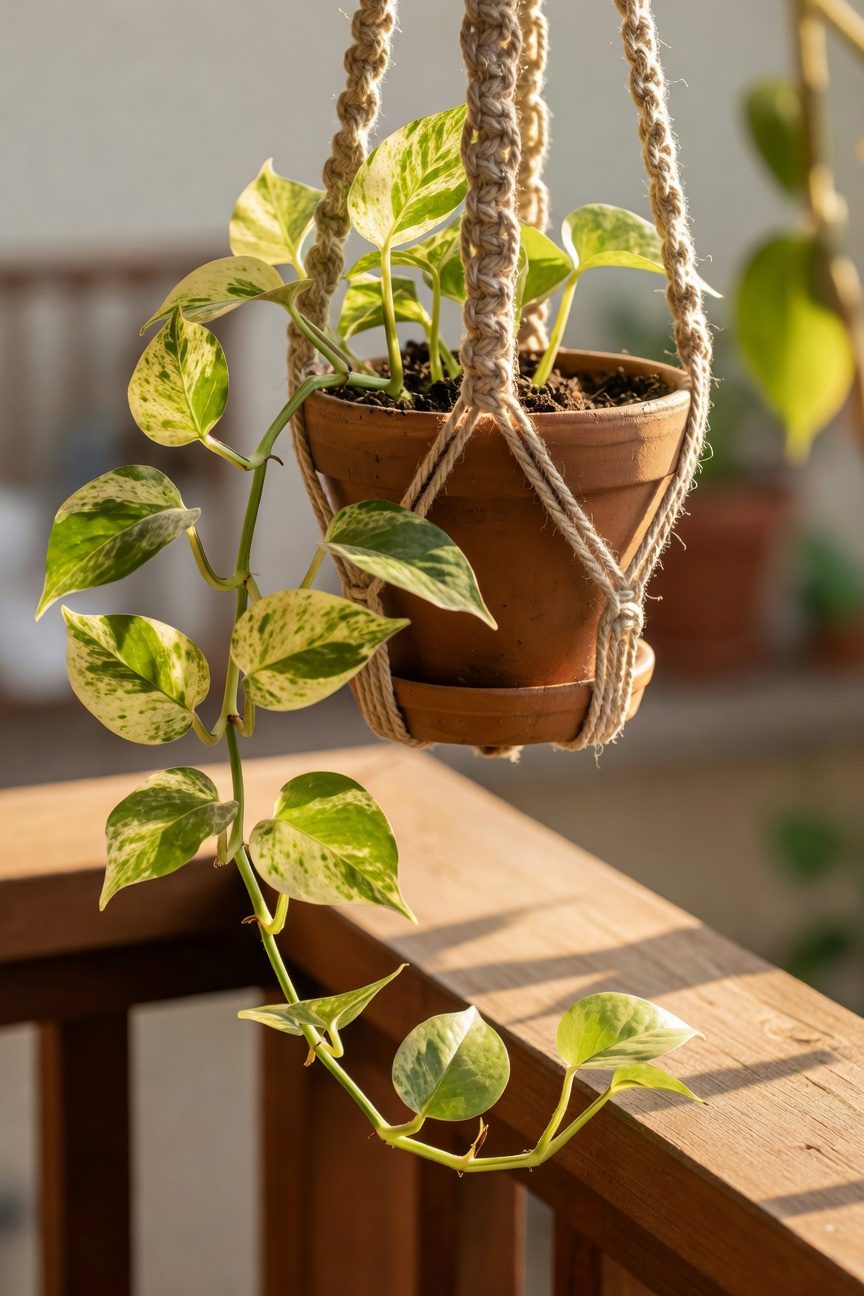
Many online shoppers trust real experiences, so user‑generated reviews can boost your SEO fast. Collect customer feedback daily, ask buyers to rate products, and post honest comments. Use review strategies like schema markup, moderate moderation, and timely responses. Encourage pictures, keep language safe, and avoid spam. Track rankings, adjust tactics, and watch traffic grow steadily.
Track Core Web Vitals With Google Search Console
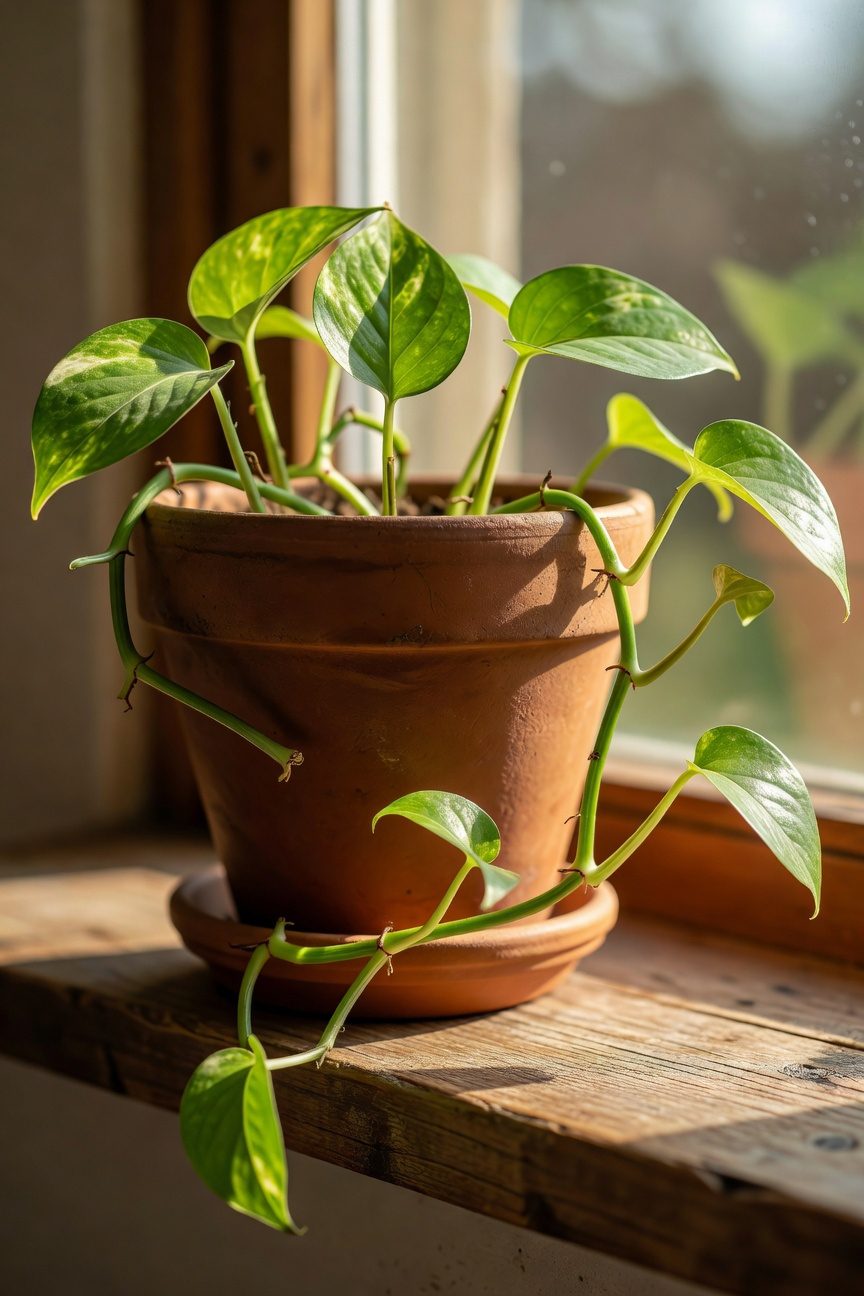
When you open Google Search Console, you’ll see a Core Web Vitals report that shows LCP, FID, and CLS scores for each page. Check the numbers, then prioritize fixes like compressing images or reducing script load. Treat each metric like a grafting technique, careful cuts improve general health. Use plant propagation language: nurture slow pages, prune bad links, and watch performance grow safely.
Conduct a Technical SEO Audit Checklist
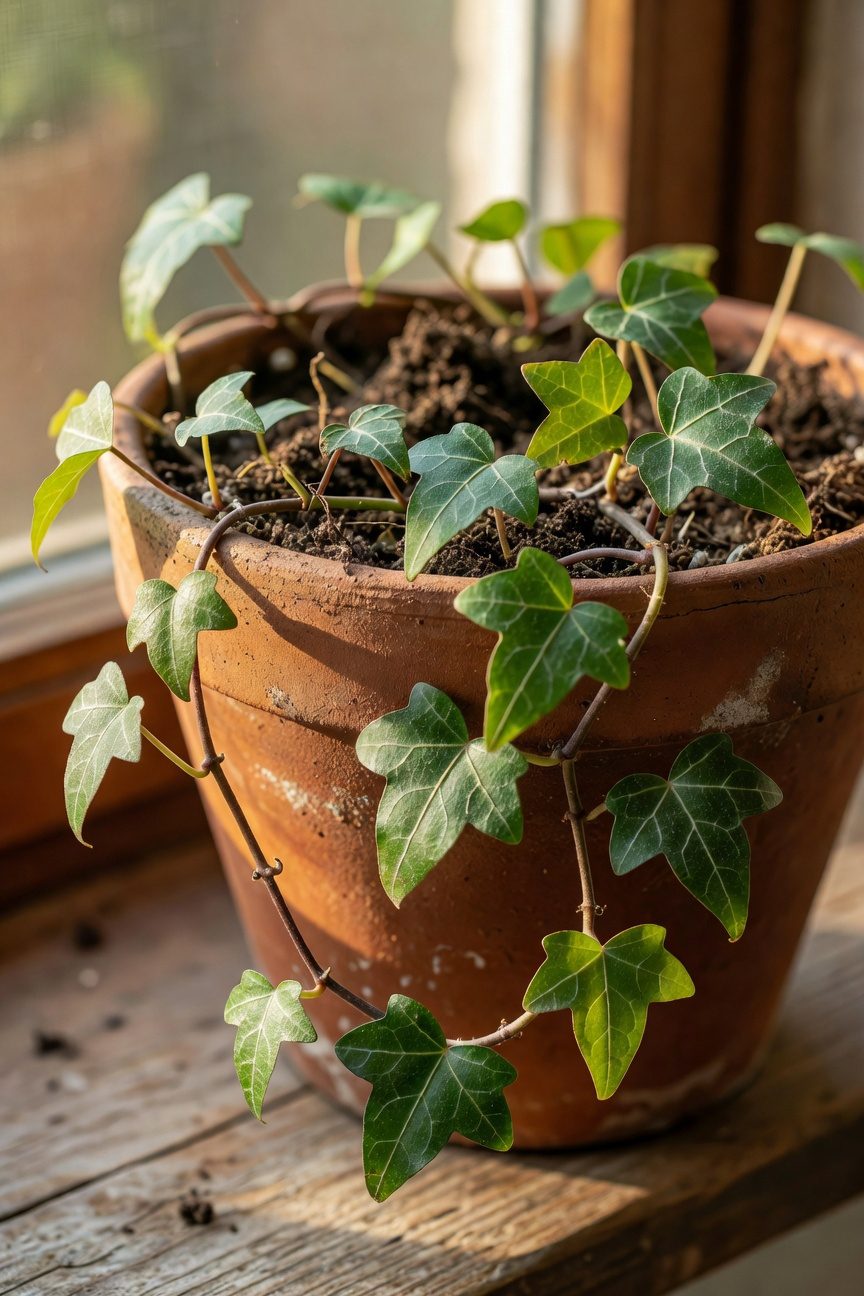
If you want your site to run smoothly, start with a solid technical SEO audit. Check crawl speed, secure HTTPS, and mobile friendliness. Verify structured data, XML sitemaps, and robots.txt. Review server response codes, redirect chains, and duplicate content. Use safe tools, monitor Plant propagation metrics, and apply Grafting techniques to stitch together clean, healthy pages. Stay safe, stay fast.
Fix Crawl Errors and Broken Links Quickly

Because search engines can’t see broken pages, you’ll lose traffic fast. Check crawl reports daily, spot 404s, and fix them quickly. Use a safe plugin to redirect old URLs, then test each link. Treat broken links like plant propagation, remove the dead part, graft fresh URLs, and watch traffic grow. Keep backups, verify changes, and stay confident.
Build High‑Quality Backlinks to Your Store

Even if you’re just starting out, building high‑quality backlinks to your store isn’t rocket science. Treat each link like plant propagation: nurture it, water it, watch it grow. Use grafting techniques for content, join reputable blogs, forums, and partner sites. Guest post, share guides, and offer free tools. Keep anchor text natural, avoid spam, and monitor results regularly. Stay safe, stay steady.
Use Structured Data to Highlight Pricing and Availability

You’ve already got backlinks sprouting, now let’s make your product pages shine for search engines. Use structured data to tag each plant’s price and stock status. This boosts pricing transparency and shows plant availability clearly to shoppers and bots. Add JSON‑LD snippets, test with Google’s tool, and update daily. Safe, simple, and effective.
Monitor Rankings With a Weekly SEO Dashboard

How can you keep a clear view of your plant rankings without drowning in data? Check a weekly SEO dashboard, set safe alerts, and track plant propagation metrics alongside grafting techniques performance. Review trends each Monday, note spikes, adjust keywords, and keep charts simple. Use color‑coded flags for safety, and celebrate small wins with a friendly grin.
A/B Test Title Tags and Meta Descriptions
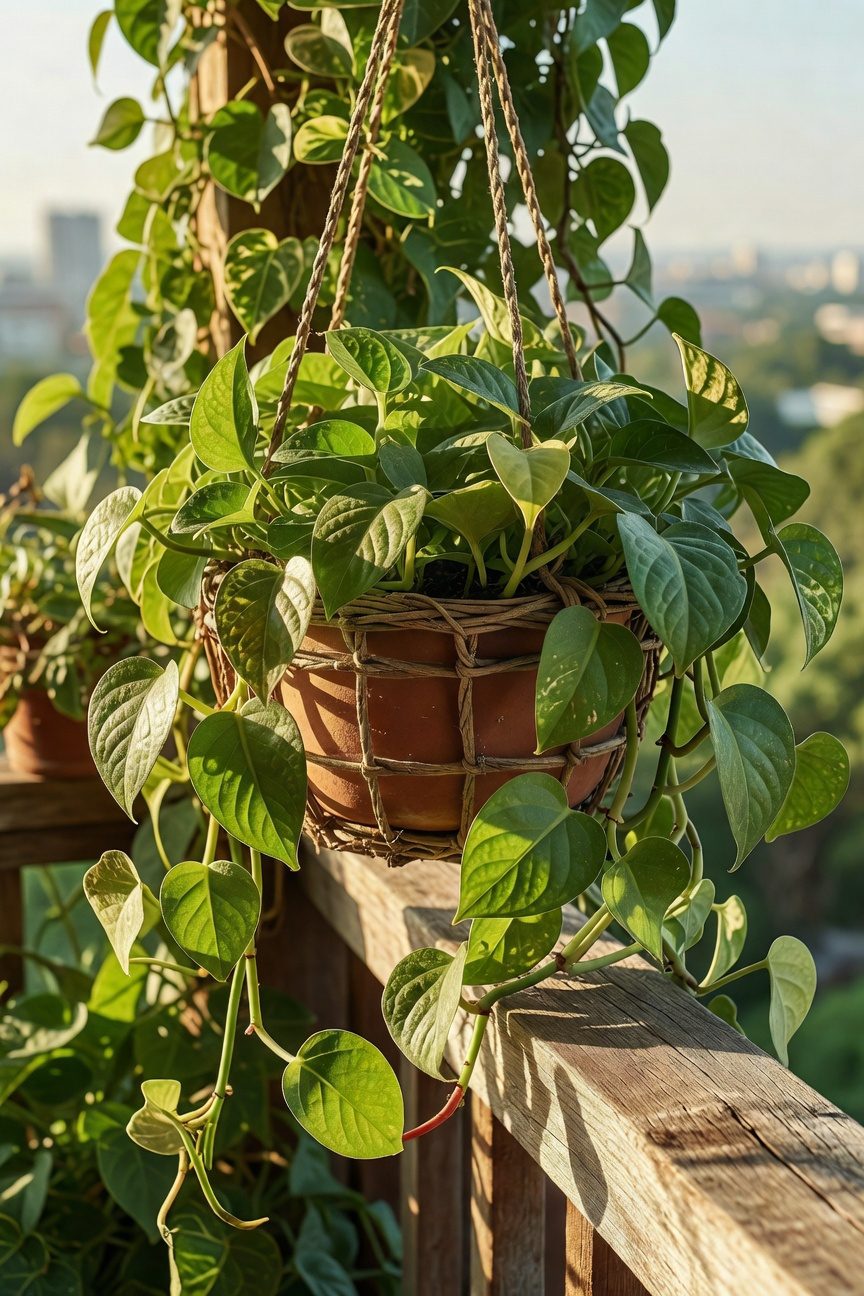
When you’re testing title tags and meta descriptions, start by picking two clear variations for each page. Choose one safe, concise version and one slightly bolder, yet still clear, option. Track click‑through rates, bounce rates, and dwell time. Apply the same method to Plant grafting guides and seasonal gardening posts, ensuring each test feels secure and reliable.
Scale SEO Efforts With Automation Tools

Even if you’re just starting out, automation can boost your SEO game fast. Use reliable automation tools to schedule keyword checks, track rankings, and generate reports. Pair them with solid SEO strategies like clean URLs, proper tags, and consistent content updates. Keep your data safe, test changes in a sandbox, and monitor results daily. Follow these steps, stay steady, and watch traffic grow safely.
Common Mistakes to Avoid in E‑Commerce SEO

Automation tools can speed up keyword checks, but when you run an e‑commerce site you’ll hit a different set of pitfalls. Avoid thin product pages, ignore site speed, and skip mobile testing. Trust safe practices: use clear URLs, proper tags, and secure HTTPS. Track content royalties, manage influencer collaborations, and monitor duplicate content. Keep backups, test changes, and stay alert to algorithm updates.
Final Takeaways
Give these 23 grafted plants a try and watch your garden thrive. Remember, grafted trees grow 30% faster on average, so you’ll see results sooner. Pick a fruit tree, a decorative rose, or an exotic avocado, mix and match for flavor and color. Keep your cuts clean, seal them well, and water consistently. Check for pests weekly, and prune to shape. With a little care, your garden will blossom all season long.