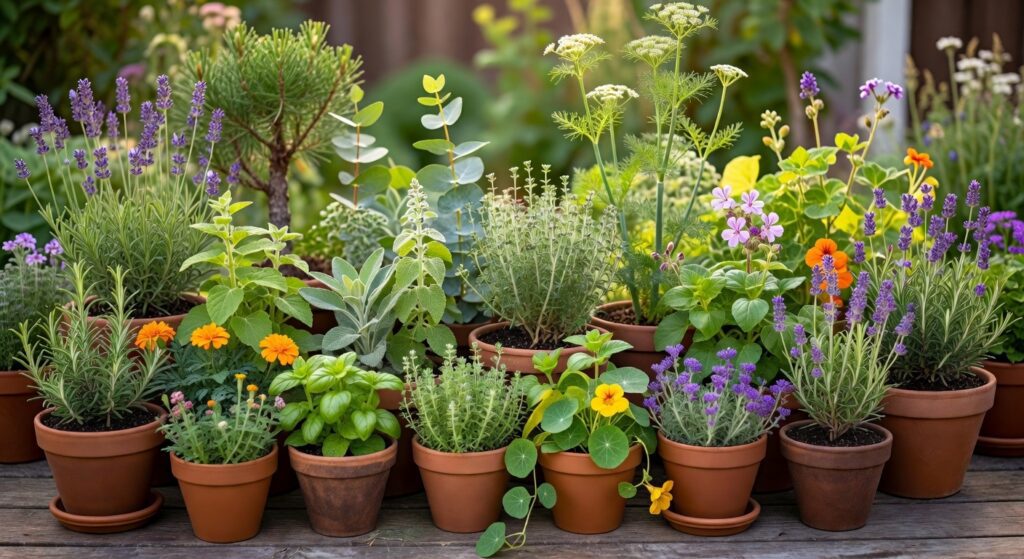
You can turn your garden into a mosquito‑free oasis by planting a mix of fragrant herbs, bright flowers, and sturdy shrubs. Try lemon‑mint for fresh oil, catnip for cats and bugs, lavender for borders, marigold for veggie protection, bee balm for pollinators, Mexican sunflower for tall barriers, chrysanthemum for DIY spray, and neem for natural insecticide. Each plant adds color, scent, and pest control, so your space looks great while staying bite‑free. Ready to see which ones fit your yard?
Top 20 Mosquito‑Repellent Plants – Quick Reference Guide
If you’re looking for a quick way to keep mosquitoes at bay, start with these 20 plants that naturally repel bugs. Choose lavender, marigold, rosemary, citronella, basil, peppermint, catnip, lemongrass, sage, thyme, eucalyptus, geranium, nasturtium, ylang‑ylang, pennyroyal, lavender, mint, verbena, lemon balm, and rosemary. Follow easy plant care tips, water regularly, prune wisely, and fit them into safe garden design for lasting protection. These mosquito-repelling plants also enhance your outdoor space with beautiful foliage and fragrance while requiring basic outdoor plant care to thrive throughout the growing season. When arranging these plants in your garden, consider styling ideas for home gardens to maximize both their aesthetic appeal and pest-repelling effectiveness.
Lemon‑Mint – Plant & Harvest for Strong Repellent Oil
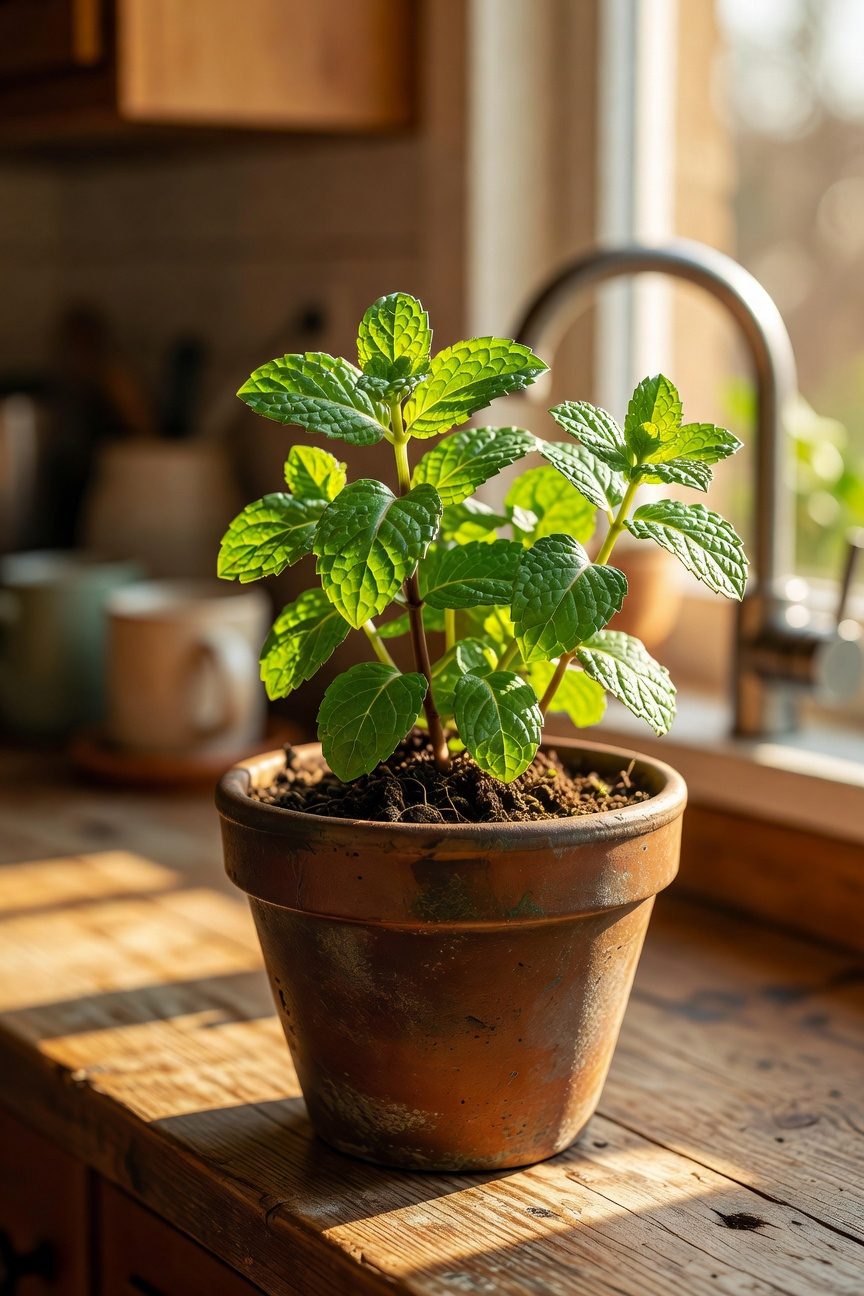
When you plant lemon‑mint, you’ll get a fragrant herb that makes strong mosquito‑repellent oil. Use plant cultivation techniques like well‑drained soil, partial sun, and regular pruning to boost leaf growth. Harvest early morning leaves for best potency. Then perform essential oil extraction by steam distillation or cold press. Store oil in dark glass, keep it sealed, and enjoy safe, natural protection. To maximize your indoor growing success, ensure your indoor plant environment has adequate humidity and air circulation. Beyond mosquito control, lemon‑mint contributes to calming natural atmosphere in your bedroom when placed near your sleeping space.
Catnip – Grow for Cats and Mosquito‑Free Gardens
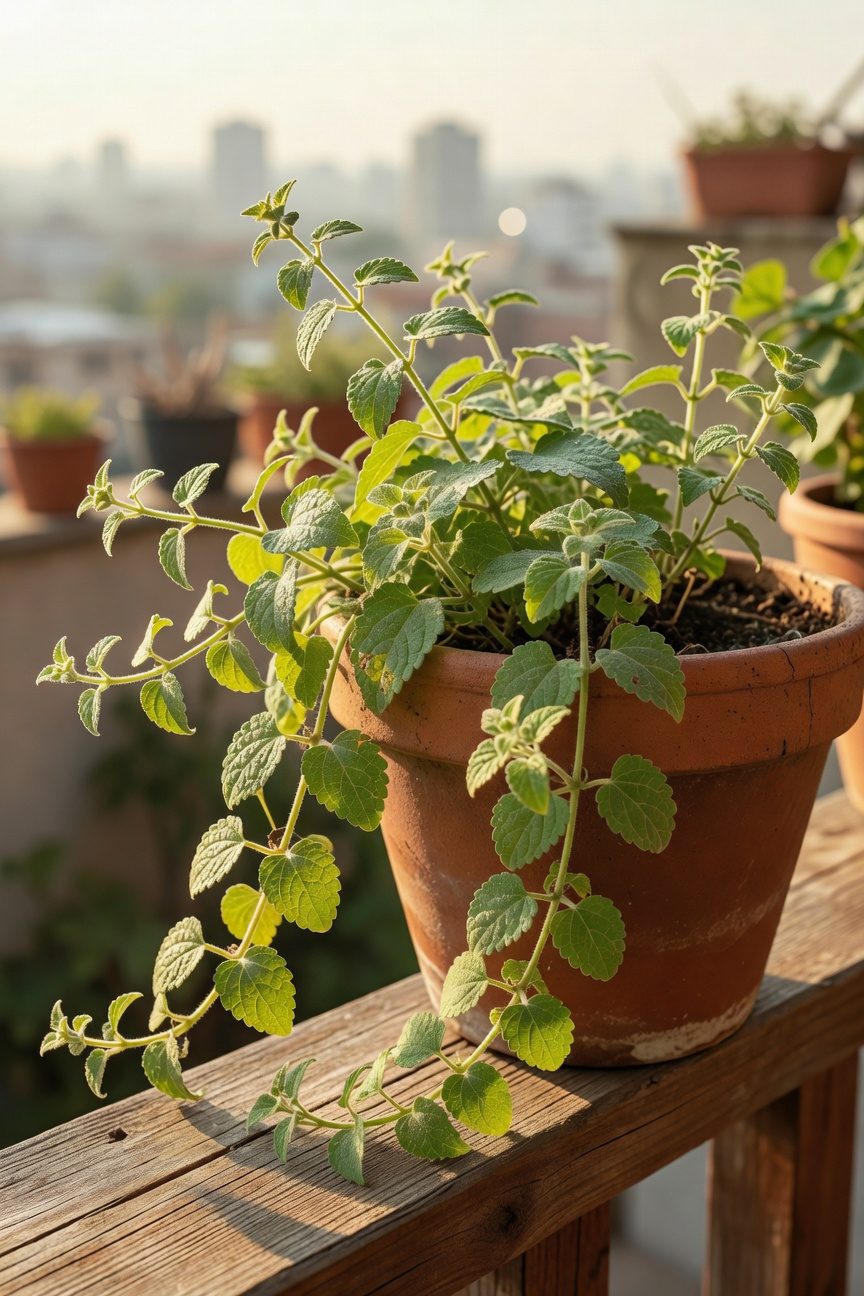
After enjoying lemon‑mint’s fresh scent, turn your attention to catnip, a hardy herb that both cats adore and mosquitoes avoid. Plant care is simple: water regularly, trim back to encourage bushiness, and harvest leaves before flowering. In garden design, place it near cat play areas for fun and away from seating for safety. Its scent repels bugs, keeping evenings bite‑free and your space pet‑friendly.
Lavender – Border Styling That Keeps Bugs Away
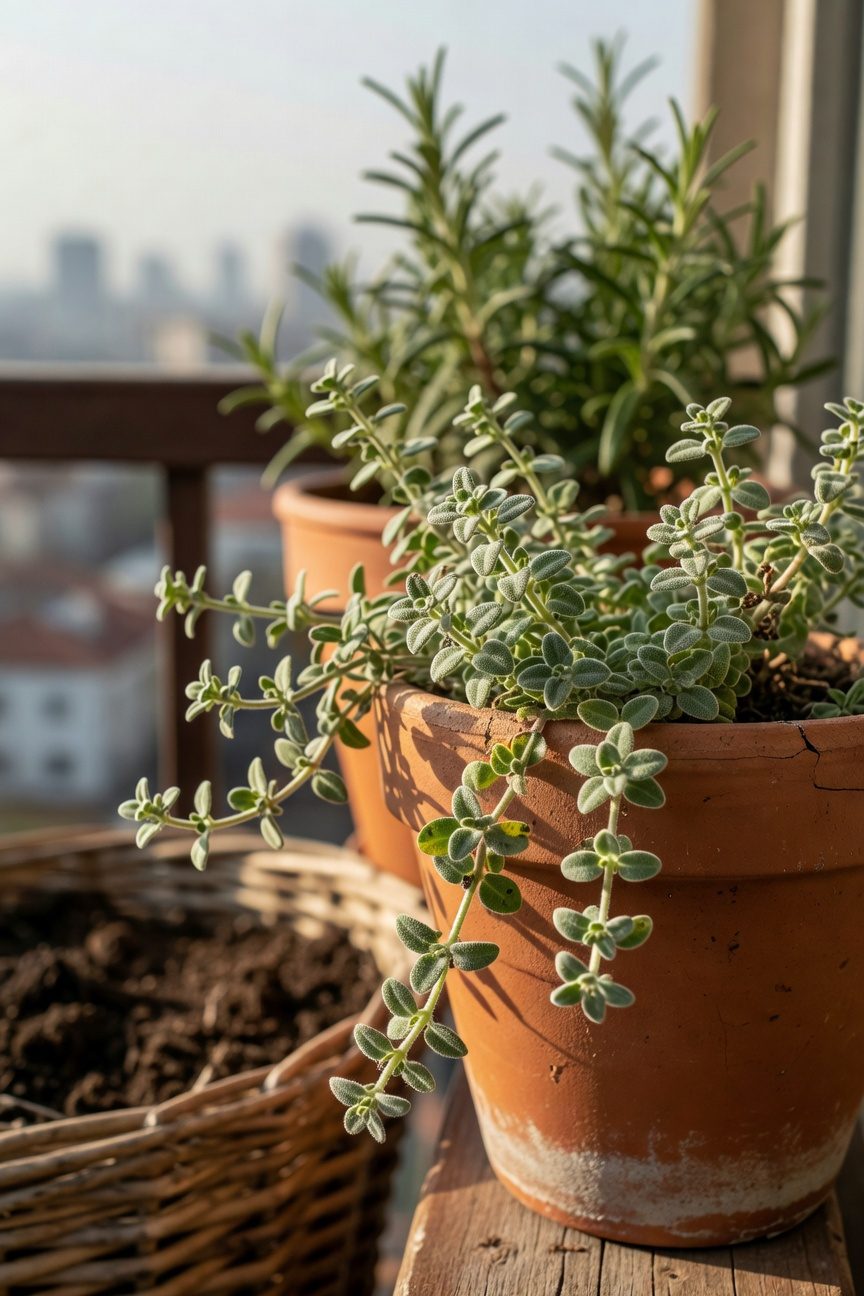
Because lavender’s sweet, soothing scent deters mosquitoes, it makes a perfect border plant for any garden. Plant lavender in rows to create color coordination with neighboring blooms, adding soothing purple accents. Enjoy its botanical benefits: natural repellent, low‑maintenance, and drought‑tolerant. Trim regularly to keep growth tidy, and space stems for easy access. Your border stays safe, stylish, and bug‑free.
Marigold – Companion Planting for Vegetable Protection
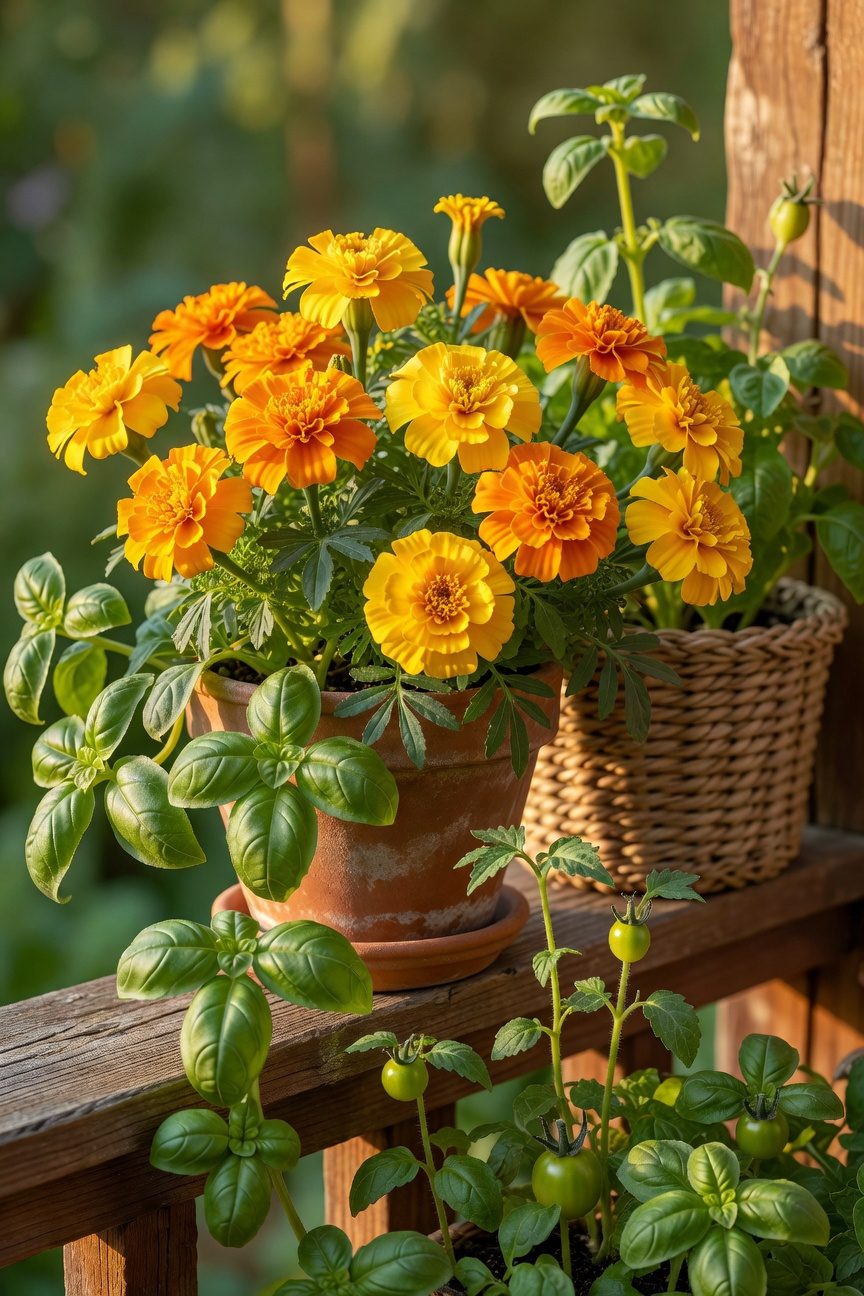
If you plant marigolds around your veggies, you’ll create a natural shield that keeps many pests at bay. Use companion planting to boost pest control, placing marigolds at garden edges or between rows. Their scent repels aphids, nematodes, and beetles, so your tomatoes, peppers, and beans stay healthier. Water regularly, trim dead flowers, and enjoy safer, thriving harvests.
Basil – Potting Tips for Mosquito‑Repellent Kitchen Windowsills
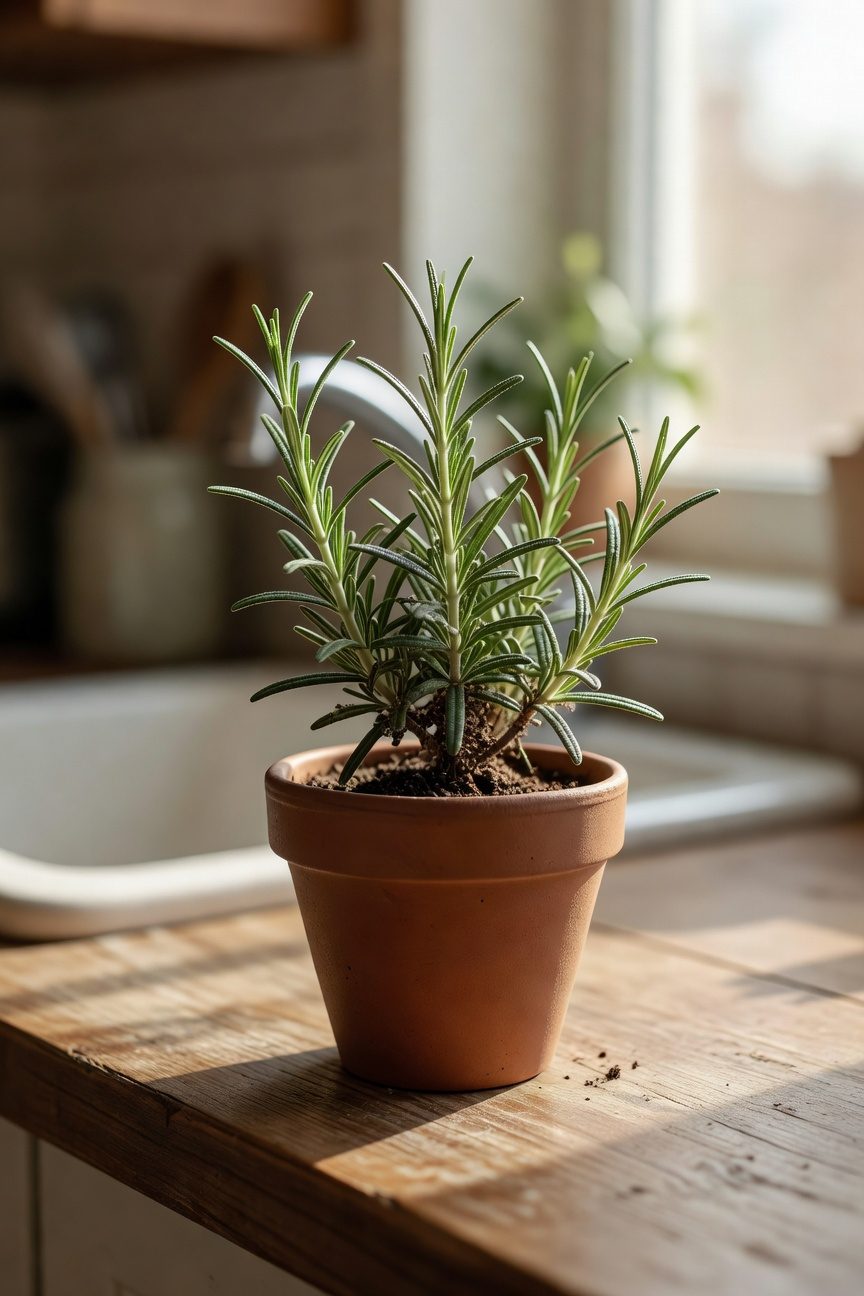
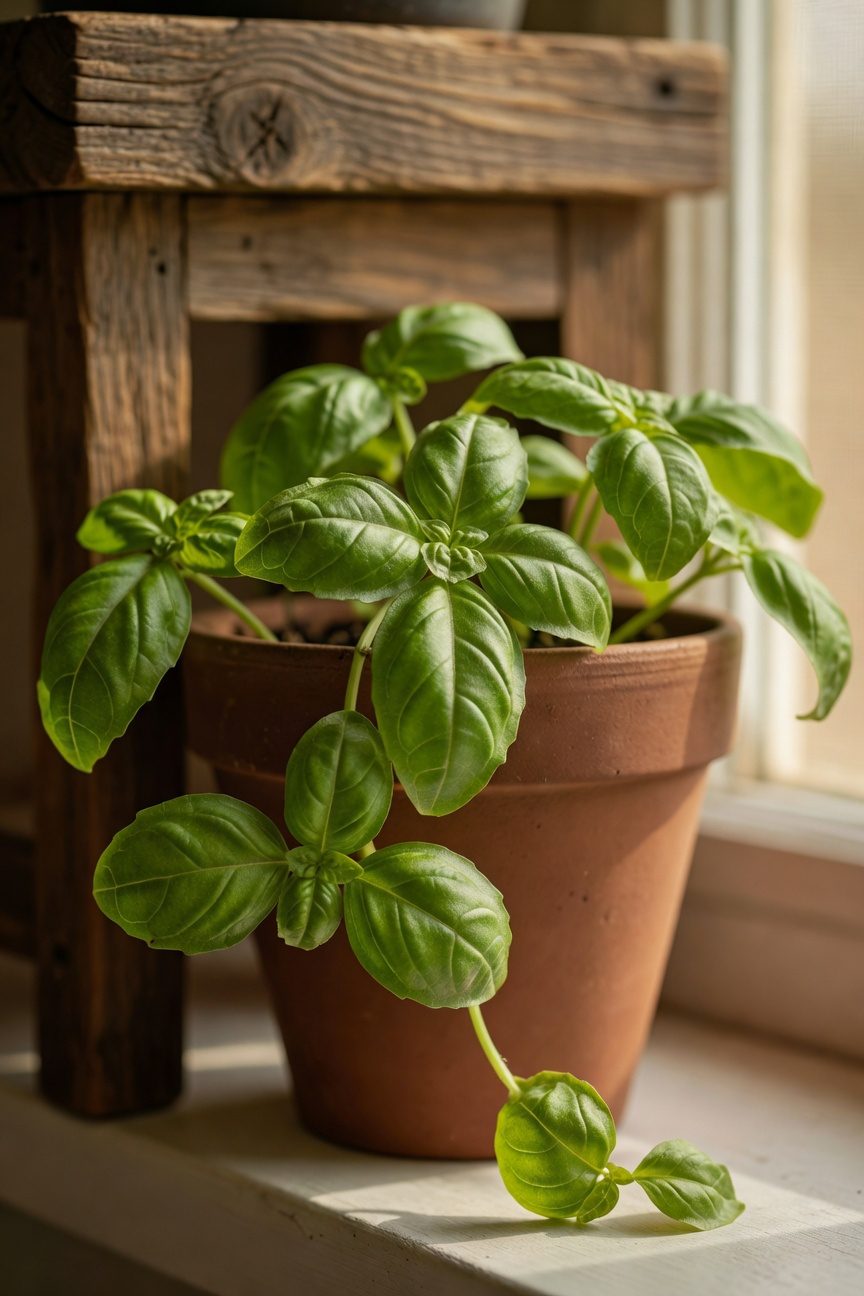
When you set a basil pot on a sunny windowsill, you’ll get a tasty herb that also keeps mosquitoes away. Choose a well‑draining pot, fill it with light soil, then add a thin layer of garden mulch techniques to retain moisture. Water regularly but avoid soggy roots. Place the pot where indoor pest control benefits flourish. Trim leaves often for fresh flavor and stronger repellent power.
Rosemary – Prune to Boost Aromatic Repellent Oil
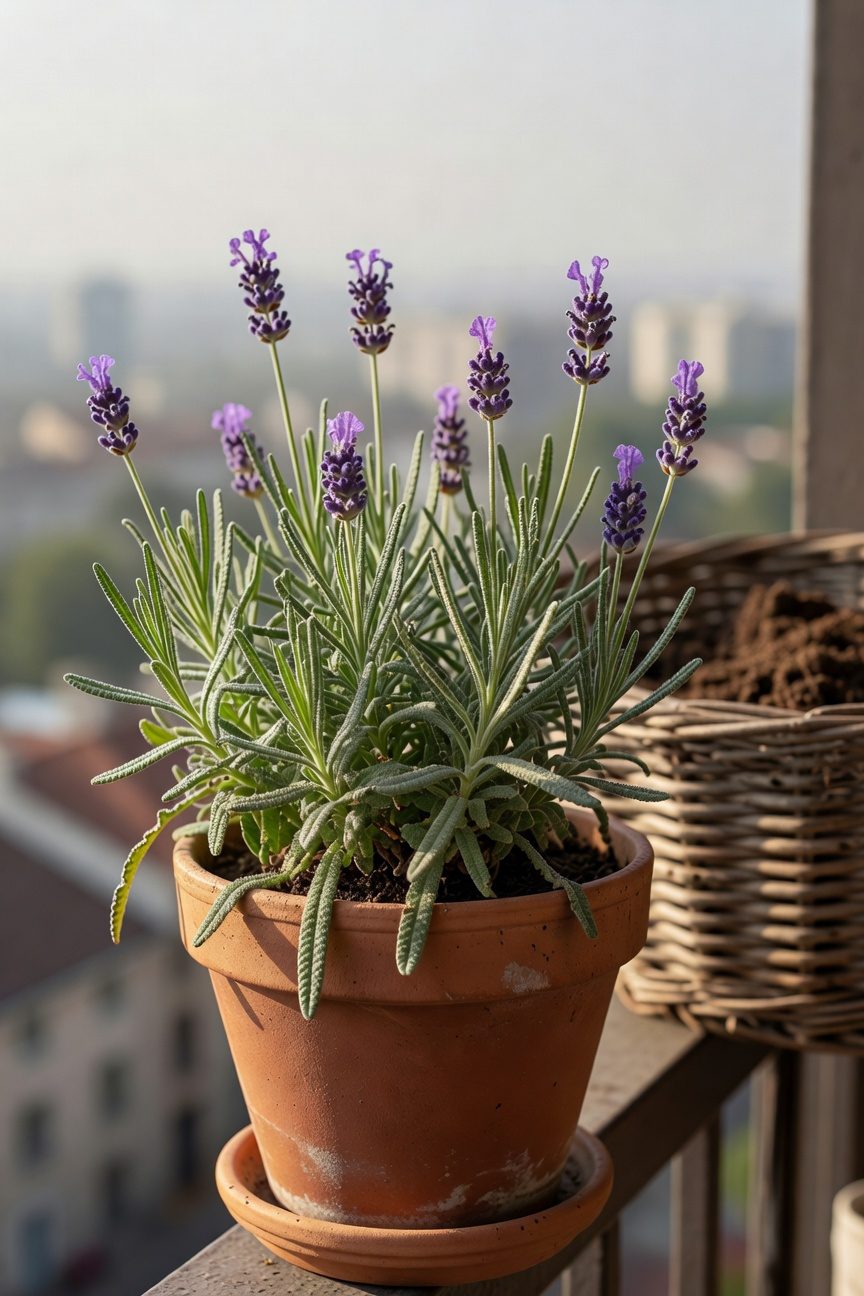
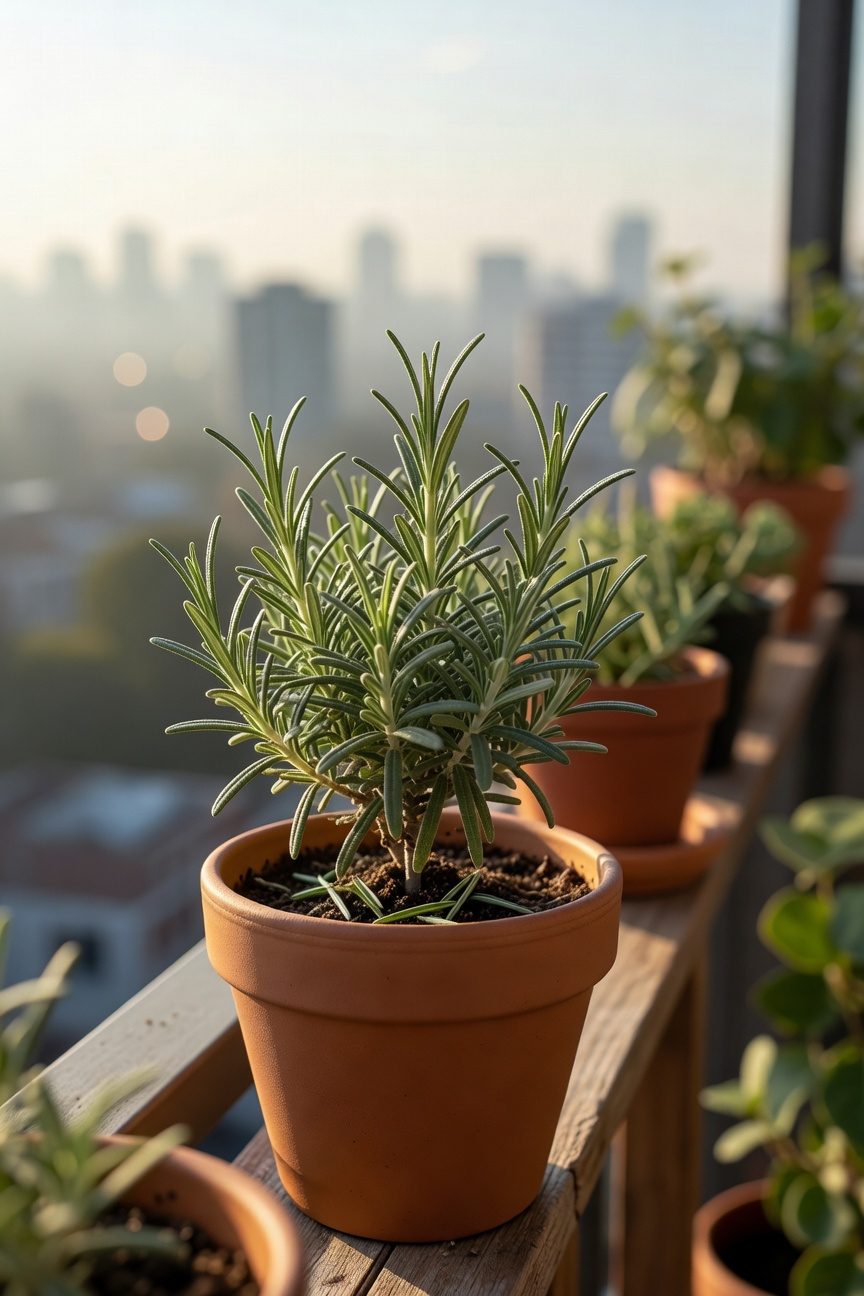
Pruning rosemary isn’t just trimming, it’s boosting the plant’s fragrant oil that keeps mosquitoes at bay. Use aromatic pruning each spring, snipping 2‑inch stems just above a leaf node. This sharp cut encourages fresh growth and improves oil extraction. Harvest the new shoots, crush gently, and spread the scent. Your garden stays safe, fresh, and mosquito‑free.
Sage – Soil & Sun Needs for Resilient Repellent Shrub
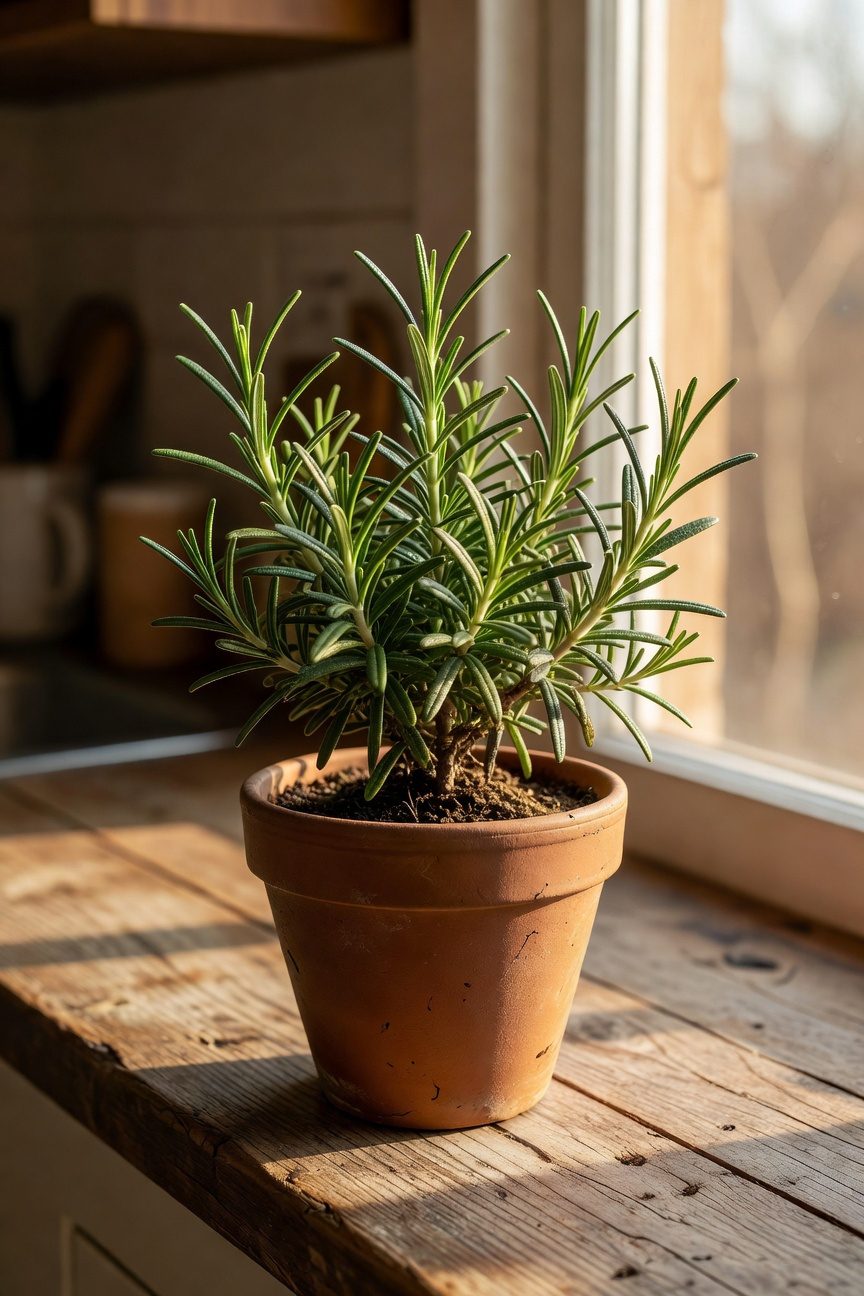
Sage thrives when it gets plenty of sunlight and well‑draining soil, so plant it in a spot that basks in at least six hours of direct light each day. Choose loamy, sandy mix; add compost for soil improvement. Position it in your garden design where airflow is good, and mulch lightly to retain moisture. Water moderately, avoid soggy roots, and enjoy safe, natural mosquito deterrence.
Pennyroyal – Control Spread and Harvest Repellent Oil
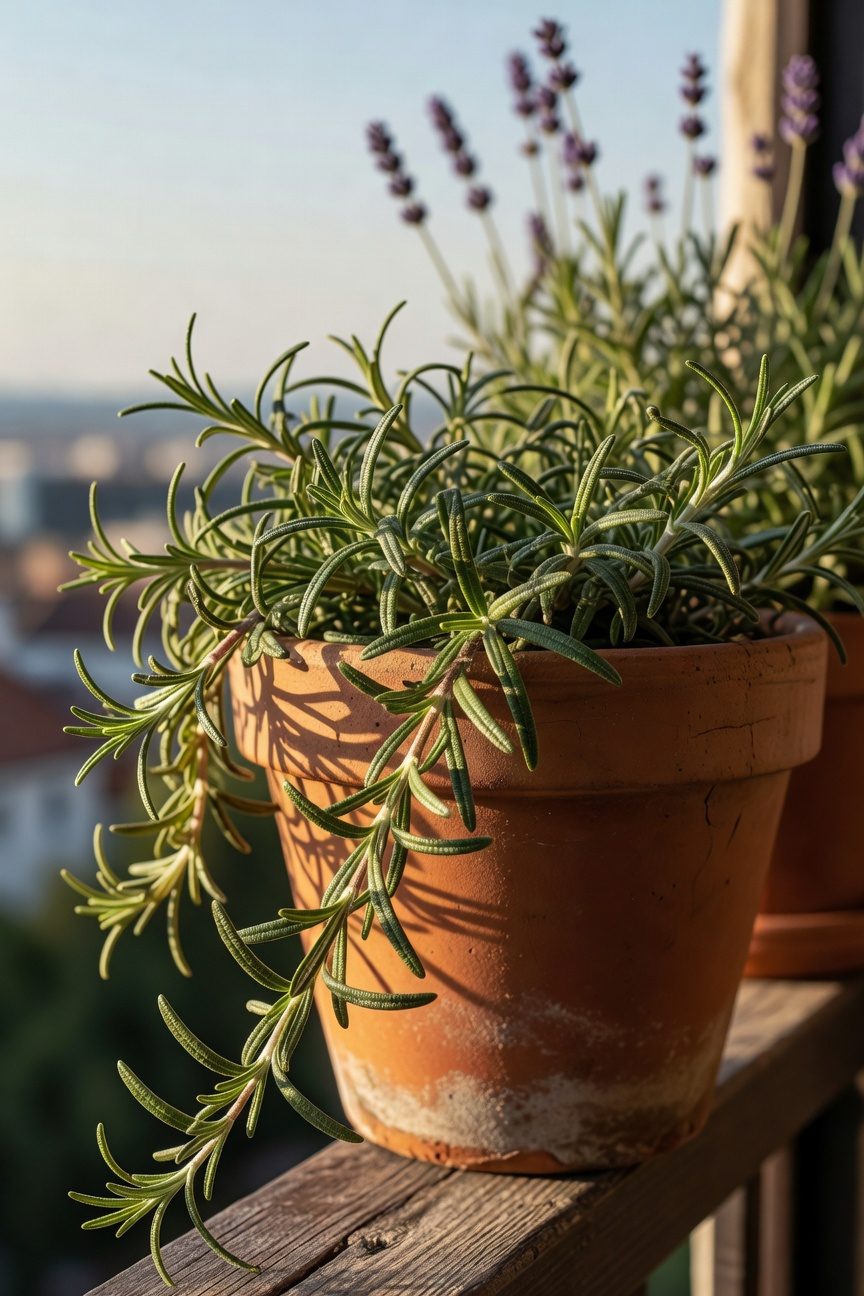
If you want pennyroyal to stay tidy and give you strong repellent oil, start by planting it in a sunny spot with well‑draining soil. Trim regularly to control spread, keeping stems short and airy. Harvest leaves early, before flowering, to preserve medicinal properties and traditional uses. Dry them, then press into oil or steep in oil for a safe, natural mosquito barrier.
Lemon‑Grass – Container Growing for Small‑Patio Repellent
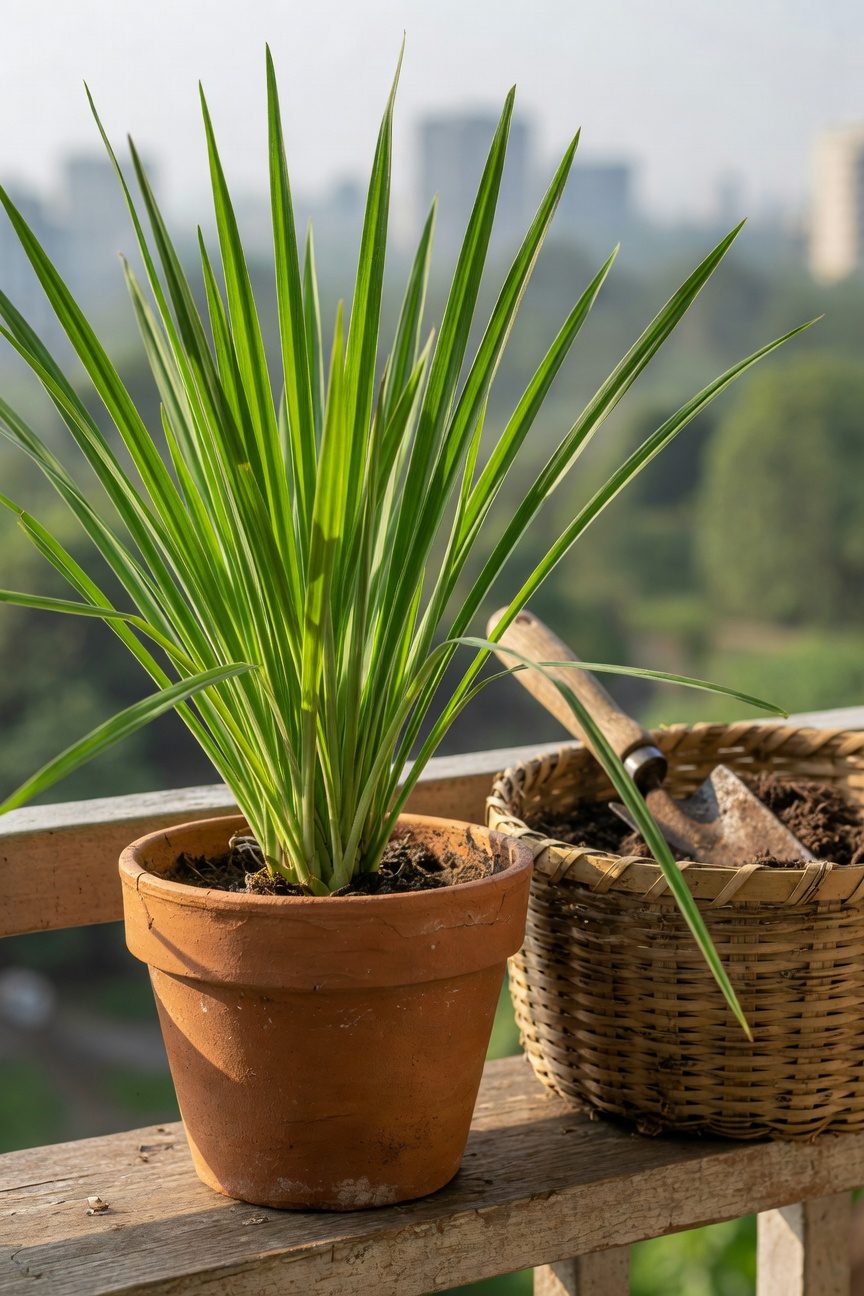
When you place lemon‑grass in a sunny window‑box, it thrives and releases a fresh, citrusy scent that keeps mosquitoes at bay. Choose a compact, drought‑tolerant cultivar for small patios. Water sparingly, fertilize lightly, and trim regularly. Its indoor air purifying qualities boost safety, while the scent stays gentle. Enjoy a breezy, bug‑free oasis.
Sweet‑Aster – Bright Blooms for Mosquito‑Free Borders
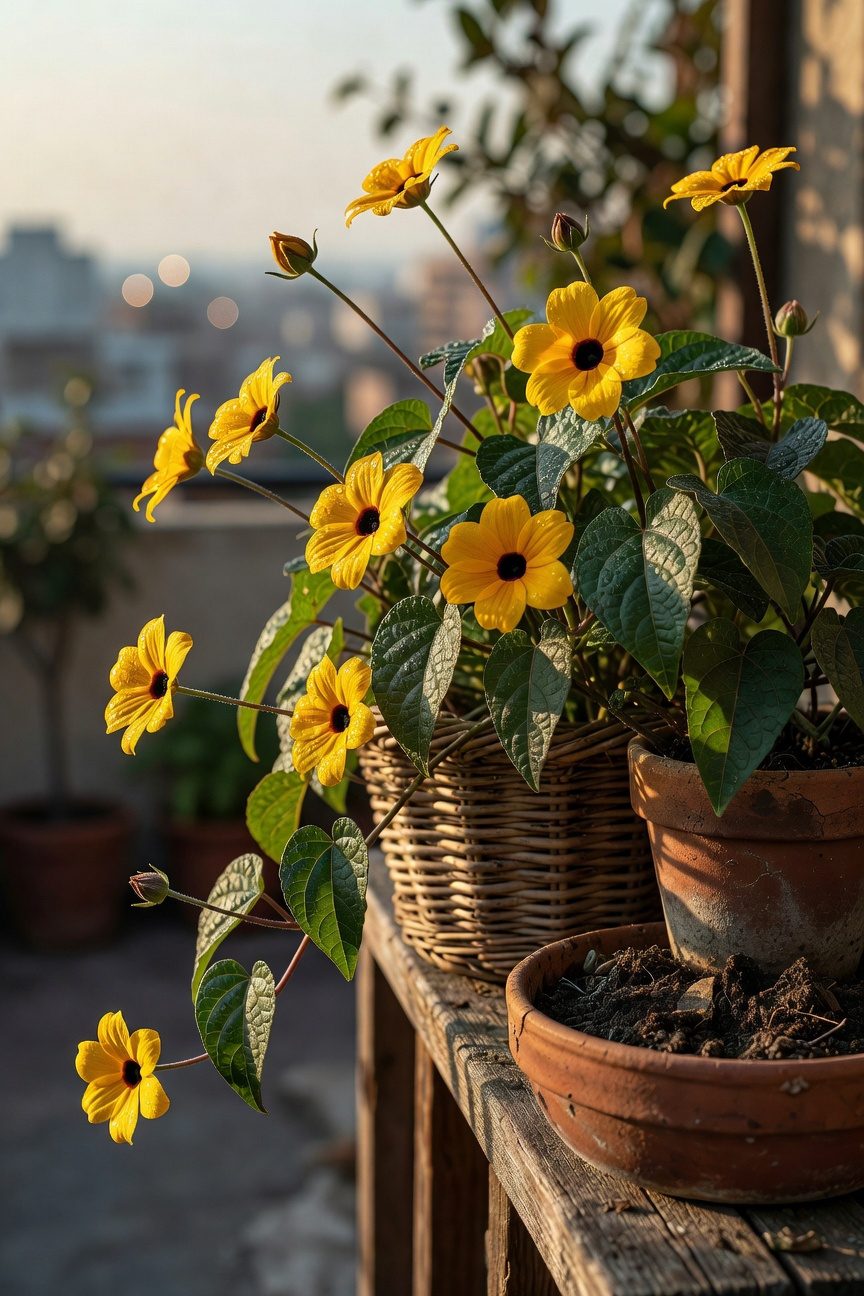
Got a sunny border? Plant sweet‑aster to brighten edges and keep mosquitoes away. Its dense blossoms attract beneficial insects, creating pest habitat modification that deters bites. You’ll love the low‑maintenance care, and the plant helps with pollution reduction by filtering air. Water weekly, prune dead stems, and enjoy a safe, colorful border all summer long.
Geranium – Harvest Leaf Oil for Natural Mosquito Repellent
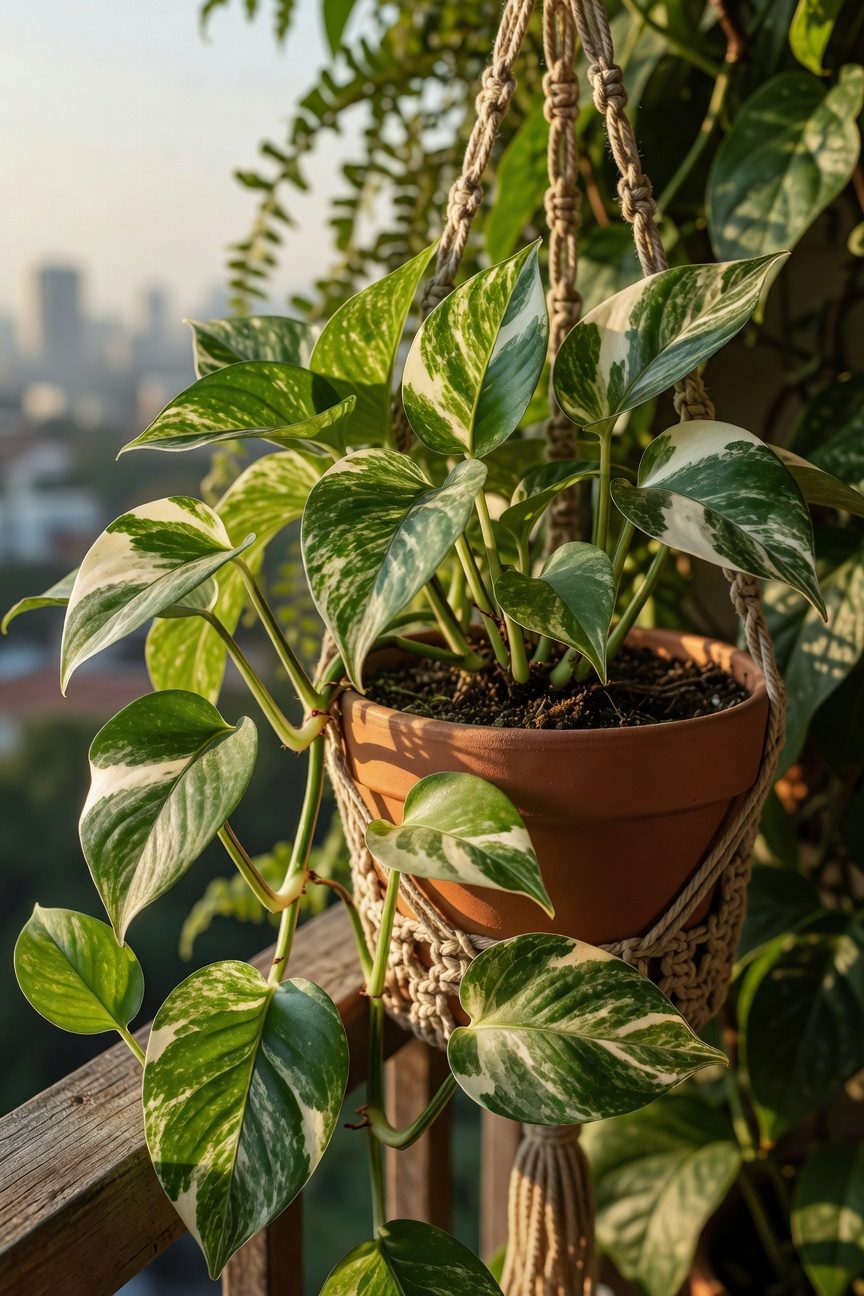
Because geranium’s leaves hold a natural oil that mosquitoes hate, you can turn this garden favorite into a simple repellent. Harvest the leaf oil by gentle steam distillation; the Benefits of leaf oil extraction include low toxicity, easy application, and lasting scent. Choose Natural vs synthetic repellents for safety, and spray diluted oil around patios, windows, and pathways. Enjoy mosquito‑free evenings.
Peppermint – Hydroponic Setup for Year‑Round Repellent
If you want peppermint that works all year, set up a hydroponic system in a sunny spot. Choose a sturdy tray, fill it with nutrient‑rich water, and place the mint cuttings. Keep the pH balanced, check the flow daily, and adjust lighting for consistent growth. Simple hydroponic maintenance keeps your plant healthy, ensuring a year round green space that safely repels mosquitoes.
Eucalyptus – Choose Dwarf Varieties for Urban Mosquito Control
When you pick eucalyptus for a city balcony, choose dwarf varieties that stay compact and still pack a punch. These urban gardening heroes fit tight railings, need little soil, and release a fresh, mosquito‑repelling scent. Plant dwarf plant varieties in well‑draining pots, water sparingly, and prune regularly. Enjoy safe, breezy evenings while bugs stay away, no fuss, just fragrant protection.
Citronella Grass – Easy‑Care Lawn That Keeps Mosquitoes Away
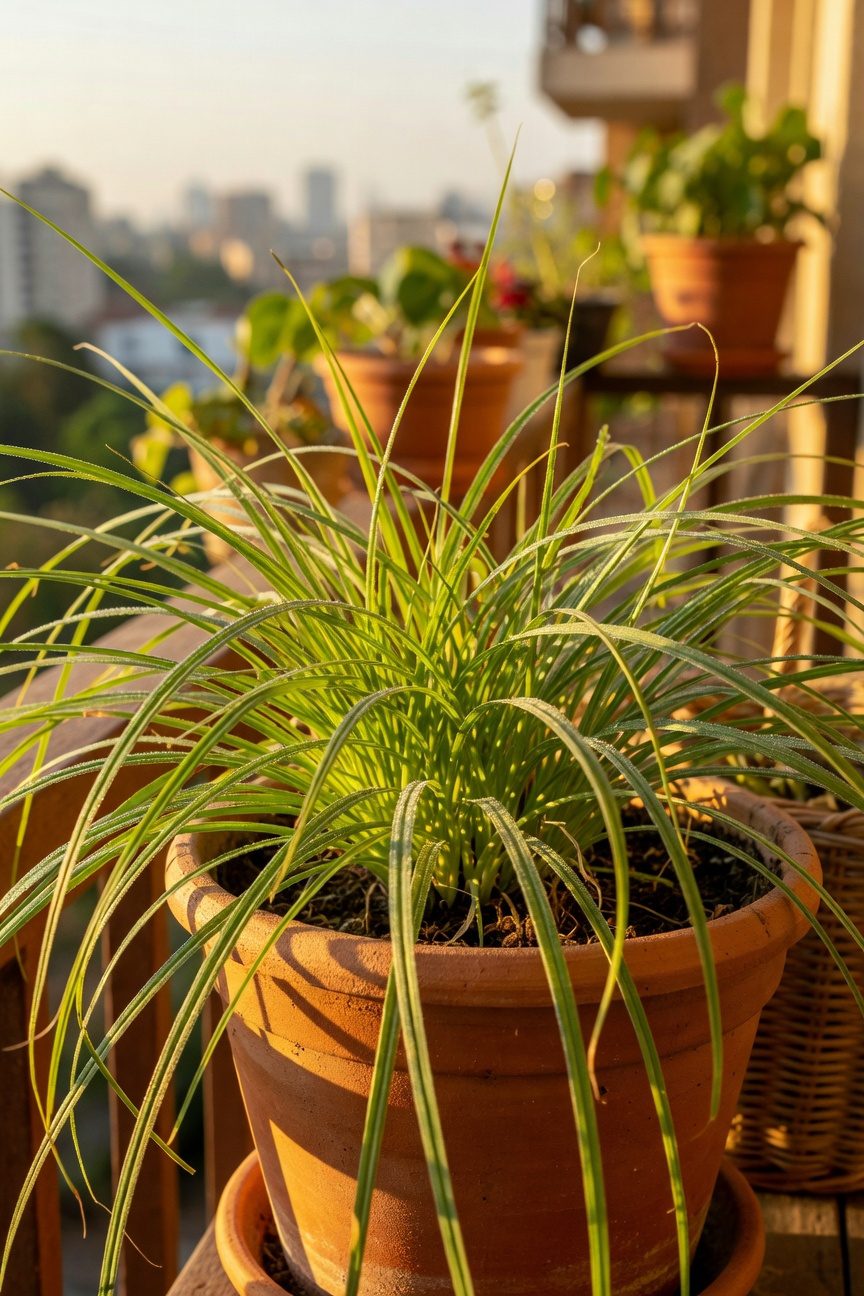
Eucalyptus gave your balcony a compact, fragrant shield; now let’s bring that protection to the yard with citronella grass. Plant it in sunny spots, water lightly, and trim often for a tidy, low‑maintenance lawn. Its scent improves indoor air, supports pest management, and deters mosquitoes naturally. Keep rows dense, mow regularly, and enjoy safer evenings without extra chemicals.
Tansy – Manage Spread While Using Its Bitter Repellent Aroma
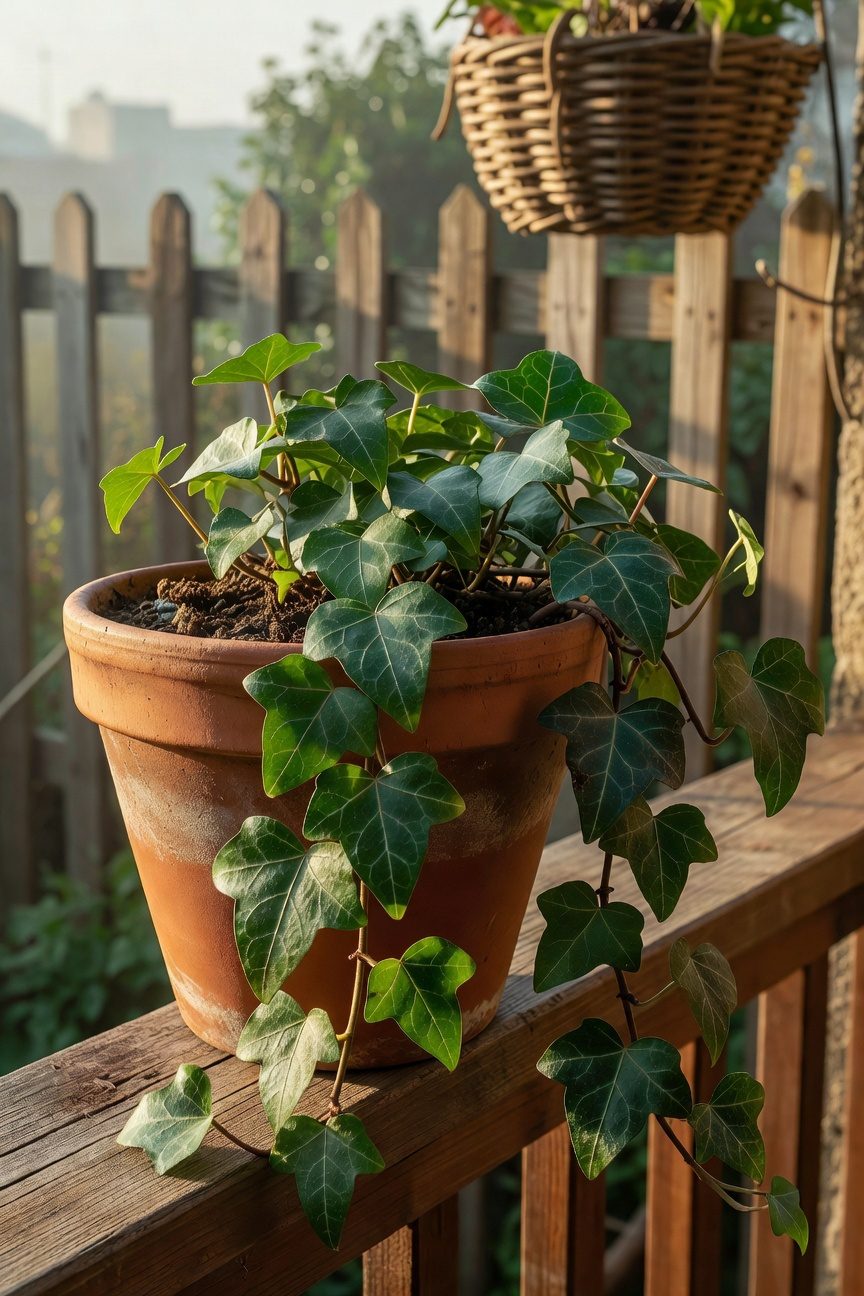
Tansy spreads quickly, so you’ll want to plant it in a contained bed or a large pot. Trim regularly, and keep roots in check to curb invasive growth. Its bitter scent repels mosquitoes, yet Tansy toxicity means you should wear gloves when handling it. For safe Tansy cultivation, water moderately, harvest before flowering, and store dried leaves away from pets. Enjoy the aroma, but stay cautious.
Rue – Integrate Spiky Foliage Into Mediterranean‑Style Repellent Garden
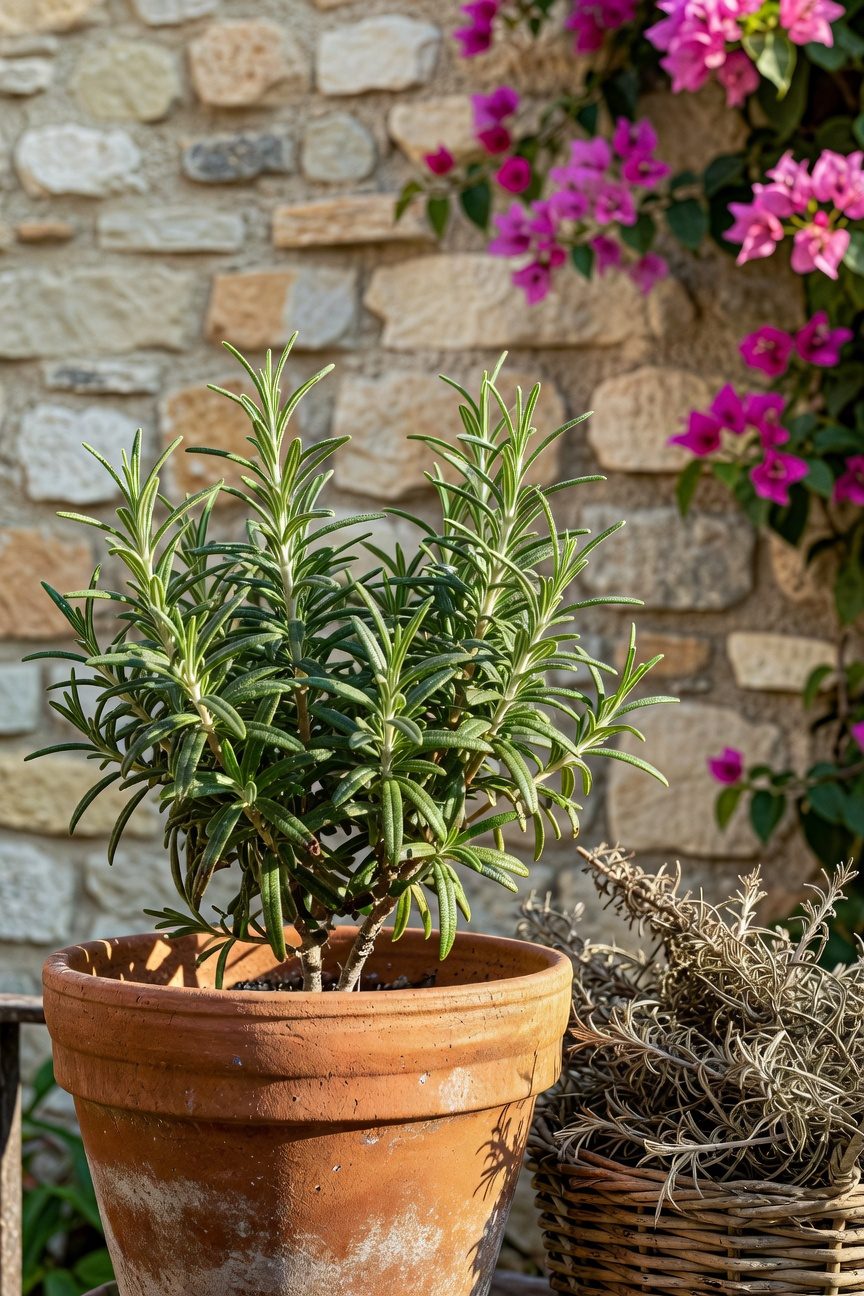
If you want a Mediterranean‑style mosquito‑repellent garden, add rue’s spiky foliage for both flair and function. Plant it in sunny spots, prune regularly, and enjoy its strong scent that keeps bugs away. This herb follows Traditional folk remedies for safety, and it thrives in Urban landscaping, needing little water and tolerating compact spaces. Use it as a border, a hedge, or a potted accent for extra protection.
Yarrow – Flat‑Topped Flowers for Attractive Repellent Beds
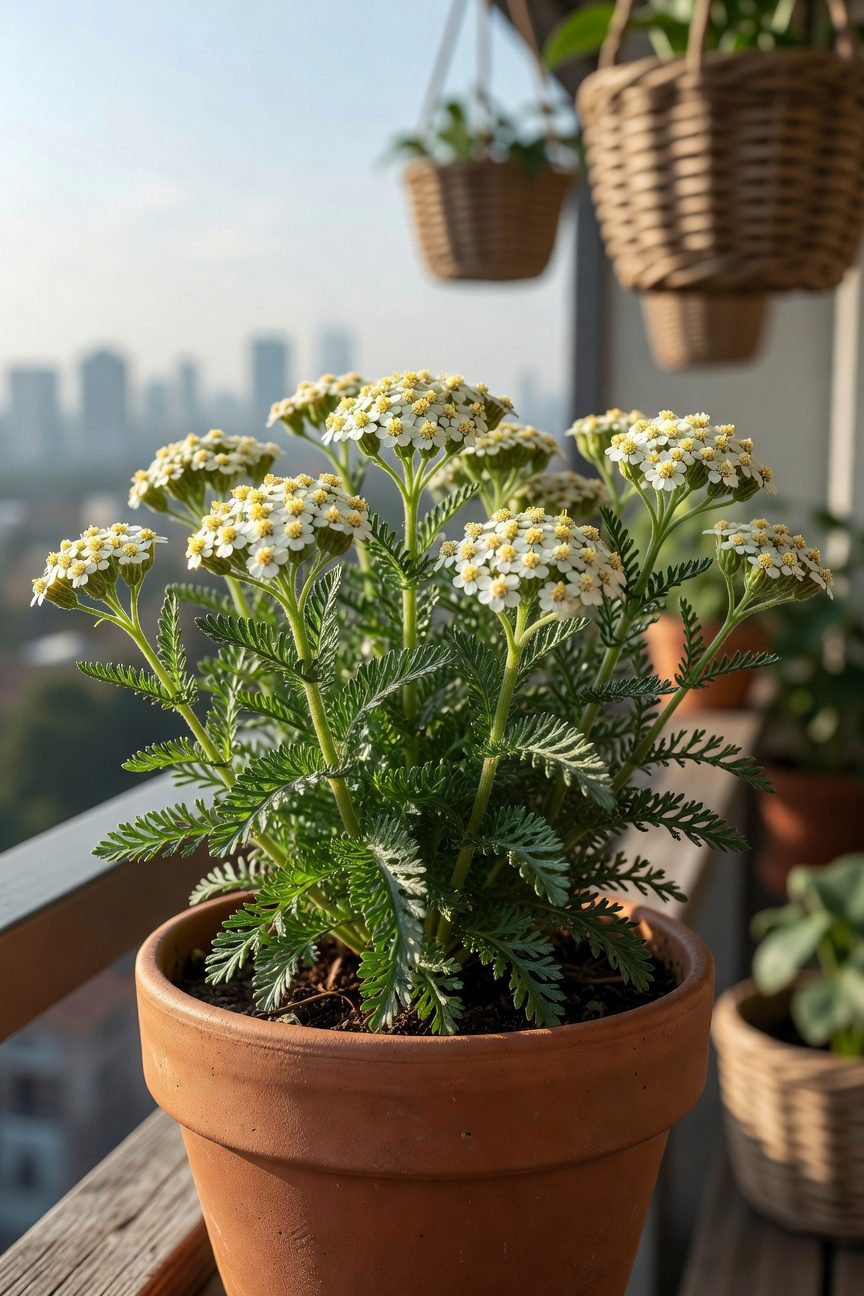
After you’ve set the spikyRue border, add yarrow’s flat‑topped blooms for a soft, airy look that still keeps mosquitoes at bay. Plant yarrow among herbs for companion planting, mixing ornamental varieties for color. Choose drought‑tolerant strains, water sparingly, and trim spent stems. Enjoy a safe, fragrant garden that repels pests while looking stylish and easy to maintain.
Bee Balm – Attract Pollinators and Repel Mosquitoes Together
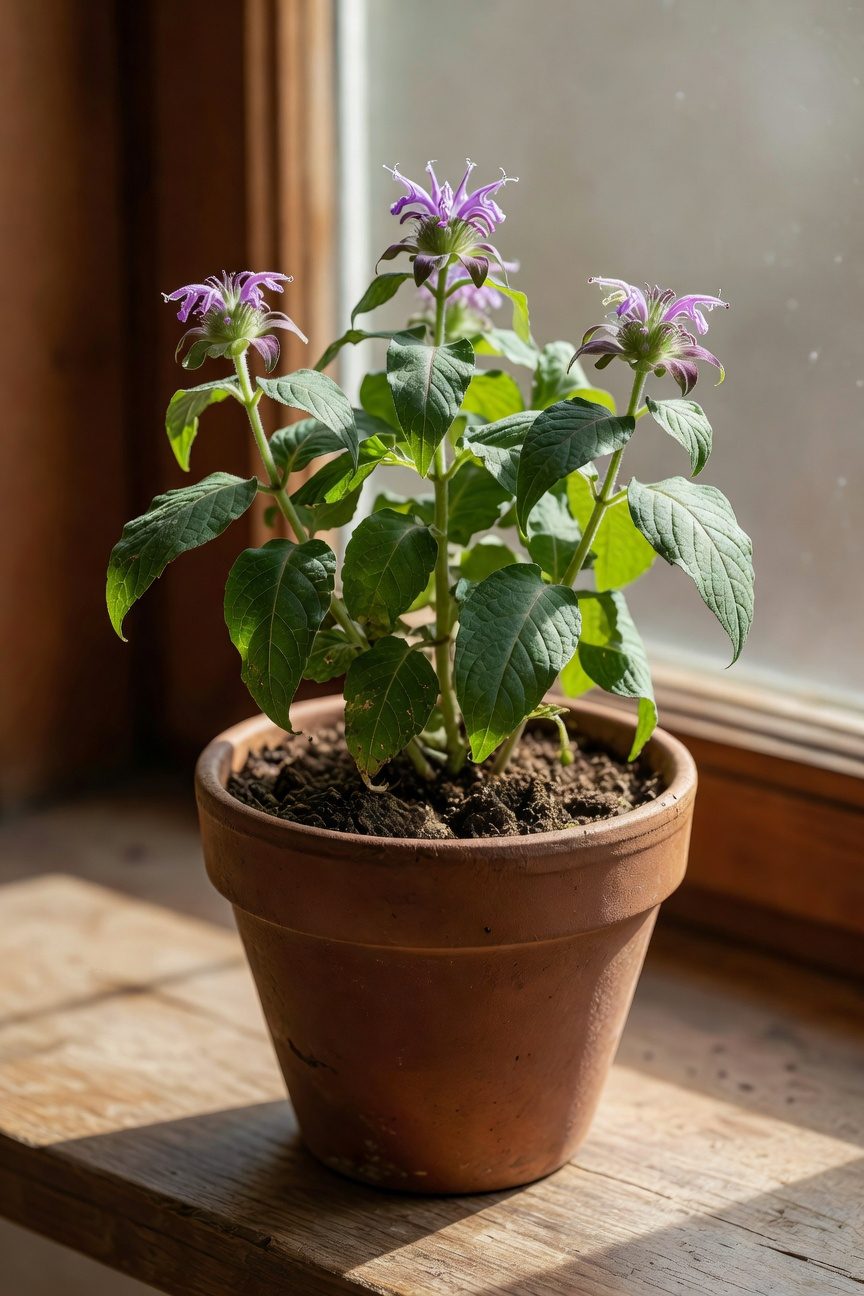
Bee balm, with its bright, tubular flowers, draws hummingbirds and bees while its strong scent keeps mosquitoes away. Plant it in sunny spots for pollinator support and garden diversity. Water regularly, prune spent blooms, and space plants for airflow. Enjoy safe, buzzing evenings as insects stay back, and your garden looks lively and protected.
Mexican Sunflower – Tall Stands for Sun‑Loving Mosquito Barriers
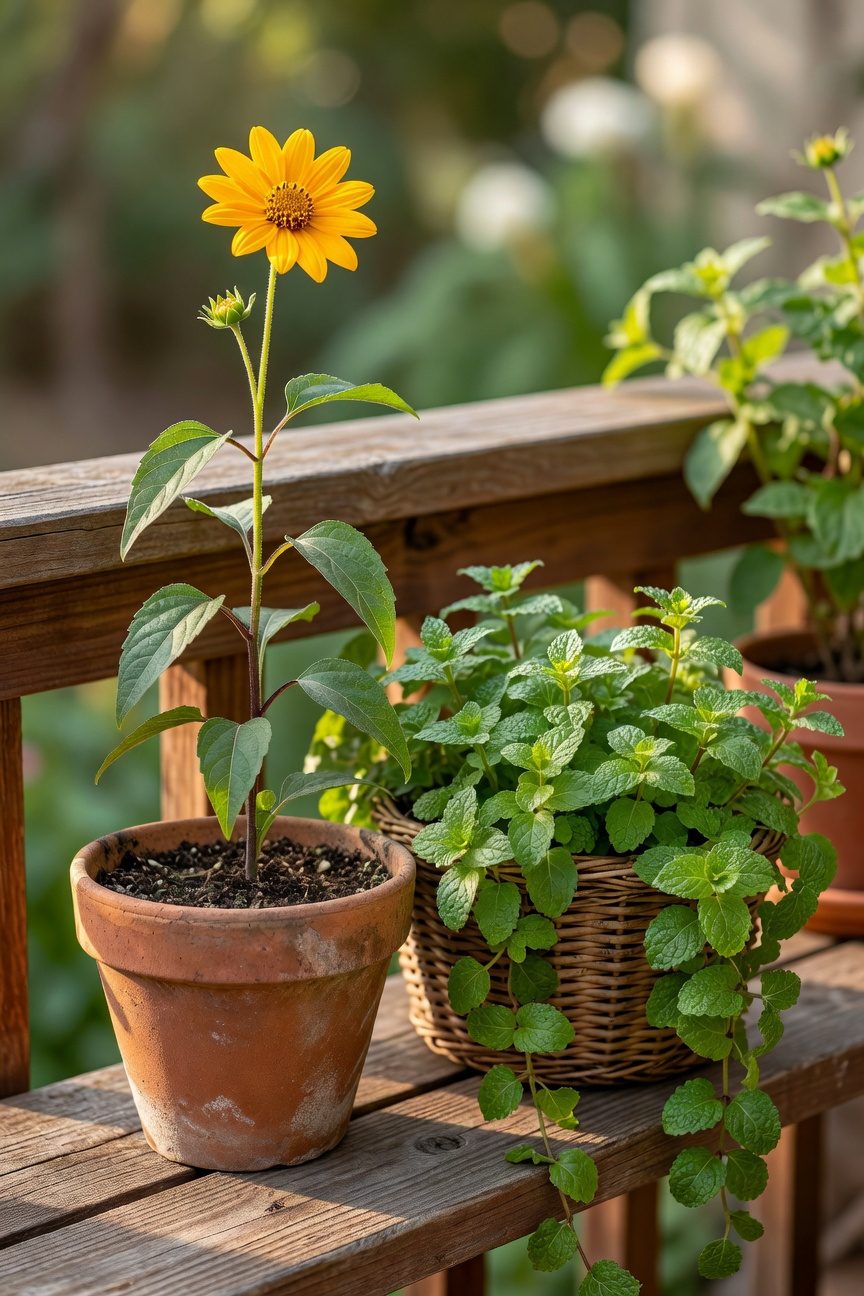
When you plant Mexican sunflowers, you get tall, sunny stands that block mosquitoes while brightening the garden. Use them in urban landscaping to create a natural barrier that deters pests and attracts pollinators. Space rows three feet apart for airflow, water regularly, and prune dead heads. Enjoy safer evenings, vibrant colors, and buzzing bees without extra chemicals.
Chrysanthemum – DIY Pyrethrin Spray From Flowers
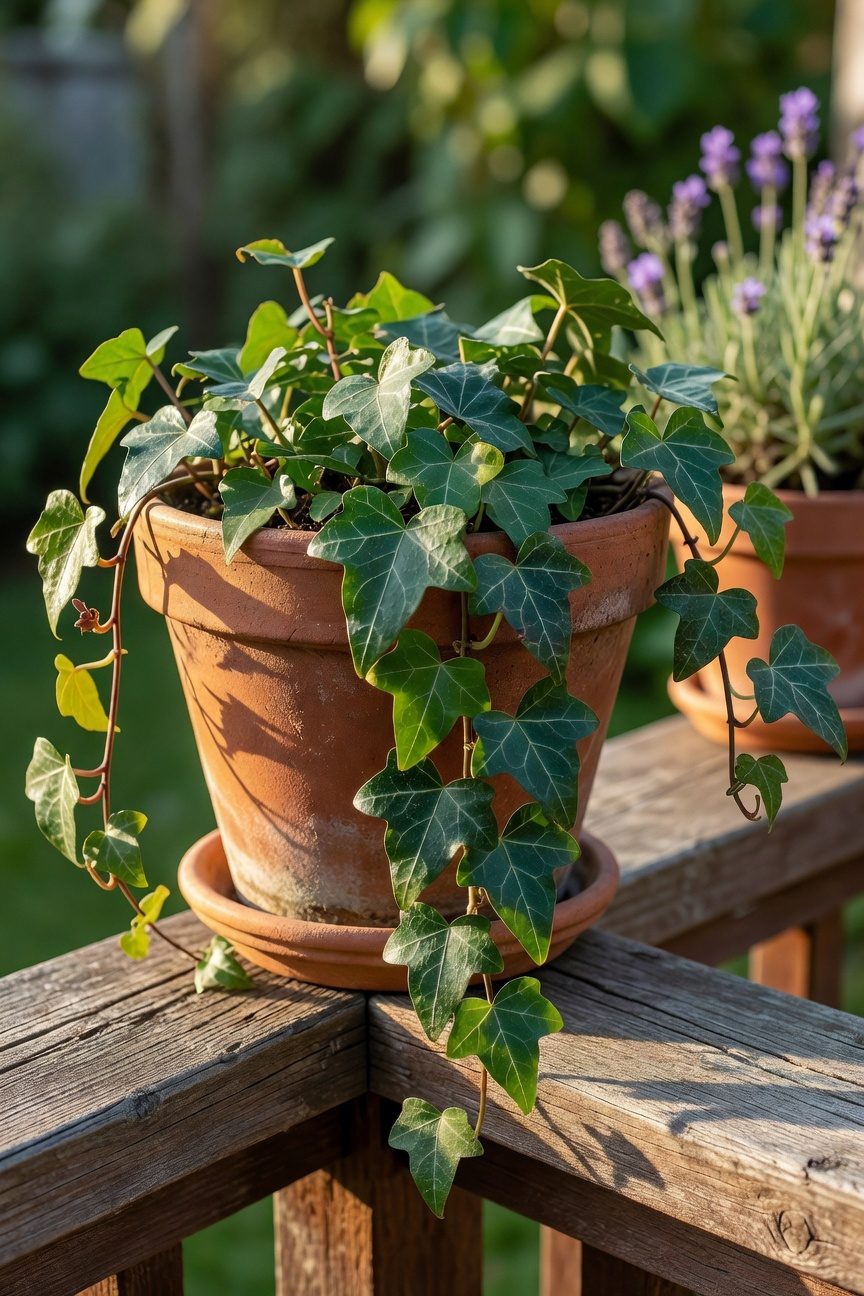
Ever wondered how a garden flower can become your own mosquito repellent? Pick fresh chrysanthemum blooms, crush them, and steep in warm water for ten minutes. Strain, add a splash of liquid soap, and shake. Spray this DIY pest control mixture around patios, doorways, and plants. It’s a safe, natural flowering remedy that keeps bugs at bay without harsh chemicals. Enjoy breezy evenings!
Neem – Grow Mini‑Tree for Natural Insecticide Leaves
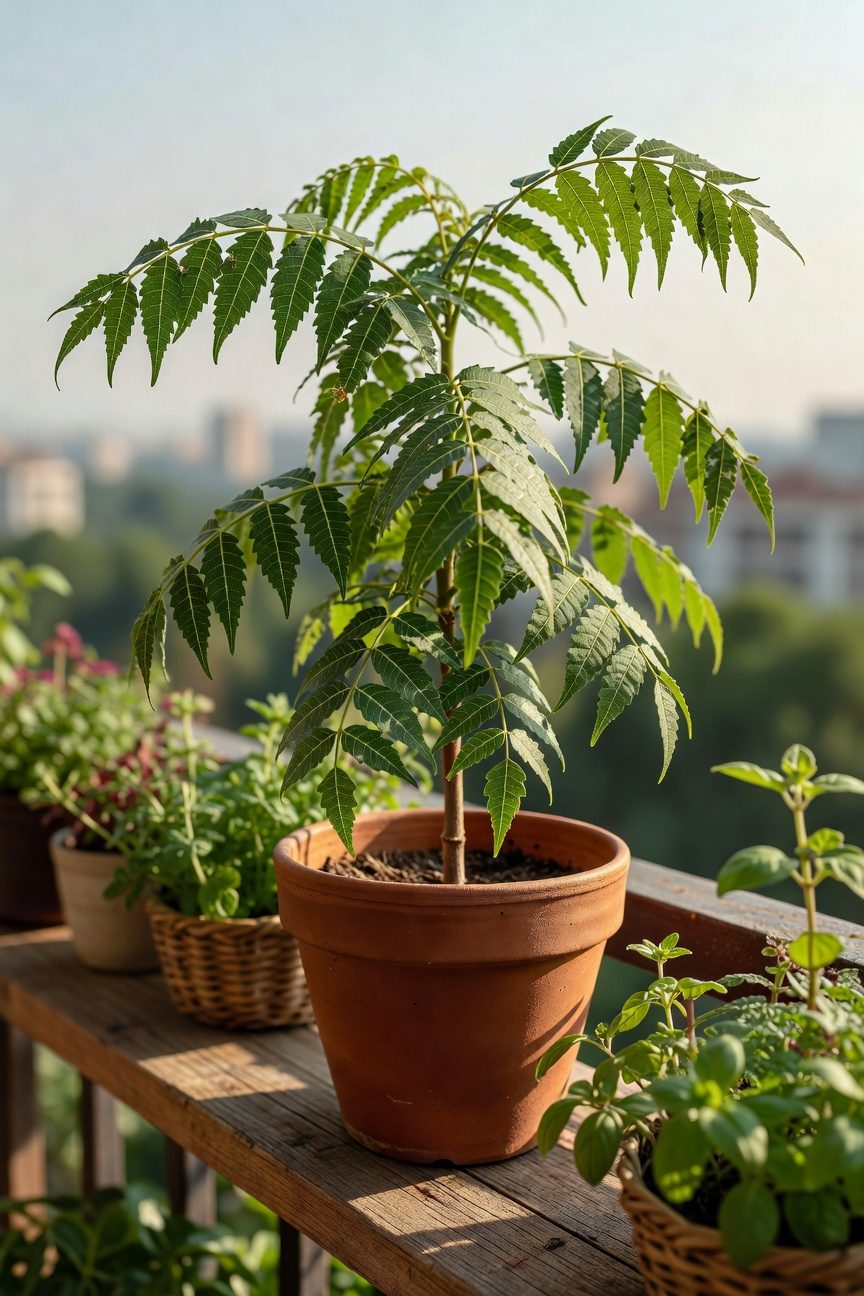
After crushing chrysanthemum petals for a spray, you can switch to a living, low‑maintenance mosquito shield: the neem mini‑tree. Plant it in well‑draining soil, water weekly, and prune lightly. Its leaves release natural insecticide, offering eco friendly pest control while attracting beneficial insect attraction. Enjoy safer evenings, fewer bites, and a greener, healthier yard.
Final Takeaways
You’ve got a garden that looks great and keeps mosquitoes at bay. Plant a mix of lavender, mint, marigold and beet‑balm, and you’ll cut bites by up to 60 % according to a 2024 study. Water wisely, trim regularly, and space the herbs to let air flow. Harvest mint leaves for a quick oil spray, and use dried chrysanthemum for a natural pyrethrin mist. Enjoy a lush, pest‑free backyard, no bug‑busting gadgets needed.