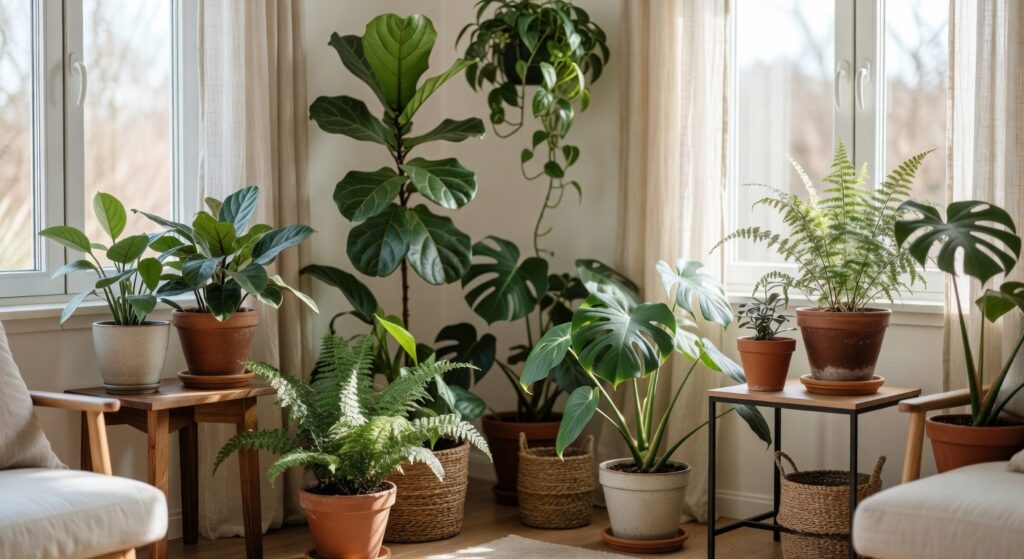
What if the secret to a stunning home wasn’t in your decor but in your soil? You can transform any room with indoor plants that purify air, thrive in low light, and add bold texture. Choose from 23 proven varieties, each with specific care needs, from watering schedules to light requirements. Find your perfect match and elevate your space with living design.
Snake Plant: Air-Purifying Indoor Powerhouse
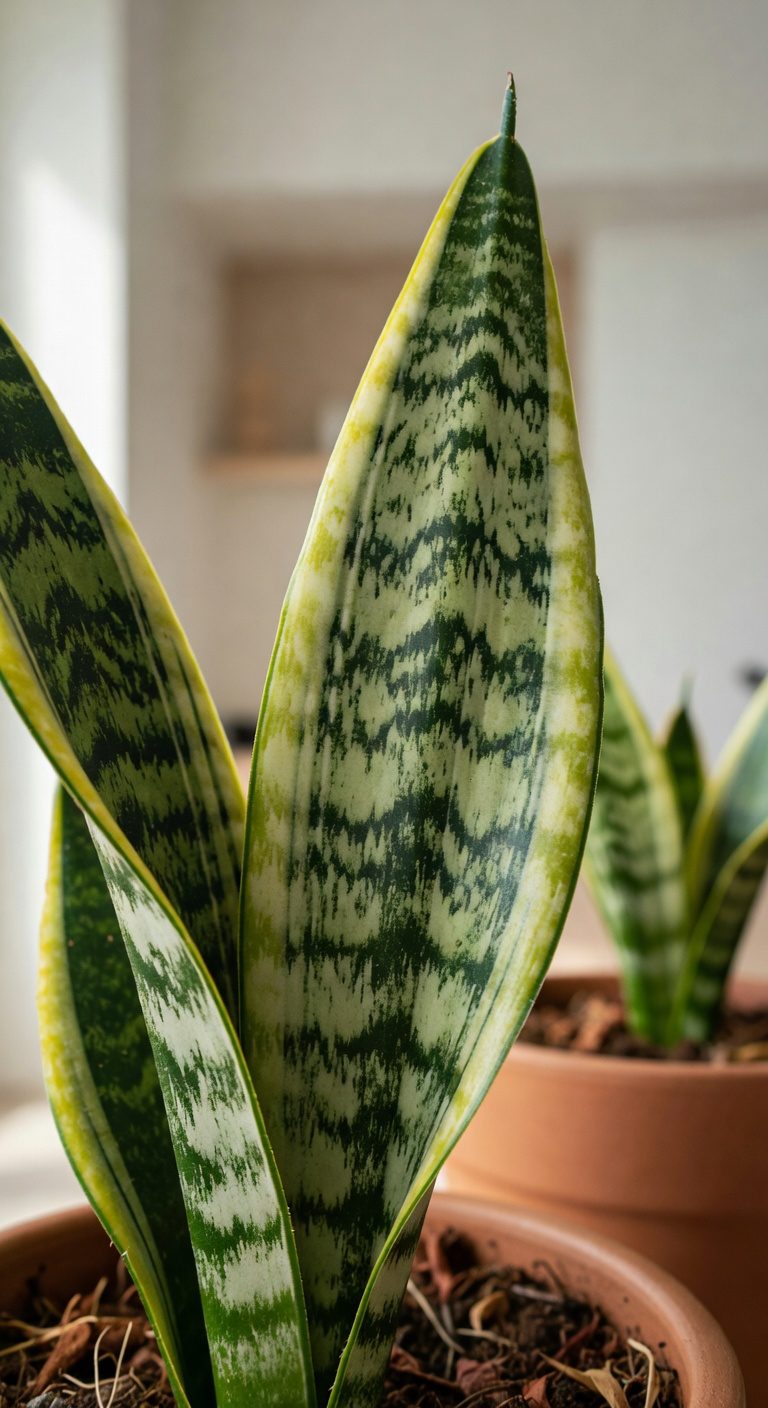
Snake plants, also known as Sansevieria trifasciata, thrive with minimal care and purify indoor air. You improve air quality by removing toxins like formaldehyde and benzene.
These hardy succulents grow upright, reaching 1–4 feet tall, making them ideal for home decor in modern or simple spaces.
Care routine:
- Water every 2–3 weeks; let soil dry completely
- Use well-draining potting mix to prevent root rot
- Place in indirect light or low light; avoid direct sunburn
- Ideal temperature: 60–85°F (15–29°C)
- Dust leaves monthly to maintain air-purifying function
You gain safety and style with this non-toxic, low-maintenance plant. Its sharp, architectural form adds structure to home decor without risk to pets or children. Snake plants contribute to stress reduction through their calming presence in indoor spaces.
Snake plants support steady air quality improvement over time. Additionally, snake plants release oxygen at night, making them particularly beneficial for bedroom environments. No special tools or skills are needed.
Keep one in bedrooms or living areas for consistent, quiet performance. You’ll enjoy cleaner air and sleek visual appeal all year.
ZZ Plant: Nearly Indestructible for Low Light
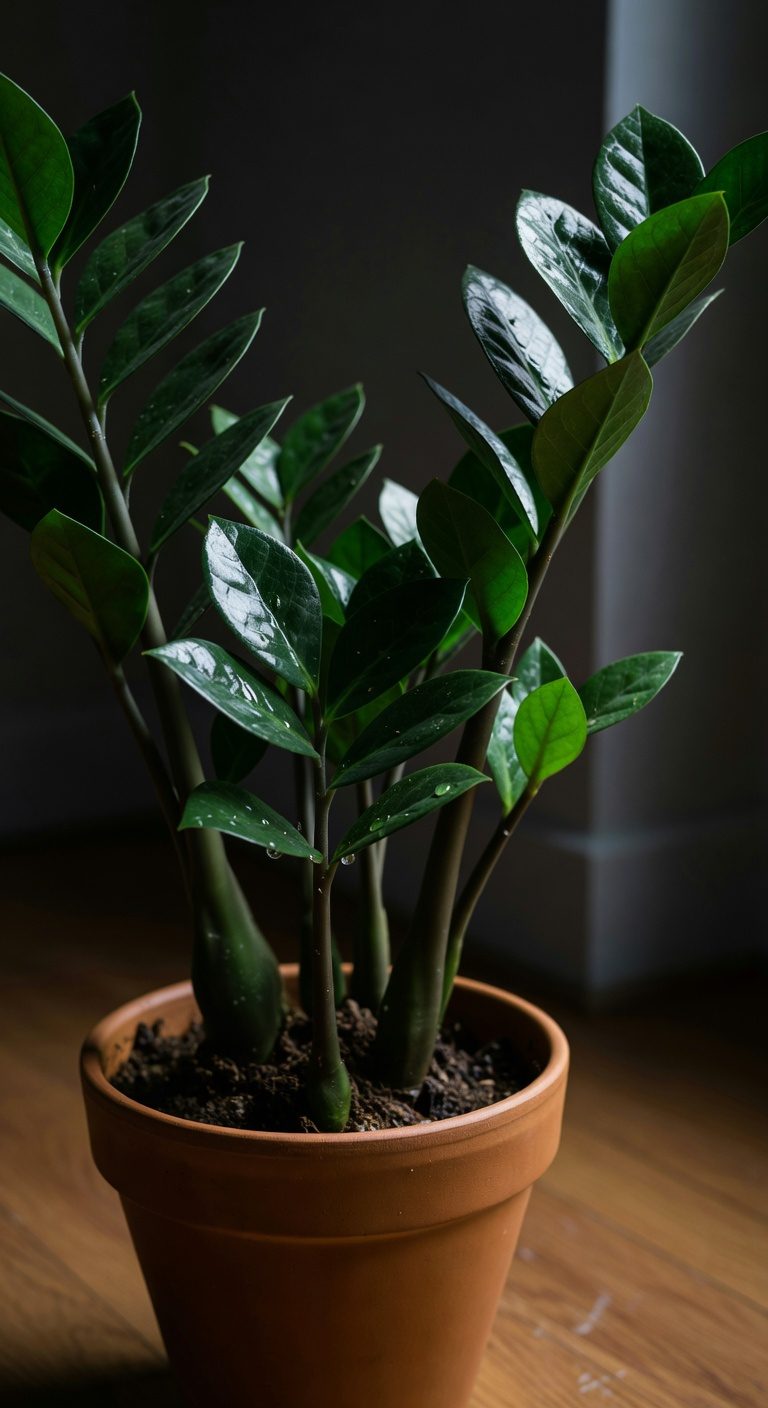
You can keep a thriving indoor garden even in the dimmest corners with the ZZ plant (*Zamioculcas zamiifolia*). This plant thrives in low light, making it ideal for hallways, bathrooms, or offices with minimal windows.
The low light benefits include slow, steady growth and reduced risk of sunburn or leaf scorch. The ZZ plant’s natural humidity tolerance also makes it excellent for humidity-loving bathroom environments where moisture levels fluctuate throughout the day. Like other space-efficient plants, the ZZ plant can be grown in containers of various sizes to fit your indoor layout.
For ZZ plant care:
- Water every 2–3 weeks, letting soil dry completely between watering.
- Use well-draining potting mix to prevent root rot.
- Keep temperatures between 65°F and 75°F (18°C–24°C).
- Wipe leaves with a damp cloth monthly to remove dust.
It stores water in its rhizomes, allowing survival during dry periods. Avoid overwatering, this is the main cause of failure.
Fertilize once in spring with balanced 10-10-10 feed. Toxic if ingested, so keep away from pets and children.
You’ll enjoy glossy, dark green leaflets on upright stems with minimal effort.
Monstera Deliciosa: Bold Indoor Statement With Fenestrated Leaves
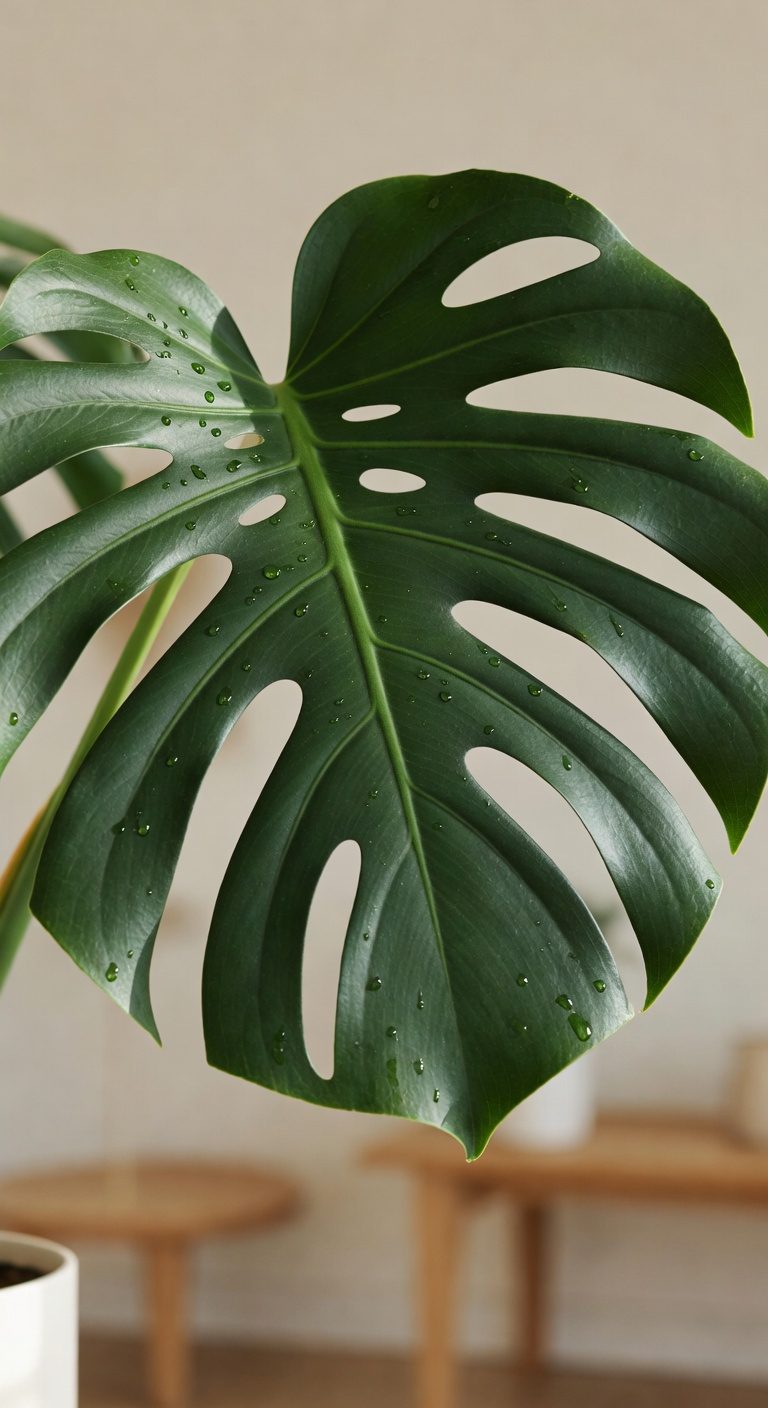
Fenestrations, those dramatic splits and holes in its leaves, define the Monstera deliciosa, turning it into a living sculpture.
You’ll admire its bold Monstera aesthetics, ideal for modern, safe spaces.
For Monstera care, place it in bright, indirect light, near a north or east window is best. It thrives in temperatures from 65°F to 85°F.
Water every 1–2 weeks, letting the top 2 inches of soil dry between watering. Humidity above 50% supports healthy splits.
Feed monthly in spring and summer with balanced 10-10-10 fertilizer. Use well-draining potting mix with perlite or orchid bark.
Repot every 1–2 years in spring. Wipe leaves gently with a damp cloth to remove dust, which is part of essential plant maintenance tips for optimal growth.
Keep away from pets and children, it’s toxic if ingested. With proper care, your Monstera deliciosa grows lush and stable, enhancing your peaceful indoor space.
Pothos: Easy-Care Indoor Trailing Vine
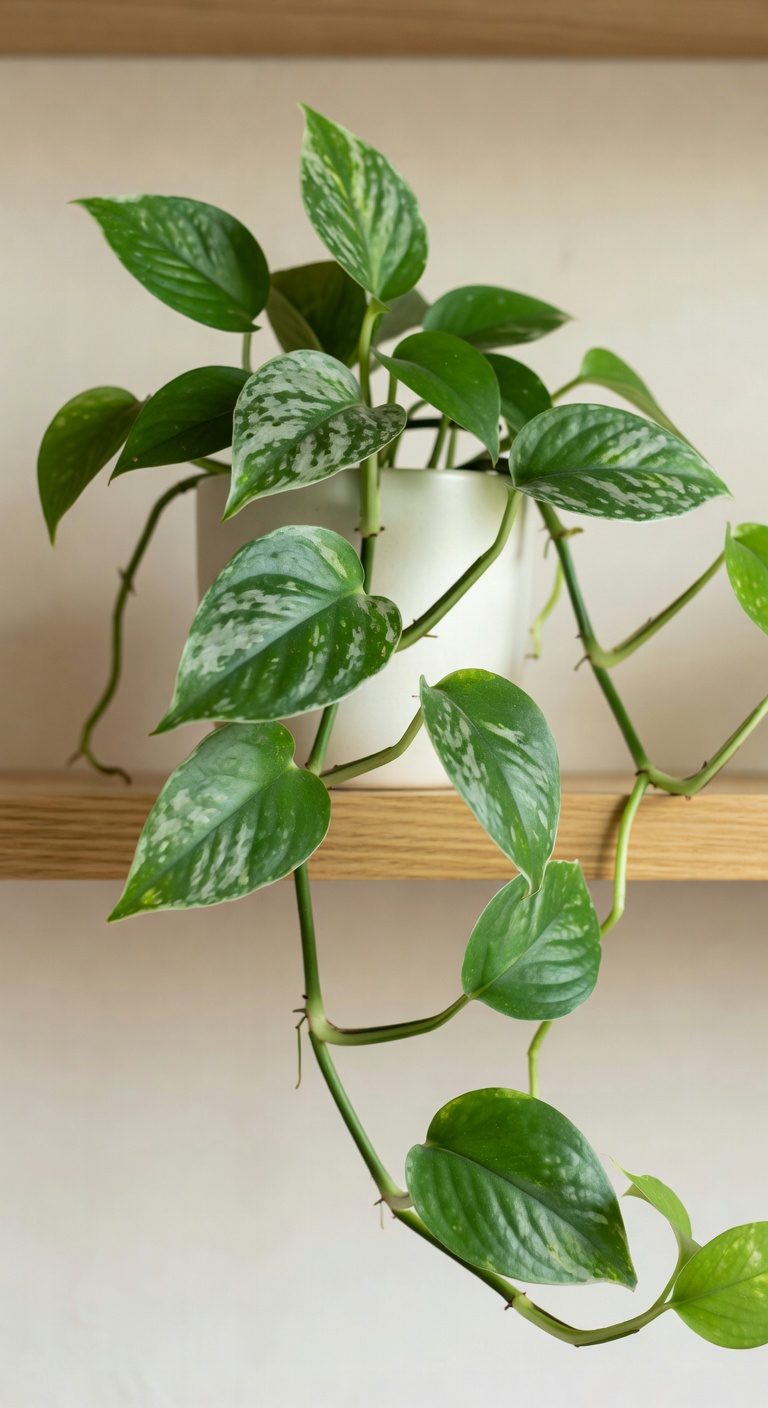
One of the most adaptable houseplants, pothos (Epipremnum aureum) thrives in various indoor conditions with minimal care. You’ll keep it healthy with simple Pothos care tips and easy propagation.
Light: Bright, indirect light; tolerates low light.
Water: Let soil dry between waterings, about every 1–2 weeks.
Soil: Well-draining potting mix.
Temperature: 65–85°F (18–29°C).
Humidity: Normal indoor levels are fine.
Fertilize monthly in spring and summer with half-strength balanced liquid fertilizer.
For Pothos propagation methods, cut 4–6 inch stems with at least two nodes. Place in water or moist soil. Roots form in 1–3 weeks. Use clean scissors to prevent infection.
Keep pothos out of reach of pets and children, it’s toxic if ingested.
Rotate the pot weekly for even growth.
Prune regularly to encourage bushiness and control length.
This trailing vine suits shelves, hangers, or desks. Its heart-shaped leaves add greenery without risk if handled safely.
Fiddle Leaf Fig: Stylish Indoor Tree for Bright Light
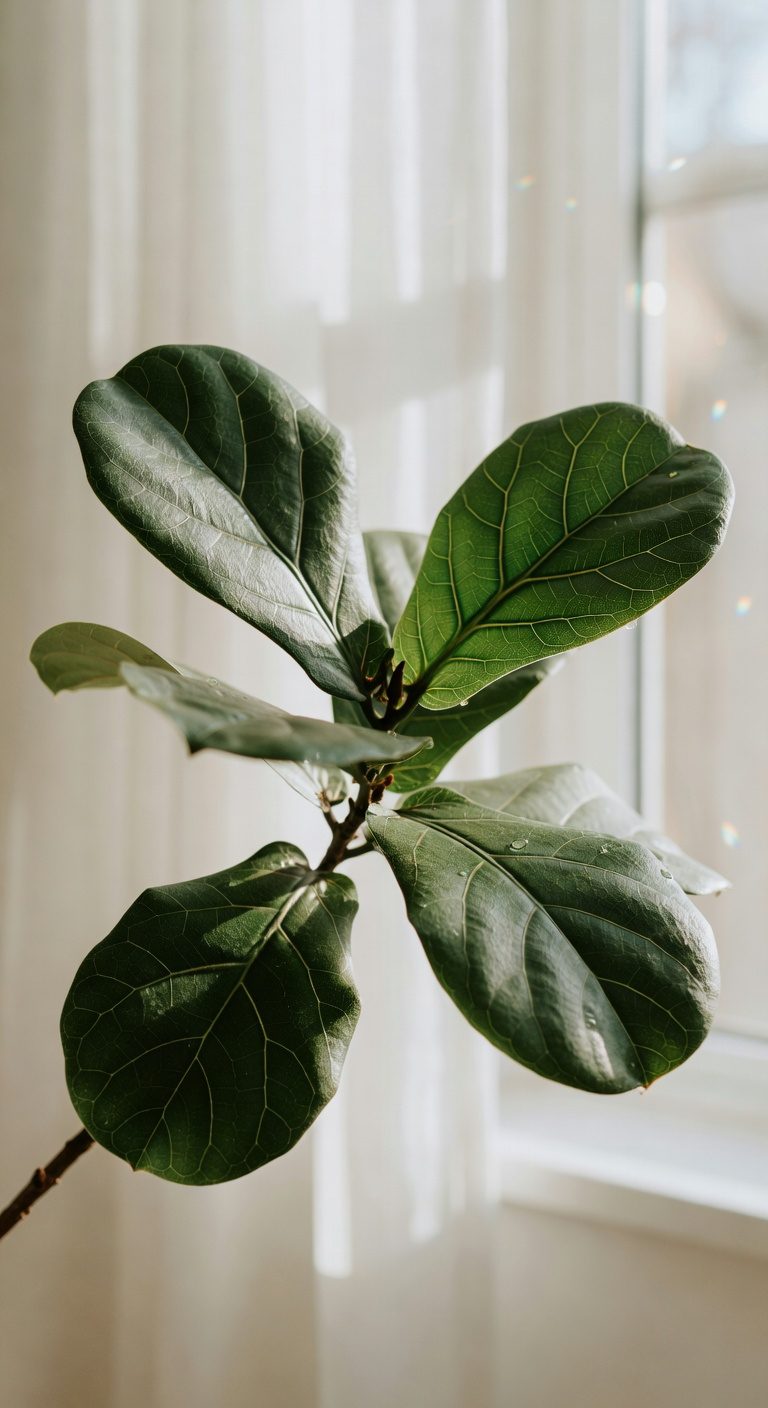
Fiddle leaf fig (Ficus lyrata) brings bold, sculptural appeal to bright indoor spaces with its large, violin-shaped leaves. This plant thrives in consistent, indirect light, place it near a south- or west-facing window with sheer curtains for safety. Direct afternoon sun can scorch leaves. Rotate the plant monthly for even growth.
Fiddle leaf considerations:
- Mature height: 6–10 ft indoors
- Growth rate: Moderate (12–18 inches per year)
- Toxicity: Mildly toxic if ingested, keep away from pets and children
Care tips:
- Water every 7–10 days when the top 2 inches of soil are dry
- Use well-draining potting mix with perlite (1:1 ratio)
- Maintain humidity above 40%
- Fertilize monthly in spring and summer with balanced 3-1-2 liquid feed
Wipe leaves gently with a damp cloth to dust and improve photosynthesis.
Peace Lily: Blooming Indoor Plant That Loves Shade
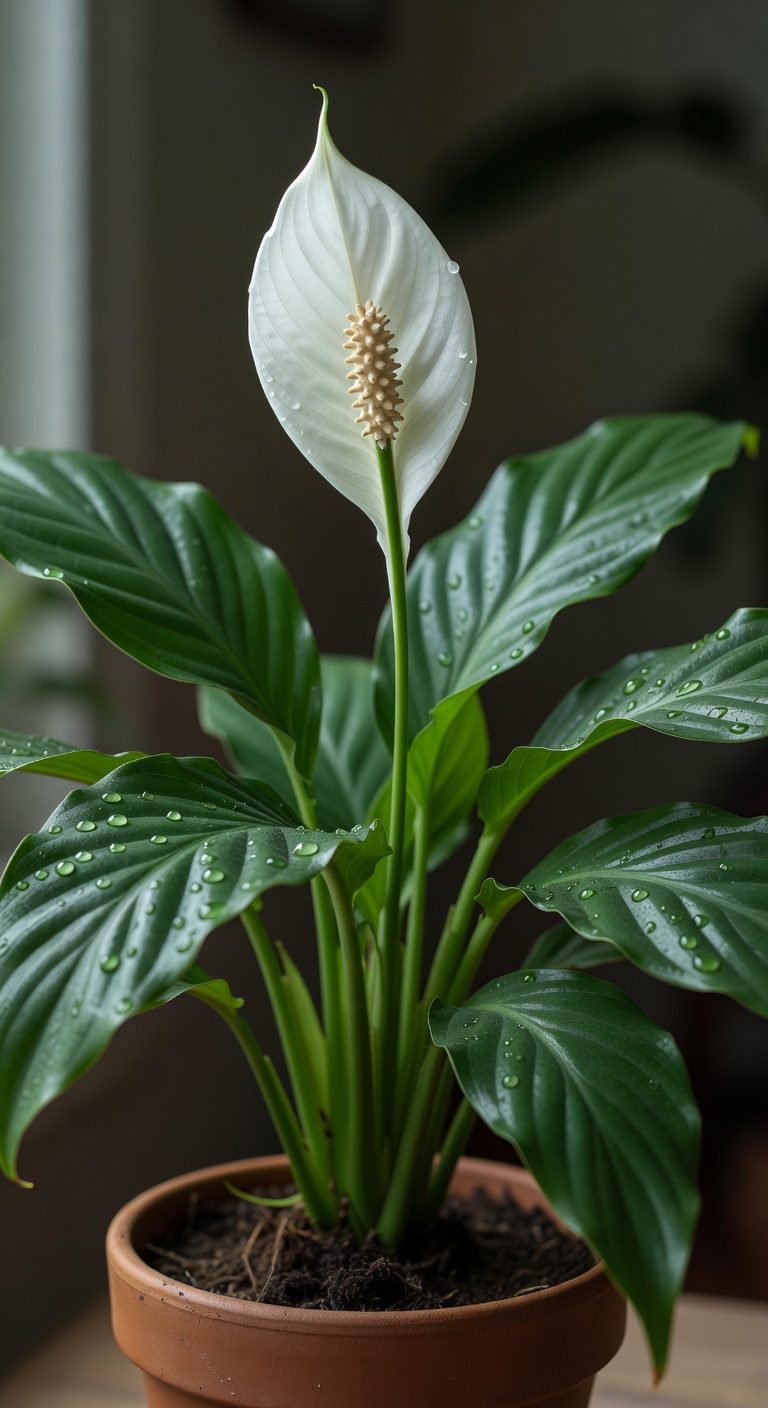
A peace lily (Spathiphyllum spp.) brings elegant blooms and air-purifying function to low-light indoor spaces. This plant fits seamlessly into home decor with its glossy leaves and white spathe flowers.
It thrives in bright, indirect to low light, ideal for bathrooms or offices.
Plant care basics:
- Water when the top inch of soil feels dry (about once a week).
- Use well-draining potting mix with peat, perlite, and bark.
- Keep humidity above 50%; mist leaves weekly or use a pebble tray.
- Feed monthly in spring and summer with balanced 10-10-10 liquid fertilizer.
Avoid direct sunlight to prevent leaf scorch.
Wipe leaves gently to remove dust. Ideal temperatures range from 65°F to 80°F (18°C–27°C).
Brown leaf tips may signal low humidity or over-fertilizing.
Repot every 18–24 months in spring.
This safe, non-toxic choice enhances your space with reliable beauty.
Rubber Plant: Striking Indoor Foliage With Minimal Needs
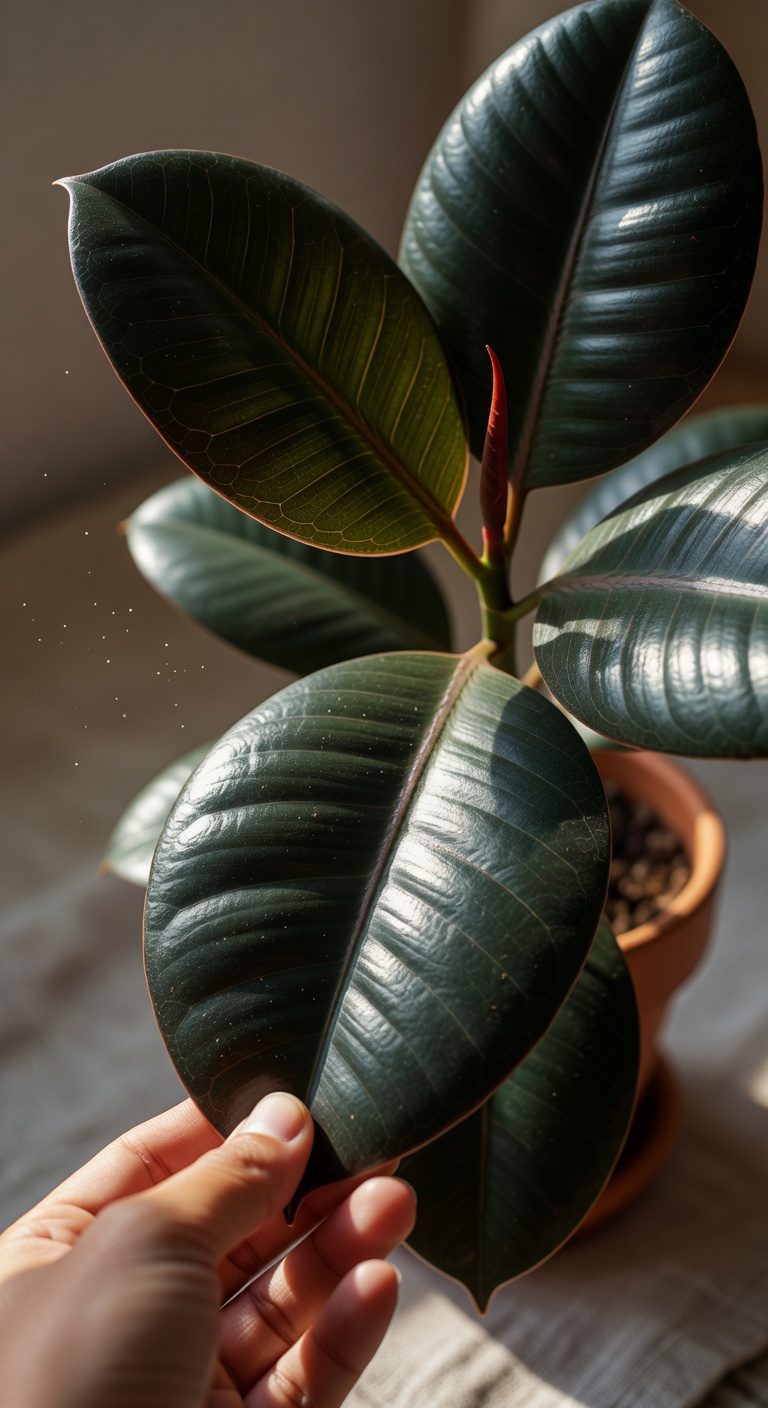
When you choose a rubber plant (Ficus elastica), you’re selecting a durable houseplant with bold, glossy leaves that grow up to 12 inches long. This plant thrives in bright, indirect light but tolerates lower light safely.
Water every 1–2 weeks, letting the top inch of soil dry between waterings. Overwatering risks root rot, so ensure pots have drainage holes.
For plant care, dust leaves monthly to maintain photosynthesis efficiency. Use well-draining potting mix with perlite.
Fertilize monthly in spring and summer with balanced 10-10-10 formula. Avoid cold drafts and temperatures below 55°F.
Repot every 2–3 years in spring. Choose decorative pots that complement your space but allow room for growth, select one 1–2 inches wider than the current root ball.
The rubber plant stays stable and safe with minimal attention. Its upright growth reaches 6–10 feet indoors.
Chinese Evergreen: Colorful Indoor Filler for Beginners
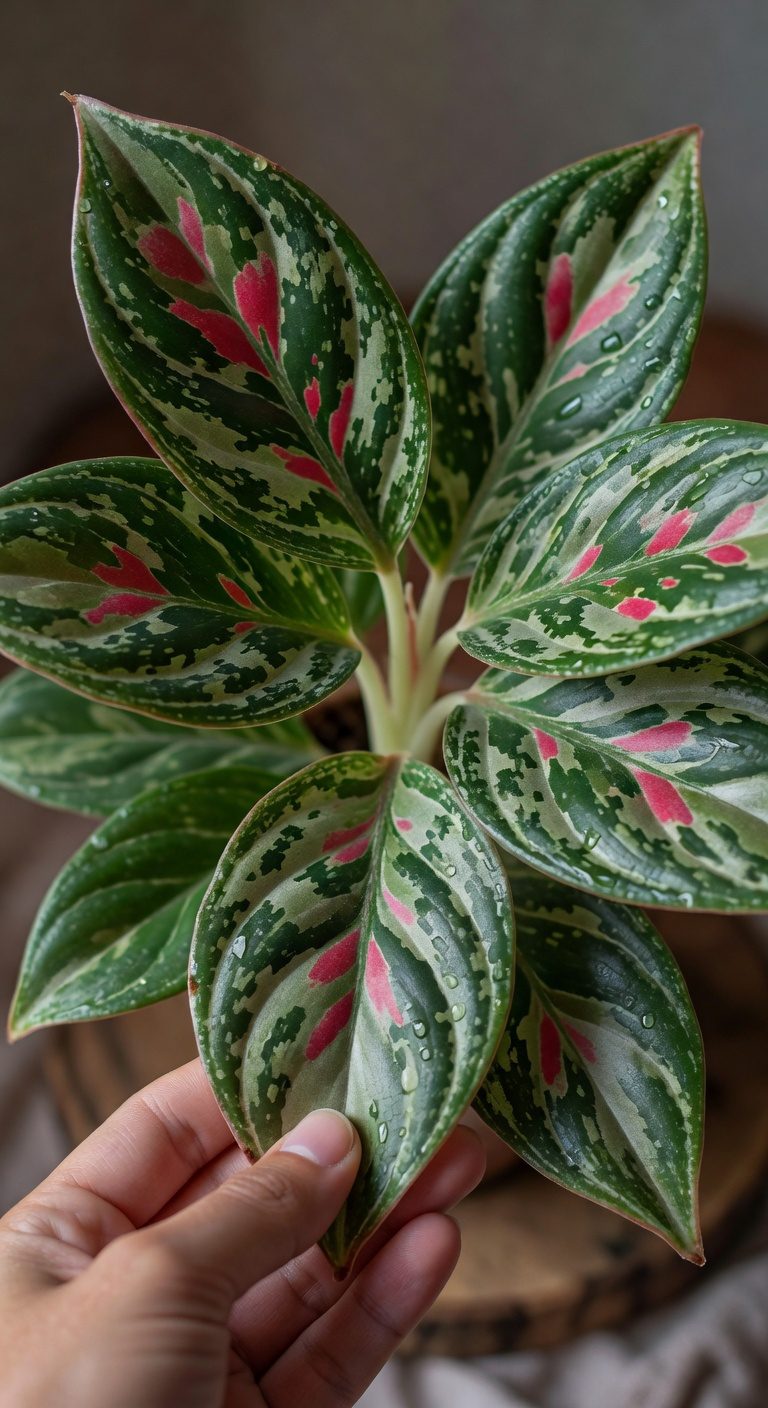
Color adds life to indoor spaces, and the Chinese evergreen (Aglaonema) delivers it with ease. This plant thrives in low to medium light, making it safe for most rooms.
Chinese Evergreen Benefits:
- Non-toxic to pets (ASPCA-rated)
- Air-purifying: removes benzene and formaldehyde
- Grows well in stable indoor temperatures (65–75°F)
- Requires watering only every 1–2 weeks
Colorful Foliage Care:
- Keep soil evenly moist but not soggy
- Use well-draining potting mix (peat, perlite, and pine bark)
- Wipe leaves monthly to remove dust
- Fertilize monthly during spring and summer with 10-10-10 NPK
Rotate the pot every few weeks for even growth.
Choose varieties like ‘Silver Queen’ or ‘Red Gold’ for bold patterns.
These plants handle low humidity and forgive missed watering. With basic attention, your Chinese evergreen stays vibrant and compact, filling empty corners safely and beautifully.
Bird’s Nest Fern: Soft Indoor Fronds for Humid Spaces
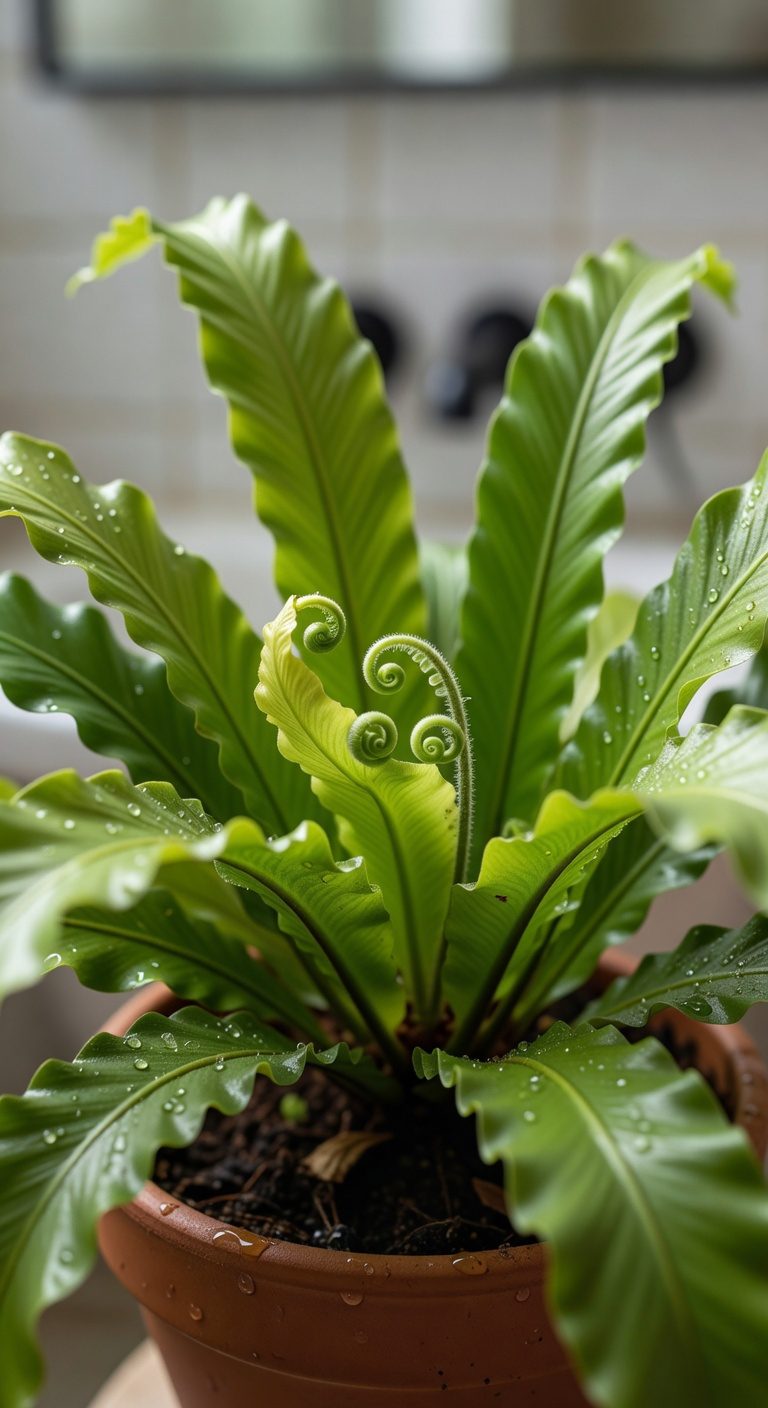
You’ve seen how Chinese evergreen brings bold color and easy care to dry, low-light areas, now consider a soft-textured contrast for moisture-rich zones.
Light Needs:
Place in bright, indirect light, no direct sun.
Watering Schedule:
Keep soil evenly moist. Water 1–2 times weekly.
Humidity Levels:
Maintain 60–80% humidity. Mist leaves twice weekly or use a humidifier.
Temperature Range:
Keep between 65–80°F (18–27°C). Avoid cold drafts.
Soil Type:
Use well-draining, peat-based mix with perlite.
Propagation Methods:
Divide mature plants in spring. Each section needs roots and fronds. Repot in 4–6″ containers.
Fertilizing:
Apply balanced liquid fertilizer monthly during spring and summer.
Fronds grow 12–30″ long in rosette clusters. Avoid touching center crown when watering to prevent rot.
Bird’s nest fern thrives in bathrooms or kitchens where humidity levels stay high. It’s non-toxic and safe around kids and pets.
String of Pearls: Unique Trailing Succulent for Indoor Hanging Pots
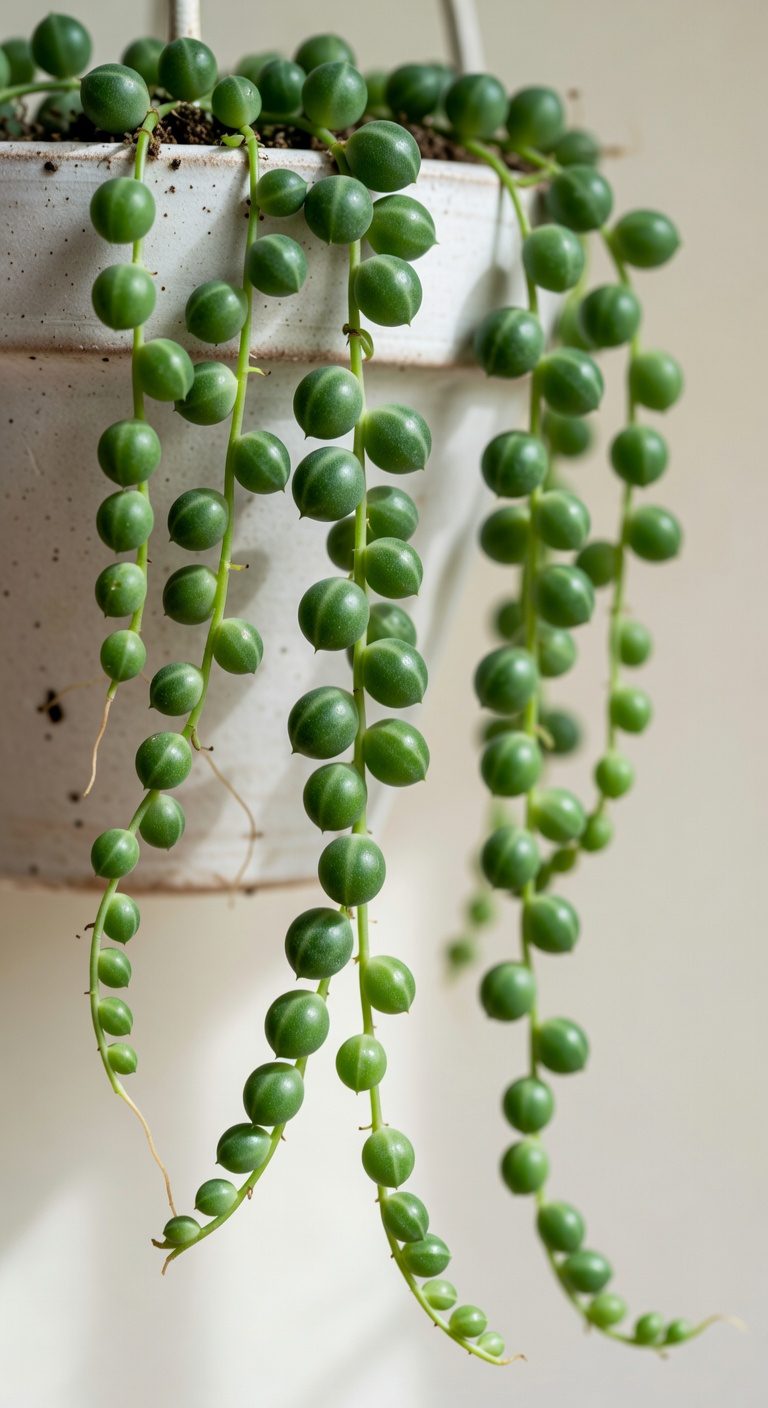
Though it thrives in bright light, String of Pearls burns easily in hot, direct sun. Provide ideal lighting with bright, indirect light for 6–8 hours daily near east or south-facing windows. Use sheer curtains to filter intense afternoon rays.
Water every 2–3 weeks, letting soil dry completely between watering. Overwatering causes root rot; ensure pots have drainage holes.
Ideal temperatures range from 65°F to 75°F (18°C–24°C). Avoid cold drafts and sudden temperature shifts.
Propagation methods include stem cuttings 3–4 inches long. Place cuttings on well-draining soil; press nodes gently into the surface. Keep soil slightly moist until roots form in 2–3 weeks.
Use cactus or succulent soil mix with perlite for aeration. Fertilize monthly in spring and summer with half-strength balanced fertilizer.
Prune to maintain shape and encourage fuller growth. Hang in safe, stable locations away from pets and children.
Aloe Vera: Healing Gel and Simple Indoor Care
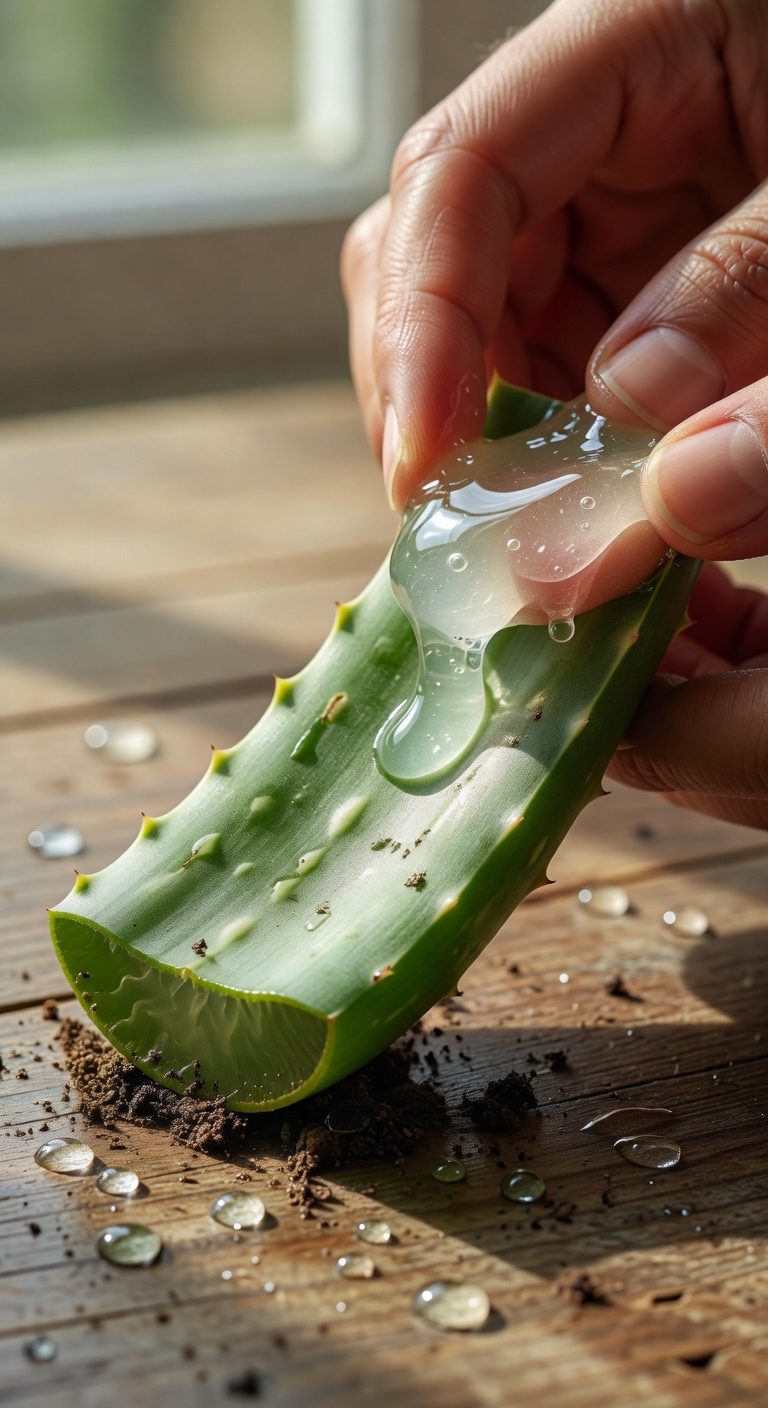
One of the most useful and low-maintenance houseplants you can grow is Aloe vera, known for its thick, fleshy leaves that store a soothing gel.
Aloe vera benefits****:
- The gel treats minor burns, cuts, and skin irritations safely.
- It improves indoor air quality naturally.
- Non-toxic and pet-safe when used properly.
Aloe vera care****:
- Place in bright, indirect sunlight (south or west-facing windows).
- Water every 3 weeks in summer; reduce to every 6 weeks in winter.
- Use well-draining soil: mix 2 parts potting soil, 1 part sand, 1 part perlite.
- Let soil dry completely between waterings to prevent root rot.
- Keep in a pot with drainage holes (6–8 inches wide is ideal).
Rotate monthly for even growth. Avoid overhandling. Prune brown tips with clean scissors.
Aloe thrives in stable, warm conditions (60–75°F).
Spider Plant: Safe, Air-Purifying Indoor Favorite for Homes
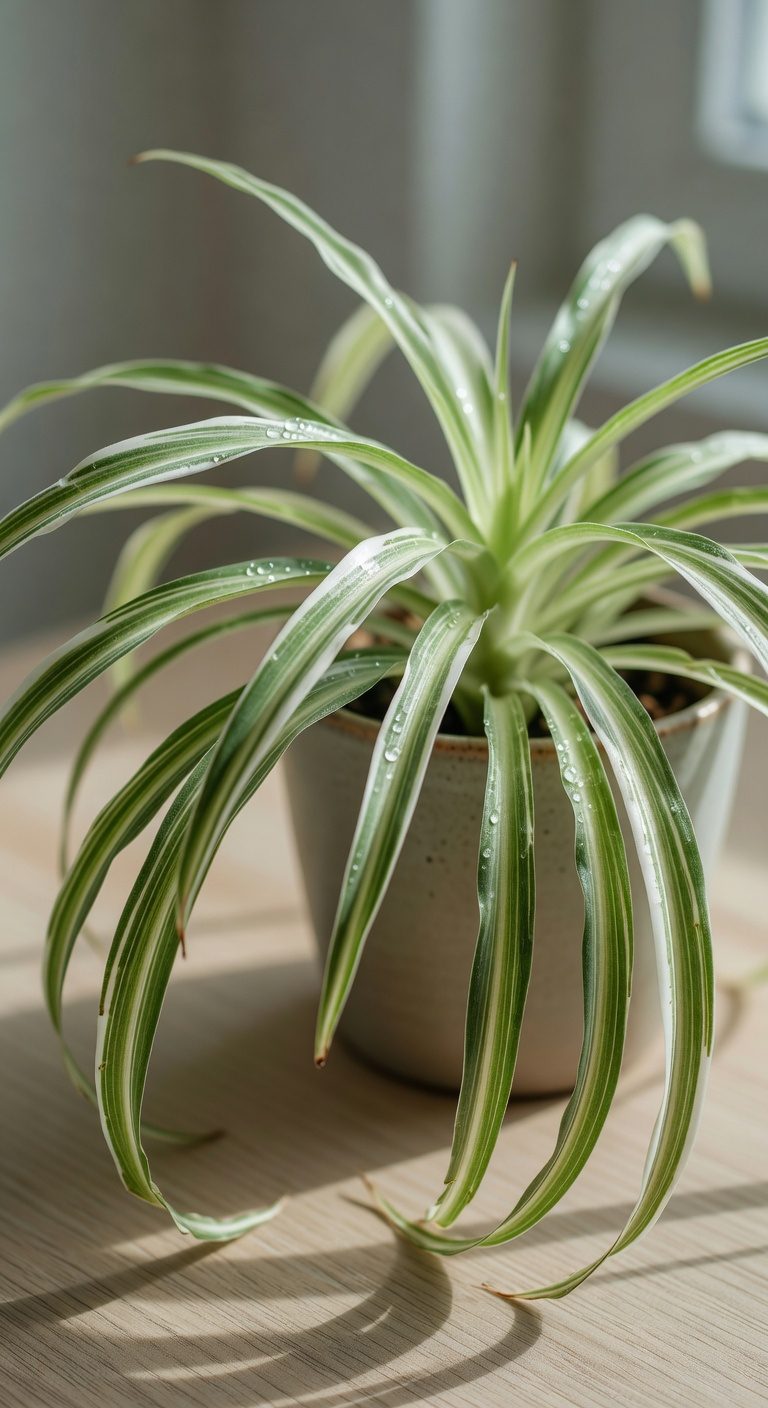
Green arching leaves and hardy growth make the spider plant a top choice for indoor gardeners seeking both beauty and function.
Spider Plant Benefits:
- Removes formaldehyde, xylene, and carbon monoxide from indoor air.
- Non-toxic to pets and children, safe for homes.
- Increases humidity through transpiration.
Spider Plant Care:
- Place in bright, indirect light; avoid direct afternoon sun.
- Water once per week; let soil dry slightly between waterings.
- Use well-draining potting mix in a container with drainage holes.
- Ideal temperatures: 60–75°F (15–24°C).
- Fertilize monthly in spring and summer with balanced 10-10-10 feed.
Rotate monthly for even growth. Trim brown tips with clean scissors.
Spider plant thrives in hanging baskets or on shelves. It produces small plantlets, you can propagate them easily.
With minimal effort, you’ll enjoy clean air and lively greenery year-round.
Dragon Tree: Tall Indoor Accent With Modern Flair
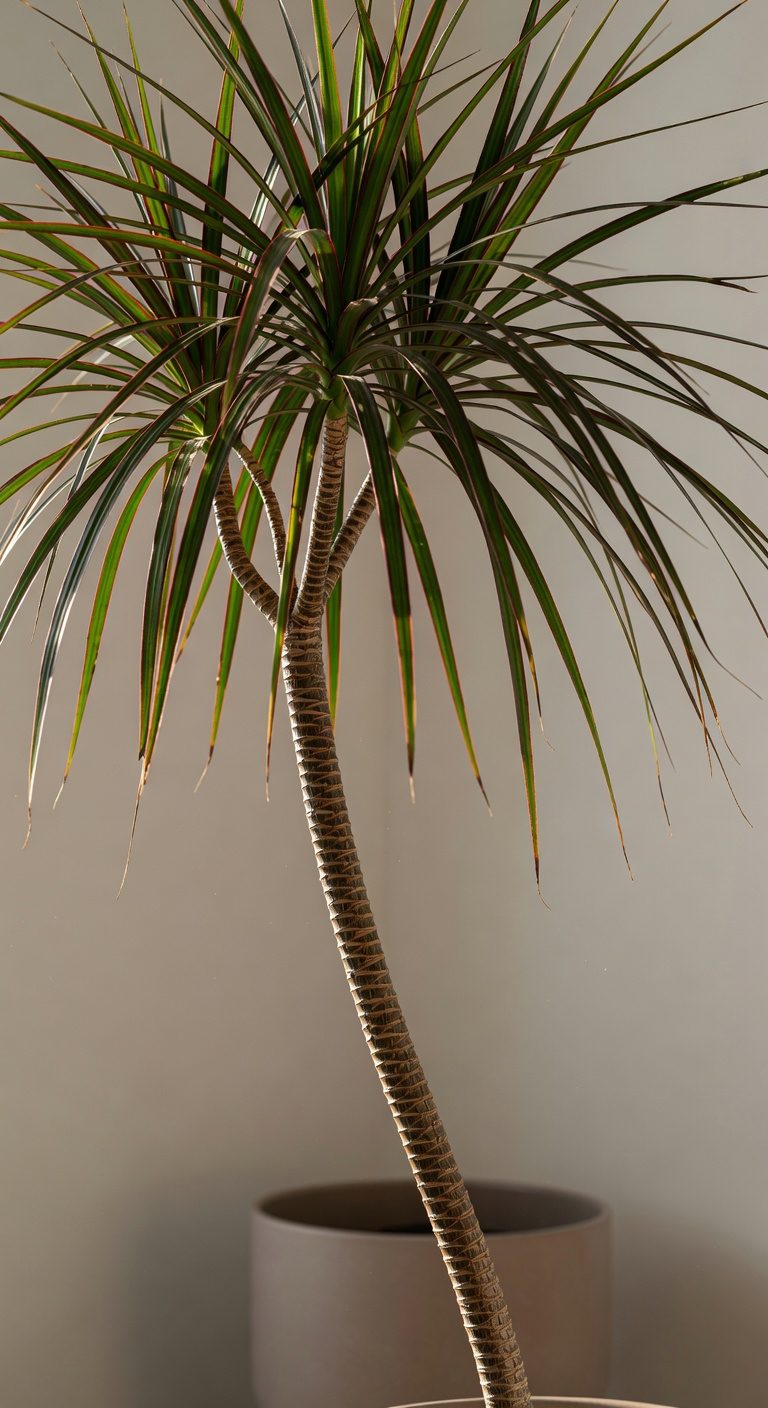
You’ve seen how spider plants bring air-purifying function and safe, graceful foliage to shelves and hanging displays. Now consider the dragon tree for height and structure.
Dragon Tree Benefits
- Removes toxins like xylene and toluene from indoor air
- Safe for pets when kept out of reach
- Grows 4–6 feet tall indoors, adding vertical interest
Dragon Tree Care Tips
- Place in bright, indirect light; avoid direct afternoon sun
- Water every 10–14 days, allowing top 1–2 inches of soil to dry
- Maintain temperatures between 65°F and 80°F
- Use well-draining potting mix with perlite
- Wipe leaves monthly to remove dust
Use a 6–8 inch pot with drainage holes. Rotate monthly for even growth. Trim brown tips with clean scissors.
Fertilize once in spring with balanced 10-10-10 solution.
Cast Iron Plant: Thrives in Dark Corners With No Attention
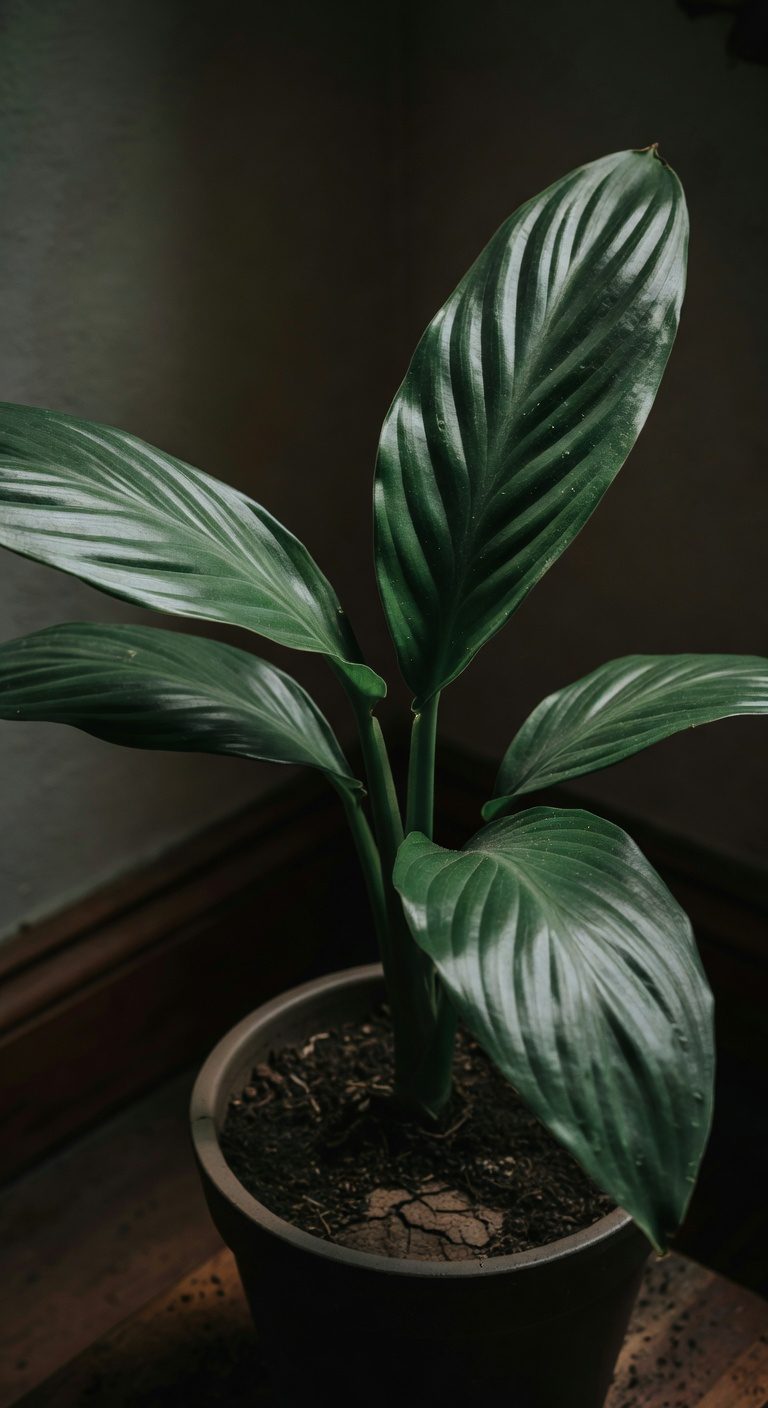
Even in low light and with minimal care, the cast iron plant stands strong, making it ideal for dark corners where other plants fail. You can rely on this species as one of the most dependable hardy houseplants. It tolerates inconsistent watering and poor lighting without harm.
For cast iron care, water every 2–3 weeks, letting soil dry fully between watering. It thrives in temperatures between 50–85°F (10–29°C) and prefers humidity above 40%.
Use well-draining potting mix in a container with drainage holes. Repot every 2–3 years in spring.
Avoid direct sunlight; low to medium indirect light is best.
Common name: *Aspidistra elatior*
Mature height: 1–3 feet
Leaf spread: 1–2 feet
Toxicity: Non-toxic to pets and humans
This plant adds quiet structure without risk.
Prayer Plant: Colorful Indoor Foliage That Folds at Night
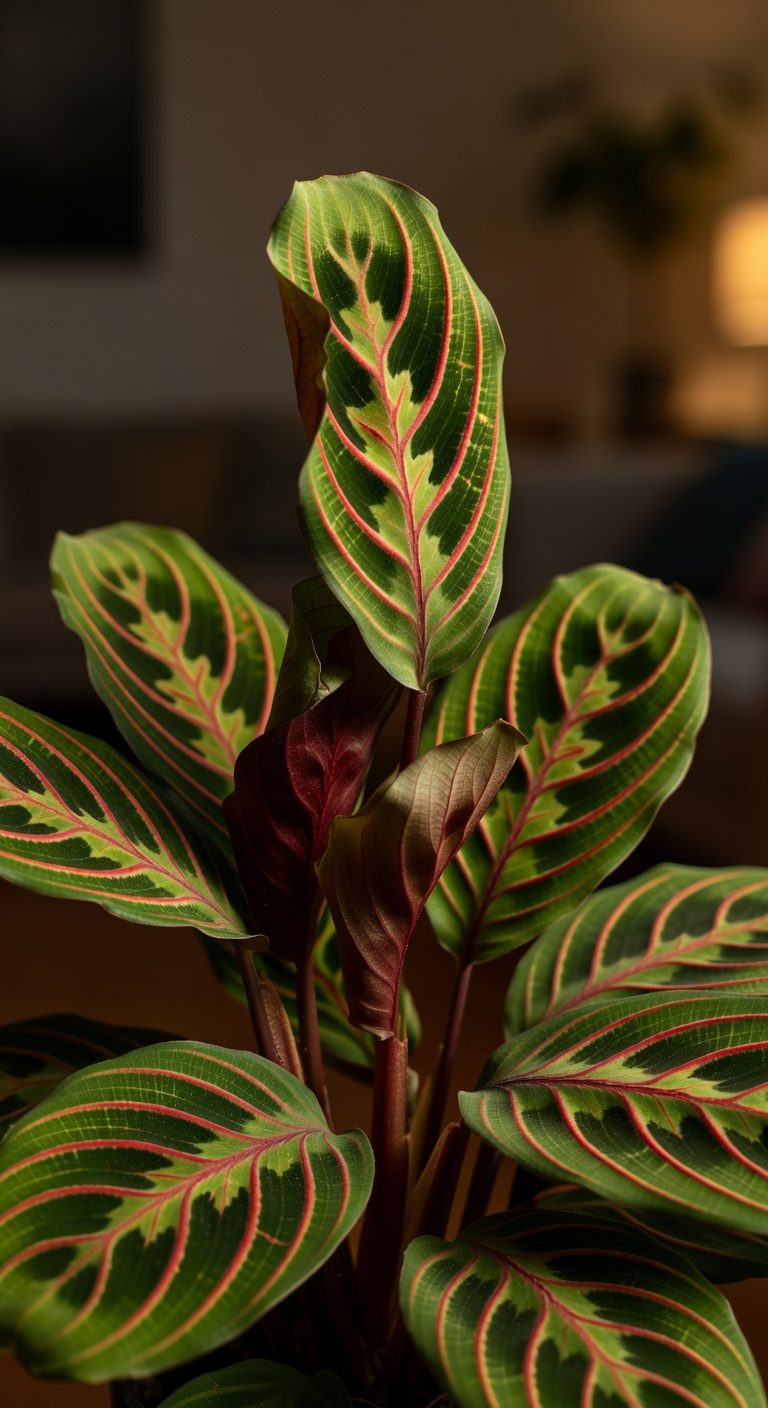
You’ll recognize it by its colorful patterns, red veins, green blotches, and purple undersides on oval leaves up to 6 inches wide. This plant thrives in bright, indirect light but tolerates low light safely.
Keep soil evenly moist; water weekly in summer, every 10 days in winter. Humidity above 50% prevents leaf browning.
Its nighttime behavior is distinctive: leaves fold upward like praying hands after sunset. This movement responds to light changes, not temperature.
Care summary:
- Light: Medium to bright, indirect
- Water: Keep soil moist, never soggy
- Humidity: >50%, use a tray or humidifier
- Temperature: 65–80°F (18–27°C)
- Soil: Well-draining mix with peat and perlite
Rotate monthly for even growth. Fertilize monthly in spring and summer with balanced liquid feed at half strength.
Watch for mites; wipe leaves gently with damp cloth. You’ll enjoy its rhythm and color safely indoors.
Ponytail Palm: Low-Water Indoor Plant With Personality
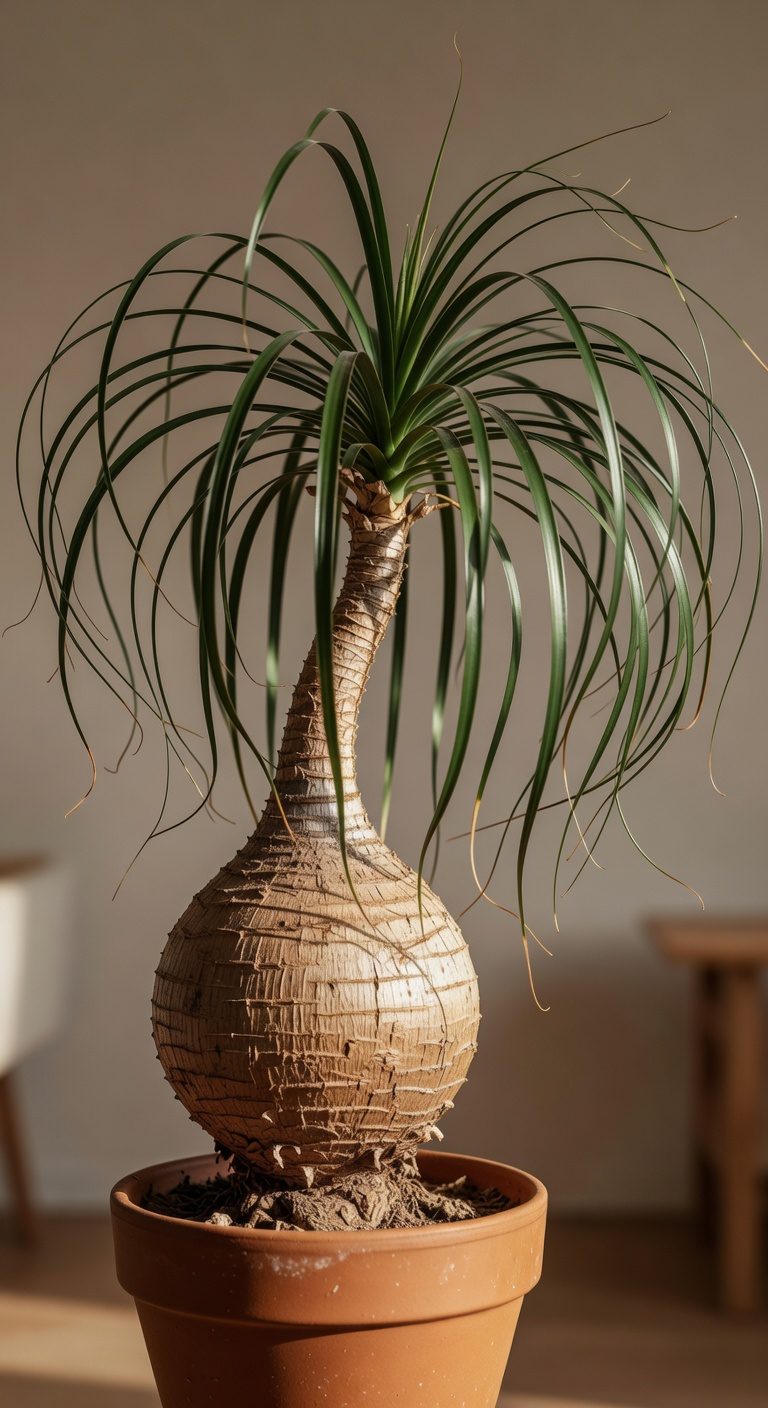
A sculptural accent with a stout, bulbous trunk and cascading foliage, the ponytail palm brings architectural interest to any indoor space.
Light Needs:
Place in bright, indirect light. Tolerates some direct sun. Avoid low light.
Water Schedule:
Water every 3–4 weeks. Let soil dry completely between waterings.
Ponytail Palm Care Tips:
- Use well-draining cactus or succulent mix.
- Ideal pot size: 1–2 inches wider than root ball.
- Fertilize once in spring and once in summer with balanced 10-10-10.
- Keep in warm rooms, 60–80°F (15–27°C).
- Watch for brown tips, this signals underwatering or low humidity.
Ponytail Palm Varieties:
Common type is *Beaucarnea recurvata*. ‘Nana’ is a dwarf version, slower growing.
Safe around pets and children. Non-toxic if touched or ingested.
Croton: Vibrant Indoor Leaves Need Bright Light
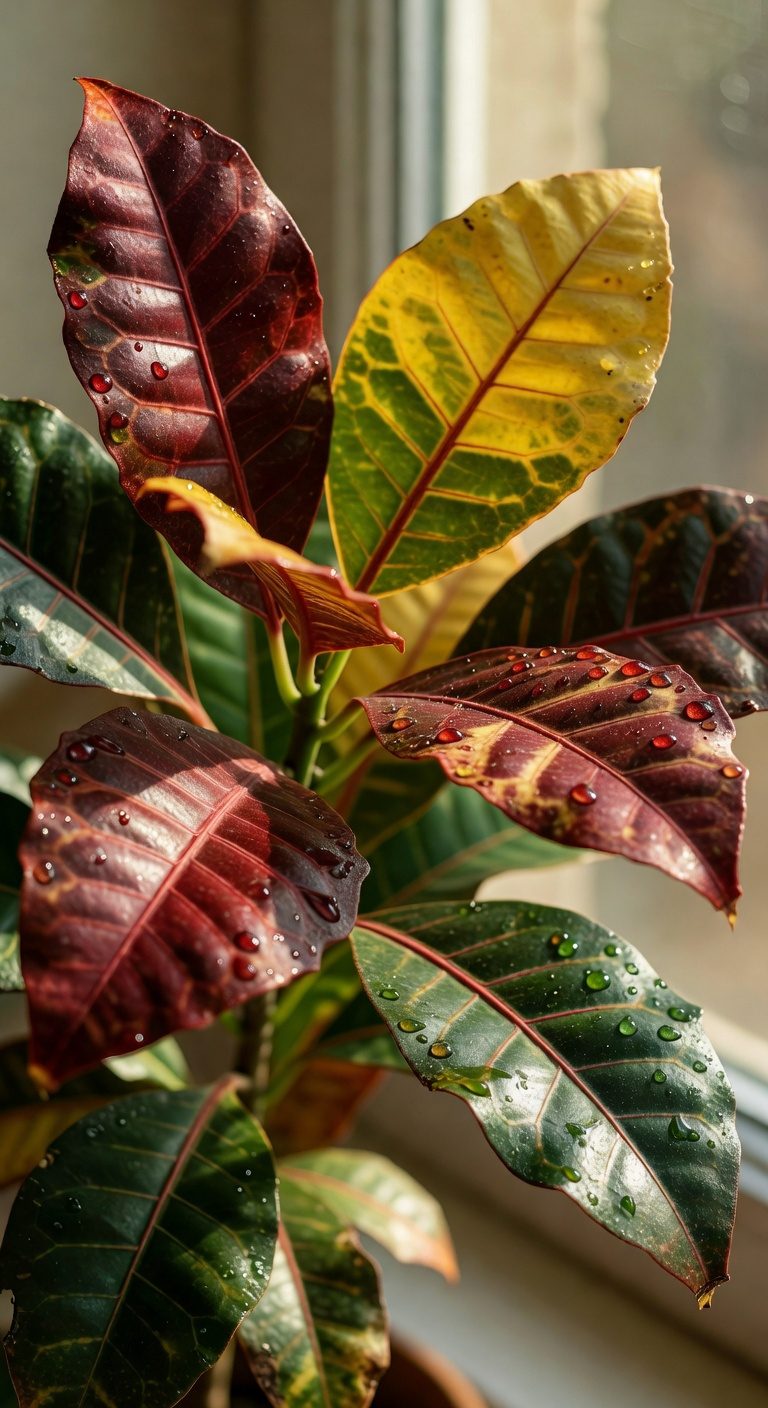
When grown in the right conditions, croton plants display bold, colorful foliage in shades of yellow, red, orange, and purple, making them standout indoor specimens.
For successful croton care:
– Place in bright, indirect light for at least 6 hours daily.
– Maintain temperatures between 65°F and 80°F (18°C–27°C).
– Water when the top 1–2 inches of soil feel dry.
– Use well-draining potting mix to prevent root rot.
Croton varieties like ‘Petra’ and ‘Majestic’ need consistent moisture and humidity above 50%.
Mist leaves weekly or use a humidifier.
Avoid low light, it causes dull colors and leggy growth. Rotate the pot weekly for even development.
Fertilize monthly in spring and summer with balanced 10-10-10 liquid fertilizer at half strength.
Keep crotons away from cold drafts and pets, as leaves are mildly toxic if ingested.
With proper care, your croton stays vibrant and safe indoors.
Areca Palm: Lush Indoor Feathers Bring Tropical Vibe
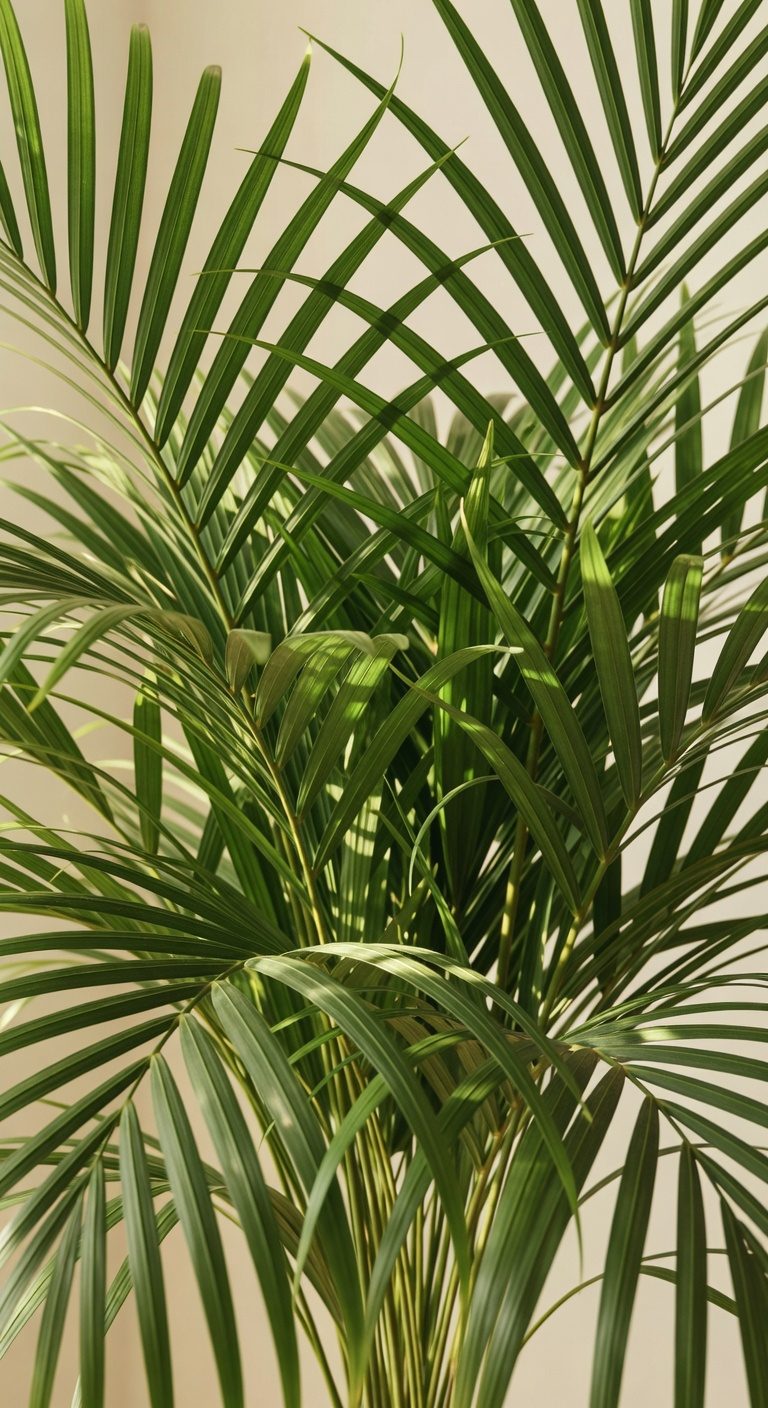
Feathery fronds define the areca palm’s tropical appeal. This plant adds soft green texture and safe, clean beauty to your home.
Areca Palm Benefits:
- Removes indoor air pollutants like formaldehyde and xylene
- Releases moisture, improving air humidity
- Non-toxic and pet-safe when placed out of reach
Areca Palm Care:
- Place in bright, indirect light (no direct sun)
- Water every 7–10 days; keep soil moist but not soggy
- Use well-draining potting mix with perlite
- Maintain temperatures between 65–75°F (18–24°C)
- Feed monthly in spring and summer with balanced liquid fertilizer
Avoid cold drafts and dry heat. Trim brown tips with clean scissors. Rotate pot weekly for even growth.
With proper Areca Palm Care, you’ll enjoy lush, swaying fronds year-round. Its reliable growth and proven Areca Palm Benefits make it a smart, safe choice.
Jade Plant: Lucky, Long-Lived Indoor Succulent
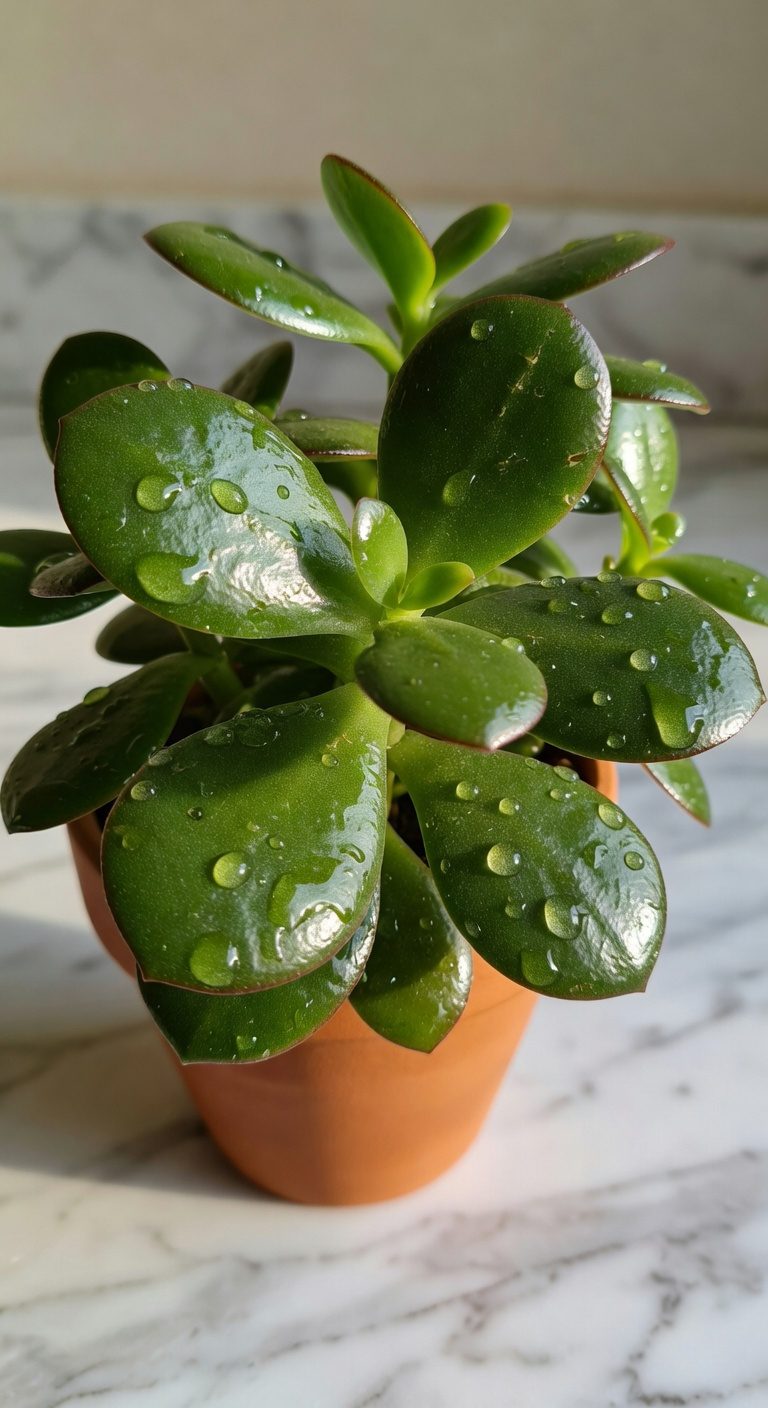
Its glossy green leaves and sturdy stems make the Jade Plant a standout among indoor succulents. You’ll appreciate its resilience and minimal care needs.
Light: Place it near a bright window. It thrives in 4–6 hours of indirect sunlight daily.
Water: Allow soil to dry completely between waterings. Water every 2–3 weeks in summer, less in winter.
Soil: Use well-draining cactus mix. A pot with drainage holes prevents root rot.
Propagation techniques: You can grow new plants from leaves or stem cuttings. Let cuttings callus for 2–3 days, then place on dry soil. Mist lightly after 1 week.
Jade symbolism: Many believe it brings good luck and prosperity. It’s often called the “money plant.”
Longevity: With proper care, your Jade Plant can live for decades.
Keep it away from pets and cold drafts. Safety first, its sap is mildly toxic if ingested.
English Ivy: Cascading Indoor Vine for Shelves and Walls
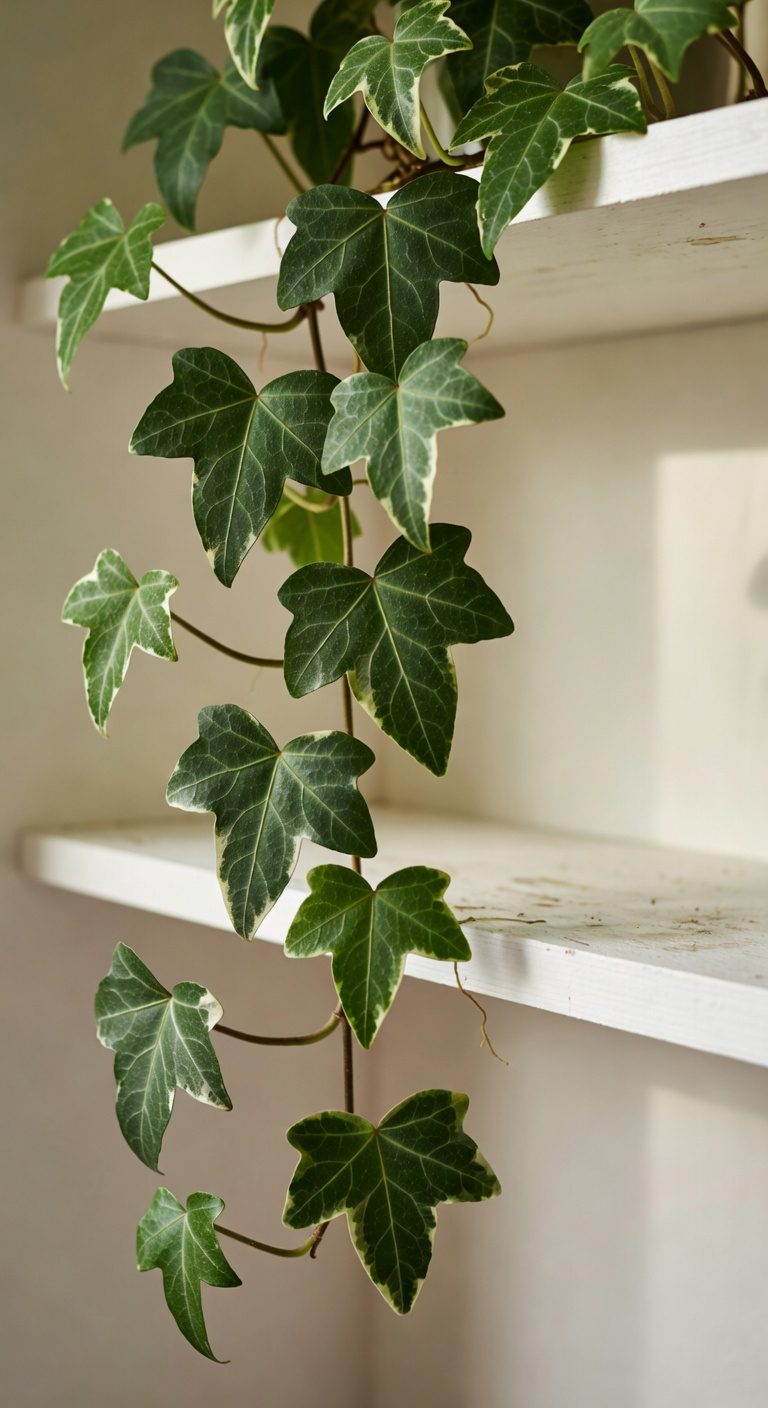
Though it trails gracefully, English Ivy demands straightforward care to thrive indoors. You’ll need well-draining soil and a pot with drainage holes. For indoor ivy care, water when the top inch of soil feels dry, usually every 7 to 10 days. Overwatering leads to root rot, so let soil dry between waterings.
Place your plant in bright, indirect light for best growth. Low light slows growth but won’t kill it. Ideal temps range from 60°F to 70°F.
Benefits of cascading vines include visual softness and space division. English Ivy purifies air and fits shelves, hanging baskets, or wall planters. Trim regularly to encourage bushiness and control length. Use clean scissors to prevent disease.
Fertilize monthly in spring and summer with balanced 10-10-10 liquid feed. Avoid chemical-heavy products, safety first.
Bromeliad: Long-Lasting Indoor Tropical Blooms
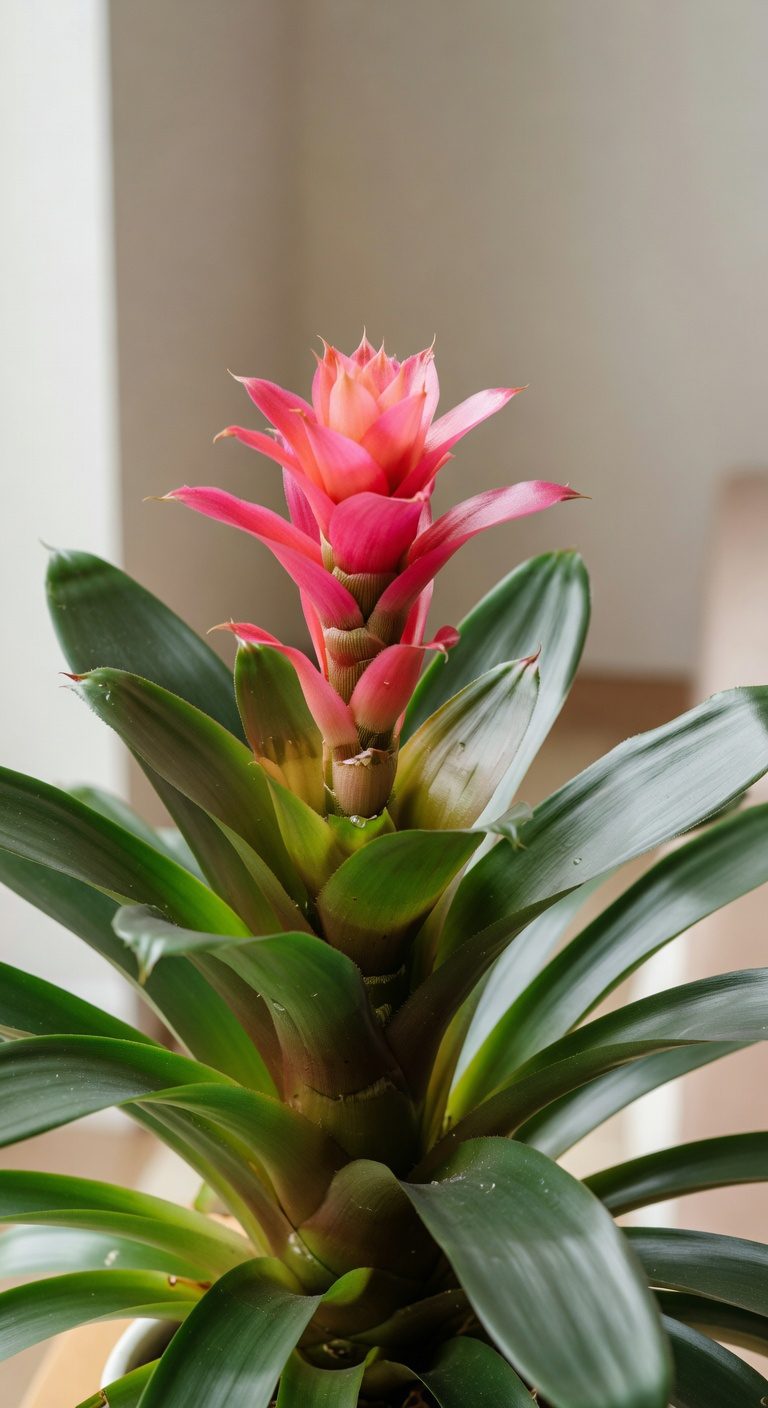
When you bring a bromeliad into your home, you’re adding a tropical splash with long-lasting blooms that can persist for months.
Bromeliad care is simple and safe for indoor spaces. Place it in bright, indirect light, near an east-facing window is ideal. These plants thrive in average room temperatures between 65°F and 80°F.
Water the central cup (tank) weekly, using distilled or rainwater to prevent mineral buildup. Empty and refill the cup every two weeks to avoid stagnation. Keep soil lightly moist but well-drained.
Humidity above 50% supports healthy growth. Bromeliad benefits include air purification and low allergen risk. They’re non-toxic and safe around children and pets.
Fertilize once a month in spring and summer with diluted, balanced liquid fertilizer. Avoid overwatering to prevent rot.
With proper care, your bromeliad remains vibrant and visually stable.
Calathea Ornata: Detailed Foliage for Indoor Design Lovers
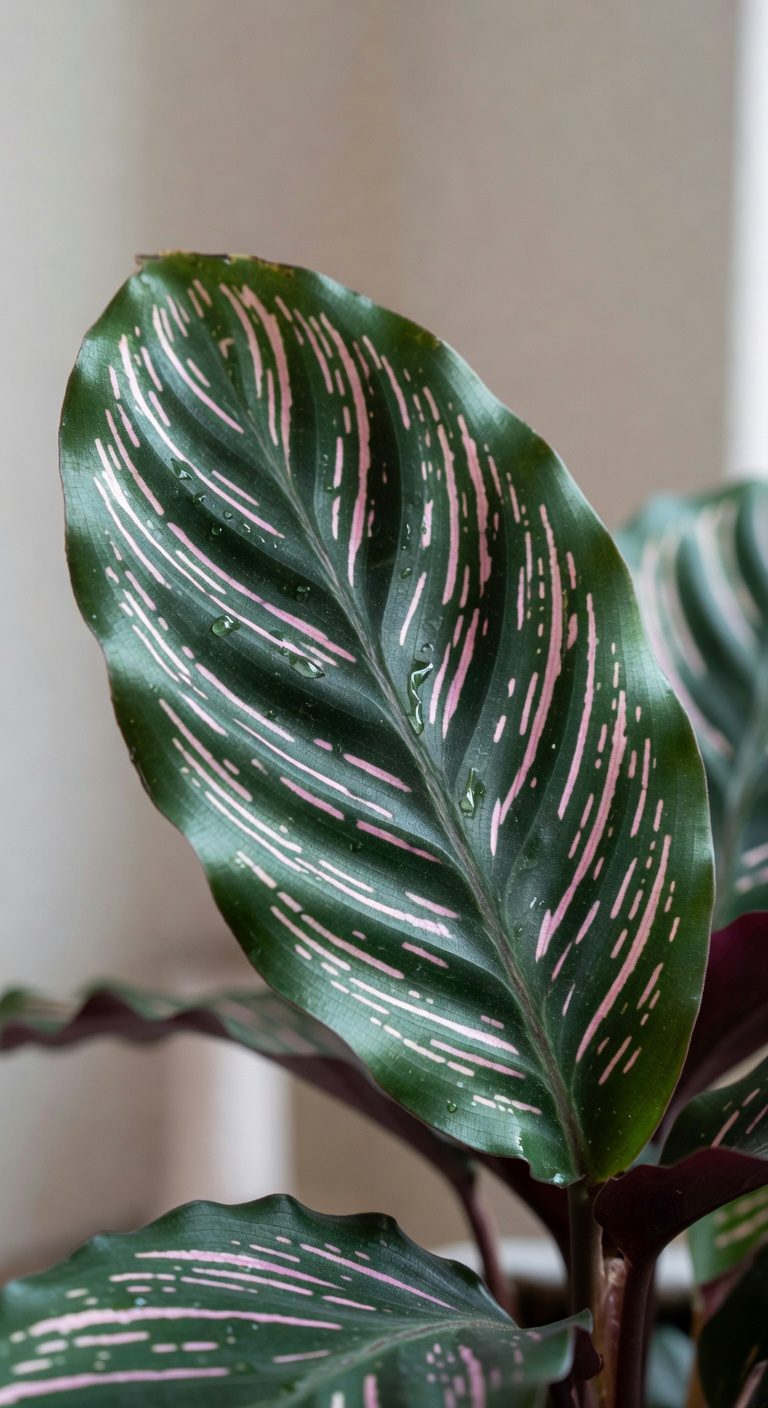
If you want a houseplant that doubles as living art, Calathea ornata delivers with its striking, symmetrical leaf patterns in deep green and pink. This plant enhances tropical aesthetics with bold, elongated leaves up to 12 inches long.
For proper calathea care:
- Keep soil consistently moist, not soggy. Water weekly with room-temperature water.
- Use well-draining potting mix with peat, perlite, and orchid bark.
- Maintain humidity above 60%. Use a humidifier or pebble tray daily.
- Provide bright, indirect light. Avoid direct sun to prevent leaf scorch.
- Keep temperatures between 65–75°F. Avoid drafts and sudden changes.
Rotate the pot weekly for even growth. Wipe leaves gently with a damp cloth to remove dust.
Fertilize monthly in spring and summer with balanced 10-10-10 liquid feed at half strength.
Calathea ornata thrives with routine and stable conditions, making it a safe, rewarding choice for detail-oriented indoor gardeners.
Moth Orchid: Elegant Indoor Flowers That Last Months
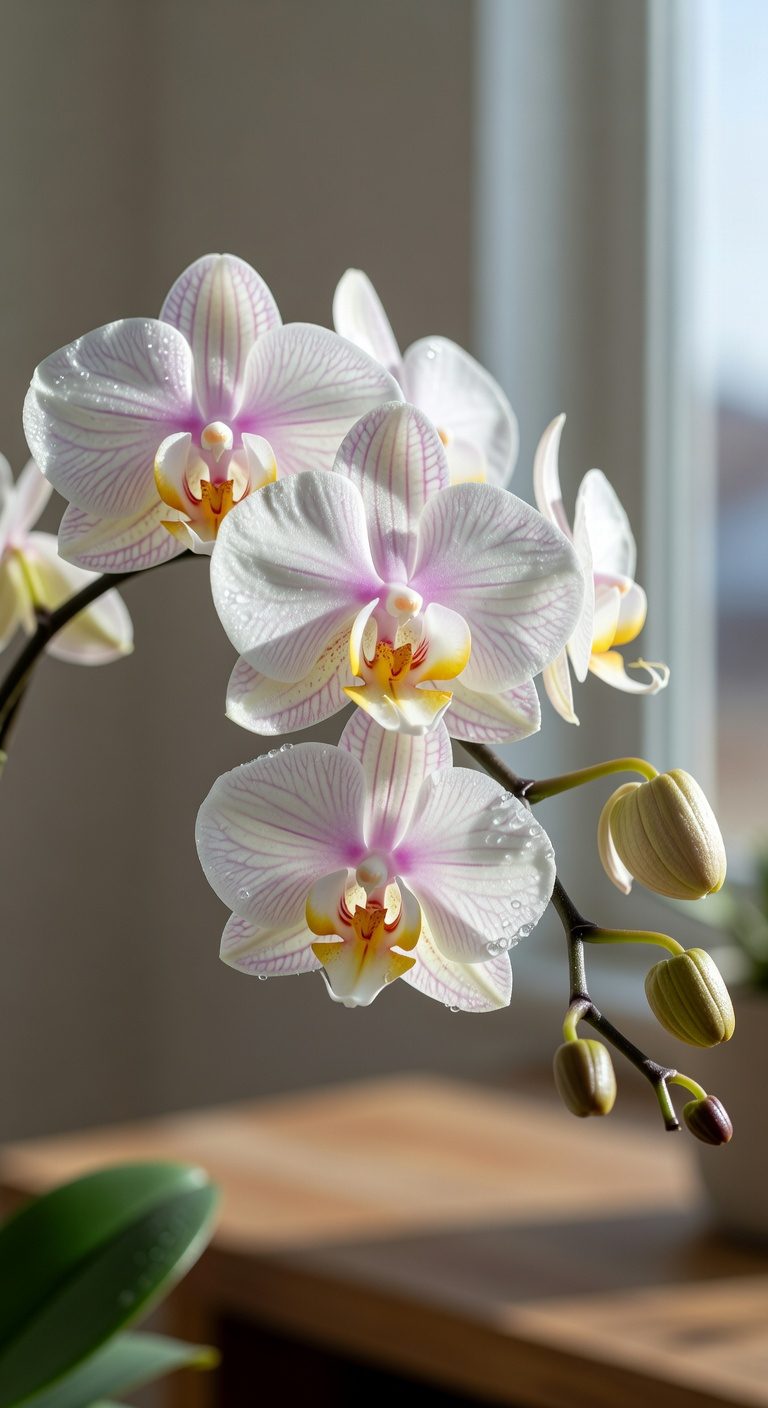
One of the most popular and long-lasting indoor flowering plants is the Moth Orchid (Phalaenopsis spp.), known for its elegant blooms that can persist for two to six months with proper care.
Moth Orchid Care
Place your plant in bright, indirect light, east or south windows work best.
Water every 7–10 days, letting water drain fully. Use a pot with drainage holes and a porous bark mix.
Keep humidity around 50–60%; a tray with pebbles and water helps. Ideal temperatures are 65–80°F during the day, 60–65°F at night.
Moth Orchid Varieties
Common moth orchid varieties include Phalaenopsis amabilis, Phalaenopsis schilleriana, and hybrid cultivars. They come in white, pink, purple, and spotted patterns.
Fertilize monthly with a balanced 20-20-20 orchid formula diluted to half strength.
Final Takeaways
You now have the premier toolkit for transforming any space into a lush, air-purifying sanctuary. Water every 7–10 days, prune yellow leaves monthly, and rotate pots 90° weekly for even growth. Use well-draining soil, indirect light, and humidity levels above 40%. These 23 plants, including Snake Plants, ZZs, and Monstera, are non-negotiable for maximal visual impact, minimal effort, and unmatched botanical performance in every room, corner, and shelf.