Short on space but craving bold greenery? Large potted plants give instant impact and structure to outdoor areas. You can create focal points with height, texture, and year-round color using containers 18–36 inches wide. Proper pot size, well-draining soil, and seasonal feeding keep these specimens thriving. Discover which 21 standout plants deliver maximum effect with minimal upkeep.
Choose Tall Palms for Instant Height
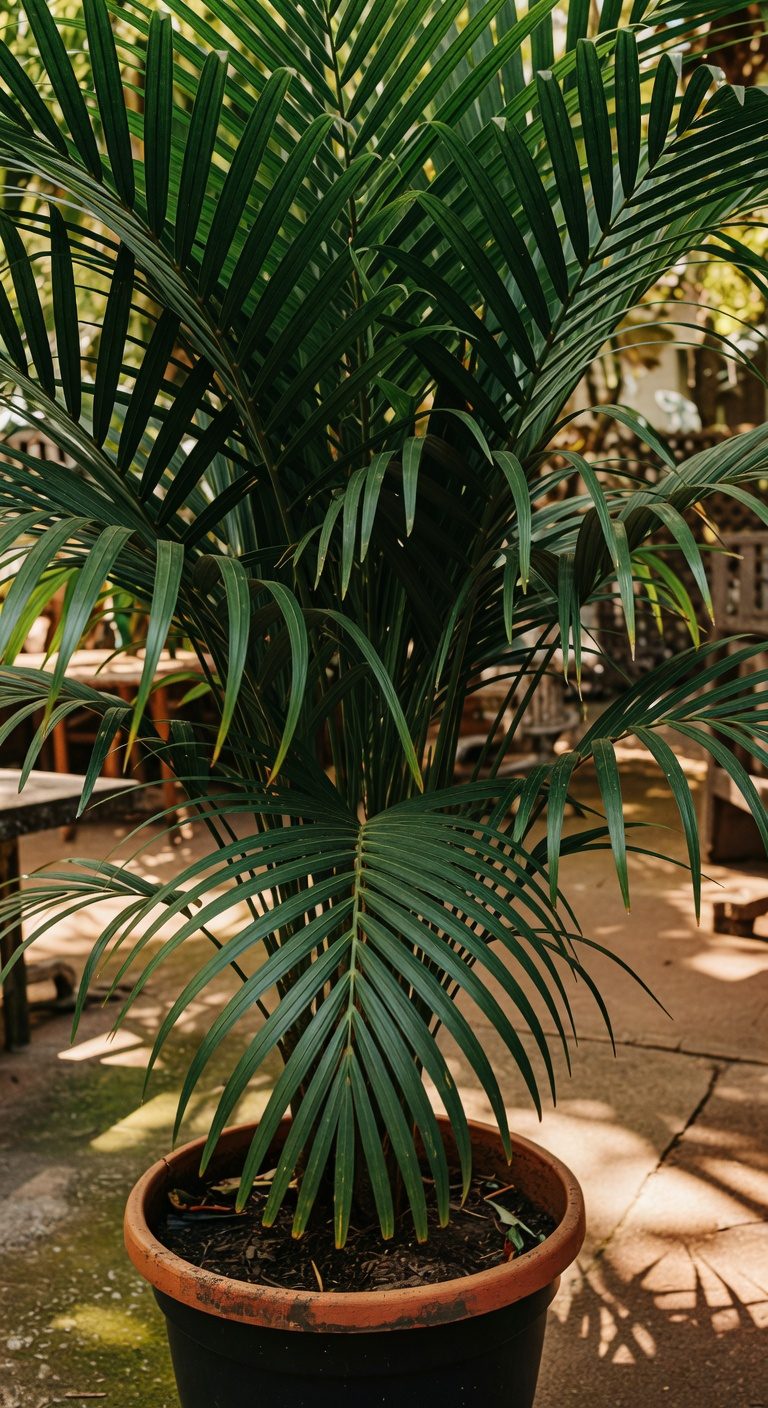
Some gardeners find tall palms transform flat spaces fast. You can achieve instant height with large potted palms on patios or entryways.
Palm variety selection matters for safety and stability. Choose wind-tolerant types like *Windmill Palm* (Trachycarpus fortunei) or *Pygmy Date Palm* (Phoenix roebelenii). These stay under 12 feet in containers, reducing tipping risk. Large potted palms work particularly well as part of a tropical escape design that brings vacation-like atmosphere to your outdoor space.
Use pots at least 18 inches wide with drainage holes. Fill with well-draining palm mix (60% soil, 40% perlite). Proper soil composition supports healthy root development, similar to how indoor plants require appropriate growing mediums for optimal growth.
Palm maintenance tips:
- Water when top 2 inches of soil dry, about every 7 days in summer, every 14 in winter.
- Fertilize monthly with 8-2-12 palm formula during growing season (March–October).
- Trim only brown fronds; keep at least 3 healthy leaves.
- Repot every 3 years in spring.
Stable palms add lasting structure.
Grow Elephant Ears in Spacious Planters
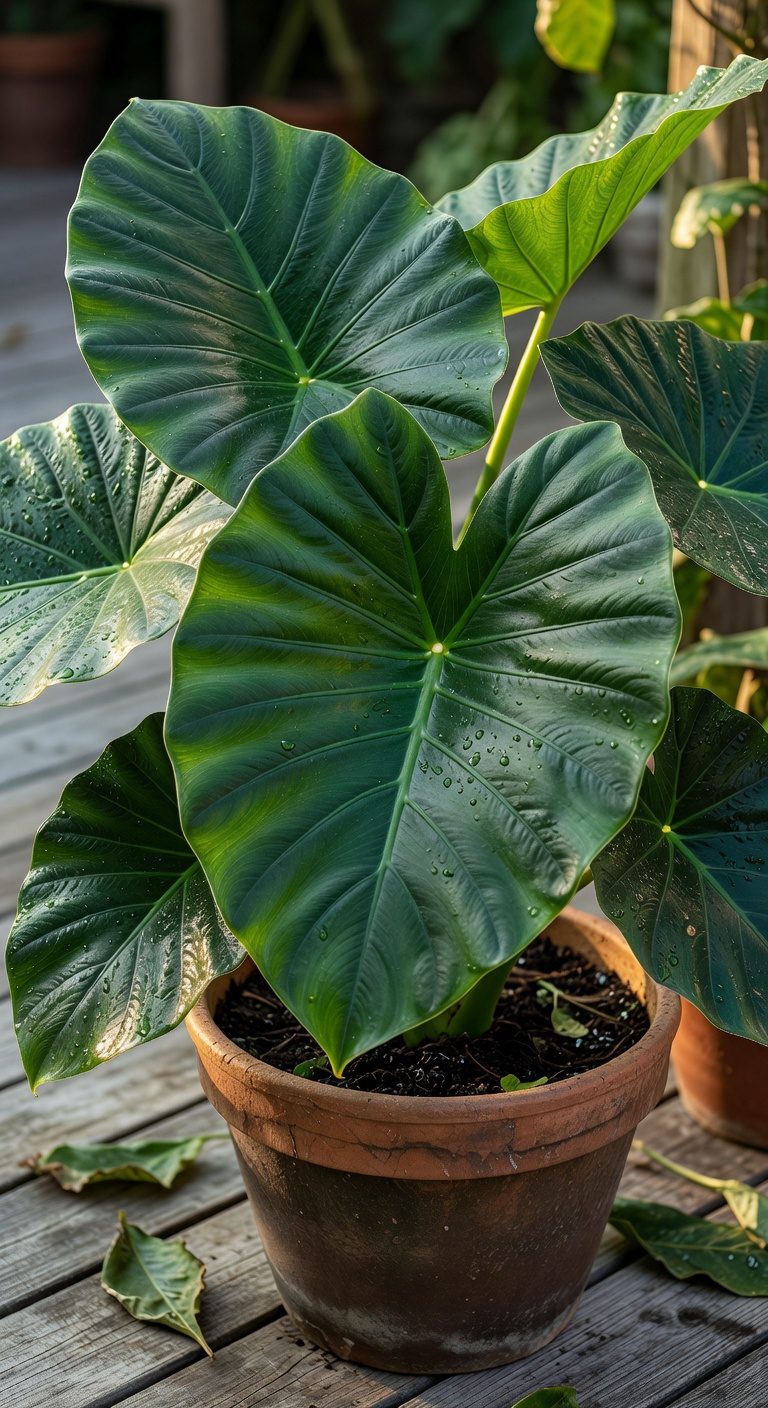
When you want bold texture and tropical flair, plant elephant ears in spacious containers that give their roots room to spread.
Use pots at least 18 inches wide and deep for healthy growth. Choose well-draining potting soil to prevent rot.
Elephant ears need consistent moisture, water when the top inch of soil feels dry. Place in partial shade to avoid scorching leaves.
For best elephant ear care, apply a balanced liquid fertilizer every two weeks during growing months.
Check for pests like aphids; wipe leaves gently if needed. Overwinter indoors in colder zones by cutting back foliage and storing dormant tubers.
Potted plant benefits include mobility and root control. You can move containers to safer spots during storms. Consider pairing potted plants with leafy greens in smaller containers to maximize your outdoor space.
Spacing prevents disease spread. Watch for rapid leaf growth, some varieties reach 4 feet wide. Support large leaves with stake if needed.
Pair your elephant ears with complementary plants using leaf shape mix to create visual contrast and interest on your patio or deck.
Always handle stems carefully to avoid skin irritation.
Plant Olive Trees in Large Outdoor Pots
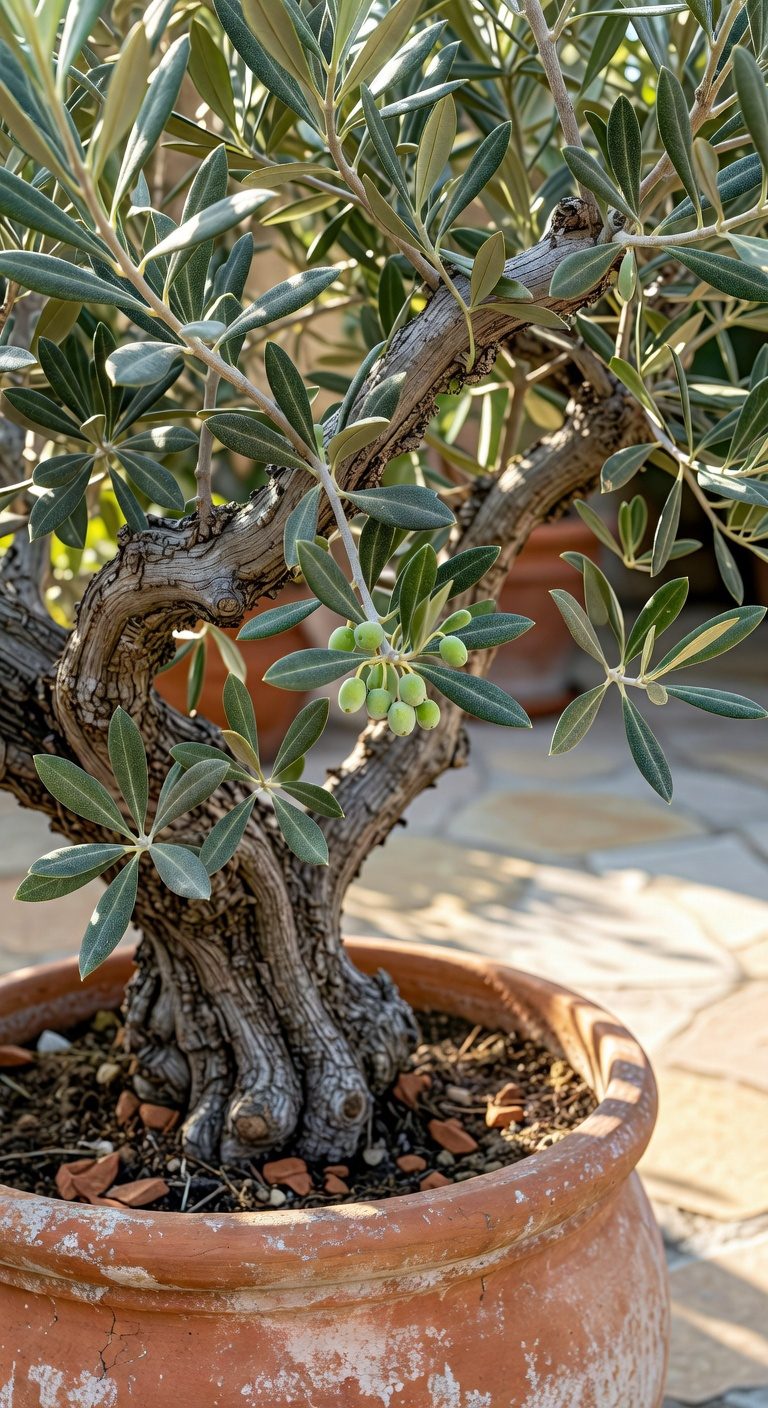
If you’re aiming for a Mediterranean touch, planting olive trees in large outdoor pots lets you grow this drought-tolerant tree even in small spaces.
Use containers at least 24 inches wide and deep for proper root development. Choose terracotta or fiberglass pots with drainage holes to prevent waterlogging.
Apply well-draining potting mix, combining 2 parts loam, 1 part sand, and 1 part perlite. When planting, ensure the root ball sits level with the soil surface.
For olive tree care, water deeply every 10–14 days in summer; reduce frequency in winter. Fertilize once in spring with slow-release 8-8-8 NPK. Consider supplementing with natural ways to fertilize your potted trees for optimal growth.
Prune lightly in late winter to maintain shape. Rotate pots every few months for even sun exposure. Proper potting techniques support stability and prevent tipping in wind.
Add Tropical Vibes With Potted Banana Plants
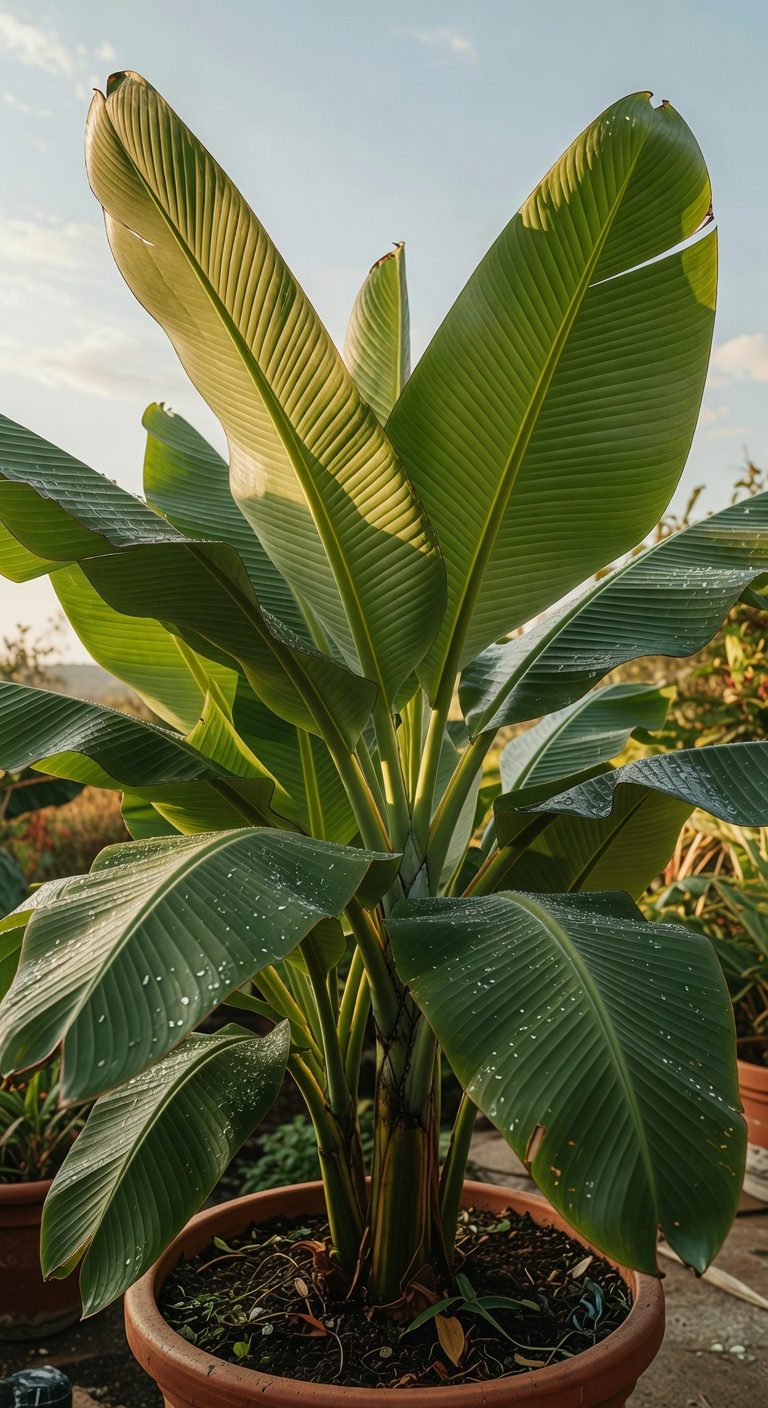
Banana plants bring bold greenery and a tropical feel to any outdoor space when grown in containers. They thrive in warm, sunny areas with well-draining soil. For best results, use a pot at least 18 inches wide and deep.
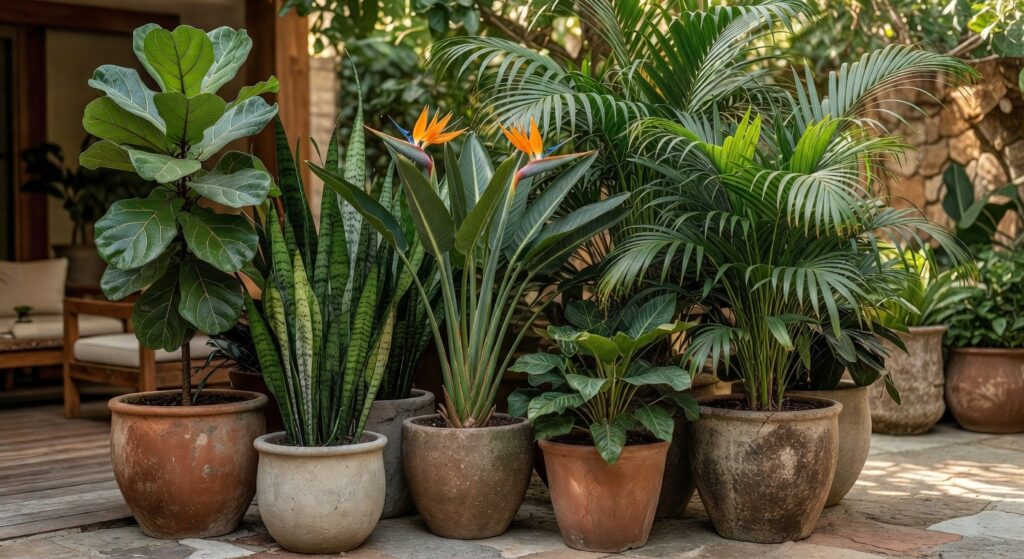
Tropical plant combinations: Group banana plants with bird of paradise, croton, or cannas. This mix adds color, texture, and fullness while staying low-risk and non-toxic to pets.
Banana plant care: Water deeply 2–3 times per week. Keep soil moist but not soggy. Fertilize monthly with balanced 10-10-10 formula during spring and summer.
Trim yellow leaves to maintain shape. In zones below 8, bring plants indoors before frost. Use mulch to hold moisture and reduce weeds.
Always wear gloves when pruning. Start a routine inspection every two weeks for pests like spider mites.
Style With Fiddle Leaf Figs in Big Containers
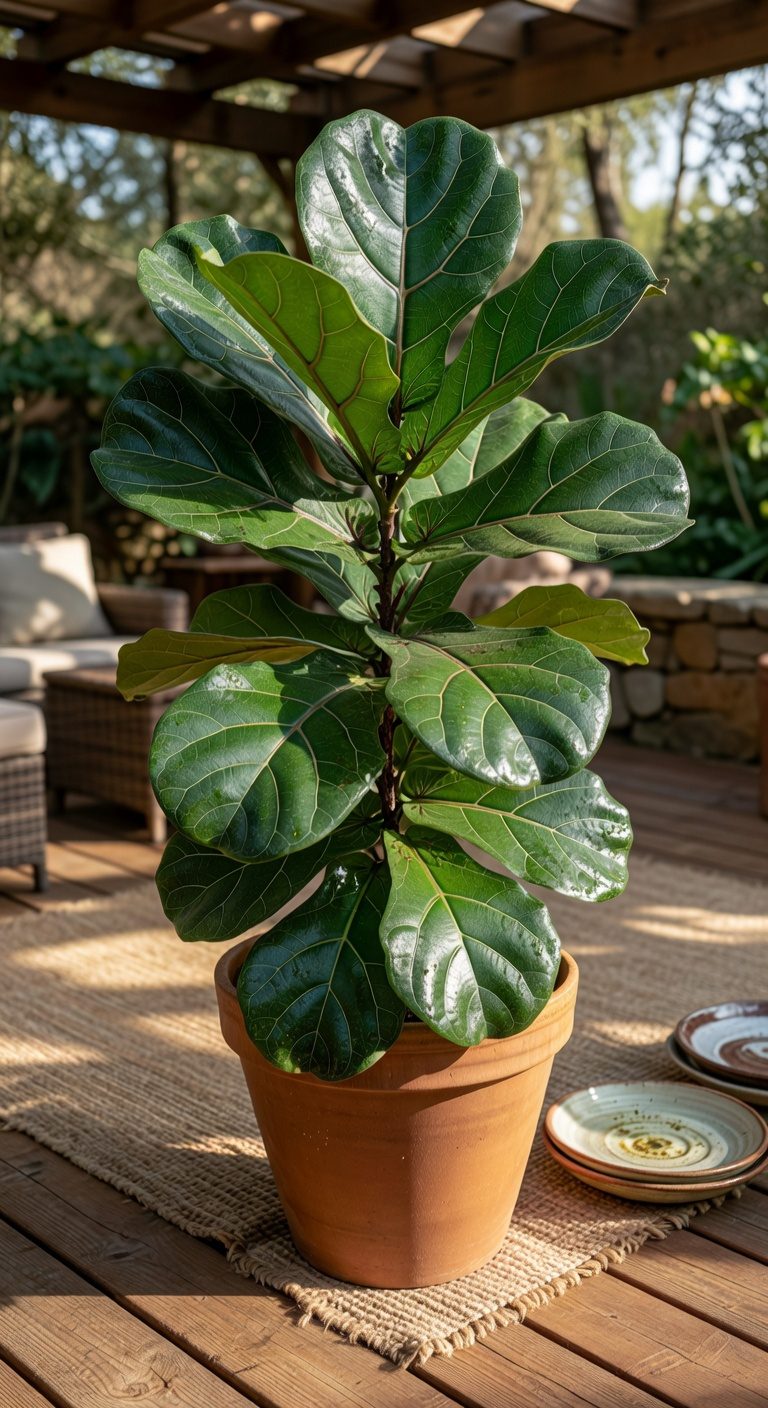
Though they’re native to rainforest understories, fiddle leaf figs adapt well to life in large containers when given bright, indirect light and consistent care.
For safe, stable container landscaping, choose pots at least 18–24 inches in diameter with drainage holes.
Use well-draining soil mix: 1 part perlite, 1 part bark, 2 parts potting soil.
Fiddle leaf care includes weekly watering when the top 2 inches of soil feel dry. Overwatering causes root rot; let soil dry slightly between waterings.
Fertilize monthly during spring and summer with balanced 3-1-2 fertilizer at half strength. No feeding in fall and winter.
Rotate the plant every few weeks for even growth.
Prune lower leaves to encourage a tree-like trunk.
Place in a sheltered spot to avoid strong winds and temperature drops below 50°F.
Keep away from pets and children, they’re non-toxic but best not chewed.
Grow Citrus Trees in Pots for Fruit and Beauty
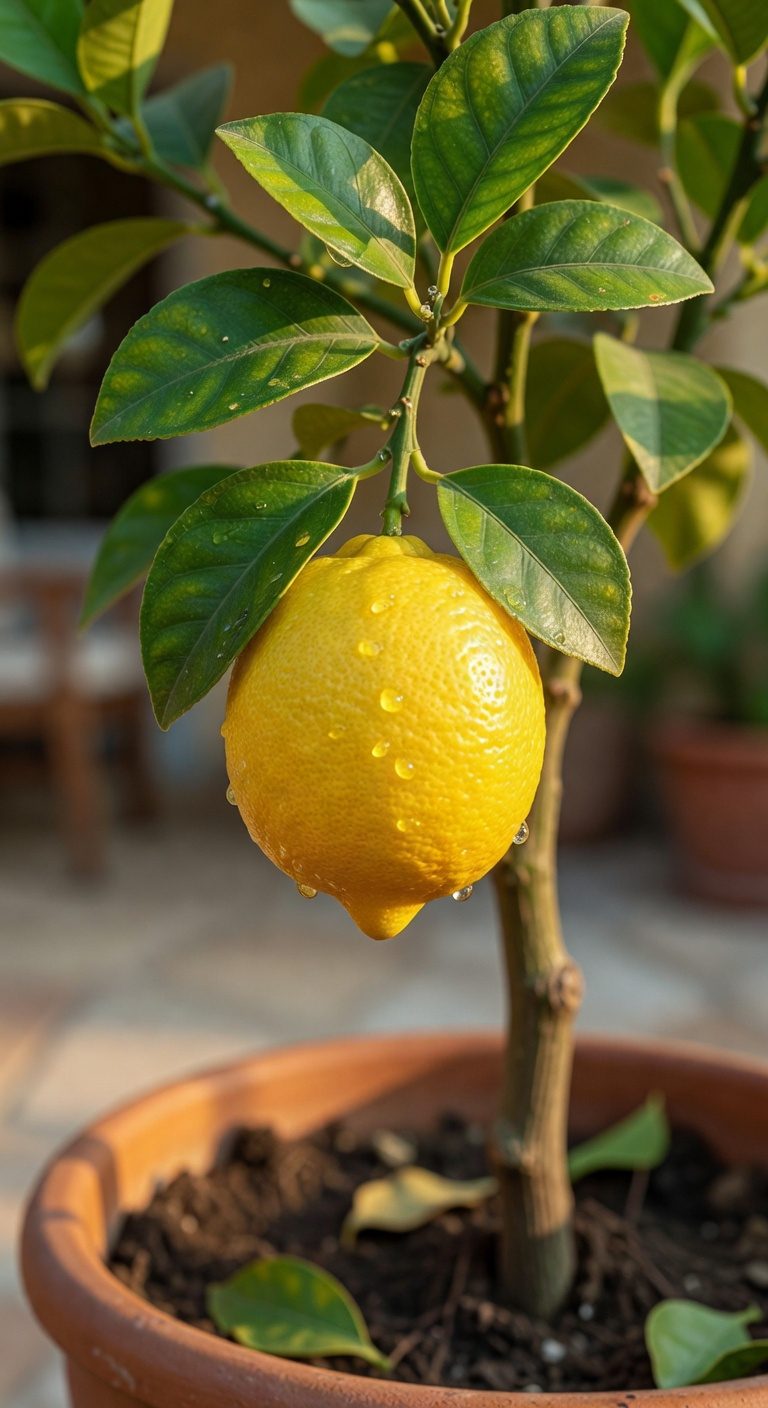
When selecting citrus trees for container growing, choose dwarf varieties like Meyer lemon, Calamondin orange, or Key lime to ensure manageability and fruit production.
Proper pot selection is essential, use containers 14–18 inches wide with drainage holes to prevent root rot. Start with well-draining potting mix designed for citrus or cacti.
Place your tree in full sun, where it gets at least 6–8 hours of light daily. Water when the top 2 inches of soil feel dry, typically every 7–10 days.
Fertilize every 6 weeks during growing months with a balanced citrus-specific formula. Prune dead or crossing branches to maintain airflow.
Rotate pots monthly for even growth. Citrus care includes monitoring for pests like aphids and mites, rinse leaves and apply insecticidal soap if needed.
Bring indoors when temperatures drop below 50°F to protect from frost.
Frame Entries With Bird of Paradise in Containers
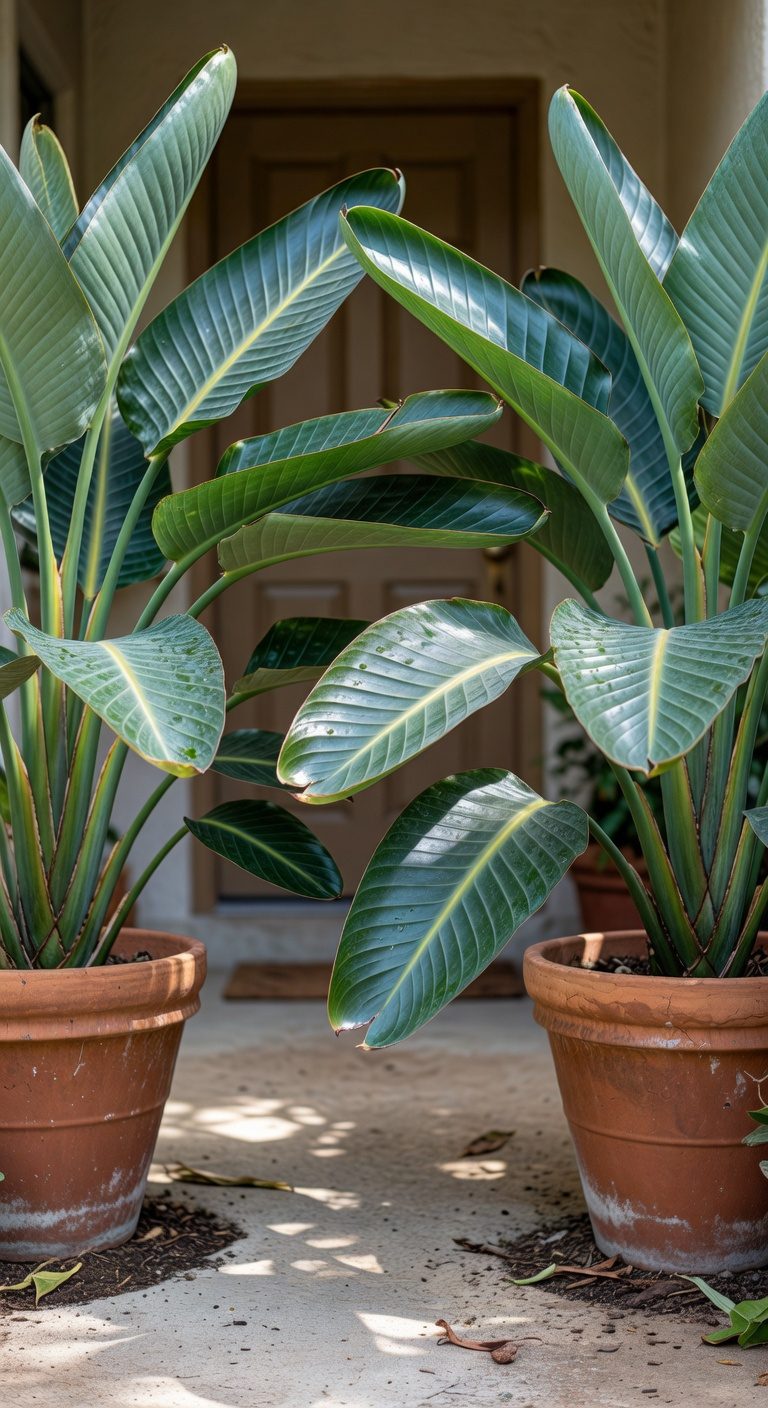
Bird of Paradise brings a bold, tropical flair to entryways when grown in containers, standing out with its striking foliage and vibrant blooms.
Use these plants as entry focal points to guide guests safely to your door. Their upright growth reaches 5–6 feet tall, ideal for symmetry when placed in pairs.
Choose wide, stable pots at least 18 inches in diameter to prevent tipping. Position them 3–4 feet apart to enhance outdoor frame aesthetics without blocking pathways.
Plant in well-draining soil with perlite or coarse sand. Water deeply once weekly; reduce in winter. Fertilize monthly during spring and summer with balanced 10-10-10 formula. Provide full sun to partial shade.
Trim yellow leaves promptly to maintain neat appearance. Ensure pots have drainage holes to prevent water accumulation. Place on non-slip surfaces like concrete or stone pads.
These plants tolerate wind but need shelter in heavy storms.
Use Giant Chain Ferns in Large Pots for Drama
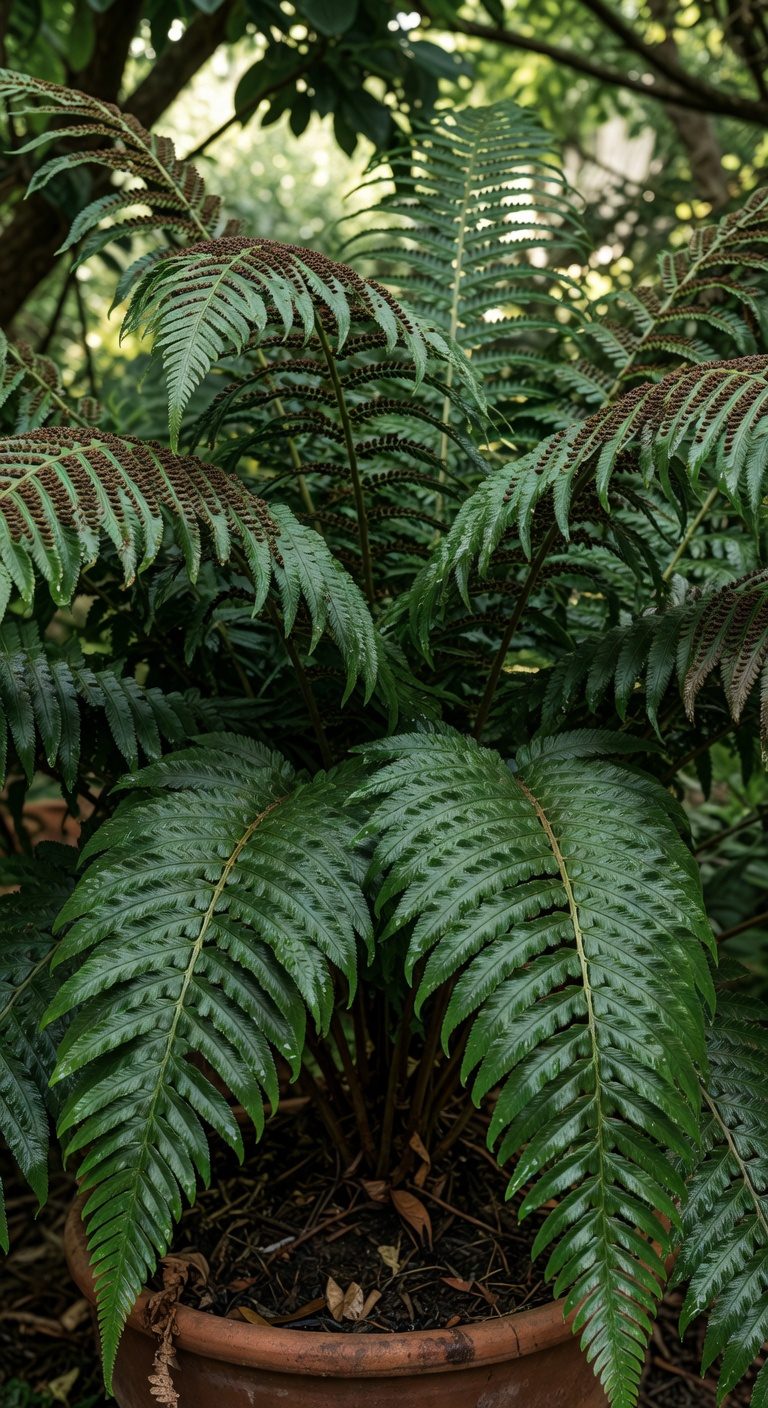
Because of their lush, arching fronds and impressive size, Giant Chain Ferns add instant drama when grown in large containers. You’ll use these plants to create striking chain fern arrangements that serve as dramatic outdoor focal points.
Select pots at least 24 inches wide with drainage holes. Use well-draining potting mix rich in organic matter.
Place containers in shaded or part-shaded areas. Avoid direct afternoon sun to prevent frond burn.
Water deeply 2–3 times per week, allowing the top inch to dry between watering. During summer, increase frequency in hot zones.
Feed monthly with balanced liquid fertilizer (10-10-10) from spring to early fall.
Keep fronds clean by gently rinsing with water. Remove dead or yellowing foliage promptly.
Mature fronds can reach 6 feet long, forming bold, textured displays.
Ensure stable pots to prevent tipping in wind. Use them near patios, walkways, or corners where their full form is visible.
Grow Yucca in Pots for Architectural Flair
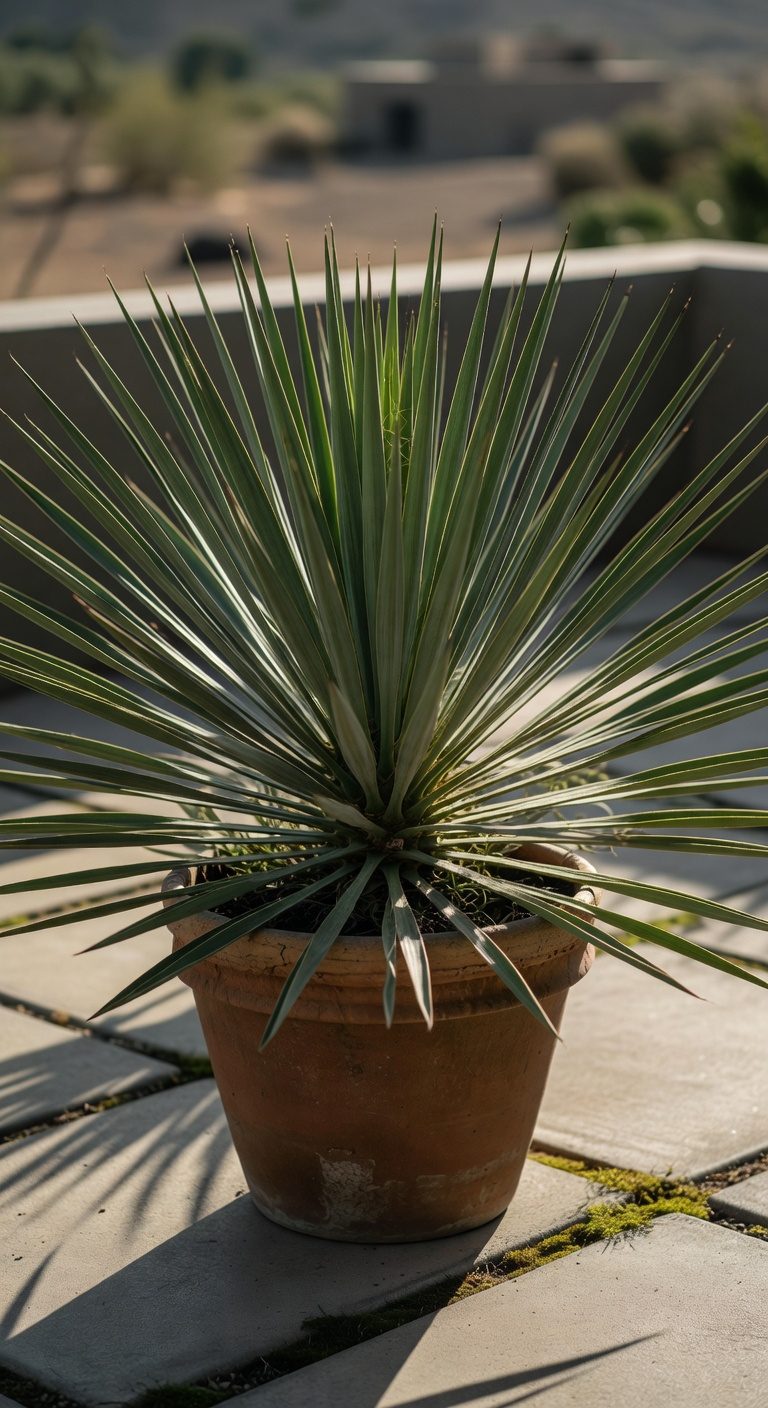
Swap the soft, flowing textures of Giant Chain Ferns for the bold, sculptural form of yucca plants when adding architectural flair to your outdoor spaces.
Choose compact yucca varieties like *Yucca rostrata* or *Yucca filamentosa* for stability and visual impact. These grow 3–6 feet tall, with narrow, sword-like leaves forming a tight rosette.
Use containers at least 16 inches wide and deep, with drainage holes. For safe container placement, pick level, stable surfaces away from high-traffic zones. Avoid loose gravel or elevated edges where pots could tip.
Plant in well-draining cactus or succulent mix. Water every 10–14 days in summer; reduce to every 3–4 weeks in winter.
Yuccas thrive in full sun (6+ hours daily). Rotate pots monthly for even growth.
They’re drought-tolerant and resist pests, making them low-risk, low-maintenance choices for structured outdoor design.
Plant Cascading Grasses to Soften Edges
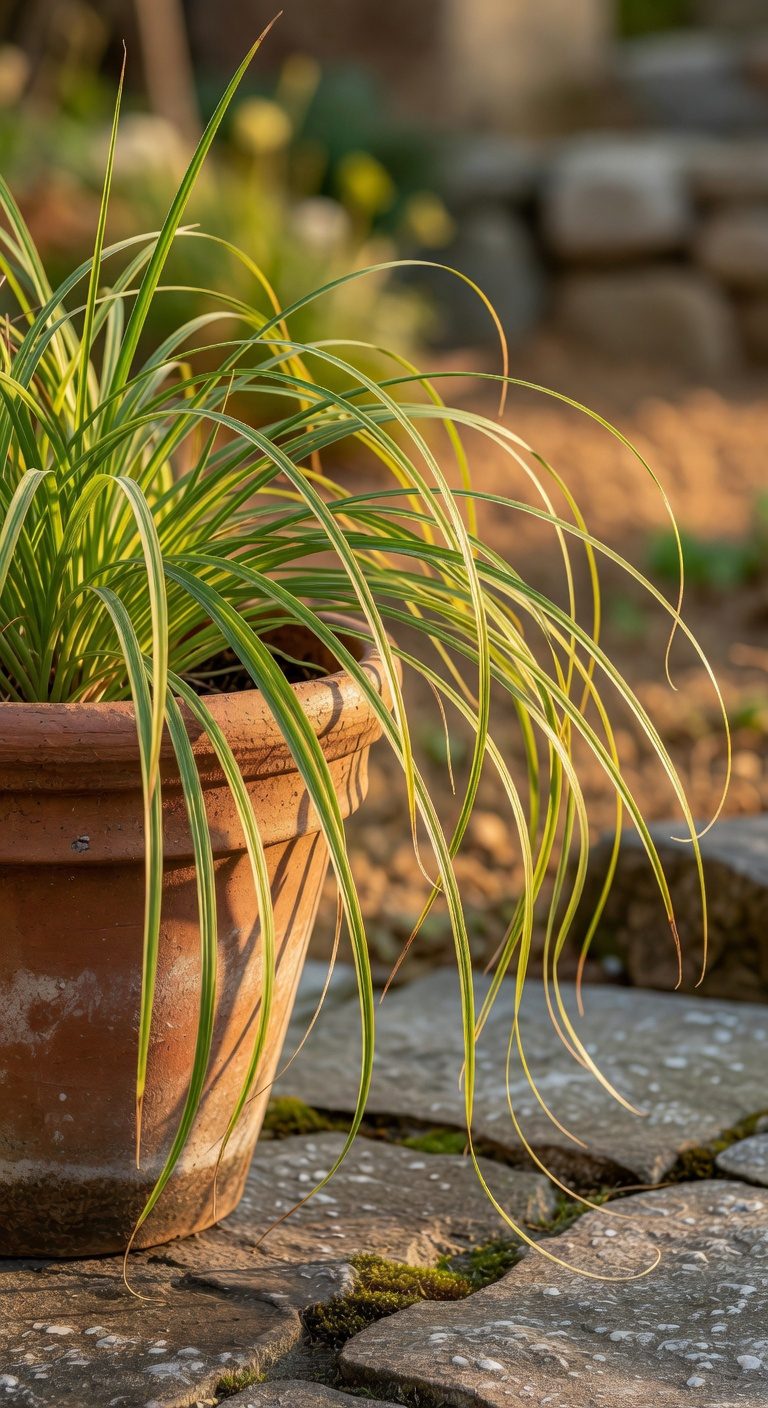
Let trailing grasses add movement and texture to your potted landscapes by spilling over container rims. Use softening edges to create smooth transitions between hardscape and greenery. Select low-maintenance ornamental grasses like blue fescue, mondo grass, or sweet flag. These plants thrive in USDA zones 5–9 and prefer well-drained soil.
For strong cascading effects:
- Plant at 6–8 inch depth
- Space 8–12 inches apart in 14+ inch containers
- Water twice weekly in summer, once in cooler months
- Use slow-release fertilizer every 8 weeks
Trim spent foliage in early spring. Avoid overwatering to prevent root rot. Place pots near patios, walkways, or decks where overhanging blades won’t obstruct foot traffic.
Grasses grow 12–18 inches long, making safe, non-invasive borders. Their dense, arching form reduces sharp visual lines. Cascading effects enhance depth while keeping layouts family-friendly and secure.
Use Majesty Palms in Pots for Shade
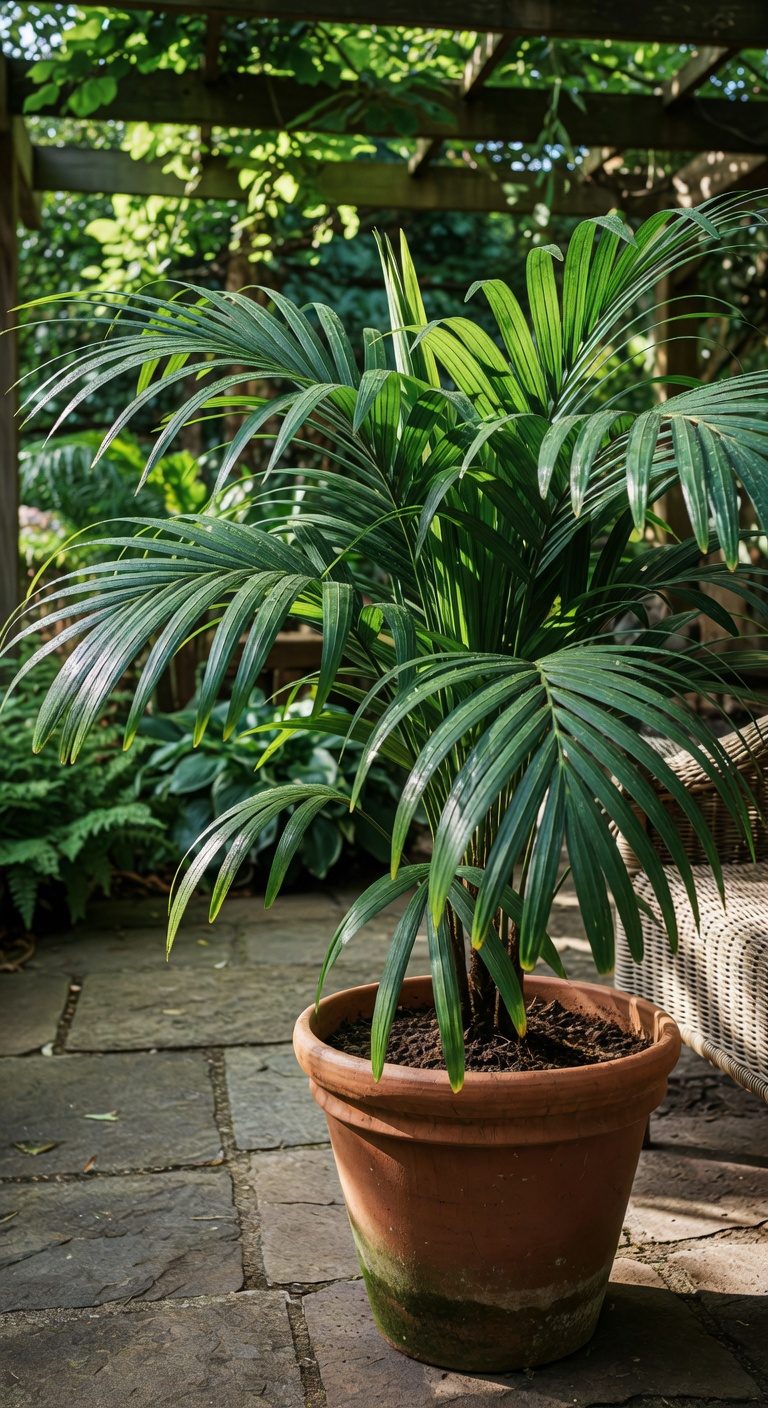
Majesty palms bring a lush, tropical feel to shaded patios and entryways when grown in containers. They thrive in low-light areas but need consistent moisture and proper pot selection. Choose a container 2–4 inches wider than the root ball for steady growth. Use well-draining potting mix to prevent root rot.
For palms care:
- Water every 5–7 days, keeping soil moist but not soggy.
- Apply slow-release palm fertilizer every 8 weeks during growing season.
- Trim only brown fronds to avoid stress.
- Keep away from strong winds and freezing temps, don’t expose below 35°F.
Pick a sturdy pot with drainage holes. Lightweight resin or fiberglass pots work well for decks. Rotate the palm monthly for even growth.
Monitor for spider mites; rinse leaves with water if needed. With proper care, your majesty palm adds safe, elegant greenery to shaded spots year-round.
Color up With Croton in Outdoor Containers
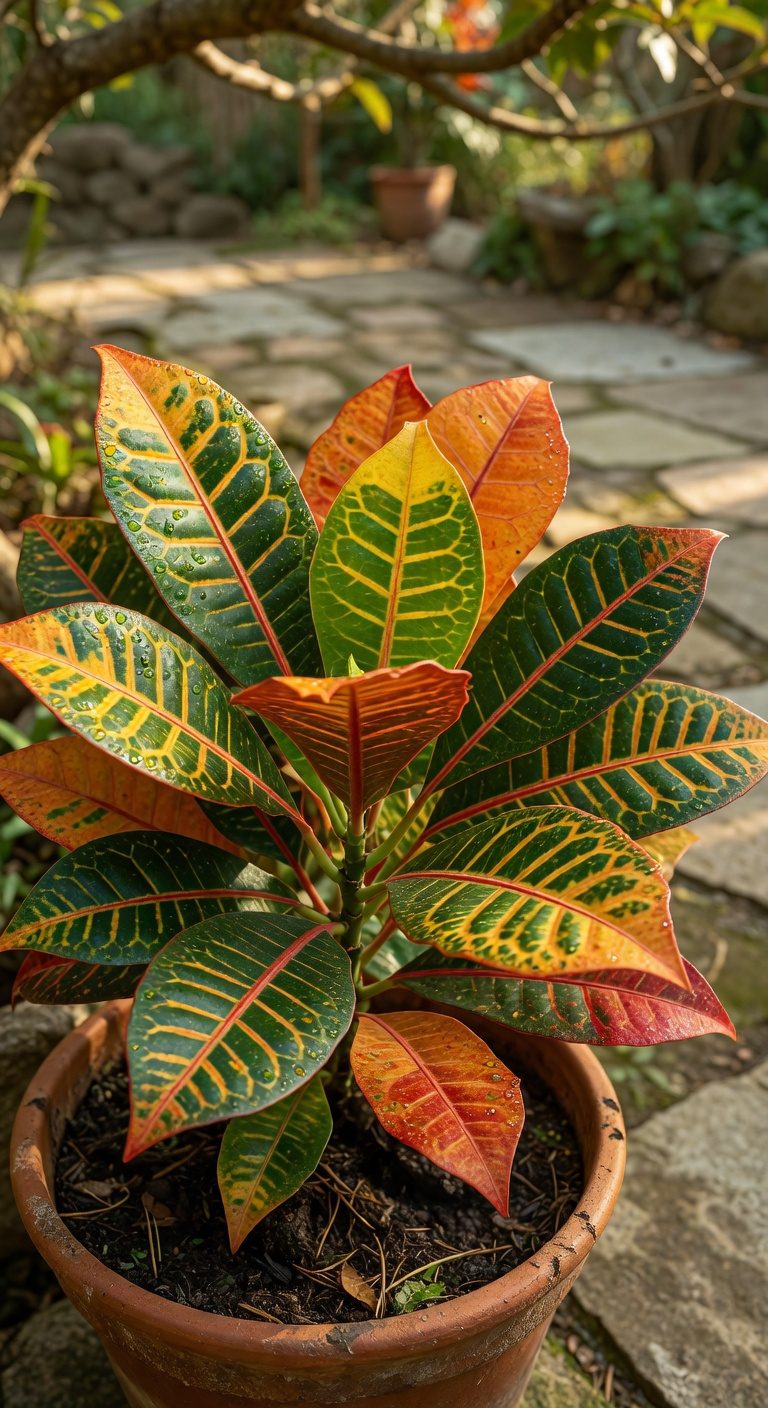
When you want bold color in outdoor containers, crotons deliver vibrant foliage in red, orange, yellow, and purple hues all year. These tropical plants thrive in warm, sunny spots with at least 6 hours of sunlight daily.
For proper croton care:
- Use well-draining potting mix to prevent root rot.
- Water when the top inch of soil feels dry, usually every 3–5 days in summer, less in winter.
- Keep humidity above 40% for best results; mist leaves weekly if needed.
- Fertilize monthly during spring and summer with a balanced 10-10-10 formula.
Place pots where children and pets won’t brush against them, their leaves are non-toxic but can cause mild skin irritation.
Prune spent leaves to maintain shape and encourage new growth.
Crotons stay compact in 12–16 inch containers and grow 2–4 feet tall.
With consistent croton care, their vibrant foliage stays bold and healthy, enhancing your landscape safely and vividly.
Shape Bay Laurels in Pots for Structure
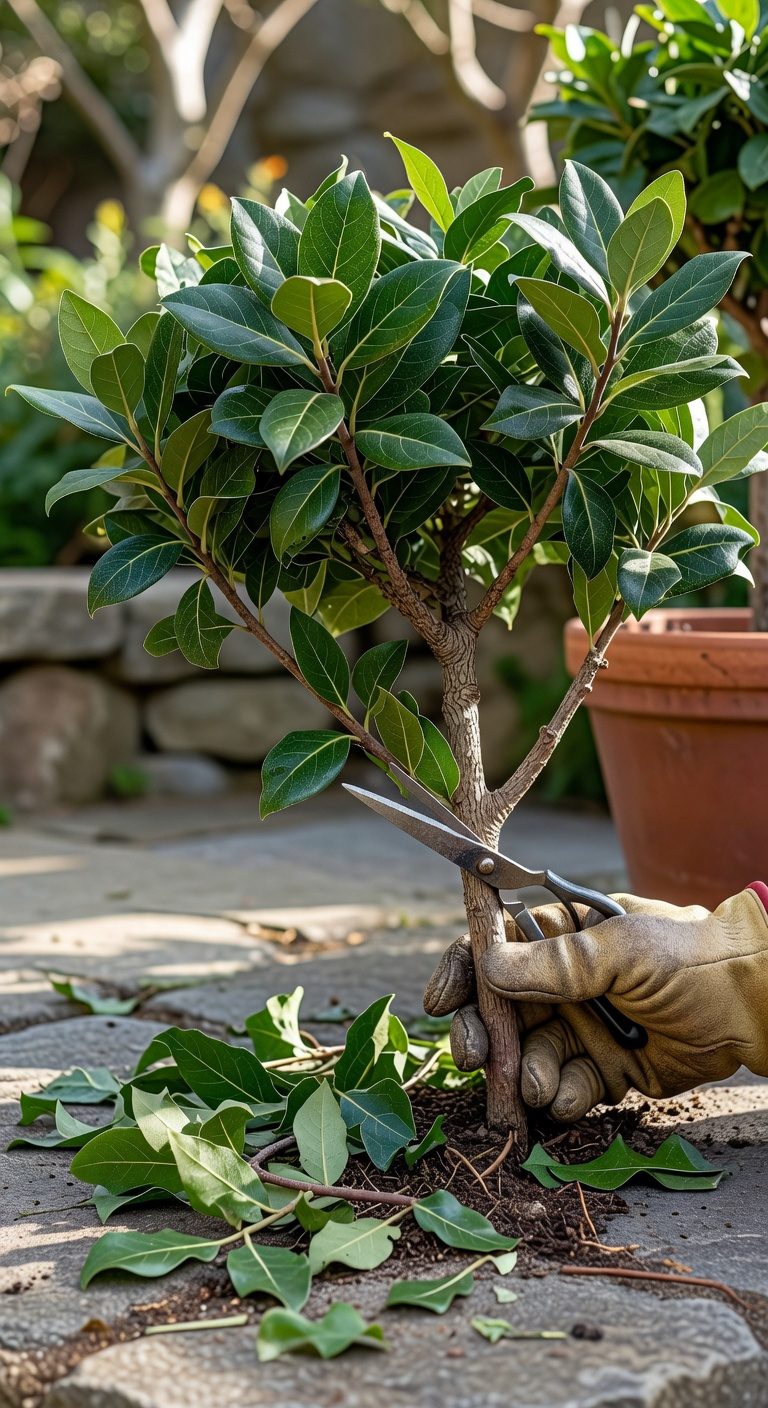
While bay laurels grow slowly, you can shape them into tidy forms that add lasting structure to your patio or garden.
Use clean, sharp shears for bay laurel pruning techniques every 4–6 weeks during growing season. Trim to maintain compact shapes like spheres or cones. Avoid cutting into old wood; laurels regenerate best on green stems.
Choose potted laurel varieties such as *Laurus nobilis* or dwarf types for containers 12–18 inches wide. Use well-draining soil with a pH of 6.0–7.5.
Place in full sun to partial shade. Water when the top inch of soil feels dry, about 1 inch per week.
Fertilize monthly with balanced 10-10-10 feed from spring to early fall. Rotate pots every 2–3 months for even growth.
Check for scale or spider mites monthly; treat promptly with insecticidal soap if needed.
Grow Joshua Trees in Containers for Desert Style
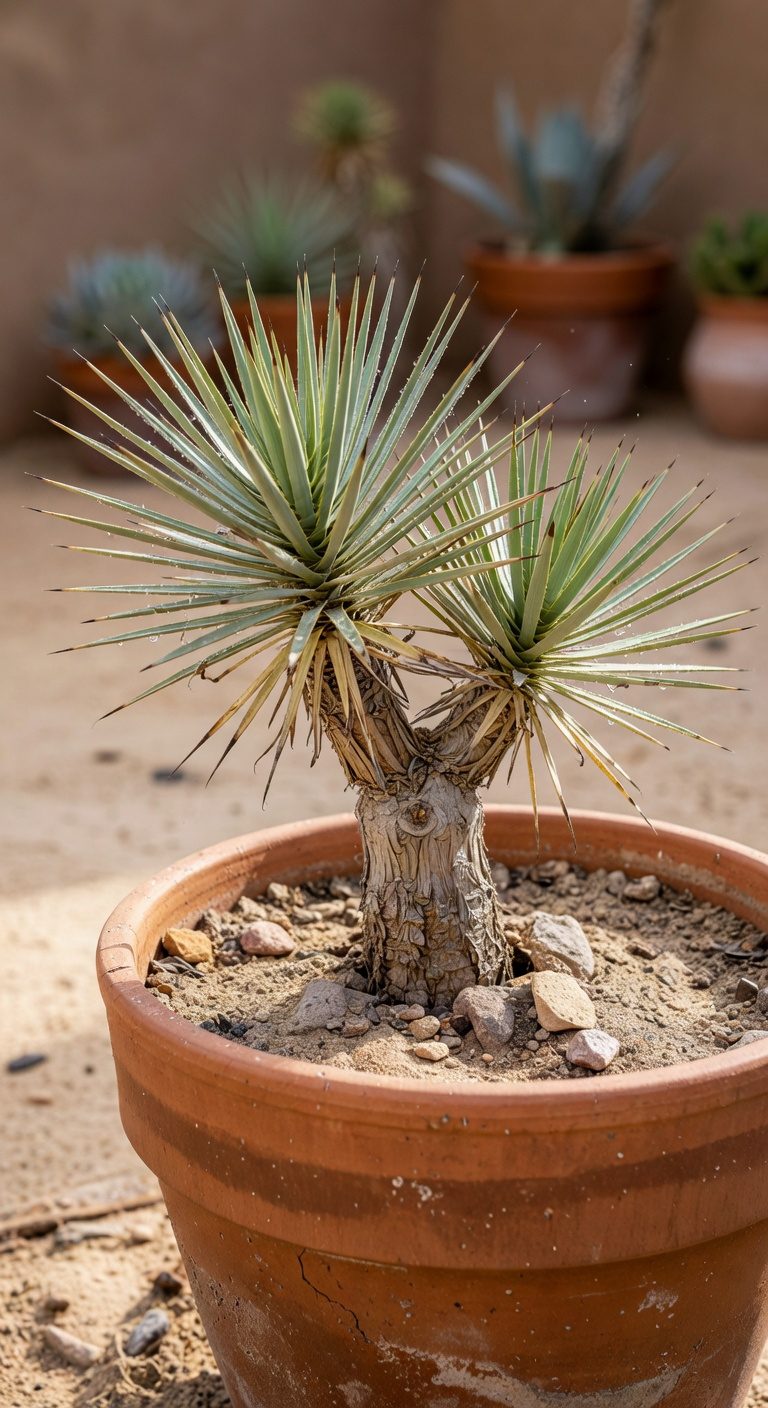
If you want a bold, drought-tolerant statement in your container garden, grow a Joshua tree (Yucca brevifolia) in a large pot.
Choose a container at least 24 inches wide with drainage holes. Use cactus or succulent potting mix for fast drainage.
Place your pot in full sun, 6+ hours daily. Water deeply every 3–4 weeks in summer; reduce to once every 6–8 weeks in winter. Overwatering causes root rot, so let soil dry completely between waterings.
For joshua tree maintenance, remove dead leaves with clean pruners. Watch for scale insects; treat early with insecticidal soap. Keep away from high-traffic areas, the sharp leaf tips can be a hazard.
Use these container care tips: repot every 3–5 years in spring. Avoid heavy soil amendments. Fertilize once yearly with balanced, low-nitrogen feed (10-10-10). Protect from freezing temps below 20°F.
Try Compact Avocados in Large Pots
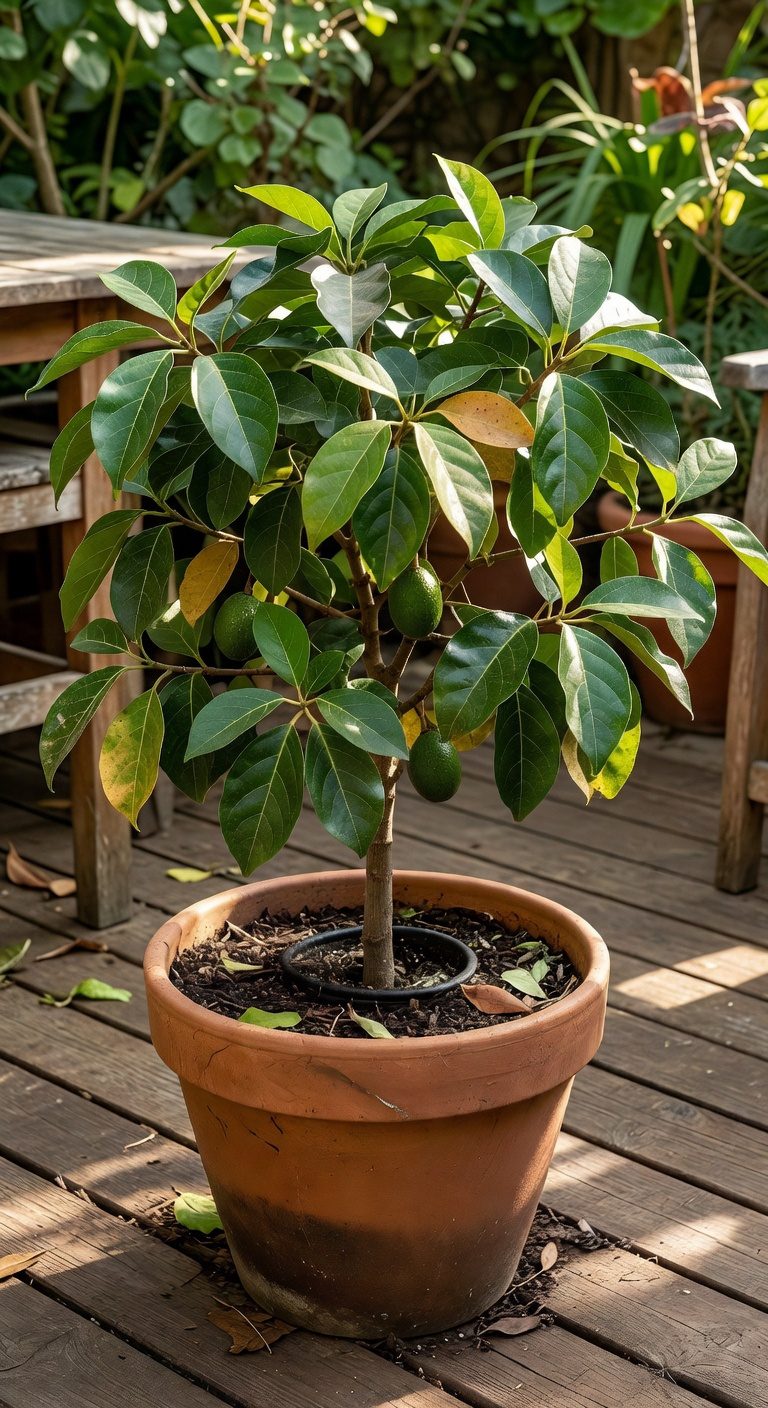
Though they’re tropical by nature, you can grow compact avocado varieties in large pots with the right care. Choose a 15–20 gallon container with drainage holes for healthy root development. Use a well-draining potting mix with perlite or sand to prevent waterlogging.
Place your avocado where it gets 6–8 hours of morning sun but is shielded from harsh afternoon heat. Water when the top 2 inches of soil feel dry, usually every 7–10 days.
For compact avocado care, feed with a balanced 10-10-10 fertilizer every six weeks during growing months. Prune lightly to maintain shape and encourage bushiness. Watch for spider mites or scale; treat early with insecticidal soap.
Follow these container gardening tips: elevate pots to improve airflow, mulch lightly to retain moisture, and repot every 2–3 years. With consistent care, your avocado can thrive safely outdoors in USDA zones 9–11.
Use Dracaena as a Statement in Pots
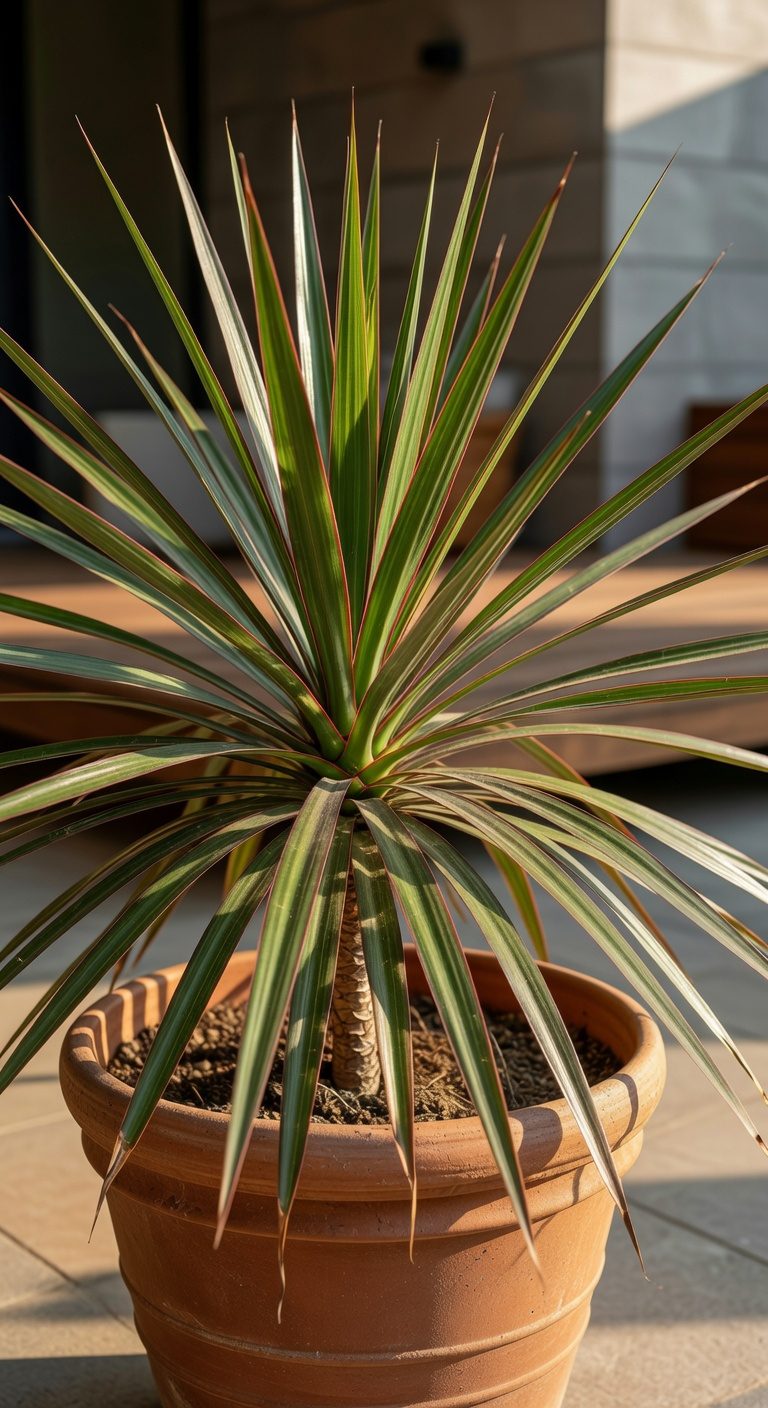
- Water every 7–10 days, allowing the top 1 inch of soil to dry.
- Fertilize monthly during spring and summer with a balanced 10-10-10 formula.
- Maintain temperatures above 60°F; bring indoors if frost threatens.
Rotate pots every few weeks for even growth. Trim brown tips with clean shears to keep foliage neat.
Dracaena varieties resist pests and don’t attract wildlife, making them reliable.
In statement pots on patios or entryways, they add height and clean lines without spreading aggressively.
You’ll enjoy their year-round structure with minimal effort.
Grow Canna Lilies Tall in Big Planters
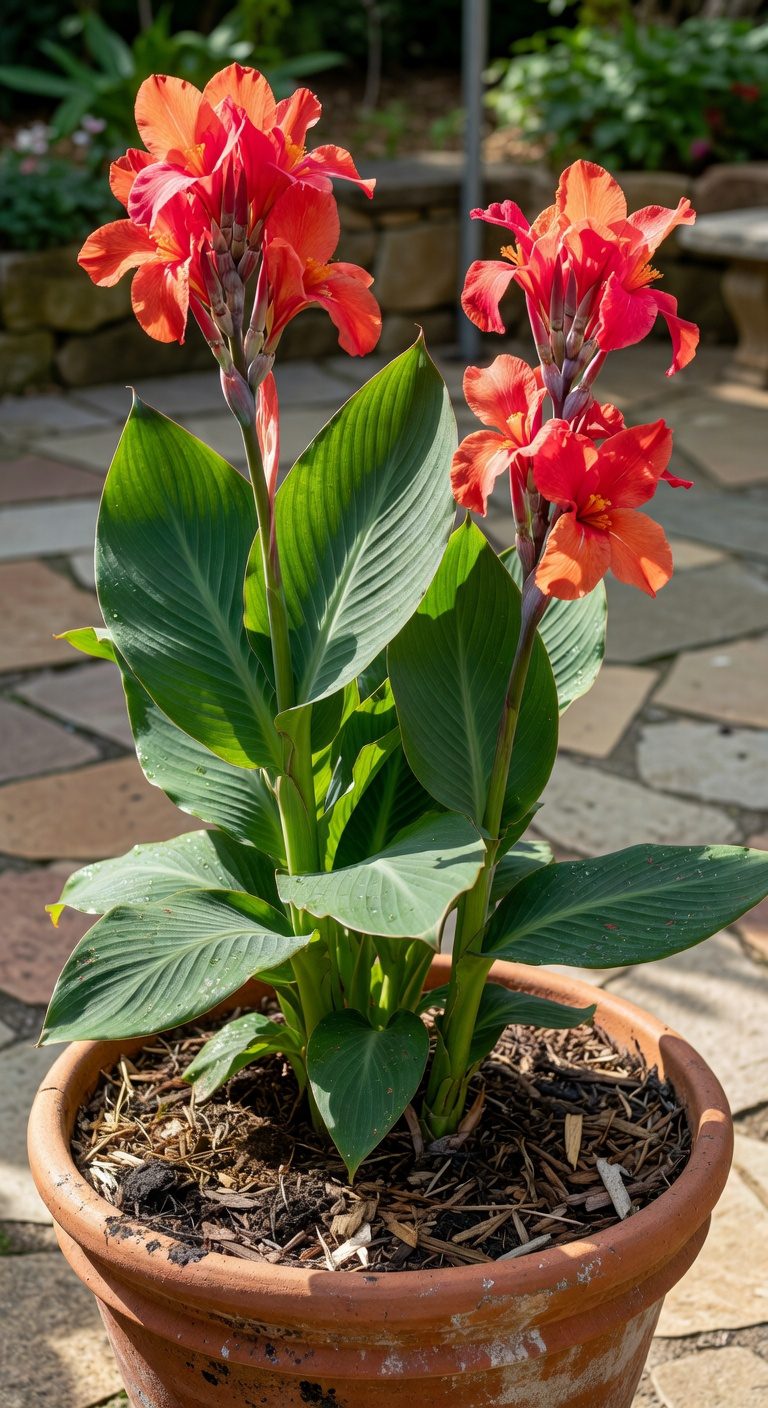
Canna lilies bring bold color and vertical interest to large planters, standing tall where dracaenas leave off.
Choose a container at least 18 inches wide and deep for proper large planter selection. Use well-draining potting mix to prevent root rot. Place the rhizome 4–6 inches below the soil surface, eyes facing up. Water regularly, keeping soil moist but not soggy.
Provide 6+ hours of full sun daily. Fertilize every 4–6 weeks with balanced 10-10-10 fertilizer. Tall varieties may need staking in windy areas.
For canna lily care, remove spent blooms and damaged leaves to encourage growth. Check for pests like aphids; treat early with insecticidal soap.
In zones below 7, lift rhizomes before frost and store in a cool, dry place. Resume care in spring when temperatures stay above 60°F.
Place Snake Plants in Large Pots for Impact
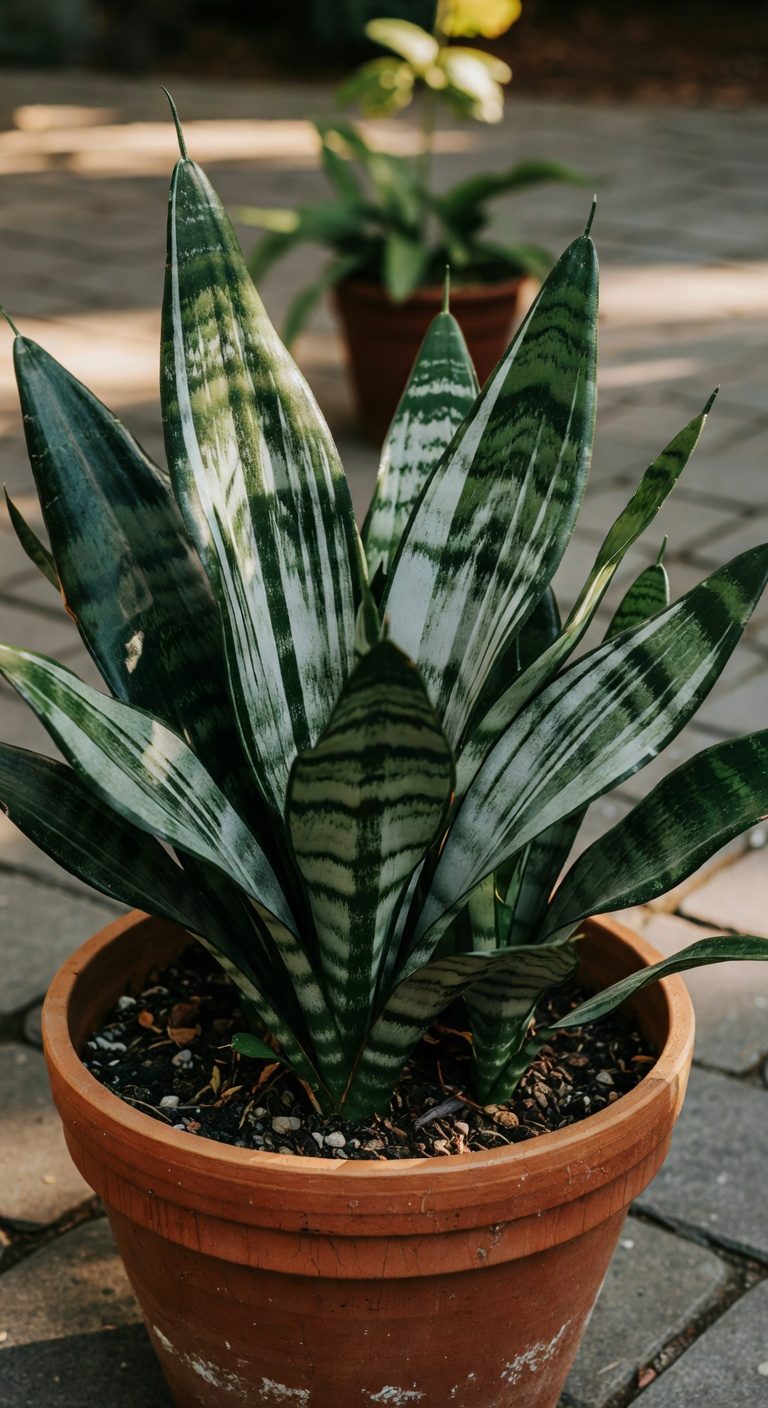
A large pot gives snake plants room to thrive while making a bold visual statement in any space. Use containers at least 14 inches wide to support healthy root development.
Snake plants tolerate a range of conditions, making them ideal for safe, low-risk landscaping. For successful snake plant care, choose well-draining soil and water every 2–3 weeks. Let the soil dry completely between watering.
Place in partial to full sun, 4 to 6 hours of indirect light daily. Avoid waterlogged soil to prevent root rot. Tall, upright leaves add vertical interest, perfect for creating striking arrangements.
Group with other drought-tolerant plants in large ceramic or fiberglass pots. Rotate pots monthly for even growth. These hardy perennials stay evergreen in zones 9–11.
With minimal maintenance, your display stays clean, structured, and visually balanced all season.
Grow Colorful Cordylines in Outdoor Containers
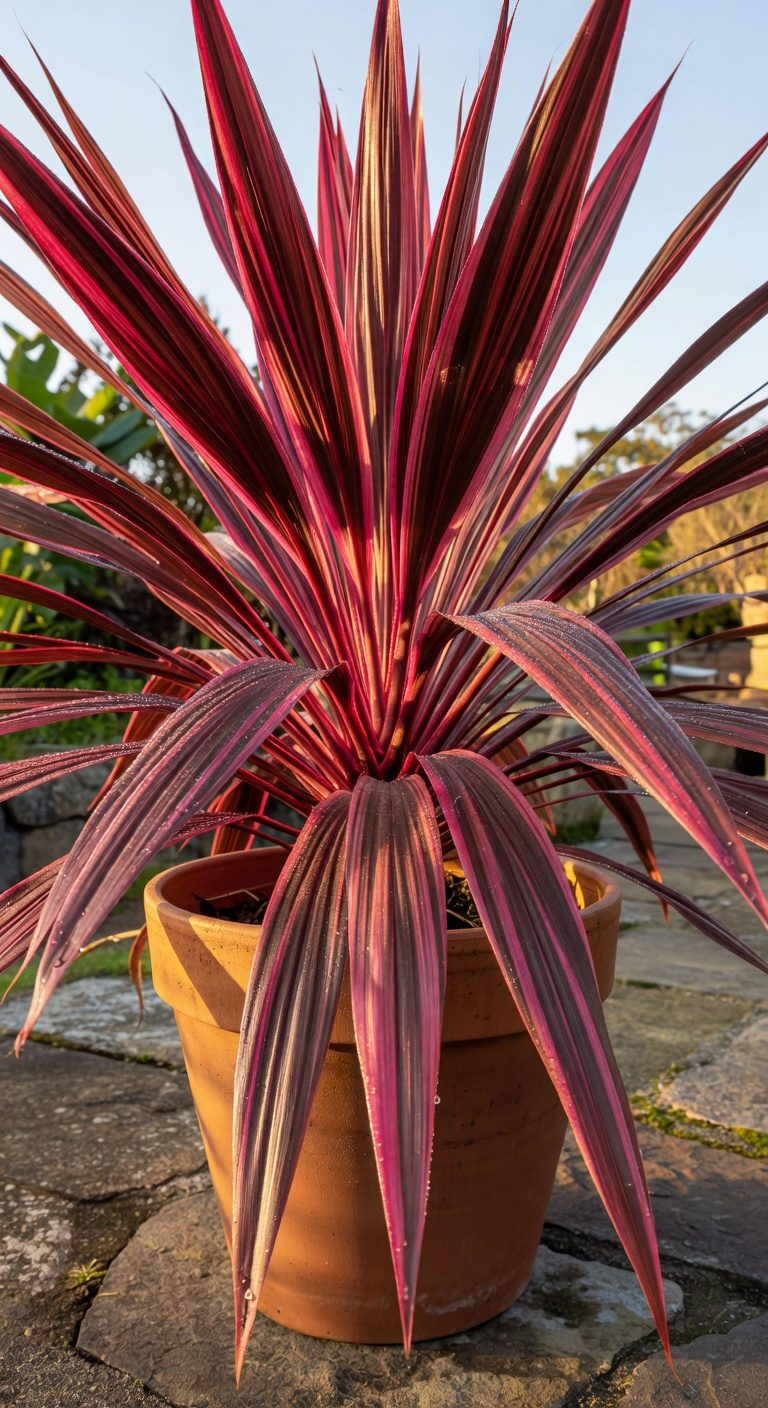
When you want vibrant color and bold texture in your outdoor containers, cordylines deliver with minimal effort. Choose colorful cordylines like ‘Red Star’ or ‘Electric Flash’ for strong visual impact. These tropical perennials grow 3–6 feet tall with sword-shaped leaves in red, purple, or pink.
Plant in large outdoor containers with drainage holes. Use well-draining potting mix with perlite or sand.
Place containers in full sun to partial shade. Cordylines thrive in USDA zones 9–11. Water once or twice weekly, allowing soil to dry slightly between. Fertilize every six weeks with balanced 10-10-10 formula during spring and summer.
Avoid overwatering to prevent root rot. Trim brown tips with clean shears. Watch for spider mites; rinse foliage monthly. In colder zones, bring pots indoors before frost.
Colorful cordylines remain safe and non-toxic around kids and pets. Position them where people won’t brush against sharp leaf edges.
Use Boxwood in Pots for Year-Round Structure
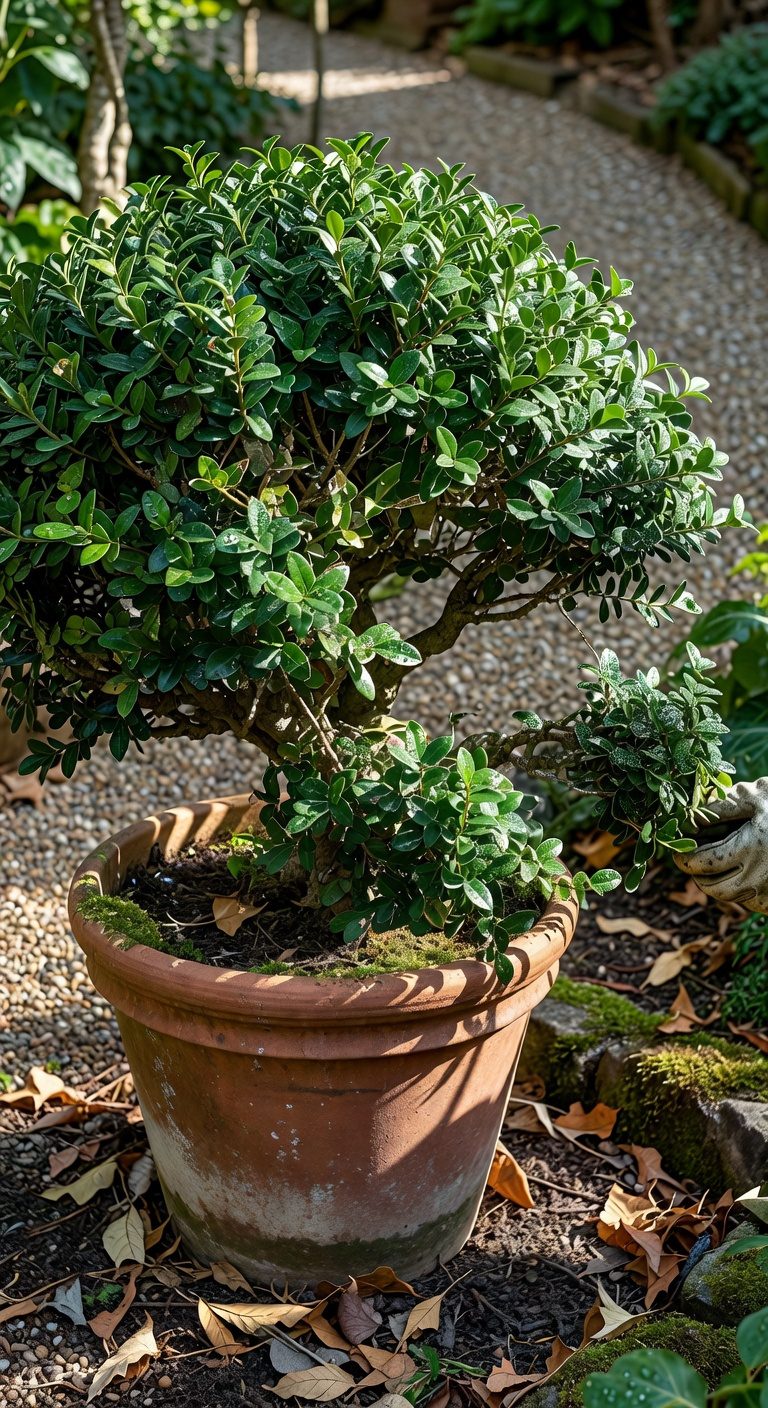
You’ve seen how cordylines add bold color and height to containers, but for reliable shape and formal lines all year, turn to boxwood in pots.
Boxwood offers dense, evergreen foliage and holds its form in all seasons. Choose small-leaved varieties like *Buxus sempervirens ‘Suffruticosa’* for clean structure. Plant in well-draining containers with loam-based compost.
Container maintenance tips:
- Water weekly in summer, every 2–3 weeks in winter.
- Check soil moisture at 2-inch depth.
- Use a slow-release fertilizer each spring.
Apply boxwood pruning techniques every 6–8 weeks from April to September. Trim new growth with sharp shears, maintaining a slight taper for even light exposure. Avoid cutting into old wood.
Re-pot every 3–4 years in early spring. Inspect roots and refresh soil to prevent compaction. Keep foliage dry to reduce fungal risk.
These plants stay safe, predictable, and structured with minimal effort.
Mix Tall and Trailing Plants in Large Planters
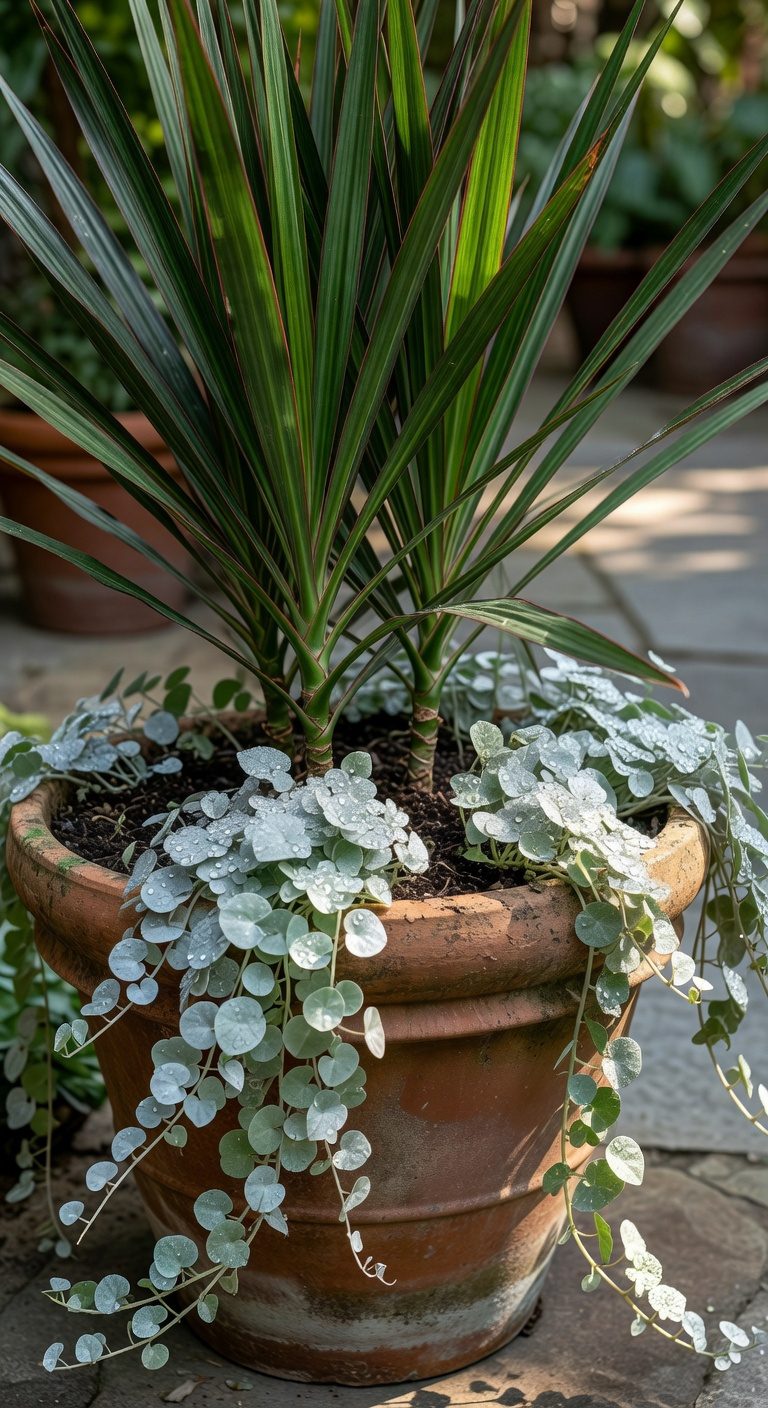
Combine one tall focal plant with two to three trailing varieties in planters 18 inches or wider for balanced, multi-layered arrangements. This design mixes textures and creates layers naturally.
Choose upright plants like Dracaena or dwarf date palm (height: 3–6 ft). Pair with spillers such as sweet potato vine or ivy (trails: 12–24 in). Use well-draining potting mix to prevent root rot. Place in areas with partial to full sun (4–6 hours daily). Water when the top inch of soil feels dry.
- Tall center: provides structure
- Mid-height fillers: add volume
- Trailing types: soften edges
Rotate pots every two weeks for even growth. Fertilize monthly during growing season (spring to early fall). Prune trailing stems if overgrown. This method keeps arrangements safe, tidy, and visually stable.
Mix textures using glossy, matte, or variegated leaves. Create layers that guide the eye upward and outward.
Final Takeaways
You’ve now shaped your outdoor space with purpose and precision. Choose pots at least 18 inches wide for stable root growth. Water deeply two to three times weekly, allowing soil to dry slightly between. Use slow-release fertilizer every six weeks during growing months. Pair tall plants like palms with trailing ferns to create living sculptures, where height meets flow like a dance, adding rhythm to your landscape.